
| Nr | Nosaukums | Apraksts |
|---|---|---|
 |
Mežabrāļu lauku māja atrodas pie Igaunijas un Latvijas robežas. Staigājot pa mežabrāļu takām var apmeklēt viņu raktos bunkurus, klausīties patiesus stāstus par pēckara notikumiem, nogaršot kandžu “meža šalkas” un kopā ar saimnieku uzdziedāt mežabrāļu dziesmas. Piedzīvojumu mīļotājiem piedāvājam arī naktsmītnes mežabrāļu bunkurā. Ziemā Mežabrāļu saimes ļaudis aicina braukt ar ragaviņām no Punkrimeģa un pavizināties kamanās. |
|
 |
Kurgjas lauku muzejā var iepazīties ar Igaunijas 19. gadsimta atmodas laika dižvīra Kārļa Roberta Jākobsona dzīvi un darbu, ar viņa celtās lauku sētas ikdienas rūpēm. Tā kā lauku sētā līdz pat šodienai saimnieki nodarbojas ar lopkopību, var iepazīt liellopus, aitas un zirgus, ieskatīties restaurētajās palīgēkās – govju kūtī, klētī, dzirnavās un rijā. Lauku darbus var izmēģināt arī paši. Pēc pasūtījuma muzejā iespējams nobaudīt nacionālos ēdienus. |
|
 |
Grilbārs un restorāns "Parks" ir vieta, kur baudīt viesmīlību, pozitīvu un nesteidzīgu atmosfēru. Ģimenei draudzīgs restorāns ar bērnu spēļu stūrīti un īpašiem ēdieniem bērniem. Veidojot ēdienkarti, šefpavārs galvenokārt izvēlas produktus un sastāvdaļas, kuras iegūtas tieši Latvijā. Piedāvā gan klasiskas garšas, gan kaut ko neierastāku. |
|
 |
Akmenī iekaltais teksts (vēl nedaudz saskatāms) ir vēstījums nākamajām paaudzēm par tā laika vietējo mācītāju (kurš mira no mēra), par pastorāta izveidi Sīkragā, ko drīz vien pārcēla uz Mazirbi. Tas ir arī piemineklis sešiem plašākas apkārtnes draudzes mācītājiem. Visi trīs (sk. iepriekš) mēra akmeņi vēstī par 1710. gada Lielo mēri un teksti akmeņos iegravēti Mazirbes mācītāja Petrsona laikā no 1711. līdz 1734. gadam. |
|
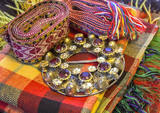 |
Maretas Petrovičas radošajā aušanas darbnīcā top krāšņi suitu audumi un tiek organizētas meistarklases. Te var iegādāties arī uz vietas tapušos suvenīrus. Tiem, kas vēlas piedalīties meistarklasēs, iepriekš ir jāpiesakās. |
|
 |
Divu satekupju Mūsas un Mēmeles krastos top Latvijā iecienīts alus - Bauskas alus, kas ražots pēc klasiskās alus rūgšanas tehnoloģijas. Iespēja apmeklēt Bauskas alus darītavu un tuvāk iepazīties ar alus darītavas vēsturi, ieskatīties Bauskas alus un bezalkoholisko dzērienu tapšanas procesā, kā arī tiek piedāvāta iespēja nogaršot Bauskas alus ražotos dzērienus. |
|
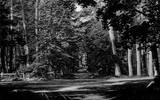 |
Līdz ar kūrorta Neibāde izveidi 1823. gadā, aizsākās rūpes par viesu atpūtu. Parku, kas veidots angļu stilā, radīja dārznieks Akerbergs, kuru barons Augusts fon Pistolkorss atveda no Igaunijas. 20.gadsimta 20.-30. gados Pēterupes – Neibādes jūrmalas palīdzības un labierīcības biedrība rūpējās par karā nopostītā kūrorta pieminekļa un parka rūpīgu atjaunošanu un kopšanu, Saulkrastu izdaiļošanu, organizēja sarīkojumus, nodibināja teātri un kori, kuru vadīja Olga Cīrule. Saulkrastu estrādē vienmēr ir notikuši svētki. Īpaši izceļams 1933. gada 16. jūlijs, kad estrādē atzīmēja Neibādes un Pēterupes pārdēvēšanu par Saulkrastiem. Estrāde vairākkārt tika pārbūvēta un uzlabota. Gan padomju laikā, gan arī vēlāk šī vieta ir vietējo cilvēku satikšanās vieta gan priecīgos brīžos, gan pārmaiņu brīžos, gan atceres brīžos. Estrādē ir meklējami pirmsākumi Tautas Frontes Saulkrastu nodaļas veidošanai. Šobrīd estrāde ir pulcēšanās vieta vasarā nedēļas nogalēs apmeklējot dažādus pasākumus. Katru gadu šeit notiek Saulkrastu pilsētas svētku koncerts. (Avots: Saulkrastu TIC) |
|
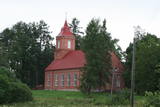 |
Līdz 18. gs. šajā vietā bija koka baznīca, kamēr 1798. g. uzcēla mūra baznīcu, kas cieta 1. pasaules karā, bet 2. pasaules kara laikā to uzspridzināja. Tikai pusgadsimtu vēlāk - 1991. gadā tika uzsākti atjaunošanas darbi, kas joprojām turpinās. Tagad redzamais dievnams ir iepriekšējā līdzinieks. |
|
 |
Piedāvā zirgu izjādes pa gleznainiem mežiem un individuālas jāšanas nodarbības. |
|
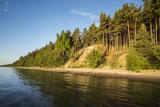 |
Labiekārtota dabas taka iepazīstina ar vienu no retajiem Rīgas jūras līča stāvkrastiem - Ēvažu stāvkrastu (līdz 15 m augsts, no skatu platformas paveras viens no skaistākajiem līča skatiem) un piekrastes mežiem. Pa kāpnēm, kas atjaunotas pēc 2005. g. postošā orkāna, var nokāpt līdz neparastajai pludmalei ar šauru smilšu liedagu, kas vētru laikā pazūd jūras viļņos. Takas garums ir 0,3 km (turp un atpakaļ – 0,6 km), iziešanai nepieciešamais laiks - 0,3 h. Kolkas – Jūrmalas ceļa malā iekārtots autostāvlaukums (atrodas pie Slīteres nacionālā parka robežas). |
|
.JPG?size=160) |
Parks veidots g.k. daudzveidīgā kultūrvēsturisko objektu klāsta aizsardzībai (Traķu ezerpils, Seno Traķu klosteris, Užutraķu pils, Bražoles pilskalns, karaīmu mantojums u.c.).
|
|
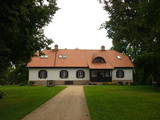 |
Berķeneles pusmuiža ir Valsts nozīmes vēstures piemineklis un pazīstama kā ievērojamā latviešu literāta un sabiedriskā darbinieka Raiņa (1865 – 1929) bērnības zeme. 1995. gadā māja restaurēta un kopš 1996.gada tā darbojas kā Raiņa māja Berķenelē. Bērnības iespaidi attēloti dzejoļu krājumā „Dagdas piecas skiču burtnīcas”. Mūsdienās Raiņa mājā piedāvā ekskursijas, radošās darbnīcas, izstādes, apmeklētāji var pārģērbties tā laika saimnieku un kalpu tērpos u.c. Ap māju ir liels augļu dārzs, un programma "Ābolu ceļš". Īpaši gaidīti ir bērni un jaunieši. No mājas paveras brīnišķīgs skats uz Sēlijas ainavu. |
|
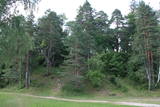 |
Atrodas 0,5 km ziemeļaustrumos no Dzērbenes baznīcas, ceļa otrajā pusē. Vizuāli izteiksmīgs pilskalns ar 50 x 50 m lielu plakumu, kura kultūrslānī atrastas vēlā dzelzs laikmeta apmetnes atliekas. Pilskalna rietumu nogāzē ir izveidots ceļš, pa kuru nonāksim līdz tā plakumam ar estrādi. |
|
 1 diena
|
Dodieties ekskursijā, lai gūtu ieskatu lauku profesijā un dzīvesveidā, kā arī iegūtu jaunus iespaidus un labu atpūtu visai klasei. Ekskursijas laikā apmeklējiet ekopoligonu, kas ir unikāls piemērs ekoloģiski saderīgu darbības virzienu ieviešanai. Pēc tam apmeklējiet saimniecību, kurā iespējams aplūkot Latvijas tumšgalves aitas, uzzināt par to audzēšanas specifiku, dzīves paradumiem un aitkopības nozari Latvijā, kā arī iespējams aplūkot dažādus putnus - tītarus, zosis, pīles, vistas un pērļu vistas. Saimniecībā atrodas arī observatorija, kur var noklausīties lekciju par zvaigznēm, planētām un citām tēmām. Ekskursijas noslēgumā dodieties uz kokapstrādes darbnīcu, lai meistaru vadībā darbotos ar tradicionālajiem kokapstrādes instrumentiem un apgūtu senās spēles. |
|
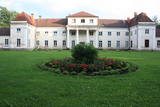 |
Muižas pili dēvē par vienu no izcilākajiem Latgales klasicisma pieminekļiem. To būvēja laikā no 1783. - 1789. g. (itāļu arhitekts Vinčento Macoti) kā grāfa Mihalea Johana Borha īpašumu. 18. gs. beigās pēc tā paša arhitekta projekta tapa romantiskā stilā veidotais ainavu parks (viens no pirmajiem Latvijā). Tagad pilī izvietots Varakļānu novada muzejs. |
|
 7 dienas
|
This long tour of Latvia includes some of the best and most beautiful parts of Jūrtaka in Latvia. Hikes along the sea alternate with trips and excursions in the cities. You will go along the coast of the Baltic Sea from Mazirbe to Kolka, seeing Slītere National Park and Livonian villages. You will see Engure Nature Park and the overgrown seaside meadows that are suitable for bird watching. Along the way, you will be able to purchase smoked fish from local fishermen and learn about fishing traditions in Latvia. Further, the route will take you through the most popular seaside resort in Latvia, Jūrmala; you will also have time to visit the capital city - Rīga. The second part of the route runs along the Vidzeme coast from Saulkrasti to Svētciems. In terms of landscapes and views, the most multifaceted section of the Baltic Coastal Hiking Route in Latvia, which includes both sandy and rocky beach, coastal meadows, reeds, dunes, sandstone outcrops, forests, capes and small coves, fishing villages and pubs. |
|
 |
Apmeklētāji var meklēt izeju 3300 m2 lielajā labirintā, izmēģināt spēkus, orientējoties un izpildot āķīgus uzdevumus kādā no labirinta īpašajiem līkločiem. |
|
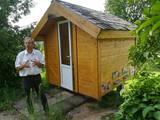 |
"Piebalgas medus" atrodas Vecpiebalgas novadā, nogriežoties no autoceļa Cēsis–Vecpiebalga–Madona (P30). Biškopība, apiterapija un stāstījums "Par un ap bitēm". Biškopības produkcijas degustācija un iegāde. Apmeklētājiem ir pieejama sveču darbnīca. Īpaši ar to, ka dravo tikai ar Latvijas stāvstropiem. |
|
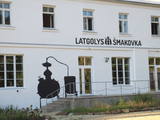 |
Īsts Latgales ābolu sidrs no Malnavas muižas. Vēsture Āboli Sidrs Apmeklētājiem Kur iegādāties |
|
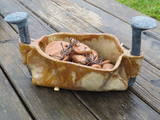 |
Podnieks piedāvā plašu darbošanās klāstu – darbnīcas apskati, māla trauku virpošanu, zīmēšanu, bungu un leļļu taisīšanu. Tapušo darbu iegāde. Demonstrē bungu spēli. |
|


