
| No | Name | Description |
|---|---|---|
 |
A family shop in Ikšķile that offers the produce of small Latvian producers and craftsmen. The store is a favourite, not only of the residents of Ikšķile and the surrounding area, but also for shoppers from Riga, Ķekava, Ogre and other cities. An online store is also available. |
|
 |
The peat cement factory. This is an
abandoned but unique industrial
landscape. Follow markings when crossing
the factory’s territory.
|
|
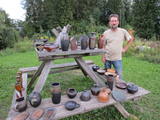 |
This craftsman produces beautiful ceramics and uses the so-called black or smoke-based technique. You can try your hand at the potter’s wheel and watch as the kiln is opened. You can commission or purchase ceramics. You can also tour the beautiful garden and receive services related to flower design. |
|
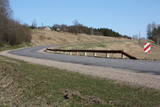 |
Beautiful views are accessible from the Sabile castle hill (steps, a location for relaxation), Upurkalns Hill (no improvements) and Briņķpedvāle, which part of the Pedvāle Open-Air Art Museum. There are also the Drubaži nature trails. The road between Kandava and Sabile which runs along the right bank of the Abava and the Aizdzire-Kalnmuiža road which runs on the left bank of the Abava also offer beautiful landscapes.
|
|
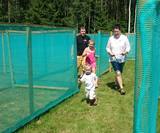 |
This labyrinth covers 3,300 m2. Visitors can make their way through the maze, trying to find the exit and handling clever tasks at some of the special twists and turns in the labyrinth. There is a playground for children, along with a workshop, a mud café and the “fir tree village.” |
|
 1 day
|
Dodieties ekskursijā, lai gūtu ieskatu lauku profesijā un dzīvesveidā, kā arī iegūtu jaunus iespaidus un labu atpūtu visai klasei. Ekskursijas laikā apskatiet iespaidīgākās un krāšņākās smilšakmens klintis Vidzemes piekrastē, kur viļņi ir izveidojuši līdz 6 m augstu stāvkrastu. Pēc tam apmeklējiet muzeja ekspozīciju, kura iepazīstina ar leģendārā fantasta un melu karaļa piedzīvojumiem un dzīves gaitām. Turpat netālu mežā izveidots vairākus km garš taku tīkls, un taku malās izvietotas dažādas koka skulptūras. Ekskursijas noslēgumā dodieties uz keramikas darbnīcu, lai uzzinātu, kā no māla top dažādi trauki un sadzīves priekšmeti, kā arī paši pamēģinātu roku kāda priekšmeta izvirpošanā. |
|
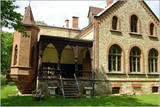 |
Zvārtavas pils aicina ceļotājus un dabas draugus, kultūras un mākslas cienītājus iepazīties ar Zvārtavas pili un citiem muižas kultūrvēsturiskiem objektiem, izbaudīt parku un ezeru, izzināt novada vēsturi un apskatīt mākslas darbus, kuri radīti šeit plenēros un rezidencēs, gan LMS muzeja kolekcijas ekspozīcijas un aktuālās izstādes. Skaistā Zvārtavas pils celta 1881.gadā un ir viena no spilgtākajiem neogotikas stila arhitektūras pieminekļiem Latvijā, kas ir valsts nozīmes kultūras piemineklis. Pašlaik pils pieder Latvijas Mākslinieku savienībai, un tieši šis fakts ir pamats pils unikalitātei. Pilī ir saglabājušies neogotikas interjeri, koka kolonas vestibilā, oriģinālās parketa grīdas, mēbeles un stikla kupols ar vitrāžām, caur kurām gaisma dažādos toņos, veido zīmējumus uz sienām un grīdas. |
|
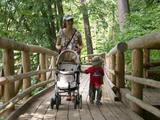 |
This park is located along the shores of the Tērvete River Valley. It is a vast forested area which has been adapted successfully for travellers. In 2004, it was nominated as the most family - friendly destination in the land. There is a web of trails for one-day hikes. Viewing tower on the shore of the Tērvete River, views also from the Tērvete castle hill and Zviedru (Swedish) Hill.
|
|
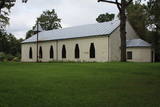 |
Jau pēc dievnama veidola var spriest, ka vēl ne tik sen – padomju laikos ēka bija izmantota citām vajadzībām. Pēc 2. pasaules kara to atsavināja draudzei, bet torni – uzspridzināja, dievnamā ierīkojot noliktavu. 20. gs. deviņdesmitajos gados draudze uzsāka baznīcas atjaunotni un tagad tā kalpo savam pamatmērķim. |
|
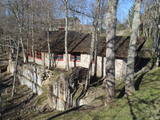 |
The saloon is alongside the Liepāja-Ventspils road (P111), alongside the restored wooden bridge across the Rīva River. The interior design is based on the sea. During the autumn, the large windows open up a view of salmon leaping across the dam of the windmill. Latvian cuisine: Chilled soup, baked potatoes in their jacket, baked filet of flounder and cod, baked herring in a sea buckthorn marinade, pork chop with mushrooms, sausages with marinated onions, grey peas with bacon, mashed potatoes, stacked rye bread, oatmeal with whipped cream. |
|
 |
You can go fishing in five fish ponds and then dry the fish. The owner prepares hot-smoked trout, dried carps, and fish soup cooked on a campfire. You can also buy chicken eggs. |
|
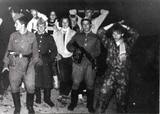 |
The Soviet Border Guard arrived at Lapmežciems (its border with Ragaciems) in the mid-1960s and left in 1991. Some 50 military personnel were stationed here. The military personnel and local residents organised various events and celebrations. The only thing that worried locals was a radar which was said to cause various problems. The zenith missiles were dismantled and taken away in 1991. An apartment building is still on what was then the military base. |
|
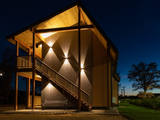 |
Bestes Apartments is a new guest house that can accommodate 45 guests at a time (+ 10 extra beds). The guest house was built and designed in the Latvian style (a wooden building made here in Mūrmuiža), beds made in Latvia, bed linen made in Latvia were used. |
|
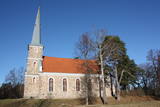 |
A wooden church was built here in 1766, and the new brick church was built on the foundations of the old church and consecrated in 1868. The tall steeple of the church helped ship captains orient themselves during the daytime. An altar painting by Gunta Liepiņa-Grīva, "Christ and Peter on the Sea," was consecrated in 1993 to replace the former painting, which was lost. The blue-white-green Livonian flag was consecrated at the Mazirbe manse (now a recollection centre) on November 18, 1923. Near the manse are several rocks which stand witness to the Black Plague in 1710 and 1711. The text in Latin said that Livonians on the coastline were conquered by Swedish King Karl IX and the bubonic plague. The texts on the rocks have eroded away, but records of them were made. The Mazirbe cemetery has a monument to Old Taisel, a monument to the parents of captain A. Bertholds, and the legendary grave of a werewolf. |
|
|
|
The Cemetery of the Brethren of
Lāčukrogs offers a final resting place to
men who fell during World War I.
|
|
 |
A family restaurant, located next to the Melluži open-air stage in Jūrmala, 27 km from Riga. European and Latvian cuisine for all of the meals of the day, including soups of the day, salads, main courses, and a selection of desserts. All of this in a wonderfully cosy atmosphere. |
|
 |
The memorial site with a 1936 monument produced by the sculptor Kārlis Zāle is located in Smārde near the Smārde-Tukums road. It commemorates 38 soldiers who fell during World War I. Between 1915 and 1917, the front line was near Smārde. Many men were killed, and they were buried at the local swamp. It was only after the war that they were reburied in Smārde, Kūdra, Ķemeri, and Sloka. |
|
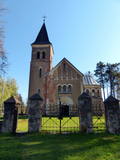 |
This, the third church at this location, was built in 1906 at the initiative of and financing from Gotthard von Budberg, who dedicated it to his late wife, Gertrude. The Walker company organ in the church was built in 1906 in Ludwigsburg in Southern Germany. In 1992, a memorial plaque to commemorate people from Gārsene who were repressed by the Soviet regime was consecrated at the church. 100 m to the East is a cemetery where we see the legendary chapel of the Budberg dynasty, as well as the graves of the noblemen. The church is open to visitors. |
|
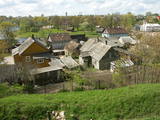 |
The Ludza castle hill offers one of the most interesting views in Latgale – that of the oldest town in Latvia and its historical centre, Great Lake Ludza and Small Lake Ludza, the ruins of the castle of the Livonian Order, Baznīckalns hill, churches, the regional research museum, the craftsmen’s centre, etc.
|
|
 6 days
|
The tour passes through national parks and protected nature territories of interntional importance, following the sea shore. It also stops at small charming towns, several historic sites and traditional villages. During the tour you learn not only about rare and protected plants and local traditions but also enjoy beautiful landscapes, wilderness and solitude. At the Ķemeri National Park you will follow a fenland trail, see wild meadows and stop at a bird-watching tower beside Lake Kaņieris. Then we explore the Engure Lake Nature Park where 22 types of orchids can be found. Next day thr route heads to Slitere National Park, the former territory of the Baltic Ice Lake and Litornic Sea. You will follow the Cape Kolka pine-tree trail and Peterezers Lake trail with ancient dunes and landscape. Then head to Stiklu Bog trail, in the largest bog territory in Latvia. At Užava you will discover the largest 'grey' dune in the Baltics before following the wild banks of the River Venta and visiting the charming town of Kuldiga, with its well-preserved wooden architecture and the widest waterfall in Europe. The route follows the Abava valley created by the melting of ancient ice. At Sabile you can stop at its famous Wine Hill - location of the most northerly grown grapes from which wine is produced - and follow a botanic trail with stops at the grandest oak tree in Europe. On the way to Riga, walk 5 km long Cena Heath trail which features low, high and transit bogs and related plants. |
|


