
Latvian cultural site
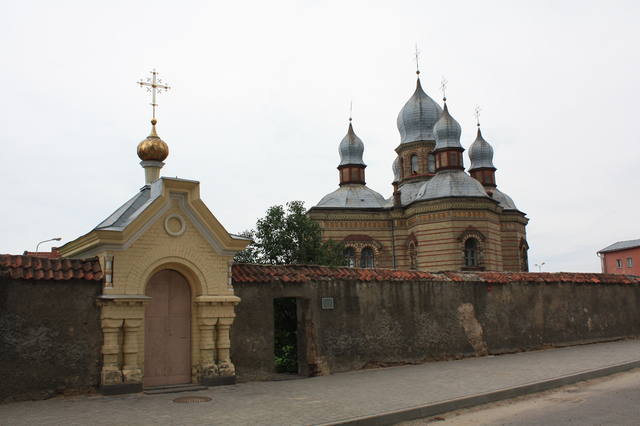
v. Gara pareizticīgo baznīca un vīriešu klosteris, kā arī klostera teritorijā esošā Sv. Nikolaja Brīnumdarītāja pareizticīgo baznīca atrodas Jēkabpilī, Brīvības ielā 200. Bizantiešu stilā celtā Sv. Gara pareizticīgo baznīca tapusi laikā no 1853. - 1886. g. iepriekšējās - 17. gs. otrajā pusē celtās un 1773. g. nodegušā koka (kokmateriālus tās celtniecībai bija piešķīris Kurzemes hercogs Jēkabs) dievnama vietā. Pie baznīcas atradies Sv. Gara vīriešu klosteris. 1903. g. Otrajās Lieldienās baznīcā izcēlās ugunsgrēks, pēc kura nesadega vienīgi Jaunavas Marijas glezna. Baznīca cieta 1. pasaules kara laikā un to atkal atjaunoja 1933. g. Blakus Sv. Gara pareizticīgo baznīcai atrodas Jēkabpils vecākais dievnams - 1774. g. celtā mūra baznīca, kas nosaukta Sv. Nikolaja Brīnumdarītāja vārdā. Šī baznīca izceļas ar saviem nelielajiem izmēriem – 17 x 19,5 m. Mūsdienās te darbojas Sv. Gara pareizticīgo baznīcas klosteris, ko interesenti var apskatīt arī no iekšpuses. Kompleksu ietver iespaidīgs, Latvijas pilsētvidei neraksturīgs 17.gs. mūra žogs.
The Orthodox Church and Cloister of the Holy Spirit and the Orthodox Church of St Nicholas the Miracle Maker are found at Brīvības Street 200 in Jēkabpils. The Byzantine Church of the Holy Spirit was built between 1853 and 1886 to replace a wooden church which had been built in the latter half of the 17th century and burned down in 1773. Duke Jacob of the Duchy of Courland supplied the timber for the old church. The cloister was alongside the church. On Second Easter in 1903, the church caught on fire, and the only icon rescued was a painting of the Virgin Mary. The church suffered damage during World War I and was restored in 1933. Alongside the Church of the Holy Spirit is the oldest church in Jēkabpils – the oldest stone church in the city, which is named after St Nicholas the Miracle Maker and was erected in 1774. This is a very small church, just 17 x 19.5 m. The cloister of the Church of the Holy Spirit operates the church today, and it can be viewed from the inside. The stone fence that surrounds the complex is massive, but atypical of urban environments in Latvia.
 141
141
Services