Kontaktinformation
Related objects
| Foto | Name | Beschreibung |
|---|---|---|
 |
The Rakši leisure venue offers a look at one and two-hump camels, llamas, alpacas and guanacos. Pancakes made of healthy camel milk can be tasted, you can ride llamas or camels, and there are other forms of active recreation, as well. |
|
 |
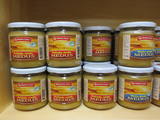
Auf dem Hof Adzelvieši wird Hanf angebaut, aus dessen Samen Hanfbutter und grob gemahlene Zukost hergestellt wird. An der Kornkammer (101 Jahre alt) sind alte Werkzeuge der Hanffaserbearbeitung ausgestellt. Hier kann man leckere Produkte verkosten und kaufen, sowie eine spannende Reise in die Geschichte der Hanfzüchtung unternehmen. Der gewöhnliche Hanf ist eine alte Kulturpflanze in Lettland, die hier seit mehr als 1000 Jahren angebaut wird. Lettische Küche: Grob und fein gemahlene Zukost aus Hanf, Hanfbrötchen, zerdrückte und geröstete Hanfbröckchen, Hanföl. |
|
 |
In der Mühle lässt sich der Wollverarbeitungsvorgang auf 100 Jahre alten Geräten nachverfolgen, hier werden Wolldecken und mit Schafwolle gefüllte Kissen in Handarbeit hergestellt, sowie Souvenire, die man kaufen und bestellen kann. Es werden Exkursionen angeboten und Brot gebacken. Funktionsfähig erhalten ist die im 19. Jh. im lettischen Maschinenwerk „Šūberts Rudzīts & b-dri” hergestellte Pflück- und Kardiermaschine, eine in Deutschland hergestellte einzigartige Spinnmaschine sowie eine Kornmühle. Lettische Küche: Eingelegte Heringe mit Gemüse, Graupengrütze, Kartoffelpüree nach dem Geschmack der Einwohner von Vidzeme (mit gebratenen Zwiebeln), kleine Pfannkuchen mit einheimischem Honig und Marmeladen aus einheimischen Beeren, selbstgebackenes Brot. Das besondere Gericht: Wasserkringel und Suppe des Wirtes, die aus sechs Fischarten gekocht ist. |
|
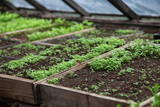 |
In „Silkalni” können Besucher die verschiedenen auf Wiesen, Feldern und im Garten, Wald und Sumpf, Hof oder Pflanzbeet wachsenden Heilkräuter, deren Nutzung zur Gesundheitsunterstützung kennenlernen. Während der Führung zeigt die Wirtin die Heilkräuter, die Geheimnisse der Zucht, Sammlung, Trocknung und Teemischung sowie die Zubereitung von Sirupen. Die Besucher können verschiedene Heilkräutertees kosten und kaufen. Auf besonderen Wunsch kann der Wirt Interessenten über Naturenergien – Erdstrahlen und die Kraft der Steine erzählen und eine Führung machen. |
|
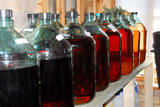 |
In der Umgebung von Cēsis, im Dorf Līvi stellen qualifizierte Handwerker Spirituosen her, darunter Schnaps, Liköre, Brandy mit ausgezeichneten Geschmackseigenschaften und schöner Gestaltung. Auch mit der Whisky-Produktion wurde begonnen. Für Liköre werden nur in Lettland gewonnene Pflanzen und Früchte verwendet. Dabei werden die Vitamine, Aromen und Farben einer jeden Jahreszeit kombiniert. Angeboten werden eine Führung durch den Betrieb, eine Erzählung über die Entstehung und Geschichte des „Gesundheitslabors“, eine Verkostung verschiedener Getränkearomen. |
|
 |
Bauernhof "Donas", Bäckerei vom ländlichen Brot
*Object Inactive*

|
Das Brot wird nach alten Traditionen gebacken: Am Anfang gärt der Teig im Backtrog, danach wird er gebrüht und geknetet. Dann werden Brotlaibe auf Ahornblättern geformt und in einen mit Holz beheizten Ofen gelegt. Jeder Besucher kann sein eigenes Brot formen und danach mit Milch und Honig aufessen oder mitnehmen. Hier werden noch andere ländliche Leckereien angeboten, z.B. 17 Käsesorten! Lettische Küche: Graupengrütze, geschmortes Kraut, ländliche Frikadellen, 21 Käsesorten, Milch, Honig, Kräutertees, ländliches Brot. Das besondere Gericht: Süßsaures Brot von Donas. |
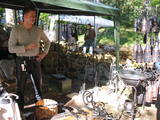 |
The workshop offers a look at lanterns, candelabras, hinges, fireplace tools, stair railings and gates that have been manufactured there, as well as several exhibits from the 18th century. You can produce your own nail, and the blacksmith will also “test” young couples. He also accepts orders for products. |
|
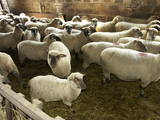 |
Auf den Feldern der Wirtschaft weiden mehr als 150 Schafe. Hier ist eine Station zur Mästung von Zuchtböcken gebaut worden. Hier werden Tierauktionen und Schaftage organisiert. Der Wirt leitet Führungen und bietet Zuchtschafe und Schafproduktion zum Verkauf. |
|
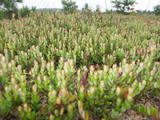 |
Im Moor von Laugas wurde zum ersten Mal in Lettland (1992) angefangen, großfrüchtige Moosbeeren zu züchten. Zurzeit wachsen hier sechs in Lettland gebildete Moosbeerensorten, darunter auch großfrüchtige Preiselbeeren – eine Kreuzung der amerikanischen großfrüctigen Moosbeere und der lettischen Preiselbeere. Hier werden Vorlesungen, Beratungen, Führungen im Moor von Laugas, der Erwerb von Moosbeeren und Produkten aus Moosbeeren, sowie Moosbeeren-Rasenstücke angeboten, die Beeren bringen. |
|
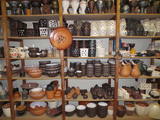 |
This old brickmaking kiln is used to prepare clay that is used by many ceramics artists. The owners also produce handmade household and design objects. Tours are available with attractive stories and creative workshops. Individual orders are also accepted. |
|
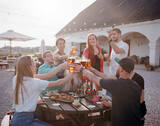 |
Die alten Traditionen der Valmiermuižas Gastfreundschaft fortführend, laden die neuen Besitzer der Brauerei ein das Landgut mit Umgebung und Brauerei kennenzulernen! Hier wird den Besuchern erklärt und gezeigt, wie die reiche Geschichte von Valmiermuiža die Bierbrauerei beeinflusst hat, und wie man von natürlichen Rohstoffen langsam „lebendiges” Bier braut. Alle können erfahren wie man am besten Bier genießt um dessen richtigen Geschmack zu spüren, und was man am besten dazu isst. Eine Besichtigung ist jeden Tag möglich, mit vorheriger Anmeldung. Der Besuch und das Kosten dauert ungefähr 1,5 h. Das Wirtshaus "Valmiermuižas alus virtuve" popularisiert die Bierkultur in Lettland. Für die Vorbereitung von Mahlzeiten wird hier Bier als ein passender Bestandteil von Mahlzeiten verwendet. In einer für heutzutage charakteristischen lettischen Art werden von den lokalen Produkten Speisen und Bier-Vorspeisen vorbereitet. Im Sommer ist hier ein Biergarten geöffnet. Hier wird das Traditionelle mit dem Gegenwärtigen verbunden. Lettische Küche: Geräuchertes Schweinefleisch, Filet eines Zanders aus dem See Burtnieks, Püree aus grünen Erbsen. Als Beilagen: Preiselbeeren, Quitten, Kürbisse, Birkensäfte und Steinpilzsoße. Das besondere Gericht: Im unfiltrierten Bier des Winters gehaltene Schweinefleischscheibe. |
|
 |
The Muiznieki farm
*Object Inactive*

|
This is one of the largest farms in Latvia at which pedigreed goats are bred (more than 100 animals), and it also has state-of-the-art milking and milk storage technologies. You can go on a tour, encounter the animals, and taste and purchase goat cheese. |
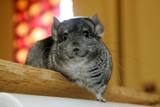 |
The owner of the farm offers attractive tours during which you will learn about chinchillas, animal enclosures, as well as quails which you can view and purchase. |
|
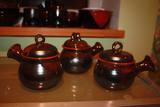 |
The craftswoman is prepared to offer practical activities which allow you to learn about clay, use a potter’s wheel, and release your inner creative abilities. After the firing of the products in a kiln, you will be able to take them along as a fine souvenir which confirms our newly discovered skills. The craftswoman also grows herbs and teas which you can sample. |
|
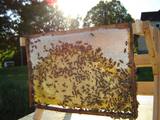 |
This family company offers high-quality and traditional beekeeping products in the Gauja National Park. There are some 110 hives of bees, and the products include honey, pollen, bee bread, wax and propolis. The owners also produce new and unprecedented products which satisfy the demand of clients for something that is unusual, but healthy. You can take a tour and purchase honey. |
|
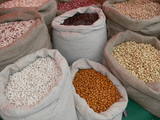 |
This market sells produces from local farmers and home manufacturers who offer traditional and seasonal food which they grow and prepare themselves. You can purchase vegetables, fruit, fresh and smoked meat, cheese, bread, country tortes, homemade wine and various household and gardening objects. |
|
 |
The Lejasvagali household farm
*Object Inactive*

|
This farm has the widest range of pumpkins in Latvia – as many as 80 different types. The owner will talk about how pumpkins are grown and how important they are for healthy nutrition. She offers products under the “Lucky Pumpkin” brand name – candies, nectar, mashed pumpkins, marinated pumpkins and marmalades. During the autumn there is an impressive exhibition of the various types of pumpkins. |
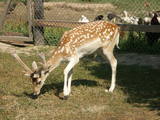 |
The owner will give you a tour during which you will see African ostriches, fallow dear, the Soay breed of sheep, exotic birds and fowl. You can establish contacts with the animals and purchase souvenirs. |
|
 |
The farm produces candies, marmalades, syrups and other goodies from quince. During the season, chicken eggs can be purchased. The farm has bred wild horses since 2002, and these can be viewed with the assistance of a guide. |
|
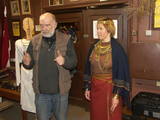 |
The blacksmith’s shop is found at the medieval Cēsis Castle. You can examine, order and purchase reproductions of ancient jewellery, watch the craftsman at work, hear a very attractive story about the history of jewellery-making, and try your own hand at the craft. |
|
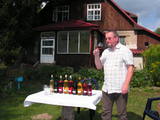 |
The owner of the guesthouse produces homemade wine from blackberries, black currants, lingonberries, oak leaves, birch sap, strawberries, gooseberries, apples, cranberries, cowslip, and 20 other raw materials. You can taste the wines, learn about how it is produced, and purchase some to take along with you. |
|
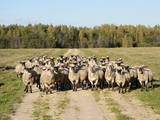 |
The farm, which has been developed around the servants’ home of the former Ķempēni Estate, breeds more than 200 Latvian dark-headed sheep. Visitors can purchase meat, wool and skins, also taking part in informational tours with tastings of various foods, as well as catching and tasting trout (this is available only to those who spend the night at the venue). |
|
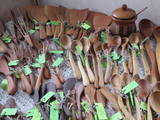 |
The spoon workshop offers useful objects such as wooden spoons, cutting boards, butter knives, pans, spatulas, etc. You can produce your own wooden spoon and look at finished spoons made of more than 17 different types of wood from Latvia. During the summer the owners offer “pancake tours” with tasty jams. You can purchase spoons and homemade wine. |
|
 |
The Vildeni farm
*Object Inactive*
|
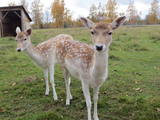
The farm has more than 20 types of chickens along with African ostriches, peacocks, pheasants, quails, turkeys, guinea fowls, peacock pigeons, other exotic birds, pygmy pigs, ponies, rabbits, marmots, fallow deer and various pets. Tours are offered, and eggs from the birds can be purchased during the appropriate season. |
 |
Open-air functional exhibition of medicinal plants introduces you to a “green pharmacy”. There are more than 300 different plants. Every healthy lifestyle enthusiast can find the secrets of fitotherapy and learn how to use the plants in many different ways – making sauna besoms, aromatic pillows, healthy teas, bath scrubs etc. |
|
 |
The non-traditional animal farm Ezerlejas
*Object Inactive*
|
The farm has large paddocks that are populated by fallow deer, mouflons, various types of goats, different kinds of pigs (including sheep pigs), peacocks, pheasants, various types of chickens and ducks, ostriches, etc. The owners offer tours, and during the season (V-X) you can purchase eggs and venison, form contacts with the animals, and purchase Latvian-made cosmetics at a little store which the owners have established. |
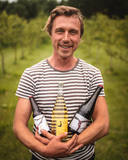 |
Abuls is one of the most experienced cider makers in Latvia. They craft artisanal cider near Smiltene, in Northern Vidzeme. Our Story Apples Ciders For Visitors Where to Buy |
|
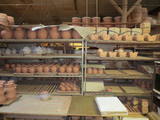 |
The ceramics workshop was opened in 1980, and red clay from Latvia is issued to produce various dishes and interior design objects. The workshop welcomes groups of tourists, as well as individual travellers. Guests are offered a tour with a story about the process, and you will be able to try your hand at producing souvenirs made of ceramics. |
|
 |
The creative workshop Ezerini
*Object Inactive*

|
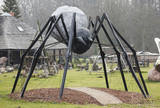
This workshop is in a lovely location, and you can commission and purchase interesting artworks made of various materials such as stone, glass and metal. The craftsman will demonstrate his work with glass and stone, also allowing you to take part in creative activities. |
 |
The owner offers tours of his beekeeping operation, with visitors wearing the necessary protective gear. You will learn about how honey is produced, watch a video, and be able to taste six or seven types of honey. If you wish, the owner will make pancakes for you. Products are available for purchase. |