
| Нo | Название | Описание |
|---|---|---|
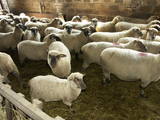 |
На полях крестьянсого хозяйства пасется более чем полторы сотни овец. Построена станция для кормления баранов, организуются аукционы животных и Дни овец. Хозяин проводит экскурсии, предлагает приобрести племенных овец и продукцию овцеводства. |
|
 |
Izcila lokveida taka (4,5 km), kuras lielākā daļa (koka laipas) ved pa Rīsas purvu (Riisa raba). No takas un divstāvīgā koka skatu torņa ir vērojami purva ezeriņi, lāmas, un purvaini meži. Ja nacionālā parka apskati sāk no ziemeļu puses, tad šī taka ir labs ceļojuma iesākums! |
|
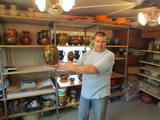 |
This potter upholds pottery traditions from the village of Silajāņi. He produces glazed and unglazed products such as dishware, candelabras, etc. You will hear attractive stories about pottery, be allowed to knead some clay and work on the potter’s wheel, and be able to tour an exhibition hall with samples of the master’s work, as produced over the course of the years. You can also commission and purchase products. |
|
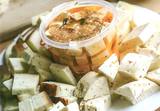 |
In der Käserei von Eleja kann man nach vorheriger Vereinbarung die im bäuerlichen Betrieb der Familie Malkalns hergestellten Käsespezialitäten verkosten (sieben Käsespezialitäten, auch geräucherter und gereifter Käse). Eine der Käsesorten ist französischer Käse, der in der Zusammenarbeit mit französischem Käsemeister Eriber entstanden ist. Kleine Gruppen können auch den Hof „Bludzi” (7 km von Eleja entfernt) in der Gemeinde Sesava besichtigen. Im Hof bäckt man Brot, verarbeitet Gemüse (Tomatensaft) und stellt andere ländliche Leckereien her. |
|
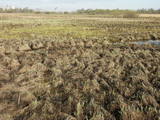 |
Natürliche Auenwiesen entlang der Ufer der Lielupe vor Jelgava. Viele geschützte Pflanzen findet man hier, Vögel nisten und rasten hier während des Vogelzugs.
|
|
 |
Medinski Vincīši boulder also called Magoņkalns (Poppy hill). Red rapakivi granite boulder is found
in the tree cluster only 40 m to the left of Jaunviļāni – Medinski road and about 40 m from the right side of
the river Malta. The boulder is 6,6 m long, 5,4 m wide and 3,3 m high. The circuit of the boulder is 20 m
and the volume 40 – 45 m3.
|
|
 11 Tagen
|
Um die Tour zu beginnen, steigen Sie in den Zug in Riga und fahren Sie bis zu der Stadt Liepaja, die die Reisenden mit breiten sandigen Stränden und lebhaften Cafés willkommen heißt. Die Tour führt durch Vorstädte von Liepaja und zu der ehemaligen Militärstadt, wo Sie eine orthodoxe Kathedrale, alte Befestigungen an der Küste, die ehemaligen Kasernen und einen eindrucksvollen Militärgefängnis besichtigen, das heute als eine Sehenswürdigkeit angeboten wird. Pavilosta ist eine kleine Stadt an der Küste, die von Windsurfern beliebt ist. Weiter führt die Tour an der malerischen Küste entlang, wo man unterwegs die Steilküste von Jurkalne besichtigen kann, und bis zu der sehr gut gepflegten Stadt Ventspils. Danach geht die Tour zu den Fischerdörfern, die das Zuhause der kleinen finnougrischen ethnischen Gruppe – der Liven – ist. Am Kap von Kolka trifft die Ostsee mit der Rigaer Bucht zusammen. Hier ist es ein Muss, die Vorort geräucherten Fische zu probieren. Weiter auf der Tour können Sie drei unterschiedliche Küstentypen besichtigen: die steinige Küste von Kaltene, die sandige Küste in dem Dorf Upesgriva und die Küstenwiesen in dem Dorf Engure. Die Tour endet mit der Besichtigung der Naturpfade des Nationalparks Kemeri und des Kurortes Jurmala. Danach kehren Sie in Riga zurück. |
|
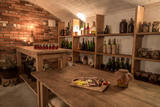 |
Die Gäste sind eingeladen den traditionellen, litauischen ethnographischen Keller zu besuchen. Hier wird die Verkostung von gepökeltem Speck aus eigener Produktion mit sauren Gurken aus ökologischem Anbau geboten, zudem kann man sich Frischkäse mit verschiedenen Beerenmarmeladen schmecken lassen und die ganze Sache mit auf dem Hof erzeugten Wein und Apfelwein abrunden. Im Angebot steht ferner Kräutertee aus Gemeinem Schneeball. |
|
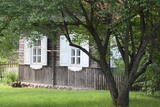 |
Vieta, bez kuras apmeklējuma nav iedomājama Dzūkijas vēstures un kultūras izziņa! Muzejs meklējams Marcinkones centrā, netālu no dzelzceļa stacijas. To noteikti ir jāiepazīst vietējā gida pavadībā, kas pastāstīs daudz interesantus faktus par dzūku tradīcijām un attiecībām ar mežu. Muzejā ir apskatāma dzīvojamā ēka ar ikdienas sadzīves priekšmetiem un rija, kas pārsteidz ne tikai ar savu plašumu, bet arī vairākiem interesantiem eksponātiem, no kuriem ir jāpiemin milzīgs sēņu grozs (tajā iegāja 110 kg gaileņu!), 750 gadus veca vienkoča paliekas, bitenieku un vietējo amatnieku instrumenti u.c. Rijā notiek ikgadēji ar dzūku kultūru un vēsturi saistīti pasākumi. Visbeidzot, te var iegādāties vietējos suvenīrus un medu. Ja ir vēlme iepazīt Marcinkones tuvāko apkaimi, ar kājām var doties pa 13 km garo Zackagira dabas taku (Zackagirio gamtinis takas). |
|
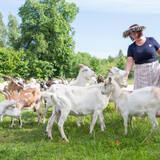 |
Ein lettischer Hof, auf dem ung. 50 Ziegen weiden. Exkursionen und Erwerb von Käse. Käse kann man auch auf dem Markt von Straupe kaufen. |
|
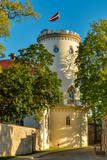 |
Cēsis is in the centre of the Gauja National Park, but it is not part of the park as such. There are many interesting places in Cēsis to visit and examine. The oldest part of the town is of key interest. The origins of Cēsis can be found at Riekstu hill, which is 18 metres high. Between the 11th and 13th century, there was a wooden castle here built by the Vendians. The hill is in the central part of the castle park, and it offers a good view of the park, pond and the ruins of the Cēsis castle, which can be accessed via a long cascade of stairs. The Cēsis castle (see below) was built in the early 13th century as a residence for masters of the Livonian Order, and it was one of the strongest fortresses in the Baltic territories. Alongside it is the New Cēsis castle, which was built in 1777 where the gate fortifications once stood. The Cēsis Museum of History and Art is in the building, alongside which is a visitors centre and the Cēsis Tourism Information Centre. From the tower of the castle, there is a fine view of the castle ruins, St John's Lutheran church and the northern part of the town. Opposite the New Cēsis castle are stables and a wheelhouse (both from the first half of the 19th century). The Cēsis Exhibition Hall is there today. You can look at the exteriors of the granary, the hut for coachmen, and the old brewery. On the other side of the street is the romantic Maija park, which was installed in the 1830s. The park is popular among parents with children, because there is a playground there. From this area, you can walk down some of the old streets of the town – Lielās Katrīnas, Mazās Katrīnas, Mazā Kalēju, Kalēju and Lielā Līvu streets, plus Līvu Square. The wooden buildings along the streets date back to the late 18th and early 19th century. Torņa Street, which weaves its way along the defensive walls of the Medieval castle, offers a look outside the church of a sculpture by Matiass Jansons, "As the Centuries Pass". Legend says that if you rub the lantern carred by the Old Man of Time, you can see the future. One of the most impressive buildings in Cēsis is St John's Lutheran Church, which was built in the late 13th century for the Livonian Order. It is a basilica built in the Roman style and with Gothic elements. The tower, which is 65 m high, was built in 1853. The building was reconstructed several times during the 20th century. Inside the building are grave epitaphs for masters of the Livonian Order and for bishops. The pulpit was installed in 1748, the oak altar followed in 1858, and the altar painting "The Crucified One" dates back to 1862. The stained glass windows around the altar are of great artistic value. The organ was built in 1907 by the E.F. Walker Company, and the instrument is one of the best concert organs in Latvia. A sun clock featuring the year 1744 is at the south-western corner of the church. It is worth climbing the church's tower. At the foot of the building is Rose Square, which began as a market square in the mid-19th century, remained in place until 1927, and was restored in 2008. This is the central square in the town today. During the Medieval Era, there were stockades here, along with the city's well. Rīgas Street has been the main street of the old town from the very beginning, and it is here that you will find the most architecturally outstanding buildings in town from the 18th and 19th centuries. They include the former Cēsis City Hall, the Fābers building, and the Princess building. At one end of the street is Līvu Square, where, during the 13th century, there was a church, a cemetery and a gate in the town walls. Today the square features a lighted fountain which is on the site of a 13th century well known as Lejas Šķimbēgs. At the other end of the street is a reconstruction of the foundations and surface elements of the Rauna gate that was a part of the town walls in the 14th and 15th centuries. The site offers a good idea about Medieval fortifications and the size and mightiness of gates therein. |
|
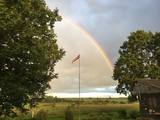 |
This farm is run by a young family which left the hurly-burly of
|
|
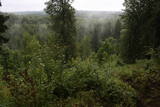 |
At the highest point of Krievkalni (149 metres above sea level), there is a good location for relaxation which offers an impressive view toward the East.
|
|
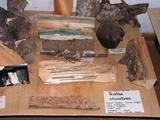 |
The Lejas Kleperi farm straddles the boundary between the Cēsis and Valka Districts. The farm is 119.4 hectares large, with 86.1 hectares of forestland. The farm’s work is centred on forestry. In 1992, a private museum of farming and forestry equipment was set up in one of the residential buildings. The museum’s collection is constantly being updated.
|
|
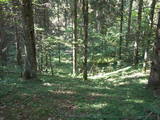 |
Bejas meža dabas liegums veidots no reljefa viedokļa - interesantā, pauguru un starppauguru ieplaku saposmotā teritorijā, kuru klāj vecs un varens egļu mežs. Bejas mežā atrodas viena no Alūksnes rajonā vairākām "Velna pēdēm" - dziļa, krāterveida ieplaka, ko veidojis kūstošais ledājs.
|
|
 4 Tagen
|
Eine professionelle landwirtschaftliche Tour, auf der man die modernsten Wirtschaften kennenlernen kann, die Getreidepflanzen produzieren und der Region Zemgale charakteristisch sind. Tag zum Kennenlernen, an dem ein Treffen mit Fachleuten des Ministeriums für Landwirtschaft der Republik Lettland und den Vertretern der nicht staatlichen Organisationen für Landwirtschaft organisiert wird. Besichtigung von Riga (UNESCO Kulturerbe) – der Hauptstadt Lettlands, sowie des Zentralmarktes (einer der größten Märkte des geschlossenen Typs in Europa). Besuch eines Geschäftes für gesunde Lebensmittel. Abendessen mit dem Genuss von traditionellen lettischen Gerichten und Biersorten. Am nächsten Tag fahren wir nach Jelgava, wo in dem im 18. Jh. gebauten Schloss des Herzogtums für Kurland und Semgallen (der Regionen Kurzeme und Zemgale) ein Treffen mit den Lehrkräften der Lettischen Landwirtschaftlichen Universität stattfindet. Besuch einer Bäckerei, wo aus biologisch angebauten Produkten Brot gebacken wird. Als nächste ist eine Wirtschaft, wo Pflanzenzucht mit Tierzucht und Biogasherstellung verbunden sind und wo ein künstliches Feuchtgebiet eingerichtet ist, das Abflusswässer reinigt. Abendessen an einem modernen Erholungskomplex. Am nächsten Tag fahren wir zu einer der größten multifunktionalen Wirtschaften der Region Zemgale, die sich auf die Gebiete Pflanzenzucht, Tierzucht, Pferdezucht und Biogas- und Bierherstellung spezialisiert hat. Danach folgt der Besuch der größten und technologisch modernsten Wirtschaft für Zucht von Getreidepflanzen. Am Nachmittag besuchen wir das bekannteste Schloss im Baltikum – das Schloss von Rundāle (auch Ruhenthal), das als die Sommerresidenz des Herzogs von Kurland Ernst Johann von Biron laut dem Projekt des bekannten italienischen Architekten Francesco Bartolomeo Rastrelli gebaut wurde. Das Abendessen genießen wir in einem Komplex, den eine historische Windmühle mit einer Ausstellung bilden, die dem Thema Getreidebau gewidmet ist. Am Morgen des vierten Tages besuchen wir eine Wirtschaft für Getreidebau, die Samen züchtet, und danach eine Biowirtschaft, die Weizen, Gerste, Erbsen, Bohnen, Raps, Gewürzpflanzen und Kräuter für Tees anbaut. Hier wird ein Mittagessen auf einem ländlichen Hof angeboten, das aus selbstangebauten Körnern und grob gemahlenem Mehl vorbereitet ist. Rückkehr in Riga. |
|
 |
Produktu izgatavošana no ārstniecības augiem - tējas, sīrupi, augu pulveri, ziedes. Pakalpojumu piedāvājums - ekskursijas, radošās darbnīcas, meistarklases, pirts. |
|
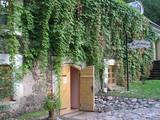 |
Das Café befindet sich im Keller des Museums der Schriftstellerin Anna Brigadere. Außenterrasse. Hier werden Partys zusammen mit den guten Hexen des Naturparks von Tervete und Fahrten mit einem Pferdewagen oder Pferdeschlitten angeboten. Lettische Küche: Schweinerippen in Honigsoße, Pfannkuchen mit Marmelade, Pilzsoße. Das besondere Gericht: Bärentatze. |
|
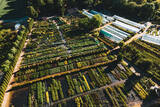 |
Eine der reichhaltigsten Baumschulen in Lettland, die zudem auch noch reich mit natürlicher Schönheit gesegnet ist. Hier werden über 1000 verschiedene Arten, Sorten und Formen angeboten. Führungen durch Laub- und Nadelbäume, Ziersträucher, Hecken, Kletterpflanzen, besonders gepfropfte Bäume und Sträucher, die man allesamt auch kaufen kann. Ein sehenswertes Dendrarium (Schaugarten), Beratungen. |
|
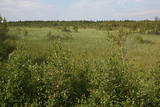 |
There is no need to enter the bog to see it, there are good views from the highway Ventspils – Riga (77 km, bus stop “Pagrieziens uz Elkskeni”). The main value of restricted area is chalky fen bog with brown bog-rush (greatest habitat finding in Latvia). Be careful when stopping on the highway – mind the traffic! A couple of kilometers towards Riga, on the right side of the highway, there is sign to Grizu Velna kresls ( Grizu Devil Chair) which is an attractive boulder (protected).
|
|


