
| No | Name | Description |
|---|---|---|
 |
This homestead on the banks of the Rauna River breeds various kinds of fish. During the winter, you can fish for various salmon-type fish, and in the summer you can fish for sturgeon, blue-char, tilapia and trout. You can purchase fish, and tastings are available for groups of visitors. Sillakas is approximately 3 km from Liepasmuiža. |
|
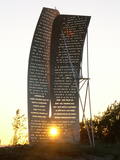 |
In Ošvalki, which is between Jūrkalne and Sārnate, there is a commemorative sign, “Sail of Hope,” which commemorates Latvians who sought to cross the Baltic Sea to Sweden during the latter period of World War II in 1944 and 1945. The sign is in the dunes between the road and the sea. |
|
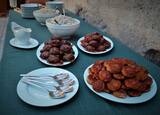 |
Rekovas dzirnavas ir unikāla vieta pašā austrumu pierobežā. “Pirmajā stāvā bija miltu malšana un otrajā stāvā apstrādāja vilnu. Dzirnavas pastāvēja līdz 1980.gadam. Vēlāk ēka nevienam nepiederēja, lietus ietekmē iebruka jumts un faktiski viss bija sadrupis. 2016.gadā zemnieku saimniecības “Kotiņi” saimniekam Aldim Ločmelim radās iespēja iegādāt ēku un saliekot galvas kopā, radās ideja, ka ēkā varētu būt vietējās produkcijas veikaliņš.” Majestātiskā trīsstāvu pamatīgu laukakmeņu mūra ēka, kas atrodas pašā Balvi-Viļaka ceļa malā, ir sākusi dzīvot jaunu dzīvi, kur ikvienam ir iespēja nobaudīt vietējo Latgales produktu garšu dažādā izpildījumā. Dzirnavu saimniece - viena no īstajām latvju saimniecēm Vija Kuļša uzņem tūristu grupas, kurām piedāvā nobaudīt vietējo Latgales produktu garšu dažādā izpildījumā. Ēdienkarte sastāv no piedāvājuma vegāniem, veģetāriešiem un klasiskās ēdienkartes. Viena no galvenajām ēdienu sastāvdaļām ir zs “Kotiņi’’ ražotā produkcija. Ir iespēja pieteikt un darboties arī Meistarklasēs. Tiek piedāvāvāts ēdiens no linsēklām, linu eļļa, dažādi salāti, ko var gatavot ar linu eļļu. Linsēklas izmanto pašu ceptā maizītē, sāļajā baltmaizē ar linsēklām. Linsēklas Rekovas dzirnavu ēdienkartē ir tikai viena no izejvielām, bet tieši tās ir centrālais varonis jaunajā Ziemeļlatgales kultūrvēsturiskā tūrisma piedāvājumā “Linu ceļš Ziemeļlatgalē”. |
|
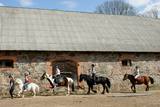 |
Sēlijā, Zasas muižas parkā, atrodas “Bērzzemnieki”, kur saimnieko Kalnāju ģimene. Atjaunojuši vēsturisko māju un ieveduši staļļos zirgus, ģimene sniedz viesiem iespēju iepazīt zirgus, piedalīties dažādos ikdienas darbos un doties izjādēs, kā arī nakšņot “muižiņā”. |
|
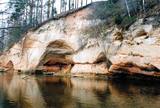 |
This is one of the most beautiful ancient river valleys in Estonia – 12 km long with nearly 40 revealed Devonian sandstone cliffs. Among these, the most important ones are Viira müür, Kalamatu müür, and Põdramüür.
|
|
 |
A former manor barn, located by the lake in Raiskums, 8 km from Cēsis, where bread and beer is made. Offers beer brewed according to ancient traditions, bread and smoked meat prepared following the recipes of ancestors. Bread is cooked in a wood oven with natural sourdough. The special taste is obtained in the wood-fired beer brewing pot and old countryside bread making oven. Guided tour and tasting. |
|
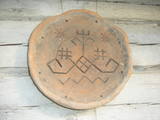 |
This is a unique exhibition of woven chairs, chair-making instruments, photographs, and other objects related to chair-making traditions from the late 18th to the mid-20th century. Ceramicist Īrisa Vainovska will talk about the pottery arts, offering decorative plates, interesting wind pipes and souvenirs. |
|
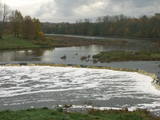 |
The recently renovated old brick bridge and the viewing area that is on the left bank of the Venta beyond the castle guard’s hut offers a lovely view of the widest and most impressive waterfall in Latvia – the Venta falls. It is worth visiting during the spring floods, when fish are migrating.
|
|
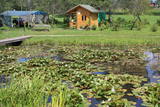 |
On the edge of the Bērzkrogs-Madona road in the centre of Vecpiebalga, you will find a pond full of various types of water lilies of different colours. The owner will tell you all about the popular folk song about water lilies from Vecpiebalga, offer plants for sale and offer practical advice. The pond also has carp which children can feed by hand while their parents are listening to the stories. |
|
 |
"Gusts Apinis" is located in Vidzeme highlands, Amata region. The company is unique in that it grows non-traditional crops in Latvia: quinoa, amaranth, millet, lentils, etc. Produces flour and pasta (buckwheat, buckwheat-quinoa) from grown products. |
|
 |
Located in the Mežotne Castle, the saloon offers fine and tasty dishes and beverages. Tours of the ornate castle are available, and the location has one of the loveliest English-style landscape parks in Latvia. Latvian cuisine: Potato pancakes, rolled marinated herring, trout with potatoes in their jackets, blood sausage with lingonberry sauce, grey peas with bacon, stacked rye bread with cranberry jam and whipped cream. Special foods: “Bauska Thaler” – pork in the form of a thaler with a sauce made with Bauska beer. |
|
 |
Saimniecība "Baltiņi" atrodas Auces novadā un nodarbojas ar lopkopību un lauksaimniecību. Viesiem ir iespēja redzēt un izzināt piena ražošanas procesu, kā arī iepazīt saimniecības dzīvniekus. Saimnieki piedāvā apskatīt padomju laiku auto kolekciju, pieejama arī suvenīru un trauku kolekcija ar govs motīviem. |
|
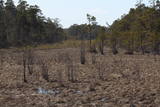 |
The Kurzeme Peninsula has the largest landscape of hillocks and valleys in Europe in the shoreline segment from Melnsils and Kolka to Oviši and Liepene. It is a unique landscape in Latvia, and part of it is in the Slītere National Park. The Pēterezers Nature Trail offers the best chance to look at the landscape. There are hillocks and valleys elsewhere, too – near shoreline villages where the Kukšupe valley (one of the longest ones – 8 km in all) is crossed by the Ventspils-Kolka highway, as well as near Apakšceļš. The only thing is that you need to learn how to spot the areas out in nature. |
|
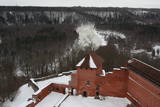 |
Den Bau der Burg von Sigulda begann der Schwertbrüder-Orden (Brüder der Ritterschaft Christi von Livland) im Jahre 1207, 1236 wurde sie für die Bedürfnisse des Livonischen Ordens umgebaut.Die Burg von Sigulda nahm schweren Schaden in den Kriegen Ende des 16., Anfang des 17. Jh. Im Nordischen Krieg wurde sie heruntergebrannt und weiter nicht mehr aufgebaut. Heute kann man den südlichen Korpus der Konventgebäude der Burg und den Turm am Haupttor besichtigen, hinter dem sich die innere Vorburg und eine Freilichtbühne befinden. Von dort aus hat man einen eindrucksvollen Blick auf das alte Flusstal der Gauja. Südlich davon ließ der russische Fürst Kropotkin von 1878 -1881 das neue Schloss von Sigulda erbauen. Von 1923 bis 1940 beherbergte das Schloss den Schriftstellerverband, in der Sowjetzeit ein Kardiologie – Sanatorium. Seit 2003 hat der Stadtrat von Sigulda hier seinen Sitz. Vom Schloss-Ensemble sind heute ein Wohnhaus aus Holz, in dem die Familie Kropotkins lebte, eine Scheune (aus der Jahrhundertwende 18./19. Jh.), ein Gartenhaus und eine Mauerumzäunung aus dem 19.Jh. erhalten. Wenn man sich vom neuen Schloss in Süd-Ost Richtung begibt, gelangt man nach etwa 2km zum Graben des Vējupīte (Windflüsschen). Dort kann man die nicht sehr tiefe (3,6m), aber hohe (6,1m) Pētera ala (Peterhöhle) und den tiefen Pūču grava (Eulengraben) mit dem Kraukļupīti (Krähenflüsschen) sehen. An der Stelle, an der die Gräben der beiden Flüsschen aufeinandertreffen, erhebt sich der Satezele-Burghügel (Satezeles pilskalns) mit einer Fläche von 90m x 75m, wo sich im 13. Jh. die Eichenholzburg des Ältesten von Livland – Dabrelis befand. Nicht weit davon ist die Kraukļu aiza (Krähenschlucht) – ein Graben am linken Ufer des Vējupīte – Flüsschen mit 11m hohen Sandsteinwänden und der 5,2m tiefen Kraukļu ala (Krähenhöhle). |
|
 |
Die Wirtschaft Joži kann man in Jaunpils, am Rande der Straße Jaunpils – Viesata finden. Diese Wirtschaft ist eine der größten Wirtschaften für Getreidepflanzen (Wintergetreide, Sommergetreide und auch Rapse) in Lettland, deren Anfänge Ende der 1980er und Anfang der 1990er Jahre zu finden sind. Zurzeit befinden sich in der Wirtschaft 14 Getreidetürme und eine Rekonstruktion erlebt das Darrhaus. Insgesamt werden 5000 ha bewirtschaftet, ein moderner Park mit landwirtschaftlicher Technik ist gebildet worden. Die Wirte Guna und Gunvaldis Sproģis nehmen aktiv an verschiedene EU-Projekte teil. Gewinner und Preisträger von verschiedenen Wettbewerben. |
|
 |
The LLC Arosa-R is a family enterprise which specializes in growing large-fruited bilberry-bushes and their saplings, as well as selling those. |
|
 |
Der Apfelweinbetrieb Tori befindet sich auf dem authentischen Bauernhof Soomaa, wo Apfelbäume und Weinstock angebaut und aus der eingebrachten Ernte Wein und Apfelwein hergestellt werden. Im Betrieb werden die Gäste in die Geheimnisse des guten Apfelweins und Weins sowie Besonderheiten des Weinbaus im Norden eingeweiht. Außerdem wird Essen angeboten und werden Verkostungen veranstaltet. |
|
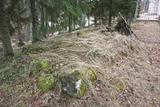 |
Diese Grabstätte ist ein mit Sagen und Spukgeschichten umwobener Ort, der sich auf dem Hügel des alten Friedhofs an der Kirche von Mazirbe befindet. Die Grabstätte ist mit Steinen bedeckt und soll die einzige in Lettland bekannte Grabstätte eines Werwolfs sein. |
|
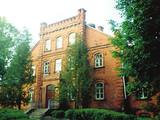 |
Rikavas Manor is the local architectural monument that belonged to Janovski family. Michael Riks
bought the building in the second half of the 18th century. The construction works of the manor house lasted
from 1870 till 1875. The redbrick building is an example of Neo Gothic style. Since 1926 there was established
a school. You should see the beautiful interior and wooden stairs as well as school’s workshop
|
|
 |
Die Bäckerei befindet sich am Rande der Hauptfußgängerstraße. Hier werden Speckpiroggen, Quarkbrötchen, Zimtbrötchen, Kringel und Torten gebacken und die Miete von Vintage-Fahrrädern angeboten. |
|


