
| Nr | Nosaukums | Apraksts |
|---|---|---|
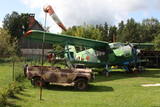 |
Vienīgā Latvijas kafejnīca, kurai ir ļoti neparasts - militārās tehnikas un citu atribūtu, t.sk. - Padomju armijas interjers. Arī tās dārzā ir apskatāmi interesanti eksponāti - artilērijas šāviņi, lidmašīna, kara automašīnas u.c. Tiešām vērts ieiet un izdzert kafiju.
|
|
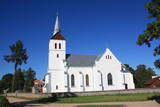 |
Saulainā laikā spilgti baltā celtne, kas atrodas ciema dienviddaļā, pamanāma jau pa lielāku gabalu. Pirmo koka baznīcu sv. Pētera un Pāvila godam šeit 1759. g. uzcēla jezuīti. Mūsdienās redzamā baznīca ir tapusi gandrīz pusotru gadsimtu vēlāk - 1893. g. Dievnams no iekšpuses apskatāms dievkalpojuma laikā. Baznīcas dārzā apbedīts lietuviešu izcelsmes garīdznieks un koktēlnieks Antons Rimovičs (1865. – 1933.). Iepretim baznīcai atrodas draudzes nams. |
|
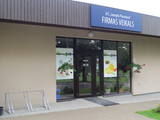 |
„Jaunpils pienotava” darbojas jau vairāk nekā simts gadus (kopš 1912. g.) un siera meistari te ražo puscietos sierus, mīkstos sierus, biezpienu, krējumu, desertus u.c. piena produktus. Ražošanas procesā izmanto tikai Latvijas zemnieku pienu. Produktus eksportē uz vairāk nekā 17 pasaules valstīm. „Jaunpils pienotavas” produkciju var nopirkt uzņēmumam blakus esošajā veikalā. |
|
 |
Neliela upīte ar dziļu, bet plašu ieleju, ko šķērso Vecumnieku – Ilūkstes ceļš. Vilkupes vārds saistās ar Kurzemes hercoga Jēkaba ambiciozo plānu savienot Daugavas un Lielupes baseina upes. Savienojošā kanāla darbi tika uzsākti, taču projekts tā arī dzīvē pilnībā netika īstenots. Vilkupe šajā plānā bija domāta kā viena no kanāla „sastāvdaļām”. Šeit ir vērts padomāt par radoša viduslaiku cilvēka ideju mērogu un inovācijām. Kanāla fragments atzīmēts un apskatāms nepilnus 4 km no apdzīvotās vietas ar nosaukumu Vilkupe.
|
|
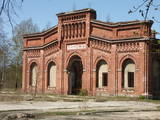 |
Liepājas cietokšņa ziemeļdaļa ietver Karostu, kas pēc Latvijas neatkarības atjaunošanas kļuva par atvērtu teritoriju. Ziemeļu forti, krasta aizsardzības baterijas, Sv. Nikolaja pareizticīgo Jūras katedrāle, ūdenstornis, Manēža, Karostas cietums, Ziemeļu mols un Oskara Kalpaka izgriežamais tilts. |
|
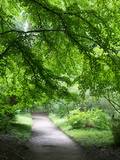 |
Established: 1931. The arboretum was set up at the suggestion of Latvia’s distinguished author Anna Brigadere. After her death and until 1935, the arboretum was supported and expanded by book publisher Jānis Rapa. There are some 180 foreign trees and shrubs of various kinds here. Some of the plants are outside the arboretum itself.
Unique plants: The Bunge’s Ash (Fraxinus chinensis), the Eastern Black Walnut (Juglans nigra), the American Buckeye (Aesculus glabra), the Smoketree (Cotinus coggyria), the White Mulberry (Morus Alba), and the Kentucky Yellowwood (Cladrastis kentukea).
|
|
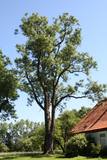 |
A very beautiful and expressive tree, it is found on the land of what was once the Vīceži Semi-estate.
|
|
 |
The beer cellar Mara is situated in Talsi. Number of seating places: 100, in the summer season: 200. Working hours Mon-Sun: 11:00 - 23:00; from May to September beer garden: 10:00 - 02:00 |
|
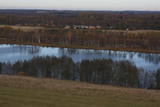 |
This is the most visually impressive drumlin field in the Baltic States, and it is close to the village of Tabivere. The drumlins were established by ice glaciers, and they point in the direction in which the ice moved long ago. In terms of their appearance, the drumlins resemble loaf-shaped hillocks. From their “backs,” there are lovely views of the local landscape and the lakes that are around the area. The visitor centre is in the village of Äksi.
|
|
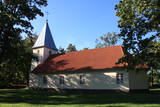 |
according to legend, was washed into the sea because of collapsing shores along with other buildings and the old road. The church was built in 1862 and has an altar painting from the late 19th century, "Mother of God," along with an organ. The metal elements of the building's doors are interesting. Hanging from the ceiling of the church is a sailing ship that has to do with the rescue of the crew of the sunken ship. |
|
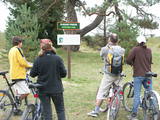 |
Ein Rundweg für Wanderer und Radfahrer, der im Ort Vaidava beginnt und am Ostufer des Sees von Vaidava entlang führt. Die Route führt über den Welkenhof (Veļķu Muiža), die schwedischen Kiefer, den Burghügel von Vaidava, verschiedene Quellen, den Findling von Rubene, den Weidauer Hof (Vaidavas Muiža) am Westufer und endet am Ausgangspunkt.
|
|
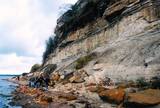 |
Bis zu 30 m hohe Kalk- und Sandsteinfelsen an der Küste des Finnischen Meerbusens. Ein Aussichtsplatz. |
|
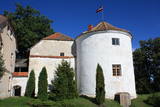 |
Alsunga wurde ursprünglich als Region Bandava schon 1230 in einem Vertrag des päpstlichen Gesandten mit dem Stamm der Kuren genannt. 1341 war Alsunga (deutsch: Alswangen, Kurisch: alšu vanga = Erlenlichtung) als „ein festes Haus“ benannt, 1372 begann der Bau einer aus Steinen gemauerten Burg in Form eines Vierecks, in dem der Fürst des Livonischen Ordens lebte, der dem Komtur von Kuldiga unterstand. Anfänglich wurde der östliche Korpus als Wohntrakt genutzt, der südliche als Wirschaftsflügel. Später, im 15. – 18. Jh. entstanden die Wehrtürme und die übrigen Teile des Schlosses. Die Ausmaße des Schlosses im Barockstil waren eindrucksvoll genug. Heute beherbergt es die Stadtverwaltung, ein Museum, ein Touristeninformtionszentrum und noch weitere Einrichtungen. |
|
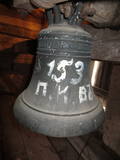 |
Eine 1651 gebaute Kirche wurde mit Pausen während des Halbjahrhunderts gebaut. Die ist voll umgebaut und heutige Ansicht erhielt 1876. In der Kirche befindet sich ein der bedeutendsten sakralen Einrichtungsgegenstände Lettlands – die älteste im Stil des Manierismus errichtete Kanzel Lettlands (1590) und die im 19. Jahrhundert eingestellte Kapellenglocke einer zerstörten Ritterburg (1450), die die älteste Kirchenglocke Lettlands ist. Das vom deutschen Meister F. Wolf geschaffene Altarbild “Christus am Kreuz” sowie der Altar sind vor kurzem renoviert worden. |
|
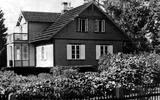 |
Reinis Kaudzīte, co-author of the first Latvian novel “Times of the Land-Surveyors” (“Mērnieku laiki”) stayed in Pēterupe Village from 1913. |
|
 |
Das Mühlenrestaurant Saaremaa ist ein Restaurant mit den beliebtesten Geschmäcken der Einwohner von Saaremaa und bietet die besten und frischesten Produkte an. In der Speisekarte findet man Wildfleisch aus den Wäldern von Saaremaa, im Sommer auch geräucherte Fische, Beeren-Dessert, lokalen Apfelwein sowie die besten Weine aus der Insel Saaremaa. |
|
 |
Die Familienbrauerei befindet sich ganz im Herzen von Mulgimaa, hier werden die örtlichen Speisen und Getränke hoch geschätzt. Die Besucher können den Brauvorgang beobachten sowie verschiedene Mulgi Biersorten probieren. |
|
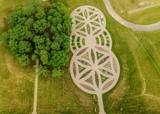 |
2014 wurde unter Vermittlung des Botanischen Gartens der Universität Šiauliai ein Museum mit den genetischen Ressourcen der baltischen Kräuter angelegt. Den Besucher erwartet ein 85 m langes und 40 m breites Gelände mit einer Fläche von 0,34 ha. |
|
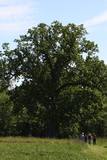 |
The tree is on the side of a hillock, and its visible roots are unusually huge.
|
|
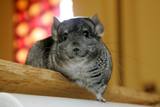 |
The owner of the farm offers attractive tours during which you will learn about chinchillas, animal enclosures, as well as quails which you can view and purchase. |
|


