
| No | Name | Description |
|---|---|---|
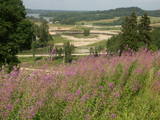 |
Latvia’s highest hill is the second highest in the Baltic States, but alas, it has only a wrecked viewing tower, so you’ll have to look for the best views on your own. You’ll find some around the tower and the ski trails, particularly Large and Small Golgotha. It is worth hiking the Gaiziņkalns nature trail.
|
|
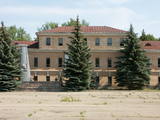 |
1275 is considered as a year of foundation of Daugavpils. This is the time when the Master of Livonian Order Ernst von Ratceburgs built Dinaburg castle at the Naujene hill fort. It suffered several Lithuanian and Russian invasion until in 1577 the castle was destroyed by Russian troops under the command of Ivan the Terrible. After this event Dinaburg was restored 17 km further on the right bank of the river, where now the town of Daugavpils is located. From 1810-1833a new fortress was built. In 1826 started the building of what is now the historic centre of the town. During the World War I the major industrial companies with workers were evacuated to Russia. During first Latvian Republic, the cultural life in Daugavpils flourished. Most part of the town was destroyed during World War II – in the July of 1944. Nowadays the town is the second largest town in Latvia and is an important economical centre of Latgale historic region. Restoration of Daugavpils Fortress was launched recently; this project can be considered as a unique on the European scale. |
|
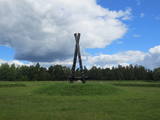 |
Not far from the Rīga ring road on the Right Bank of the Daugava is a monument designed by the sculptor Ģirts Burvis in 1994, which is dedicated to the Livs of the Daugava region and their Mārtiņsala leader, Ako, who led a battle against the Holy Crusades in 2016. Around the monument is a large area for leisure and perambulations. This is one of the loveliest locations in the lower reaches of the river. A bit further along are information stands about the history of the banks of the river before the construction of the Rīga hydroelectric power plant. |
|
 |
The “Lamb Club” is a farm in Mazsalaca, and it is special because the sheep live in a real club! The owners offer the atmosphere of a farm at which the sheep play major roles. Enjoy mutton and sheep milk foods and beverages, feel how comfortable it is to read your favourite while sitting on a fluffy sheepskin, and, in order not to get cold by the campfire in the evening, you can purchase warm woollen socks and woven woollen cloaks. The owners hope that people from Latvia and all around the world will spend more time at the farm, because accommodations involve a new glamping tent that is as close as possible to nature and the healthy rural environment. Don’t lose a lick of the comfort that you are used to in your everyday life! The owners, Ilze and Valters, will be happy to give you a tour during which they talk about herding sheep. If you contact them in advance, they will prepare a tasty mutton meal for you. The tour can also be supplemented with various activities such as games, quizzes and creative workshops at which sheep wool is utilised. |
|
 |
This is a site where you can try out ancient weapons – bows and crossbows (a reproduction of items from the 14th and 15th century), throwing an axe (replicas of German axes from the 13th century), and spears. Once you’ve learned how to handle those weapons, you can also forge a copy of a Medieval coin. You can try on copies of armoured caps and gloves and have your picture taken with a sword or battle axe. For larger groups, the enterprise will organise ancient sports and table games.
|
|
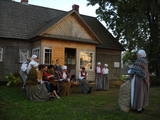 |
Latgalisko tradīciju un prasmju māja “Ambeļu skreine” ir latgalisko vērtību glabātāja un popularizētāja. Interesentiem tiek piedāvātas interaktīvas aktivitātes latgaliešu kultūras garā, dažādas meistarklases. “Ambeļu skreinē” tiek svinēti gadskārtu svētki un izkoptas dažādas amatu prasmes. Te notiek danču vakari, dziedāšana, zīlēšana, tiek cepta maizīte, siets siers un tiek veidotas tautas lietišķās mākslas izstādes. No mājas paveras brīnišķīgs skats uz Višķu ezeru un Latgales krāšņajām dabas ainavām. |
|
 |
Alises Zariņas bioloģiskā saimniecība nodarbojas ar kazkopību. Pašlaik ir divdesmit slaucamas kazas un no to svaigi slauktā piena tiek gatavots siers. Saimniecība dibināta 2015. gadā. |
|
 |
SIA "3x9 zālītes" piedāvā ļoti plašu klāstu zāļu tējas un to maisījumus. Zālītes ievāktas Vecpiebalgas novadā, ekoloģiski tīrās pļavās un mežos. Zālītes vāktas atbilstoši dabas ritmam un mēness fāzēm. Kaltētas dabīgos apstākļos, saglabājot zālīšu vērtīgās vielas, smaržu un garšu. |
|
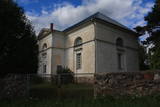 |
Atrodas Lielajā ielā 34 a. Vēlīnā klasicisma stilā celtā baznīca pēc muižnieka Nikolausa fon Korfa ierosmes būvēta laikā no 1828. - 1830. gadam. Dievnams ir interesants ar to, ka tajā apskatāms Vidzemes sakrālmākslā rets altāra tips – kancelaltāris (kancele un altāris ir apvienoti arhitektoniski vienotā mākslinieciskā kompozīcijā). |
|
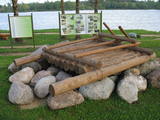 |
Plavinas and Stukmani region was inhabited already in the third century. During the Polish-Swedish War (1600-1629) at estuary of Aivekste in the Daugava River the Swedish war camp was formed, from which are preserved fortifications - bastions. They are one of the most impressive military formations of this kind in Latvia. Plavinas as a larger populated area started to develop in the nineties of the 19th century and in the beginning of 20th century after the construction of railway. Today Plavinas are more commonly known with dolomite production sites and spring flood area. |
|
 |
The museum offers information about local manufacturing traditions, as well as products from SIA Naukšēni – various oils (made of rapeseed and hempseed), ten non-alcoholic beverages (kvass, mineral water), as well as tastings of homemade wine. Some of the products can be purchased. |
|
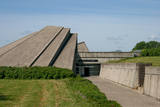 |
Ein am Ende des 19. Jh. gebautes Teil der Festung. Ein Museum, das Verbrechen totalitäre Regimes gegen Menschlichkeit wiederspiegelt. |
|
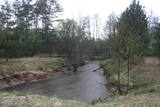 |
Nature restricted area is located to the South from former railroad Ventspils-Liepaja and includes approximately 6 km of Uzava River (and the old drainage system). The territory was used for agriculture during Soviet time, now it starts overgrow by scrubs. The protected nature values – rare bird species, including corncrakes, variety of grassland habitats and plant species. Territory is not useable for tourism activities. There is a possibility to get good insight into the North part of restricted area from the road Alsunga – Berzkalns where information stand is located.
|
|
 |
The fisherman’s homestead that is alongside the Kolka Lutheran Church offers a look at how fish are smoked and prepared. You can taste the fish and purchase fish that were caught in the sea (mostly plaice). |
|
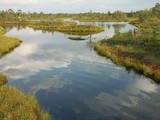 |
The Ķemeri National Park was established in 1997 and mostly involves wetlands – the shallow shores of the Bay of Rīga, an overgrown seaside lake, vast swamps, damp forests and fens, and flood-land meadows. The park is enormously important for protecting plants (25% of those recorded in Latvia’s Red Book are found in the park) and animals, particularly nesting and migrating birds. The Great Ķemeri Bog is one of the largest swamps in Latvia, and there are other swamps, as well – the Zaļais swamp and the Raganu swamp. The massive swamps are important, too, in the flow of sulphuric waters and medicinal mud. The once-famous Ķemeri Spa was based on the availability of these resources. Most of the cultural and historical objects in the Ķemeri National Park relate to the seashore as a place for leisure and recuperation. Educational nature trails, bicycle trails, hiking trails, bird-watching towers and other facilities are available. The visitors centre is at the recently renovated “Forest House” in Ķemeri. |
|
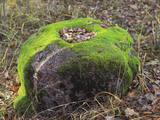 |
Zīleņu Sacrificial Boulder.You will find it on Zelenpole Golden hill beside the escarpment. The boulder
has an annular curvy. It was an ancient Latgalian cult place where people sacrificed to Gods, released themselves
from the bad things and took a positive energy.
|
|
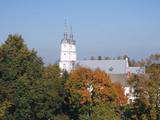 |
St. Michael the Archangel Roman Catholic Church of Viļāni. The Church together with the Monastery
of Bernardian Order was built in the middle of the 18th century. It is a national cultural monument. Many
important paintings, sculptures and objects of applied arts have survived here. The Church has an organ and
a fisharmony. The status of national importance was awarded to the architectural monument in 1952.
|
|
 |
Piedāvājumā relaksācija pirtī - sildīšanās, skrubēšanās, enerģiskais pēriens, kā arī dažādas masāžas. |
|
 |
In the vicinity of Cesvaine Castle, in the manor complex building, natural live beer is brewed according to ancient methods. The 150-year-old tradition of beer brewing, inspired by the first city brewery in 1865, has been revived here. Offers excursions in the brewery and tasting. |
|
 |
Uzpludinātās Zveņģupītes kreisajā krastā – neliela meža pudura malā (170 m no Rīgas – Daugavpils šosejas (A 6)) atrodas 1991. g. atklātais (autors: Juris Zihmanis) akmens – piemiņas vieta 17. gs. Lielvārdes meitenei Katrīnai, kura kā ragana sadedzināta sārtā. |
|


