Kontaktinformation
Related objects
| Foto | Name | Beschreibung |
|---|---|---|
 |
WEINGUT LIBERTU
*Object Inactive*

|
Dieser Betrieb ist der einzige Ort in Lettland, wo die Besucher während der Führung mit der Gewinnung und Verwendung von Birken- und Ahornsäften bekanntgemacht werden. Aus Birkensaft werden hier verschiedene Produkte erzeugt: Sirup, Wein, Brause und der starke Birkensaft (Schnaps). Hier kann man die erzeugten Produkte, frischen oder gefrorenen Birkensaft, sowie einen umweltfreundlichen Satz für die Gewinnung von Birkensaft kaufen. |
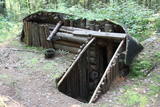 |
National partisans commanded by Rihards Pārups were very active during World War II between Vietalva and Jaunkalsnava. The team was disbanded in 1946. The dugout is at a location that is hard to find and access. It is in the nature reserve of the Veseta Wetlands Swamp. The wood pathway that leads from the East is often hidden by reeds during the summer. During the fierce winter of 2010, the roof of the dugout collapsed, but local enthusiasts plan to reconstruct it. Alongside the dugout is a white cross inscribed with the names of the partisans who lost their lives here.
|
|
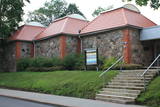 |
Eins der ältesten Museen von Vidzeme, dessen interessantesten Ausstellungsstücke Funde aus der mittleren und jüngeren Eisenzeit sind, ein Teil davon kommt aus der Gegend des Sees von Lubāna. Die Museumsbetreiber organisieren thematische Ausstellungen, die mit der Kulturgeschichte der Gegend in Zusammenhang stehen, und auch Kunstausstellungen. Das Museum befindet sich in den historischen Gebäuden des ehemaligen Biržu Gutshofes. |
|
 |
The
|
|
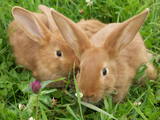 |
This is the most modern rabbit farm in the Baltic States. The animals live in cages in a shed, but there are also cages outside where they can be viewed. Children will love contacts with 24 types of rabbits, as well as an opportunity to study the surrounding area from a viewing tower. If you apply in advance, you can purchase fresh rabbit meat, sausages, dried meats and pâté. A new thing at the farm is the Mangalicas breed of wild pigs from Hungary. |
|
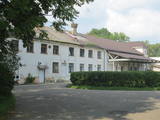 |
Die erste Molkerei von Malpils wurde 1923 gegründet. Dort wurde Butter und Käse hergestellt. In den 70-en Jahren des vorigen Jahrhunderts wurde hier angefangen, den ersten weichen Frischkäse in Lettland „Mālpils” herzustellen. Eine vorherige Vereinbarung ist notwendig für eine Betriebsbesichtigung mit der Verkostung der Erzeugnisse. Käsespezialitäten kann man vor Ort kaufen – im Lebensmittellager. |
|
 |
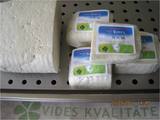
Einer der größten Hersteller der Produkte der Ziegenzucht in Lettland. Es werden ~ 160 rassereine Ziegen (Alpenziegen, Anglo Nubier Ziege, Weiße Deutsche Edelziege) und Hauseber (für die Zuchtarbeit) gezüchtet. Exkursion und Teilnahme an die Ziegen-Beweidung. Von März an kann man die Ziegenkitze anschauen. Verkostung von verschiedenen Käsespezialitäten, Schaumelken (ab 17:00). Verkostung und Erwerb von Fleischkonserven. Produkte ohne Konservierungsstoffe! |
|
 |
Exkursionen zum Hof. Man kann Ziegen, Pferde, Kaninchen, Hausgeflügel und Haustiere anschauen. Die Besucher können sich auch fürs therapeutische Reiten anmelden, Pferd reiten, Ponyreiten oder mit einer Pferdekutsche fahren. Erwerb von Ziegenmilchprodukten: Milch, Käse, Quark, Kefir und Joghurt. |
|
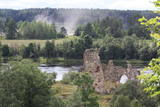 |
Found on the right bank of the Daugava where the little Karikste river flows into the Daugava, all that remains of the castle today is a set of ruined walls and foundations. The castle was built by the Livonian Order in 1224, and it was inhabited until the mid-17th century, when it was sacked during the Polish-Swedish war. The ruins offer a good view of the local gravel road that goes along the right bank of the river valley.
|
|
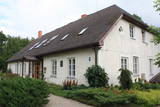 |
All that remains today is the governor’s house in which the Latvian author Rūdolfs Blaumanis (1863-1908) lived from 1885 until 1887, and a stable built of fieldstones. The Central Daugava Forestry Centre of the Latvian State Forests company is located in the building. The stone gates of the
|
|
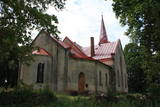 |
A bit less than one kilometre from the Aizkraukle castle hill, the church can be seen from the Rīga-Daugavpils highway (A6). The church was built in 1688 on the steep banks of the
|
|
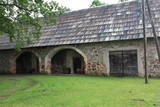 |
Der Weg, der nach Biksere führt, erinnert an eine schmale Bergstraße mit einem tiefen Graben eines kleinen Flusses. Der frühere Namen von Biksere war Libes muiža (auch Lybei Hoff, Lybienhoff), die heute noch erhaltenen Gebäude gehörtem dem Gutsherrn Magnus. Der neogothische Turm des Herrenhauses wird in Kunstkenner-Kreisen als architektonische Kuriosität bezeichnet. Im Herrenhaus ist der Sitz der Gemeindeverwaltung von Sarkaņi. In der ehemaligen Scheune hat der Kunstliebhaber Andris Trečaks seine Antiquitätensammlung ausgestellt. Von der Scheune aus hat man einen wunderbar weiten Blick auf die tiefer gelegene Ebene von Lubāna. |
|
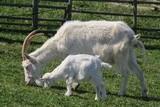 |
Eine Herde mit ungefähr 200 Ziegen. Der Wirt erzählt mit ein wenig Humor über das Leben mit Ziegen in Lettland und in Europa, über Herstellung des Ziegenkäses und über Geschmacksgeheimnisse, sowie bietet eine Käseverkostung an, nach der man Käse kaufen kann. Die auf diesem Hof hergestellten Käse sind nicht nur gesund, sondern auch sehr köstlich. |
|
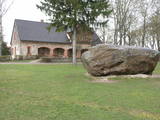 |
Befindet sich im Park von Lielvārde, in der Anfang des 19.Jh. erbauten Scheune des Herrenhauses Lielvārde, die später auch als Wohngebäude genutzt worden war. 1922 war eine Veranda angebaut worden. Das Museum befindet sich in diesem Gebäude seit 1970 und in dessen Sammlung gibt es Materialien über das lettische Volksepos “Lāčplēsis“(der Bärenzerreißer) und dessen Autor Andrejs Pumpurs (1841-1902), sowie über die Geschichte und die Ethnografie des Kreises Lielvārde. Neben dem Museum liegt ein großer Stein – das Bett des Lāčplēsis (etwa 80t) und ein Bruchstück, das „die Decke des Lāčplēsis“ genannt wird. Beide Steine befanden sich einst in der Daugava, neben der Insel von Lielvārde, über die heute die Wasser des Kraftwerkes fließen. Direkt daneben kann man den Holzklotz der Spīdala sehen, der von Aizkraukle hierher gebracht worden war. |
|
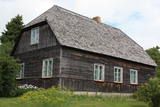 |
Das 1973 gegründete Museum befindet sich seit 1989 an der Stelle des Einzelhofes „Kalna Ziedi“. Das Gebäude, in dem sich die Dauerausstellung befindet, ist 1989 auf dem bestehenden Fundament des Wohnhauses gebaut, das Gebäude der Sammlung (1990) auf dem Fundament der Ställe. Der Raum für die wechselnden Ausstellungen (Jahr 2000) entstand an der Stelle der Scheune. Von dem ehemaligen Einzelhof ist somit also nur der Keller erhalten, die Anordnung der Gebäude entspricht jedoch der Planung eines Einzelhofes in Vidzeme (Livland). Die Sammlung des Museums ist der Geschichte der Umgebung seit der Steinzeit gewidmet. Unter freiem Himmel sind Bienenstöcke mit Kennzeichen der Besitzer zu sehen und auch in Lettland recht seltene Ringkreuze, die mittelalterliche Grabsteine waren. 100m nordöstlich des Museums ist der Kalna Ziedu - (Bergblüte -) Burghügel zu sehen, 200m südlich die Reste des Stammes einer Opfereiche (abgestorben 1994), am Ufer des Staubeckens des Wasserkraftwerkes von Pļaviņas. Von hier aus hat man einen weiten Ausblick über den Damm des Wasserkraftwerkes und auf die Stadt Pļavinas. |
|
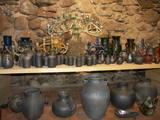 |
Besucher können eine Töpferwerkstatt kennenlernen, dem Meister bei seiner Arbeit zuschauen, versuchen selbst etwas zu formen, Tonprodukte, unter anderem auch Gartendekors aus Keramik, erwerben und einen schönen Garten bewundern. |
|
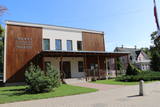 |
Located in a cultural centre at Brīvības Street 15 in Ogre, the museum was established in 1980 and has a permanent exhibition, “Ogre – a Swimming and Air Spa, Relaxation and Everyday Life, 1920-1940,” which offers a good look at the “golden age” of Ogre, when it was a popular spa. Another exhibition, “Legendary Ogre” offers a different view. Visit the museum to find out what it is!
|
|
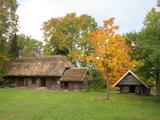 |
Das Museum ist der Ort, wo der lettische Novellenschreiber und der Begründer der modernen Dramatik Rūdolfs Blaumanis (1863 –1908) gewohnt und gearbeitet hat. Das Einzelgehöft Braki ist ein erneuerter, der Region Vidzeme typischer Hof mit acht Gebäuden aus Holz, der einem Pächter (Bauer) gehörte. Die Besucher können hier an Bildungsprogrammen und Führungen (Familienfesten, ländlichen Arbeiten, thematischen Führungen) teilnehmen und den lettischen Brei des Hofes Braki, Pfannkuchen von Silmači, Tee und Wein genießen. |
|
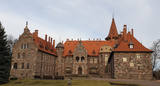 |
Schloss Cesvaine ist eines der schönsten Schlösser Lettlands (stilistisch dem historischen Eklektizismus zugehörig), sein Besitzer Adolph von Wulf hatte es seiner Frau geschenkt. Es wurde nach einem Projekt der Architekten Hans Grisebach und August Dinklage in den Jahren 1893 bis 1896 erbaut. Nach einem verheerenden Brand ist das Schloss nun in neuer Qualität „wiedergeboren“. Am Ufer des Flüsschens Sula erstreckt sich der Park von Cesvaine, dort gibt es auch einen ehemaligen Burghügel, der heute mit Wald bewachsen ist. Hier ist die Grabstätte des Schlossherrn Adolph von Wulf. Es lohnt sich, das Schloss in Begleitung eines Führers zu besuchen. Die Umbauarbeiten für das Dach der Burg Cesvaine wurden abgeschlossen. Das Schloss steht Besuchern in Begleitung von Spezialisten des Tourismuszentrums Cesvaine telefonisch zur Verfügung. 26172637 oder Pils Street 2. Im Frühjahr 2020 werden die Bauarbeiten fortgesetzt und das Schloss ist möglicherweise vorübergehend für Besucher nicht verfügbar. Informationen zu Änderungen www.cesvaine.lv |
|
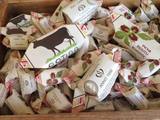 |
Das erste Unternehmen, das 1957 die Produktion der beliebten Milch-Bonbons „Gotiņa“aufnahm. Hier kann man köstliche Bonbons erwerben und auch an einer Führung teilnehmen, der Inhaber des Unternehmens ist zugleich der Haupt- Bonbonmeister. |
|
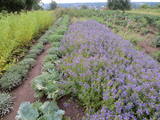 |
The farm is along the upper reaches of the Daugava Ancient River Valley, and it offers more than 100 types of plants, including decorative plants, herbs, medicinal plants and traditional Latvian farm plants. You can tour the largest field of so-called Northern kiwis in Latvia. Take a tour, purchase plants, taste teas, fruits and berries, and receive consultations from the owner. |
|
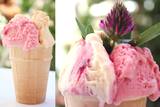 |
Das Café befindet sich 0,2 km von dem Bahnhof von Skriveri entfernt. Dieses Familienunternehmen (seit 2006) stellt hausgemachtes Eis aus selbstgezüchteten Früchten und Beeren (Sahneeis Plombirs, Sahneeis und Eis aus Jogurt) und Sorbets, sowie Eis mit modernem Geschmack (Sprottengeschmack, Geschmack des blauen Käses und Kartoffeleis mit Tomatensoße) her. Man kann den Prozess der Eisherstellung auch verfolgen. Das besondere Gericht: Meerretticheis mit Hering. |
|
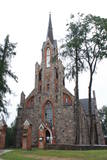 |
Found in the northern part of Cesvaine, the church was built of fieldstones in the Neo-Gothic style in 1879 by the architect Paul Max Bertschy. The church was restored in 1929 and again in the early 1990s. The altar painting, “Christ on the Cross” (1923) is by Jēkabs Bīne.
|
|
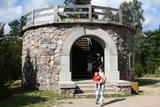 |
The tower is on one side of the range of hills known as Grantskalni (a continuation of the Blue hills of Ogre), and it offers a broad view of the Daugava River valley and the Pārogre residential district. The dendrology park that is nearby is worth a visit, because it is rich with different kinds of plants.
|
|
 |
Das Unternehmen stellt Milch, Quark und Quarkprodukte, Joghurt, Desserts her. Für die Herstellung der Erzeugnisse wird Milch von hoher Qualität verwendet. Die Milch wird von mehr als 100 bäuerlichen Betrieben und 3 Kooperativen geliefert. Alle Produktionsprozesse werden eingehalten und verbessert für die Verbesserung des Geschmacks und Erhöhung des Nährwertes der Produktion. Betriebsbesichtigung und Verkostung. Eines der fünf lettischen Unternehmen, das den weichen Kümmelkäse "Jāņu" herstellen darf, der als garantiert traditionelle Spezialiät in das EU-Register eingetragen ist. Die Erzeugnisse haben das Qualitätszeichen „Grüner Löffel” erhalten. |
|
 |
A/s „Cesvaines piens” (AG)
*Object Inactive*

|
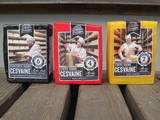
In Cesvaine bestehen alte Traditionen von Käseherstellung, da das Unternehmen „Cesvaines piens” auf der Basis der Käserei des Landguts von Cesvaine gegründet wurde. Das Unternehmen stellt Butter, Quark, Käse, hausgemachten Käse, saure Sahne her. Die Produktion kann man in einem zum Unternehmen nahegelegenen Geschäft „Pie Arkas” kaufen. |
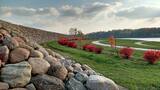 |
Befindet sich südlich der Stadt Koknese auf einer Insel mit einem Verbindungsweg zum Ufer, die von den Stauwässern des Wasserkraftwerkes Pļaviņas umgeben ist. Das fundamentale Objekt unter freiem Himmel wurde zum Gedenken an all jene Bewohner Lettlands errichtet, die unter den totalitären Regimen gelitten haben. Die ersten Arbeiten erfolgten hier 2008. Der Autor dieses Garten-Landschaft Projektes ist der japanische Landschaftsarchitekt Shunmyo Masuno. Obwohl der Garten noch nicht fertig gestellt ist, wurde er schnell zu einem beliebten Touristik-Objekt. Das erste eigenständige Bauwerk, das hier errichtet wurde, ist die Aussichtsterasse mit Blick auf die Burgruine Koknese und die lutherische Kirche. Durch dieses offene Konzept kann man bei jedem wiederholten Besuch hier etwas Neues entdecken. So entsteht hier ein wichtiger historischer Gedenkort des lettischen Volkes, an dem sich auch Besucher beteiligen dürfen, wenn sie einen Stein mitbringen und ihn dort niederlegen. |
|
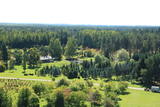 |
This arboretum is in a lovely location in the Vidzeme highlands. It covers 140 hectares of land and offers a look at interesting coniferous trees, lianas, lilacs, rhododendrons and peonies. The facility has a modern visitor information centres.
Unique species: The Tulip Tree (Liriodendron tulipifera), the Fringe Tree (Chionanthus virginicus), and the Kobushi Magnolia (Magnolia kobus).
|
|
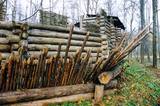 |
The artist Agris Liepiņš was the initiator of the project to recreate a 12th-century Ancient Latvian wooden castle. The building was erected in 1997 on the basis of samples from the remnants of castles found at various castle hills in Latvia. This is an idealised version of the residence of Uldevens, who was once the senior official of the Lielvārde region.
|
|
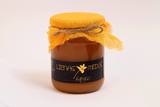 |
Ein Familienunternehmen, das sich um saubere Umwelt, Bio-Produkte und Design kümmert. Es wird eine Führung durch die Imkerei mit Verkostung angeboten. |
|
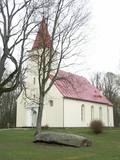 |
Located in the
|
|
|
|
Schloss Cesvaine ist eines der schönsten Schlösser Lettlands (stilistisch dem historischen Eklektizismus zugehörig), sein Besitzer Adolph von Wulf hatte es seiner Frau geschenkt. Es wurde nach einem Projekt der Architekten Hans Grisebach und August Dinklage in den Jahren 1893 bis 1896 erbaut. Nach einem verheerenden Brand ist das Schloss nun in neuer Qualität „wiedergeboren“. Am Ufer des Flüsschens Sula erstreckt sich der Park von Cesvaine, dort gibt es auch einen ehemaligen Burghügel, der heute mit Wald bewachsen ist. Hier ist die Grabstätte des Schlossherrn Adolph von Wulf. Es lohnt sich, das Schloss in Begleitung eines Führers zu besuchen. Die Umbauarbeiten für das Dach der Burg Cesvaine wurden abgeschlossen. Das Schloss steht Besuchern in Begleitung von Spezialisten des Tourismuszentrums Cesvaine telefonisch zur Verfügung. 26172637 oder Pils Street 2. Im Frühjahr 2020 werden die Bauarbeiten fortgesetzt und das Schloss ist möglicherweise vorübergehend für Besucher nicht verfügbar. Informationen zu Änderungen www.cesvaine.lv |
|
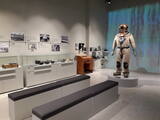 |
Das größte Wasserkraftwerk Lettlands, der erste Bauabschnitt begann 1936 am rechten Daugavaufer (Architekt E. Laube). Das erste Maschinenhaus (mit einer Leistung von 17 MW das größte im gesamten Baltikum) wurde 1936 in Betrieb genommen. Von 1976 – 1979 fand der zweite Bauabschnitt des Kraftwerkes statt, dabei wurde ein neues Gebäude am linken Daugava-Ufer errichtet, drei neue Turbinen mit Generatoren aufgestellt und somit die Leistung des Kraftwerkes auf 260 MW gesteigert. Weitere Rekonstruktionen am Kraftwerk fanden von 1998 – 2001 am linken Daugava-Ufer statt, wo sich jetzt auch das Energetik- Museum befindet. |
|
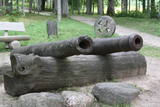 |
Established in 1900 at the place where the Pērse River flows into the Daugava (now the reservoir of the Pļaviņas hydroelectric power plant), the park offers a look at 17th century Swedish cannons and monuments from Medieval graves. Next to the high school in the park is a restored fountain, “Head of a Faun,” which was near the legendary Pērse waterfall during the 1930s. The waterfall is now underwater, but its location is indicated by a stone sculpture, “Girl of Pērse,” which was created by the sculptor Juris Zihmanis. A path leads to an 11 metre high wooden sculpture, “For Eternity,” by the sculptor Ģirts Burvis, and another sculpture, “Little Owl,” which is the work of the Rurāns brothers, both of whom are sculptors of wooden sculptures.
|
|
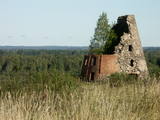 |
The area known as the territory of high hillocks has several heights – Lakta Hill (250 metres above sea level), Egļu Hill (268 metres above sea level), and Bākūži Hill (272 metres above sea level). They are connected by an earthen road – it’s worth hiking the trail to find the best viewing areas. A very fine view of the backs of hillocks in the Vidzeme highlands can be seen from the northern side of Lakta Hill.
|
|
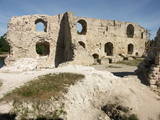 |
Die Geschichte von Koknese ist mit dem Bau der gemauerten Burg des Bischofs im Jahr 1209 an dem Zusammenfluss der Flüsse Daugava und Pērse verbunden. Die Burg von Koknese war ein bedeutender Kontrollpunkt auf dem Wasserweg Daugava, der nicht besetzt bis zum Jahr 1701 bestand, als die Burg von dem sächsischen Heer gesprengt wurde. Bis zur Bildung des Stausees des Wasserkraftwerks von Pļaviņas befand sich an diesem Ort der Felsen von Daugava, der einer der landschaftlich schönsten und von den Touristen am meisten besuchten Orte in Lettland war. Nördlich von den Burgruinen befindet sich der im Jahr 1900 eingerichtete Park von Koknese mit mittelalterlichen Friedhofsdenkmälern und schwedischen Kanonen aus dem 17. Jh. Die Reisenden können hier die Burg besichtigen, eine Bootsfahrt unternehmen, sowie mittelalterliches Geld prägen. |
|
 |
This is the oldest arboretum in Latvia. It was planned by the owner of the Skrīveri Estate, Maximmilian von Sievers (1857-1919). It has to be said that before World War I, there were two times more species of plants in the park than is the case now. The plants are grouped in accordance with the geo-botanic regions of the world. There are trails in the park, and signs showing the Latvian and Latin name of each plant are there, as well. There’s a fountain which is operated from every hour on the hour from 11:00 AM until 11:00 PM from Tuesday until Sunday. On the other side of the Rīga-Daugavpils highway is the Skrīveri Forest Park with hiking trails.
|
|
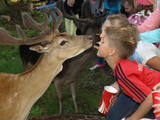 |
Some 200 fallow deer live in large paddocks at the park, and the largest deer sorting facility in the Baltic States is right next door. You can look at the animals from up close. The owner organises educational camps for children and offers consultations on the breeding of animals. |
|
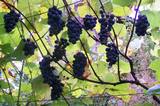 |
The visitors are offered the excursion around the wine garden and the story about different sorts of grapes and the secrets of wine-making. During the excursion the vistiors can learn about the traditions of growing grapes in Latvia, to see and taste the newest tendencies of grape selectioning,as well as receive advice on growing and tending grapes. It is also possible to try home-made wines and buy grapes saplings. |
|
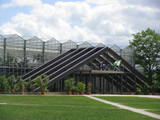 |
The National Botanical Garden in Salaspils ranks as the largest botanical garden in Latvia and in the Baltics with a territory of 136 hectares. The National botanical garden collection consists of about 14 thousand different varieties. More than 5,000 plants are found in the arboretum, as well as various other exhibitions, such as orchards, rosaries, ornamental plants. Botanical Gardens can inspire you to uprade your own garden assortment with new plant varieties and offers the experience of learning about botanical knowledge in nature. In addition, it presents opportunity to expand your personal photo archive with an exclusive background photographs and close-ups. There is a playground for children, comfortable cycling paths, nordic walking paths, picnic possibilities. |
|
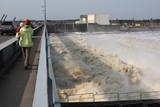 |
Das größte Wasserkraftwerk Lettlands, der erste Bauabschnitt begann 1936 am rechten Daugavaufer (Architekt E. Laube). Das erste Maschinenhaus (mit einer Leistung von 17 MW das größte im gesamten Baltikum) wurde 1936 in Betrieb genommen. Von 1976 – 1979 fand der zweite Bauabschnitt des Kraftwerkes statt, dabei wurde ein neues Gebäude am linken Daugava-Ufer errichtet, drei neue Turbinen mit Generatoren aufgestellt und somit die Leistung des Kraftwerkes auf 260 MW gesteigert. Weitere Rekonstruktionen am Kraftwerk fanden von 1998 – 2001 am linken Daugava-Ufer statt, wo sich jetzt auch das Energetik- Museum befindet. |
|
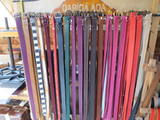 |
This workshop manufactures belts, bags, jewellery (pendants, brooches, bracelets), as well as covers. It offers book binding services and prepares souvenirs. Tours are available for groups of up to 50 people. You can try your own hand at the crafts, taste teas, and cook soups on an open fire. |
|
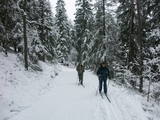 |
Der Naturpark von Ogre ist ein beliebter Ort für Freizeit, Wandern und im Winter für Skilanglauf. Der größte Teil des Parks ist mit Nadelwald bedeckt, der sich auf einer langen und vergleichsweise schmalen Linie von Hügeln mit steilen Abhängen befindet – ein weiteres Element der in Lettland von der Eiszeit zurückgelassenen Natur. Man findet hier viele verschiedene Pflanzen. Der Jaunogres-Burgberg ist einer der ausgeprägtesten Hügel in diesem Gebiet.
|
|
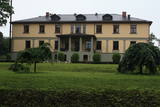 |
The origins of the castle that was built in the style of Classicism date back to 1784. Later it was rebuilt into a two-story building with a portico with four columns at its centre. A new period in the development of the state began in 1993, when restoration of the buildings began. The estate currently houses a children’s village, while the mansion is now a hotel.
|
|
 |
This venue organises seminars, courses and activities related to Latvian holidays and family celebrations. There are master’s classes about culinary heritage in
|
|
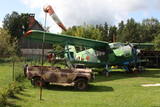 |
Das einzige Kaffee in Lettland, das ein sehr ungewöhnliches Interieur – mit Miltärtechnik und Gegenstände, darunter auch der Stil der sowjetischen Armee hat. Im Garten vom Kaffee sind auch mehrere interessante Exponate aufgestellt – Geschosse der Artillerie, Flugzeug, Kriegsautos u.a. Es lohnt sich wirklich hier eine Tasse Kaffee zu trinken.
|
|
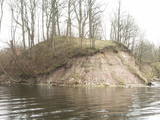 |
Where the little Rumbiņa river flows into the Daugava (on the left bank of the little river opposite the Lielvārde park), there is the Dievkalns castle hill that has been reduced by the waters of the Daugava. It is also known as the Cepure hill. According to antiquities that have been found here, representatives of Baltic tribes lived here from the first millennium BC to the 6th or 7th century AD. The level of the Ķegums hydroelectric power plant can be reached by a staircase from which the best view of this object can be found.
|
|
 |
This is a family company in the Madona Administrative District, which offers natural herbal teas and spices. All of the ingredients come from
|
|
 |
Im bäuerlichen Betrieb, der sich unweit vom Jumurda-See befindet, wird Ziegenkäse hergestellt. Milch geben 40 Melkziegen (insgesammt 60 Ziegen). Die Produktion kann man vor Ort, sowie auf den Heimarbeiter-Märkten kaufen. Produktionslieferung nach Anfrage. Während der Exkursionen kann man die Ziege Bonija und ihre Freundinnen kennenlernen. Verkostung von Käse. |
|
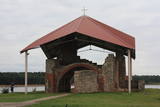 |
Seit den 70er Jahren des 20.Jh. befindet sich diese auf der kleinen Insel des hl. Meinhards im Staubecken des Rigaer Wasserkraftwerkes. Die hier zu sehenden Baureste sind die Ruine des ältesten Steinbaus Lettlands. Der Bau der Kirche wurde 1184 begonnen, sie wurde mehrfach umgebaut und zerstört, zuletzt 1916. Heute ist die Ruine des Gotteshauses konserviert, es befindet sich eine Metallüberdachung darüber, die Ufer der Insel sind befestigt. Auf der Insel ist ein 10m hohes Kreuz errichtet (Künstler E. Samovičs) und ein Steinaltar (Bildhauer J, Karlobs) |
|
 |
Die Bauernwirtschaft Vecsiljāņi befindet sich in der Gemeinde Bebri der Region Koknese. Die Hauptbereiche der Wirtschaft sind Viehzucht und die Züchtung von Weizen, Gerste, Hafer, Roggen, Mais und Gräsern. Im Jahr 2010 hat die Wirtschaft angefangen, den harten Käse mit dem Namen Ievas siers herzustellen. Den Besuchern wird eine Käseverkostung und die Besichtigung der Wirtschaft und der Käseproduktionsabteilung angeboten. |
|
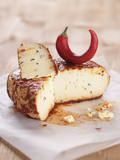 |
Nur 30 Autominuten Fahrt von Riga, im Zentrum der Stadt Ogre, befindet sich die Käserei "SierStelle". Am gleichen Ort, im Erholungskomplex „Policijas akadēmija” kann man die Gerichte aus der Käse der Käserei "SierStelle" genießen sowie Käse in der kulinarischen Abteilung kaufen. Die Auswahl der Käserei „SierStelle” besteht aus 31 Käsespezialitäten verschiedenes Geschmacks – sowie Salzkäse als auch Süßkäse. Ein besonderes Käse-Rezept ist am gleichen Ort in Ogre, im populären Kurort entstanden. |
|
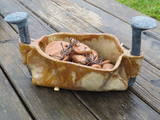 |
The potter offers tours of his workshop, a chance to use the potter’s wheel to produce your own clay dishes, opportunities to draw, and a chance to manufacture drums and dolls. You can buy the finished products and listen to the craftsman playing his drums. |
|
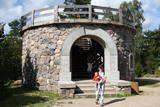 |
This arboretum park is in a lovely place – the Blue Hills of Ogre, where there is a tower with a good view of the Daugava River Valley. The landscape is enlivened by a pond and its streams. There are beautiful hiking trails throughout the park.
Unique species: The Amur Cork Tree (Phellodendron amurense) and the Field Elm (Ulmus minor), among others.
|
|
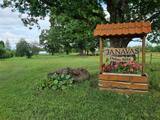 |
The farm grows herbal tea plants such as blue dragon, purple cornflower, peppermint, and lavender, as well as other plants. It also offers cosmetics such as the Beāte line of facial creams, as well as cornflower eau-de-toilette. You can take an informative tour, taste delicious teas, and purchase the cosmetics. |
|
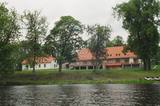 |
Hotel am See im Schloßpark. Konferenzsaal für 80 Personen, eine Sauna mit einem Bankettsaal für 100 Personen. Restaurant, Bar, Terrasse mit Aussicht auf den See. Paddelbooten, Skifahren, Eislaufen.
|