
| No | Name | Description |
|---|---|---|
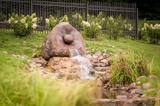 |
Lielbātas dabīgais dzidravots ir lielākais Latvijā un viens no retajiem Ziemeļeiropā, kas zemes virspusē no dzīlēm iznes bioloģiski aktīvu un pareizi strukturētu ūdeni. Lielbātas dzidravots tek no rietumiem uz austrumiem pretī saulei, tāpēc jau izsenis tiek uzskatīts par maģisku, pat svētu, kam piemīt dziednieciskas spējas. Vēstures materiālos Lielbātas avots pirmo reizi pieminēts 1253. gadā un līdz šim brīdim turpina savu plūdumu. Lielbātas avots atrodas sakoptā un ekoloģiski tīrā vidē. Laikam ritot, avota ūdens plūsma nav mazinājusies, bet tieši pretēji, tā ir pieņēmusies spēkā un ar apbrīnojamu jaudu avots turpina dot unikālu dabas velti – tīru, bioloģiski aktīvu, pareizi strukturētu ūdeni, neapstājoties ne dienu, ne nakti, ne ziemu, ne vasaru. Netālu no avota atrodas vēsturiskā Vaiņodes jeb Lielbātas pils, kuru 19. gs. vidū būvēja barons Osten Sakens. Vēstures liecības liecina, ka šī vieta pils būvniecībai nav izvēlēta nejauši. 1923. gadā pilī tika izveidota sanatorija, kas ne tikai bija priekšzīmīgākā Latvijā, bet varēja cienīgi līdzināties ārzemju sanatorijām. Tam par iemeslu bija dabiski tīrā un dziednieciskā vide, kas saglabājusies līdz pat mūsdienām. Lielbātas pils ir privātīpašums un apmeklētājiem nav pieejama, taču Lielbātas avots ir brīvi pieejams, un katram ir iespējams nogaršot avota ūdeni. Adrese: Vaiņodes pils, Vaiņodes pagasts, Dienvidkurzemes novads LV-3535 |
|
 |
Ātrās apkalpošanas kafejnīcas ar plašu ēdienu sortimentu visas dienas garumā. Sortimentā iekļauti latviešu nacionālie ēdieni, kā arī citu tautu ēdieni. Izbraukuma banketi, dažādu viesību mielasti, semināru apkalpošana, sporta spēļu un sporta nometņu ēdināšana. |
|
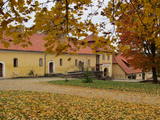 |
The estate in Milzkalne that is along the banks of the Slocene River dates back to the 15th century, when it was built as a closed complex for the Livonian Order. It is the only fortified estate of its type to have survived to the present day, and it was once used as a hiding place for aristocrats during an attack. The gate towers with their ornate weather vanes were built in the late 17th century, and the ancillary buildings date back to the 18th and 19th century. A brick wall with firing apertures survives. The Latvian Road Museum is in one of the wings of the complex, while the former mansion offers accommodations, tours and tastings of local goodies. |
|
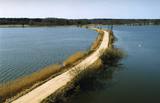 |
This territory is to the North of Skrunda, and it is an important location for water birds during their migration. Northern swans nest in the ponds, and sea eagles and other birds such as falcons and plovers use them for feeding. This is a good place for bird-watching, although it has not been particularly structured for that purpose. |
|
 |
The Līgatne Paper Factory is located at Pilsoņu Street 1 in Līgatne. The factory was first built in place of an old paper windmill by two tradesman from Rīga who also built dormitories for residents. These structures are an important component in the urban environment of Līgatne. The rapid flow of the Līgatne River allowed the factory to produce writing paper, stationary and wrapping paper. In 1858, the factory was brought by a local nobleman who brought in new equipment from Scotland. If some 100 people worked at the factory during the first half of the 19th century, then that number rose to 600 by the end of the century and 800 at the beginning of the 20th century. Writing paper was the primary product from the factory, although there were sometimes special orders. During World War I, for instance, the factory produced paper on which the Russian military printed its maps. This allowed the factory to hold an important role in the Russian market. During the Soviet era, the factory at Līgatne produced notebooks and other products that were sent all over the USSR. Today the factory mostly produces wrapping paper of various kinds from waste paper. The Līgatne Paper Factory is the only functioning entity of its kind in Latvia, and there are guides available to give you a tour. The historical centre of the campus on which the factory sits is a cultural monument. The Līgatne Tourism Information Centre (_371-6415-3313) offers tours of the centre during which you will learn about the lives of the factory's workers and administrators in the late 19th and early 20th century. Back then there was major construction work at the factory to build residences for workers, a school, a childbirth facility, a hospital, a club, a guesthouse and other buildings which have survived to the present day. |
|
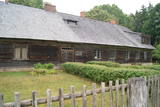 |
The Kubalu school was opened in 1843, and for 28 years it was the only school for the children of peasants at the Dundaga Estate. This is the oldest log schoolhouse in
|
|
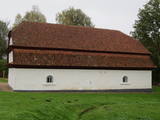 |
In the barn of Padure manor (the only one three-storey barn in Latvia built in the empire style) the groups of tourists are offered kocha (a substantial pearl barley porridge with onions and meat), differents soups (fish, sorrel), dumplings, cheese and differents sweet dishes. The tasting of home-made wine. For those interested, the owner will tell about yearly traditions, as well as the barn’s history. Latvian cuisine: Fish and sorrel soup, sweet and savoury dumplings, pork ribs, cheeses, desserts, homemade wine. Special foods: A hearty pearl barley porridge with onions and meat. |
|
|
|
Im Garten von Vilius Orvidas (1952 – 1992) ist eine Ausstellung der in der Sowjetzeit von der Melioration „geretteten” Steine, Grabkreuze, Holzgegenstände u.a. unter freiem Himmel eingerichtet. |
|
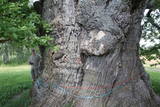 |
Most of the great tree’s mighty branches are gone, and among those that are still there, the thickest ones are held up by supports, and the tree’s hollow centre is protected against snow and rain with a little roof. This is the thickest Common Oak (Quercus robur) in Latvia and the Baltic States. Indeed, it is one of the thickest oak trees in all of Northern Europe. The tree is a gorgeous part of the surrounding landscape. There is a car park and an information stand nearby.
|
|
 |
SIA Mikaitas is a family company that was established in 2005 and breeds purebred sheep. It provides seed for other herds to breed fast-growing lambs with excellent taste. The farm breeds the Oxforddown breed of sheep and sells lambs of various ages, breeding sheep and rams, yarn, wool products, processed sheepskin, sheep, mutton and various meat products. |
|
|
|
In terms of territory, it is the most impressive dune range in the Baltics. This is the only place in the Baltics, where one can enjoy open dune sands that are still active and, under the influence of wind, form the so-called eolian relief forms. There are trails, wooded trails and a paved bikeway for the conveniences of visitors. In order to protect the dune, The Dunes of Curonian spit National Park has been established . |
|
 1 day
|
Tūrisma gide Ineta Jansone piedāvā ekskursijas grupām uz Melnalkšņu dumbrāja laipu. Melnalkšņu dumbrāja laipa ir viena no īsākajām un interesantākajām takām Ķemeru nacionālajā parkā (600 m). Melnalkšņu dumbrājā Vēršupītes krastos novērojami dabiskam mežam raksturīgi elementi – jauni, kā arī veci un dobumaini koki, kritalas, sausoņi, ciņi. Daudzveidīga ir meža putnu fauna. Jebkurā gadalaikā melnalkšņu dumbrājs ir īpašs. Taču visā krāšņumā dumbrājs atklājas tieši pavasarī. Vēršupītes pālu laikā ūdeņi pārklāj lielāko dumbrāja daļu, bet visapkārt zied zeltainās purenes, gaiss vibrē no putnu dziesmām un dzeņu bungošanas. |
|
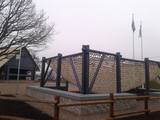 |
Meklējama Tārgales ciema centrā. 2018. g. nogalē atklāta Lībiešu zvejnieku sēta ar dzīvojamo māju, kurā ir saimes galds un soli, kūti, tīklu žāvētavu un mākslīgi radīts kāpas fragments. Sēta veidota kā atklāta tipa objekts un to var apmeklēt jebkurā laikā. Apkaimē saglabātas vietējās koku sugas. |
|
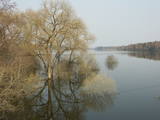 |
The Dviete ancient river valley is a unique territory of environmental, cultural and historical importance between Kaldabruņas, Bebrene and Dviete. The small Dviete River flows through the ancient river valley, through Lake Skuķi and Lake Dviete, and through the wetland meadows that are alongside the valley. During flooding season, these wetlands store up water from the Daugava River, rapidly absorbing masses of floodwater and then slowly returning the water to the river. The views during wet springs are incomparable to anything else that can be seen in Latvia. The specifics of the shifting water level in the ancient river valley are the reason why this is an important place for plants and birds during migration and nesting season. The Dviete Wetlands Nature Park has been set up to protect the territory. It is interesting that higher areas which do not disappear underwater during the floods are known as islands. Archaeologists who have studied the Dviete ancient river valley have found 15 possible settlements of the ancients (from the Stone Age, Bronze Age and Iron Age). They found a wealth of ancient objects of various kinds. There is reason to believe that this is one of the oldest and most important settlements in what is now southern Latvia. |
|
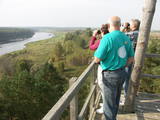 |
The old wooden tower at this site was torn down and replaced with the one that is there now. The restored tower offers one of the loveliest views in Eastern Latvia – one of the eight curves of the Daugava. This is the Rozališki curve. Here you will get a whole new sense of the Daugava River and its mighty valley in a place where the waters of a hydroelectric plant bubble away in our present day and age. It is claimed that the scene that is seen on the 10 lats note is based on the view which can be seen to the West from the tower. |
|
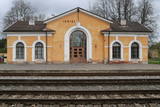 |
Ramocku stacija atklāta 1889. gadā reizē ar dzelzceļa Pleskava-Rīga atklāšanu. 1916.gadā pēc jauna dzelzceļa izbūves līdz Gulbenei, šīs stacijas nozīme ievērojami pieauga. 1918.gadā tā kļuva par divu dažādu sliežu platumu dzelzceļa iecirkņu saskares staciju. Intensīva vilcienu kustība caur šo staciju tika izvērsta Brīvības cīņu laikā. Sadursmes pie Ieriķu stacijas notika jau 1918.gada decembrī. 1919.gadā jūnijā te sākās Cēsu kaujas. Starp Cēsīm un Ieriķiem vācieši uzbruka igauņu bruņuvilcienam. Par dažādiem nopelniem Brīvības cīņu laikā Ieriķu apkaimē, vairāki karavīri saņēma apbalvojumus, arī Lācplēša kara ordeņus.1919. gadā stacija nodēvēta par Ieriķiem. Otrā pasaules kara laikā te atradās lokomotīvju depo.1953.gadā depo vietā izveidoja stratēģiskās rezerves tvaika lokomotīvju bāzi. Pēdējā tvaika lokomotīve L-3599 Ieriķu bāzi pameta 2002.gadā un tagad ir redzama kinopilsētā Cinevilla.Ieriķu stacija vairākkārt pārbūvēta.Otrā pasaules kara laikā nodedzināta pavisam. 1956.gadā uzbūvē pašreizējo ēku. |
|
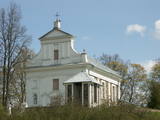 |
Construction of the church began in 1830 thanks to money donated by nobleman Ludvigs Šabanskis. The Baroque stone church is surrounded by a restored stone fence, and inside there are icons including "Heart of Jesus," "Christ's Suffering," and "St Joseph." The church is not open to the public on a daily basis. |
|
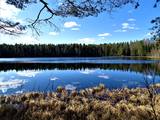 |
Ķekavas novadā, Daugmales pagastā atrodas jauka atpūtas vieta - Lejas ezers. Ezeram var apiet apkārt, taka nav marķēta un iešana ir pa mazām meža taciņām. Slapjākā laikā taciņas vietām var būt mitras un dubļainas. Pastaiga aizņems aptuveni stundu. Pie ezera ir iekārtotas vairākas piknika vietas. |
|
 |
The saloon is on the edge of the Rīga-Daugavpils road (A6), works with local fishermen, and grows herbs and greens in its own garden. Latvian cuisine: Cold soup, sorrel soup, chanterelle, soup, potato pancakes, filet of Daugava catfish, bream or pike-perch. |
|
 |
Talsu vecpilsētā, pašā vēsturiskā centra vidū, atrodas īpaša vieta, kur saplūst lauku miers un pilsētas dzīvīgums. Te vari izbaudīt gan klusumu un nesteidzīgu atmosfēru, gan arī sajust tuvumā esošo ielu dzīves ritmu. Šī māja ir kā radīta romantiskam nedēļas nogales atpūtam divatā — vakarā iekurt kamīnu, iemirdzināt telpu sveču gaismā un baudīt siltu vīna glāzi klusā divvientulībā. Tajā pašā laikā tā lieliski piemērota arī ģimenēm vai draugu kompānijām, kas vēlas pavadīt laiku kopā ērtā un plašā vidē. Villā pieejamas piecas guļamistabas, divas vannas istabas, kvalitatīva gultas veļa un dvieļi, satelīttelevīzija plakanajā ekrānā, ērta ēdamzona, pilnībā aprīkota virtuve, kā arī terase ar skatu uz dārzu. Papildus ērtībām viesiem ir atpūtas zona un kamīns, kas lieliski papildina vietas mājīgumu. |
|


