
| Нo | Название | Описание |
|---|---|---|
 |
Находится в деревне Обиница, летом открыто ежедневно, зимой ‒ по заказу. Учебные мастерские по выпеканию белого и ржаного хлеба с закваской. В кафе выпекают подовой, или неформовой, хлеб, хлеб с семенами, различные виды белого хлеба. |
|
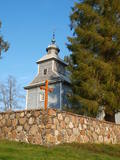 |
Деревянная церковь была построена местными ремесленниками на средства графов Плятеров в период с 1655-го по 1658-й годы как миниатюрная однонефная базилика. Эта церковь – неповторимый культурно-исторический памятник – считается одной из старейших деревянных церквей Латгалии. Алтарную резьбу по дереву в барокальных формах создали мастера Стелмужской школы резчиков по дереву . В боковом алтаре находится картина «Св. Мария Магдалена» середины 18-го века. Церковь на нынешнее место – правый берег Даугавы – была перевезена в 1698-м году. Здание неоднократно восстанавливалось – в 1890-м и 1918-м годах. Вокруг церкви – каменная ограда, построенная в конце 17-го века с отдельно стоящей колокольней, построенной в середине 19-го века и отреставрированной в 2002-м году. Учитывая многие информативные источники можно считать, что Индрицкий приход является самым старым в Латгалии. |
|
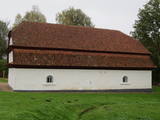 |
В амбаре Падурской усадьбы (единственный в Латвии построенный в стиле ампир трёхэтажный амбар) туристическим группам предложат кочу (сытная каша из перловой крупы с луком и мясом), различные супы (уху, щавелевый), клецки, сыр и всевозможные сладкие блюда. Дегустация домашнего вина. Интересующимся хозяйка расскажет о традициях годичного круга, об истории амбара. Латышская кухня: Рыбный и щавелевый супы, клёцки (сладкие, солёные), свиные ребрышки, сыры, сладкие блюда, домашнее вино. Особое блюдо: Коча - сытная перловая каша с луком и мясом. |
|
 |
Трактир, расположившийся в деревянном срубе, стоящем на въезде в Сигулду, позволяет прочувствовать латышский дух в интерьере и насладиться едой в латышском стиле. В трактире бережно сохраняются традиции и качество приготовления блюд латышской кухни. Латышская кухня: Суп из кислой капусты, филе судака, котлеты из щуки, свиной язык, свиные ребрышки, домашние котлеты, картофельные блины, слойка из черного хлеба, в меде печеный черный хлеб, печеное яблоко, домашнее мороженое. Особое блюдо: «Стейк от Буцефала», «Мороженое от Буцефала». |
|
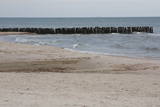 |
Ирбский пролив - очень важная территория в период миграции птиц. Наиболее встречаемые охраняемые породы птиц - темная утка, черная утка, морянка, малая чайка, краснозобая и чернозобая гагара, а также чистик обыкновенный. Территория находится напротив Дундагского и Вентспилсского края, занимает площадь в 172 412 га.
|
|
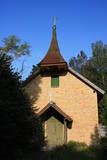 |
Atrodas Labraga – Apriķu ceļa malā. Kāds nostāsts vēsta, ka to 1896. gadā cēlis vietējais muižkungs, kurš vēlējies, lai viņa meitas laulības notiktu baznīcā. Dievnamā atrodas altārglezna "Kristus pie krusta un Sv. Marija Magdalēna", kas gleznota 19. gadsimtā (autors T. Šprengels). |
|
 |
В этом хозяйстве занимаются разведением коз и производством различных продуктов из козьего молока, делая из свежего исходного сырья козий сыр и другую продукцию. На полях хозяйства также растет картофель, сочная клубника и другие продукты. За столом в летней беседке могут с комфортом сесть и пообщаться 15-20 человек. Предлагается легкая еда ‒ на 100 % из продуктов, выращенных и произведенных в хозяйстве. |
|
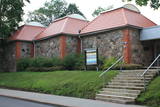 |
Один из старейших музеев Видземе, самые интересные экспонаты которого – это находки времен Cреднего и Раннего железного века, часть которых была найдена в окрестностях озера Лубанас. Работники музея организуют как тематические, связанные с историей культуры края, так и художественные выставки. Музей расположен в исторических зданиях бывшего имения Биржу. |
|
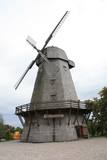 |
Мельница построена в период с 1867-го по 1869-й год по типу голландского проекта. Свое название она получила благодаря фамилии первого хозяина – Риба. На мельнице, которая является одним из хорошо сохранившихся архитектурных памятников такого типа в Латвии, создана образовательная экспозиция «Путь зерна», рассказывающая о развитии сельского хозяйства в Земгале, традициях зерноводства и выпечке хлеба. Также предлагается экскурсия в сопровождении гида. Мельница является частью комплекса отдыха (гостиница, ресторан, мельница) «Рожмалас». |
|
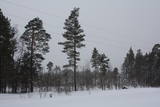 |
Between Saunags and Vaide on the road to Kolka, you will see an area on the left (South) side of the road where there was a massive forest fire in 1992 which burned approximately 3,300 hectares of forest. Biologists use the area to study the regeneration of the forest. There were extensive and destructive fires here during the early 20th century, as well. Swedish scientists say that there have been at least 15 fires in the forests of Šlītere over the last several centuries. The burned area is in a nature reserve and can only be viewed from the road. |
|
 3 дня
|
Суйты - одна из самых ярких, разнообразными культурными традициями богатых общин в Курземе и в Латвии. Доказательством этому служит факт, что 1 октября 2009 года Культурное пространство Суйтов было включено в Список всемирного нематериального наследия ЮНЕСКО, которое требует срочного спасения. Культурное пространство Суйтов включено также в список народных традиций Латвийских канонов культуры. Проявления, характеризующие нематериальное Культурное наследие Суйтов - традиционные праздники, народные обычаи, устная традиция, традиционное пение и музыкальные навыки, традиционные народные костюмы и кулинарные традиции. С 2009 года община Суйтов переживает ренессанс, а это означает, что часть общины проводит активные действия по сохранению традиций, обеспечению жизнеспособности и их подвижению на местном, национальном и на международном уровне. Жизнеспособность Культурного пространства Суйтов находится в руках представителей общины, так как основывается на практическом применении и креативности представителей общины. Суйты считают развитие туризма в своем культурном пространстве одной из важных областей развития самого культурного пространства. В частности, подчеркивая нишу культурного туризма, основанную на продвижении уникального Культурного наследия Суйтов в более широком масштабе. |
|
 |
Divus kilometrus garās lokveida takas sākums ir meklējams pie Somā nacionālā parka apmeklētāju centra (atklāts 2000. gadā) – Tēramā ciemā. Tā ved gar Mardu strauta (Mardu oja) krastu, kur krustām šķērsām ir sakrituši bebru nogāztie koki, radot diezgan juceklīgu skatu. Apmeklētāju centrā var iegūt nepieciešamo informāciju, noskatīties videofilmu un nacionālajam parkam veltītu ekspozīciju. |
|
 5 дней
|
Историки говорят, что ливы на территории древней Латвии были известны еще с Х века. Они населяли Северное Курземе, низовья Даугавы и Гауи, и местность от Гипки до Овиши, где до сих пор можно найти приморские рыбацкие поселки ливского происхождения. Приморские жители всегда питались приготовленной разными способами морской, речной и озерной рыбой: копченой камбалой, салакой, треской, лещом и бельдюгой, жареной миногой, соленой килькой, салакой и сельдью. Свежий малосольный балтийский лосось является деликатесом. На углях жарят судака, форель, карпа, сома или окуня целиком. Гости могут принять участие в рыбалке и копчении рыбы. Заказав дегустационный стол, можно попробовать всего по чуть-чуть. Рожь раскрывает свой вкус в ржаном и кисло-сладком хлебе, скландраусисах и даже в блинах и пипаркукас. В Видземе пекут ячневые оладьи. Здесь готовят вкусные блюда из мяса домашней птицы и скота, а к новогоднему столу подают свиной пятачок с горохом или запеченного молочного поросенка. Трактиры предлагают дичь с брусникой, грибами и другими дарами природы. На гарнир подаются осенние корнеплоды, тыква, бобы или перловка. Вкус блюд дополняют невероятно вкусные соусы. Традиционными пирожками, открытыми пирогами, кренделями, яблочными и медовыми тортами можно наслаждаться и по праздникам, и в обычные дни. Очень вкусны десерты из ржаных панировочных сухарей, клюквы, брусники и сливок. В Курземе популярны также черничные клецки, летом здесь готовят множество десертов со свежими ягодами. Силу природы и здоровье дарят душистые травяные чаи и мед. Головокружительные впечатления подарит вам кружка пива или дегустация домашнего вина. |
|
 |
Mini zooloģiskais dārzs Brocēnu novadā, kur iespējams gan apskatīt, gan samīļot dažādus dzīvniekus lauku vidē. Sētā ir arī ugunskura vieta un nojume, kur patverties lietus laikā.
|
|
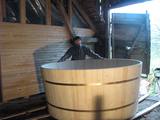 |
В пятом поколении (с начала 19 века) - в Латвии старейший продолжатель традиций рода бондарей, который выделывает бочки из дуба и ясеня. Рассказ, наблюдение за процессом скрепления, стягивания обручами, обжига бочек. Бочковые и деревянные бадейки, заказ и приобретение банных шаек. |
|
 |
Jelgavas pils dienvidaustrumu spārna cokolstāvā ir iepazīstamas Kurzemes un Zemgales valdnieku - Ketleru un Bīronu dzimtas kapenes (laika posms no 1569. – 1791. g.), kur apskatāmi 18 restaurētie sarkofāgi. Šī ir Baltijas mērogā nozīmīga vieta, kas noteikti jāapmeklē ikvienam vēstures interesentam. |
|
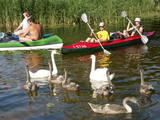 |
This was the first national park in Lithuania, and it is in the northern part of the Aukštaitija Higland, where hillocks interweave with lots of little lakes and ethnographic villages. Many of the lakes are connected with streams, forming long chains of lakes that are perfect for water tourists.
|
|
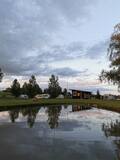 |
Lakeside Sigulda is a quiet camping and recreation area on the territory of Lake Matinu. Offers relaxation, overnight stays near nature and picnic options in a quiet environment. Travelers with campers, caravans, as well as those staying in tents can stay overnight in the camping area. In addition, a well-equipped glamping tent for 2 people has also been created. Showers, toilets, outdoor kitchen, picnic areas, grills, internet and electricity connection are available for camping guests. SUP boards are available for active recreation. |
|
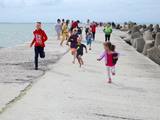 |
The Northern breakwater of Liepāja is located n the Karosta area of the town. It offers a lovely place for perambulations, as well as an opportunity to observe the sea. To the South of the breakwater you will find a fine view of the Liepāja Freeport and its system of breakwaters. To the East is the unique Karosta area, while to the North, there are remnants of a sea fort. Please be very careful while observing the sea, however – the surface of the breakwater is not in great shape.
|
|
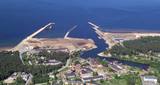 |
В 19 веке на побережье у Скулте выросла маленькая рыбацкая деревушка. Название Звейниекциемс (Рыбачий поселок) произошло от основного занятия его жителей. В 1967 году часть Скултского рыбачьего поселка присоединилась к городской части Скулте. Сегодня в Звейниекциемсе работает порт Скулте, который был торжественно открыт 7 октября 1939 года. Камень, который в качестве свидетеля строительства порта выбрал Карлис Улманис, все еще находится в Звейниекциемсе, а в порту активная деятельность ведется по сей день. Между портом Скулте и пляжем в Саулкрасты находится каменистый пляж Звейниекциемса. |
|


