
| Нo | Название | Описание |
|---|---|---|
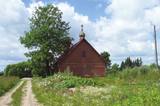 |
Моленная Римшской старообрядческой общины.
Церковь была построена в начале 20 века
|
|
 |
The Ferris wheel that is in Sigulda is on the corner of Leona Paegles and Cēsu streets, and it is only open during the summer. If you ride the wheel, you can take lovely snapshots of the ancient Gauja River valley. |
|
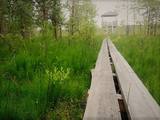 |
Taka ved cauri mežam uz skatu torni purva malā. Takā apskatāma Nāzara priede –priede, pie kuras 1905. gadā nošauts dumpinieks, pati priede – ekoloģiskais koks ar dzilnu kaltiem dobumiem, nokaltusi. Melnalkšņu dumbrājs - slīkšņa ar cūkaušiem un puplakšiem. Oleru purvs no skatu torņa – pārejas un sūnu purvs, kas izveidojies nolaista ezera vietā. Papildus objekti blakus takai, pieejami pa ceļu – Oleru muižas komplekss, Krustakmens, Oleru muižas kapi. Kopējais takas garums: 1,1 km. |
|
 |
Ресторан-бургерная Raganas Burgers специализируется на приготовлении бургеров из 100 % латвийской говядины, отборных пиццах и натуральном картофеле фри. |
|
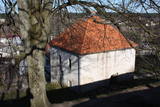 |
Сохранившаяся на данный момент историческая застройка вокруг старой Рыночной площади образовалась после пожара 1881 года. Характерную для Кандавы городскую среду образуют ограды с хозяйственными постройками, закрытыми дворами, сквозными проездами и стенами из грубого камня. Такую застройку можно увидеть на улицах Талсу и Сабилес. Нетипичной для Латвийского ландшафта является также Большая улица. У подножья Рыцарского городища можно осмотреть установленный недавно (2010 г.) макет замка Ливонского ордена. Участок дороги Екаба от Кандавы до Ренды входит в природный парк “Древняя долина Абавы”. |
|
 |
Сигулдский Новый замок строился в период с 1878 по 1881 год (строительством руководил Я.Меньгелис), а владельцем замка был князь Кропоткин. В 1937 году башня перестраивалась, в результате чего стала выше (архитектор A. Биркханс). С 1923 по 1940 гг. в здании находился Дворец писателей (хозяином дворца было Общество журналистов Латвии), а в Советское время - санаторий кардиологии. В 1993 году в замке разместилась Сигулдская городская дума, а с 2003 г. здесь находится Сигулдская краевая дума. В комплексе усадьбы сохранилось деревянное жилое здание (середина XIX века), в котором находился дом семьи Кропоткина, клеть (рубеж XVIII - XIX вв.), дом садовника (XIX век) и каменная стена (XIX век). Сигулдский Новый замок так же, как и развалины Сигулдского и Кримулдского замка, Кримулдское имение и Турайдский замок входит в комплекс исторических центров Сигулды, Турайды и Кримулды. |
|
 |
This area protects the landscape of the Lielauce hillocks, which are a part of the Eastern Kurzeme highlands. Lake Zebrus and Lake Svēte are in this territory. On the north-eastern shore of Lake Zebrus one can see the Ezerlūķi castle hill. On the eastern shore of the lake is a boating area, along with a viewing tower and a set of information about the area. The territory includes protected biotopes such as stream swamps and swampy forests, along with protected birds and species of bat. |
|
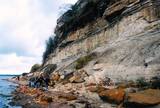 |
This cliff is made of sandstone (its lower part) and limestone (the upper part). It is up to 30 m high, and it is part of the Northern Estonian set of cliffs along the shore of the Bay of Finland. This is a popular tourism destination and viewing location. Recommended Hike along the bottom of the cliff (a rocky beach) in one direction, and then along the top of the cliff to get back (~2 km). From the top of the cliff, you can see a broad segment of the shoreline territory, all the way to Tallinn.
|
|
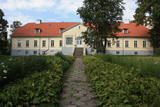 |
Находится ~ в 1 км на восток от центра Априки. Дворец господской усадьбы (стиль барокко) строился с 1742 по 1745 гг., а башня неоготического стиля как пристройка возводилась в конце XIX века. На фронтоне главного фасада дворца выполнен рельеф из песчаника с гербом родов баронов Остен – Сакенов и Корфов, который является самым роскошным элементом среди подобного рода имений Латвии. В здании сохранились и первоначальные элементы интерьера (осматриваются в сопровождении гида) – дверные створки, расписанная голландская печь, оконные дубовые ставни, коробки, чеканные металлические детали и паркет. В комплекс господской усадьбы входит дом управляющего, дом прислуги, хозяйственные постройки и парк. С 1920 года во дворце господской усадьбы действует школа и устроен музей края, который непременно следует посетить! Сейчас в музее выставлена коллекция этикеток производимого в Латвии хлеба. В 1901 году господскую усадьбу приобрел Карл Густав Маннергейм (1867 - 1951), который был президентом государства Финляндии и легендарным автором системы фортификации линий Маннергейма - Зимняя война (1939 - 1940). |
|
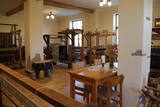 |
Мастерская находится в историческом здании Алсунгского музея, где вы cможете увидеть, как рождаются суйтские традиционные костюмы и их элементы, более подробно ознакомиться с ткацкими традициями Суйтского края и осмотреть богатое суйтский приданое. У каждого есть возможность самому поработать в мастерской под руководством опытных мастеров. |
|
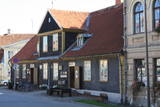 |
Находится на ул. Базницас, д. 5. Здание, покрашенное в темные тона, строилось в XVII в., а в его подвалах размещалась первая городская тюрьма. Находящаяся рядом историческая ратушная площадь была главным местом сбора горожан и местом исполнения наказания, так как в юго-восточном углу площади был установлен позорный столб. Сегодня здесь разместился Кулдигский ТИЦ и ткацкая мастерская, где можно приобрести выпускаемые в Курземе товары и сувениры, а в мастерской понаблюдать за ткацким процессом. В окрестностях ратушной площади снимались кадры кинофильма «Проделки Эмиля». |
|
 3 дня
|
Маршрут пролегает от столицы Риги Латвии, через красивые сельские территории до Каунаса, который является вторым по величине городом в Литве. Ландшафтный сад и парк Клугов славятся бегониями. В Добельском садоводческом институте имеется коллекциями из более чем 200 видов и сортов сирени. Сад красивых и практичных идей может похвастаться своей коллекцией хвойных деревьев, а гостям предлагают порошки из пряных трав, сушеные ягоды и фрукты. «Чай гномов» - одно из самых больших хозяйств по выращиванию лекарственных трав в Латвии (выращивают эхинацею, ноготки, ромашку и др.). В Кроньауце в период цветения вы можете насладиться красотой пионов в коллекционном саду Андра Беркина и великолепном тюльпановом саду Виестардов. Следующая остановка находится в фермерском хозяйстве «Дроши веселс», которое производит травяные мази и выращивает овощи. Посетив Домик перечной мяты, вы сможете насладиться мятным чаем, печеньем, медом с мятой и мятным сиропом. В усадьбе Бланкенфельде вы можете осмотреть уникальную коллекцию колоколов, насладиться натуральными соками, сиропами и маринованными огурцами, произведенными в усадьбе. В Йонишкисе посетите красно-белую Йонишкскую синагогу, Церковь вознесения Святой Девы Марии и Музей истории и культуры Йонишкиса. Усадьба Якишкяй не отремонтирована и сохранила оригинальные элементы, такие как, например, печи, ставни, лестницы, двери. В Балтийском музее выращивают около 30 различных видов и сортов растений. В Шяуляйском ботаническом саду созданы три сада старинных растений в соответствии с сельскими традициями соответствующего периода - довоенного, межвоенного и послевоенного. Бурбишское поместье со своим ландшафтным и скульптурным парком организует ежегодный фестиваль тюльпанов. В Клебонишкяйский музее сельских домов можно осмотреть аутентичные хозяйства Аугштайтского региона. Поместье Байсогалас называется королевским, поскольку когда-то оно принадлежало великому князю литовскому, и его парк площадью 12 гектаров является одним из самых красивых в Литве. В музее известного литовского поэта Мачюлиса-Майрониса есть два красивых культурно-исторических сада. Домашние "счастливые блюда" можно приобрести в хозяйстве Гарси Тила, где также можно отправиться на прогулку по их 100-летнему фруктовому саду и осмотреть сад с травами. Литовский институт садоводства занимается как научной, так и экспериментальной / производственной деятельностью. Здесь вы можете приобрести саженцы, а также сезонные фрукты и овощи. В хозяйстве Тадаса Иванаускаса у парка Обелинес вы можете увидеть коллекцию из 300 видов и сортов растений, включая самое старое дерево - гинкго двулопастный. В Каунасе вы можете увидеть самую старую яблоню в Литве – ей почти 360 лет, она 8 метров в длину, 285 см в диаметре на высоте около 1,3 метра. В Каунасском ботаническом саду университета Витаутаса Великого растут уникальные растения, обустроена самая большая оранжерея в Литве, старинные литовские клумбовые растения представлены по разным растительных группам в соответствии с ботанической классификацией. Маршрут заканчивается в Каунасе, который был столицей Литвы с 1920 по 1939 год. |
|
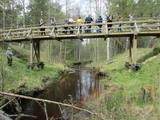 |
Мостик для велосипедистов и пешеходов через речку Киканс – границу национального природного парка Слитере. |
|
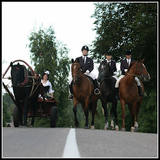 |
«Калнбудас» предлагает возможности активного туризма - выезд и катание на лошадях. |
|
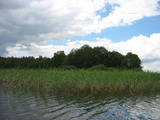 |
Of the many islands in Lake Rušons, ten are restricted natural areas so as to protect the broadleaf forests which are on the islands and the endangered plants found therein. An ancient cult location – the Rušons Sacrificial Rock – is found on Upursala island.
|
|
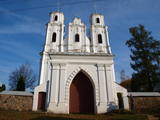 |
Находится на правом берегу Даугавы. С разных мест Пиедруи на церковь открывается красивый вид. Первую деревянную церковь в Пиедруе построили по приказу князя Льва Сапеги в 1632-м году, но в 1759-м году она сгорела. Нынешний барочный каменный костел (возможно, автор проекта итальянский архитектор А. Пароко) с двумя башнями был построен в 1759-м году. Под 27-и метровым строением (высота башен) находятся подвальные помещения. На башнях находятся три колокола (самый большой с 1711-го года, средний – 1897-го года, малый – с 1619-го года). Самый большой колокол весит почти 0,4 тонны. В интерьере костела находятся многие значимые культурно-исторические памятники – центральный деревянный алтарь с картиной, изображающей Успение Пресвятой Девы Марии, три алтаря 18-го века, кафедра начала 19-го века, алтарь Св. Антона, фреска с изображением Св. Троицы, церковная утварь с 17-го века и др. К костелу прилегает обширный сад с каменной оградой и каменными каплицами. В саду находятся могилы настоятелей Казимира Конвалевского и Бронеслава Стефановича. Последний сыграл большую роль в восстановлении костела после Первой мировой войны. Пиедруйская община начала образовываться в первой половине 17-го века. |
|
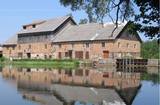 |
На единственной в Эстонии действующей водяной мельнице такого рода можно от начала и до конца увидеть процесс рождения хлеба. Сначала Вам покажут, как с помощью силы воды из зерен получают муку, а потом в пекарне под руководством хозяйки Вы сами сможете испечь хлеб. На экскурсии и курсы нужно записываться заранее. Также можно заказать еду. |
|
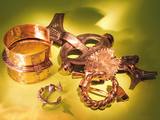 |
Музей Малтской 2-й средней школы. Галерея украшений
древних латгальцев 6 – 13 веков.
Время работы: 9.00 – 16.00, Сб.,Воскр.: выходные |
|
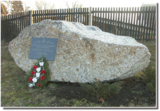 |
Памятный камень в честь кавалера Военного ордена Лачплесиса Августа Муйжулиса установлен в Лапмежциемсе, на обочине шоссе (Р 128, Юрмала - Талси) около столбика 9-го километра. А.Муйжулис (1893 - 1941) был полковник - лейтенантом Валмиерского 4 - го пехотного полка. Расположенные рядом Тутени являются его родиной. |
|
 |
Located in one of the most untouched corners of northern Latgale. Already from the spring they offer worker bee and later both, young and producing bee, propolis and wax mixture candles, pollen bread and propolis in butter. The workshop produces bee hives and other apiary equipment. |
|


