
| No | Name | Description |
|---|---|---|
 |
Saimniecības drava atrodas netālu no Isnaudas pagasta Bobišiem, dabiskā vietā, kur dabiskā vidē nav lauksaimniecībā izmantojamo zemju un citu objektu. Bišu iegūtā produkcija tiek pārstrādāta Zilupē, Sila ielā 4, kur saimnieki uzņem ekskursijas un var iegādāties saražotos labumus. Saimniecība ir bioloģiski sertificēta. Iegūst liepu un dažādziedu medu. |
|
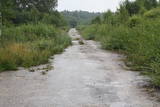 |
One of the largest tank bases in the Baltic War District was located during Soviet times just South of Gardene. The territory has largely been abandoned, and there are just a few remnants of the buildings that were once there. If you drive down the Dobele-Annenieki road, you will find a paved military road splitting off from it. It is still used today. The buildings and urban planning of Gardene are also of interest – during the Soviet era, soldiers and their families lived there.
|
|
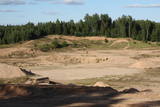 |
These are hillocks at the northern end of the Vidzeme highlands, and this is an important location for boreal (Northern) forests and swamps. Various kinds of swamps are found here, and the area is home to a variety of protected invertebrates.
|
|
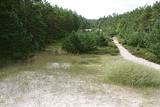 |
A shooting range which isn’t really there anymore, but it was once
used for training purposes by the Soviet military. Right now you will see
an overgrown area of land which stretches from the seashore to the
Kolka-Ventspils road. That’s where the shooting range was located.
|
|
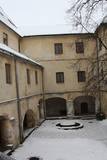 |
Jaunpils development is linked to the Livonian Order's castle, which until now has hardly changed its building volume and appearance. From 1561 until 1919 it belonged to the barons Reki family. In 1905 the castle was burned down, but later it was reconstructed under the supervision of architect V. Bockslaff. Substantial castle restoration work began during the sixties of 20th century. Now in the castle is a museum, but gourmets can taste medieval dishes at the castle tavern. |
|
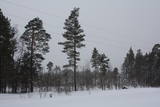 |
Between Saunags and Vaide on the road to Kolka, you will see an area on the left (South) side of the road where there was a massive forest fire in 1992 which burned approximately 3,300 hectares of forest. Biologists use the area to study the regeneration of the forest. There were extensive and destructive fires here during the early 20th century, as well. Swedish scientists say that there have been at least 15 fires in the forests of Šlītere over the last several centuries. The burned area is in a nature reserve and can only be viewed from the road. |
|
 |
Here you can taste the best flavours of the beer kitchen Pihtla, traditional Saaremaa house beer, and also Saare cheese, Fresco ice-cream, apple lemonade and other local delicacies. |
|
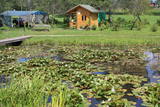 |
On the edge of the Bērzkrogs-Madona road in the centre of Vecpiebalga, you will find a pond full of various types of water lilies of different colours. The owner will tell you all about the popular folk song about water lilies from Vecpiebalga, offer plants for sale and offer practical advice. The pond also has carp which children can feed by hand while their parents are listening to the stories. |
|
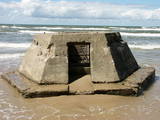 |
All that’s left of the battery today are the ruins of a cement blockhouse which have slid all the way down to the beach because of years of abuse by the wind and the waves. It is an interesting monument to history with a long-term fate that we can guess at – it will disappear under the sea.
|
|
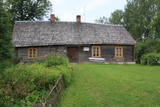 |
В «Риекстини» Нереты шесть лет своего детства провел выдающийся латвийский писатель и художник Янис Яунсудрабиньш (1877 - 1962). Я. Яунсудрабиньш родился в семье слуг «Кродзини» Нереты, а в «Риекстини» с матерью переехал после смерти отца. Люди, жившие в «Риекстини», стали прототипами героев его «Белой книги», в которой этот дом называют «Наш дом». В память о Я. Яунсудрабине в 1967 году в Риекстини был открыт музей, который находится в аутентичном хуторе Селии со своим особым духом и ароматом. Можно осмотреть жилой дом, амбар и каретник. В яблоневом саду «Риекстини» есть столетние и более старые яблони. На кладбище Кишку (у дороги Вецумниеки - Илукстес), расположенном неподалеку, похоронены члены семьи Яунсудрабиней и перезахоронен сам Я. Яунсудрабиньш. В Неретском краю сохранилось много хуторов и имен собственных - названий холмов, рек и других мест, упомянутых в «Белой книге» Я. Яунсудрабиня. |
|
 |
"Gusts Apinis" is located in Vidzeme highlands, Amata region. The company is unique in that it grows non-traditional crops in Latvia: quinoa, amaranth, millet, lentils, etc. Produces flour and pasta (buckwheat, buckwheat-quinoa) from grown products. |
|
 6 дней
|
This tour includes a walk along the Baltic Sea coast Lithuania through the Curonian Spit from Nida to Smiltynė (see a detailed description under tour No. 9) and continues further north from Klaipėda to Šventoji located at the Lithuanian/Latvian border. Klaipėda and Palanga are popular seaside resorts with lots of pubs, hotels, street cafés and musicians. Klaipėda is the only port city and the third largest city in Lithuania. Šventoji is also a popular seaside town located next to the mouth of the river Šventoji. Between Klaipėda and Palanga, the Baltic Coastal Hiking Route leads through the Seaside Regional Park (Lithuanian: Pajūrio regioninis parkas). It was founded for the protection of coastal and marine landscapes, biodiversity and local cultural heritage. The most famous place of the seaside is the Dutch Hat (also called Dutch Cap, Dutchman’s Cap or Holland’s Cap) – a 20 m high cliff, which used to serve as a landmark and guide for seafarers and fishermen. |
|
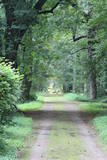 |
Старейший дендрарий Латвии (основан в 1891 г.), посадки которого спланировал и сформировал владелец Скриверской господской усадьбы Максимилиан фон Сиверс (1857 – 1919 гг.). Сейчас в парке насчитывается примерно 300 видов и сортов растений. Насаждения сгруппированы по месту их естественного роста - для различных мировых геоботанических районов. Для удобства посетителей проложены дорожки, а рядом с растениями находятся дощечки с названиями. Фонтан работает со вторника по воскресенье. На другой стороне шоссе Рига – Даугавпилс (А6) находится Скриверский лесной парк с прогулочными тропами. |
|
 |
Die Ruinen der um 1500 gebauten eindrucksvollen Kirche, die man besichtigen kann. Das Gebäude wurde nach dem Luftangriff 1942 beschädigt. |
|
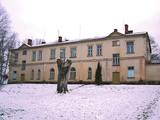 |
Усадьба Биковас упоминаетса в летописи с 17 века. Комплекс
усадьбы состоял из господского дома и парка свободной планировки, в котором находилась каменная
часовня, построенная в 1820 году, дом управляющего и прислуги, несколько подсобных помещений
и конюшни. В 20 – 30 годы 20 века, после пожара в 1905 году, поместье восстановлено, возведен
второй этаж. С 1937 года в поместье находится начальная школа Гайгалавы. О бывшем господском
доме бродят истории, говорят, что под ним есть несколько тайных ходов, которые ведут в церковь и
на кладбище. Памятник архитектуры местного значения.
|
|
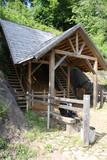 |
The park was established to protect the Venta River valley and the landscapes that are around its tributaries. On the west bank of the Venta, at Papilė, there is a cliff from the Jurassic period which is unique in the Baltic States, has been known since 1925, and has layers in which more than 300 forms of life have been identified over the course of time.
|
|
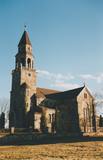 |
Величественная и монументальная церковь в стиле Тюдоровской неоготики (проект лиепайского архитектора Стандманиса) построена из колотых камней в 1908 – 1925 годах на месте прежней церкви, построенной из дубовых бревен в 1621-м году. С церковной башни открывается панорамный вид на окрестные озера. |
|
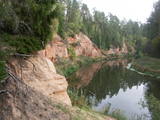 |
The Neļķes cliffs are in Skaņākalns Park, and they offer the most beautiful view of the Salaka River valley, with its sandstone cliffs and peaceful river. There are good views from the “devil’s pulpit.” It’s worth visiting the Skaņamkalns Hill to check out the views from the famous echo cliff. This is part of the ZBR.
|
|
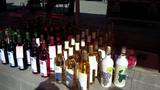 |
Из садовых и лесных ягод, перенимая традиции поколений, изготовляют домашнее вино. Предлагается дегустация 4 вин с закусками и философские бесседы о рецептах приготовления вина. Покупка продукции. |
|
 |
Atrodas Baznīcas ielā 10. Skaistā ēka ir viena no nedaudzajām 17. gs. celtnēm, kas būvēta koka pildrežģa tehnikā (restaurēta 1986. g.). Kurzemes hercogistes laikā tajā atradās pirmā zāļu tirgotava. Apskatāma no ārpuses. |
|


