
| Нo | Название | Описание |
|---|---|---|
 |
На организуемых эдукационных мероприятиях хозяева фермы ознакомят с тонкостями разведения волокнистой конопли, ее продуктами и изделиями.Во время занятия гостей угощают изготовленными продуктами из конопли, выращенной на ферме. |
|
 |
"Ziedlejas" offers sauna treatments and events in the contemporary design Glass Sauna, Smīma Spruce Smoke Sauna and Black Sauna, which is located in an unspoilt corner of the forest. The ritual sauna treatment includes heating, herbal compresses, herbal scrub, big beating, swimming in the pond, massage with healing oil and honey, vibrating with sound, tea, home-baked bread. The sauna treatment lasts four to five hours and is led by a sauna master. Various master classes are possible in connection with sauna rituals and the use of plants in healing and beauty care and the preparation of appropriate preparations. Bicycle rental is available, which includes access to the Ziedleju xc / enduro trails, bicycle training and bicycle guide services. It is also possible to organize and lead team building events, as well as team communication trainings. |
|
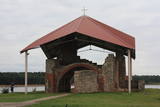 |
С 70 годов ХХ столетия находятся на небольшом (длиной 0,1 км) острове Святого Мейнарда в водохранилище Рижской ГЭС. Видимые остатки здания - развалины древнейшей каменной постройки Латвии. Строительство церкви началось в 1184 году, в дальнейшем церковь неоднократно перестраивалась. Неоднократно подвергалась разрушению, последний раз в 1916 году. Развалины храма законсервированы, над ними установлено металлическое перекрытие, берега острова укреплены. На острове установлен 10-метровый металлический крест и каменный алтарь. Каждый год в августе, когда понижают уровень воды в водохранилище Рижской ГЭС, до острова можно дойти пешком по старой дороге. Вдоль дороги видны остатки старых деревьев. |
|
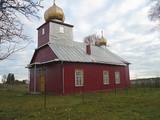 |
Моленная Нотренской старообрядческой общины. Построена
в 1928 – 1931гг. вместо старой, которая была возведена в 1853
году.
|
|
 | ||
 1 день
|
Dodieties ekskursijā, lai gūtu ieskatu lauku profesijā un dzīvesveidā, kā arī iegūtu jaunus iespaidus un labu atpūtu visai klasei. Ekskursijas laikā apskatiet iespaidīgākās un krāšņākās smilšakmens klintis Vidzemes piekrastē, kur viļņi ir izveidojuši līdz 6 m augstu stāvkrastu. Pēc tam apmeklējiet muzeja ekspozīciju, kura iepazīstina ar leģendārā fantasta un melu karaļa piedzīvojumiem un dzīves gaitām. Turpat netālu mežā izveidots vairākus km garš taku tīkls, un taku malās izvietotas dažādas koka skulptūras. Ekskursijas noslēgumā dodieties uz keramikas darbnīcu, lai uzzinātu, kā no māla top dažādi trauki un sadzīves priekšmeti, kā arī paši pamēģinātu roku kāda priekšmeta izvirpošanā. |
|
 |
Atrodas ļoti skaistā vietā – Krimuldas muižas kompleksa teritorijā, vienā no muižas vēsturiskajām ēkām. Mājīgs interjers, mākslinieka J. Annmaņa apgleznotas sienas. Piedāvā turpat muižā darinātos mājas vīnus un „Muižas stipro”. Garšīgas tējas, uzkodas un siltie ēdieni. |
|
 |
До восьмидесятых годов 17 столетия в тогдашнем Вецдаугавском микрорайоне, в местечке Сканстниеки стоял Даугавгривский замок, который, из-за естественного изменения русла Даугавы (когда-то Даугава протекала по руслу тогдашней Вецдаугавы), снесли и «перенесли» на левый берег Даугавы. От самого замка ничего не сохранилось, зато еще сегодня видны валы и остатки защитных рвов, которые использовались солдатами шведской армии как место стоянки в начале Северной войны. В любом случае это место, расположенное в северной части города, является интересным объектом исторического и военного наследия Риги, который стоит осмотреть.
|
|
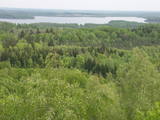 |
This territory is meant to protect the large hillocks and lakes of the Augšzeme highlands – Lake Svente, Lake Medums, Lake Ilga and others, with their islands, landscapes and species. The nature park which has been established around Lake Svente and Lake Medums is part of this territory, and there are several areas that are restricted for environmental reasons – Lake Bardinskis, Lake Skujine, and the islands of Lake Medums and Lake Svente. There is a viewing tower on Egļukalns Hill, along with downhill ski routes. |
|
 2 дня
|
Путешествие для гурманов и любителей путешествий, в котором будет возможность попробовать не только традиционные курземские блюда, как скландраусис и копчушка, но и блины, приготовленные из свежемолотой муки, крестьянский сыр, домашнее вино и другие дары села. Кроме дегустации даров села, будет возможность пройтись по природным тропам и познакомиться с культурно-историческим наследием. Информация о маршруте от Latvijas Lauku forums |
|
 |
Сырный домик, построенный в 1768 году, находится на территории имения Калнамуйжа (Смилтенское имение) и является единственным объектом индустриального наследия такого вида из сохранившихся в Латвии. На первом этаже хранили молоко и сырные котлы. На второй этаж вела лестница, которая не сохранилась. На втором этаже высушивали сыр и этому процессу способствовали проделанные отверстия в деревяных частях домика (сыр проветривался). Несмотря на то, что места отверстий уже заделаны, они все еще хороши видны. Находится рядом с развалинами Смилтенского средневекового замка. Домик в критическом состоянии! Осмотр снаружи. |
|
 |
The brewery of Uzava offers group excursions where you are told about the history of the place and the brewing process. It is possible to buy different sorts of beer and beer-related souvenirs in the nearby shop. |
|
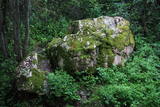 |
Līdz akmenim aizved (ir norādes) skaista taka, kas līkumo pa Rogāļu strauta izrauto gravu. Strauta kreisā krasta nogāzē, ~ 0,1 km pirms tā ietekas Daugavā, iegūlis 6,5 m garais, 4,6 m platais un līdz 3,7 m augstais Rogāļu akmens, kura tilpums ir novērtēts ap 40 m³. Blakus tam atrodas liela atlūza. |
|
 |
Puises „centrā” uz vienstāvu koka mājiņas jumta izveidota skatu platforma. No tās paveras laba ainava uz ciemu, ostu un piekrastes kadiķu laukiem. |
|
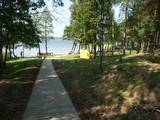 |
There is a small and relatively hard to reach area on the western shore of Lake Būšnieks which has been restricted to protect swamp habitats and several protected plants. Boat base is on the northern shore of the lake offers boat rental. From the plank-way good sites of eutrophic part of Lake Būšnieks can be seen. A well-appointed recreational facility (not included in the restricted area) is on the opposite shore of the lake. |
|
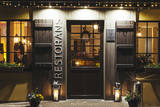 |
Небольшая, тихая и уютная гостиница с полюбившимся гурманам рестораном расположена на обочине Таллинского шоссе в Айнажи, где воздух пахнет соснами и морем. В уютной атмосфере ресторана можно не спеша насладиться вкусной едой и почувствовать близость природы. |
|
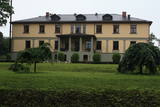 |
The origins of the castle that was built in the style of Classicism date back to 1784. Later it was rebuilt into a two-story building with a portico with four columns at its centre. A new period in the development of the state began in 1993, when restoration of the buildings began. The estate currently houses a children’s village, while the mansion is now a hotel.
|
|
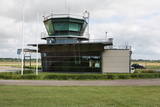 |
И теперешний Вентспилский аэродром, как в свое время объект военного значения, используется в качестве военного аэродрома. В настоящее время регулярные пассажирские рейсы в Ригу прерваны, а аэродром используется для нужд малой авиации.
|
|
 |
В Царникаве ‒ в том месте, где Гауя впадает в море, ‒ уже в старину развивались традиции ловли и переработки миноги. Во время экскурсии можно узнать о миноге и о том, как ее перерабатывают, а также попробовать миногу гриль, приготовленную на углях, миногу в желе и суши из миноги. Латышская кухня: Жареная минога на решетке, миноги в желе, булочки с миногой. |
|
 |
Bioloģiskā saimniecība nodarbojas ar Irbeņu ogu audzēšanu un dažādu to produktu ražošanā kā pulverus, sulas, tinktūras, eļļas, sejas maskas un kapsulas. Irbene ir vērtīgs ārstniecības augs, kur izmantojamas ir pilnīgi visas tā daļas – lapas, ogas, sēklas, stumbrs, miza, sakne un ziedi. |
|


