
| Нo | Название | Описание |
|---|---|---|
 6 дней
|
The Baltic Sea littoral on the West coast of Kurzeme is called the Great Wave Sea. The seacoast is mainly sandy. While the Great Wave Sea section is the least populated coastal area in Latvia, at the same time, the third biggest city in Latvia, Liepāja, is also located there. Steep bluffs rise before your eyes on the seacoast between Pāvilosta and Sārnate. The villages are quiet and sparsely populated. At the beginning of the route, you can see the Soviet military heritage in Liepāja Karosta Prison, taste smoked local fish in Pāvilosta and then enjoy one of the most beautiful views of the entire route to the seacoast from Užava lighthouse. The route closes in the port city of Ventspils, where there are various entertainment and sightseeing places, especially for families with children. |
|
 |
Предлагают процесс рыбной ловли с вытягиванием невода на Нидском и Папском взморье, рыбалку в море (для 1 - 2 человек) и рыбалку зимой. После рыбной ловли следует копчение улова или приготовление ухи. |
|
 |
Veisieji reģionālais parks (Veisiejų regioninis parkas) veidots (1992.g.) Sudavas augstienes (Sūduvos aukštuma) ainavu, bioloģiskās daudzveidības un kultūras pieminekļu aizsardzībai. Viena no parka bagātībām ir ezeri, kuru iegarenās formas liecina par ledāja darbības rezultātu. Pēdējā apledojuma laikā šeit atradusies ledāja mala. Ezerus (kopā – 37) ieskauj lielāki meža masīvi uz kontinentālām (iekšzemes) kāpām, kas piemēroti atpūtai dabā, dabas vērošanai, ogošanai un sēņošanai. Parkā ir iekārtotas peldvietas, kur patīkami gremdēties vasaras tveicē, izveidotas dabas takas, bet mazās upītes, kas savieno ezerus, ir piemērotas braucieniem ar kanoe laivām. Veisieji reģionālā parka teritorijā ir liela augu un dzīvnieku daudzveidība. Šeit tiek aizsargātas arī tādas retas sugas kā Eiropas kokuvarde Hyla arborea (parka simbols), purva bruņurupucis Emys orbicularis, dažādas orhideju sugas u.c. |
|
 1 день
|
Dodieties ekskursijā, lai gūtu ieskatu lauku profesijā un dzīvesveidā, kā arī iegūtu jaunus iespaidus un labu atpūtu visai klasei. Ekskursijas laikā apmeklējiet Salmu muzeju, kur apskatāmas gandrīz 500 salmu skulptūras un lelles, kā arī iespēja darboties radošajā darbnīcā un iegūt pamata prasmes darbā ar salmiem un sienu. Pēc tam apmeklējiet zvejnieku sētu, kas piedāvā aktīvu atpūtu pie jūras ar visādām izdarībām jūras krastā, zvejnieksievu stāstus par vēsturi un sadzīves "teijātri" vietējā dialektā, ieskatu zivju kūpināšanas procesā un, protams, mielastu ar riktīgu vietējo zivju izgaršošanu. Ekskursijas noslēgumā dodieties uz mini zoo, lai iepazītos ar eksotiskajiem dzīvniekiem un mājdzīvniekiem, kurus iespējams pabarot, kā arī samīļot. |
|
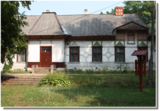 |
Зосненская усадьба (Вецзосненская) построена в 1870 году, окружена небольшим парком (на берегу озера Разна) с различ- ными видами деревьев и кустарников. Главную архитектурную ценность составляет господский дом, построенный по заказу князя Голицина в 1870 году. Дом – одно из редких строений Латгалии, собранных из набивных решетчатых конструкций. |
|
 |
Пиццерия под открытым небом находится недалеко от Валмиеры в Беверинском крае. Это возможность побывать в красивой, ухоженной сельской среде, активно отдохнуть и поучаствовать в выпечке настоящей итальянской пиццы, где каждый может сделать пиццу на свой вкус, выпекая на живом огне в дровяной печи. К услугам чистая вода и итальянское вино, кофе и чай. Кроме пиццы по предварительному заказу можно приготовить тирамису. |
|
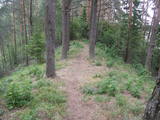 |
This is another so-called hill left behind by the Ice Age – five kilometres long with a height of between 15 and 30 metres and with high hillocks and steep hillsides. Te most distinct part of the hill can be found between Lake Pinti and Lake Šeški. The pine forests on the hillocks are a habitat with many rare and protected species. A trail has been established to tour Grebļa Hill, as well as Āža Hill and Kausu Hill, but it is recommended that visitors travel the trail in the company of a guide. The biological diversity of the area is made clear if one knows, for instance, that more than 500 kinds of butterflies have been found in the restricted territory.
|
|
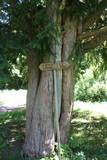 |
This is the thickest and tallest common ivy in Latvia. It is in the park of the Zentene Estate, opposite the mansion (which is now a school).
|
|
 7 дней
|
Наш гид встретит вас в Рижском аэропорту. Экскурсия по Старому городу в Риге и Центральному рынку, внесенному в список мирового наследия ЮНЕСКО. На следующий день отправимся к фермеру, выращивающему картофель около Иецавы, а также посетим успешное местное многоотраслевое сельскохозяйственное предприятие в Тервете, которое объединяет коневодство, пивоварню, выращивание зерновых культур, молочную ферму и производство био-энергии. Мы также посетим одного из крупнейших производителей, выращивающего лекарственные травы и изготавливающего травяные чаи. После дня насыщенных рабочих визитов, отведаем традиционные латышские блюда и пиво. Затем посетим двоих скотоводов в Сигулде и области Цесиса, взберемся на башню Турайдского замка с его замечательным панорамным видом и пройдемся по очаровательным улочкам Цесиса. Затем посетим экологическую овечью ферму около Валки и остановимся на ночлег в мельнице Кони, где до сих пор обрабатывают шерсть традиционными методами. Через границу, в Эстонии, посетим выращивателей зерновых культур в области Валги. Посетим Эстонский Фермерский Союз и увидим город Тарту. Затем прогуляемся по живописному Старому городу в Таллине. Посетим молочное хозяйство в Саку и закончим визитом в Национальный парк Лахемаа. |
|
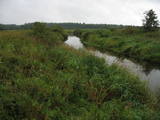 |
Palieņu pļavas starp Rūjienu un Rūjas ieteku Burtnieku ezerā, kurām raksturīga liela augu un putnu sugu daudzveidība. Tās robežojas ar bijušiem Rūjas zivju dīķiem, kas šobrīd aizaug ar mežu. Rūjas palienes var vērot gan braucot ar laivu pa Rūju, gan arī no ceļa, kas ved uz minētajiem dīķiem. Tur izvietots informācijas stends.
|
|
 |
In mid-summer, the farm features the beautiful blooms of rapeseed and flax. A special facility for pressing rapeseed and flax seed oil is on site. You can watch the oil pressing process and purchase some of the resulting oil.
|
|
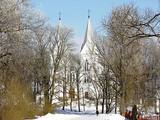 |
Биковский (Гайгалавский) Римско-католический костёл
Пресвятого Сердца Иисусова. Костёл радует путешествен-
ников своими белыми ярусами, готическими формами и
архитектурным дизайном. Храм внутри украшен роскошными
изображениями святых.
|
|
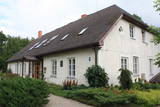 |
All that remains today is the governor’s house in which the Latvian author Rūdolfs Blaumanis (1863-1908) lived from 1885 until 1887, and a stable built of fieldstones. The Central Daugava Forestry Centre of the Latvian State Forests company is located in the building. The stone gates of the
|
|
 |
Группам гурманов хозяйка предлагает поучаствовать в различных кулинарных мастерских (2- 3 урока): в «Мастерской сладкой сдобы», «Мастерской сезонных нетрадиционных овощных блюд», «Мастерской пицц», «Приготовление конопляного стака (масла)» и др. Для тех, кто сам не хочет готовить, предлагается неторопливое деревенское угощение с осмотром хозяйства, виноградного сада и рассказами о жизни в деревне. |
|
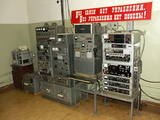 |
Этот особо секретный бункер с мнемоническим названием «Пансионат» был в Советской Латвии одним из важных стратегических объектов на случай ядерной войны. На территории реабилитационного центра «Лигатне», на 9-метровой глубине под землей находится благоустроенный бункер, из которого на случай ядерной войны могло бы осуществляться руководство страной, и где также могли бы разместиться главные военные и гражданские лица, помогающие выжить республике в условиях ядерной войны. Печать секретности с бункера была снята только в 2003 году, хотя до сегодняшнего времени сохранено все аутентичное подземное оборудование. Бункер можно осмотреть в сопровождении опытного гида, а также отведать типичный обед советских времен. Это единственный в странах Балтии такого рода объект, сохранившийся в хорошем состоянии, возможно, что единственный и во всех странах советского блока.
|
|
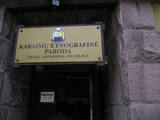 |
Karaims are a small nation of Turkish decent who practise The Karaim religion which started developing around 8th century in Persia. Their language is still used in modern-day Lithuania. In the museum there are rooms not only dedicated to Lithuanian Karaite communities but also Poland's and Ukraine's. |
|
 |
There is a memorial to the victims of World War I on the side of the Klapkalnciems-Tukums road. |
|
 |
Кафе находится в южной части Вецпиебалги. Интерьер помещения кафе выполнен в дубе, а также использованы письменные знаки латышей и витражи. Время работы: пн. - чт.: 8:00 – 22:00; пт., сб.: 8:00 – 01:00; вс.: 8:00 – 22:00. |
|
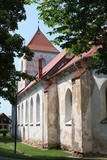 |
Atrodas Bauskas vēsturiskajā centrā, Plūdoņa ielā 13 a un ir šīs pilsētas daļas vecākā ēka. Dievnams celts 1591. - 1594. g. vēlās gotikas stilā, bet tornis piebūvēts 1614. g. Baznīcas iekšpusē atrodas nozīmīgi mākslas pieminekļi: altāris (1699. g., pārbūvēts 1861. g., mākslinieks J. Dērings), kancele (1762. g.) un ērģeļu prospekts (1766. g.) – abi Nikolaja fon Korfa dāvinājums, draudzes soli (17. gs. vidus – 18. gs. sāk.), senākais no koka veidotais Bauskas ģerboņa attēlojums (1640. g.), deviņas 16. – 17. gs. kapu plāksnes, epitāfijas u.c. Baznīca, kurā ir vērts ieiet! |
|
 |
Посетители кузницы могут наблюдать за работой кузнеца. Здесь можно заказать декоративные элементы, сделанные из металла, ограждения и другие изделия по индивидуальной договоренности. |
|


