
| Нo | Название | Описание |
|---|---|---|
 |
Разведение калифорнийских красных червей и производство биогумуса. Предлагается небольшая экскурсия по производству, информация о разведении дождевых червей и производстве биогумуса. |
|
 11 дней
|
This tour of the Forest Trail covers the national parks of Dzūkija and Žemaitija and the Nemunas Loops Regional Park in Lithuania. The starting point of the route is Druskininkai, a popular SPA and mineral water resort on the banks of the river Nemunas. Here, we recommend dipping yourself in mineral water baths, enjoying the trip with the cable car over the river Nemunas, visiting the musical fountain, and walking along the river promenade. For the next two days from Druskininkai, the Forest Trail passes through the Dzūkija National Park to the town of Merkinė. In this most forested and unpopulated region in Lithuania you can enjoy hiking along solitary forest roads, visit ancient mounds and ethnographic villages, where the traditions of bee-keeping, crafts, mushrooms and berry harvesting are still kept alive. You will then head to Birštonas, one of the key resorts in Lithuania with its valuable mineral waters. The town finds itself in the Nemunas Loops Regional Park, which includes four large and one smaller loops of the river. The Forest Trail stretches from Birštonas through the entire Nemunas Loops Regional Park up till the town of Prienai. Next, hikers will get to Kaunas, the second largest city in Lithuania and its former capital city. Kaunas is notable for its modernist architecture. The catchment area of the river Nemunas and the river Neris is situated here. Heading on, from Lampėdžiai to Vilkija, the Forest Trail runs for two days along trails and small countryside gravel roads next to the right bank of the river Nemunas, also crossing resort territory of Kulautuva. This section is characteristic of beautiful riverscapes, waterfront meadows and small villages. For the final section, first you must get to the Žemaitija National Park, where the Forest Trail runs around the Lake Plateliai, which is the largest lake in the historic Samogitian region. Old pine and fir forests and mixed forests are among the most precious natural values of |
|
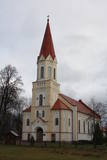 |
Храм неоднократно горел и строился снова. Теперешняя церковь построена в 1874 году, а после пожара 1927 года была восстановлена в 1932 году. Можно осмотреть алтарную икону«Иисус со святым причастием», две картины И. Зебериньша «Иисус у креста» и «Иисус благословляет детей» (1957 г.). Проспект органа является первым, построенным в «латышском» вкусе органом (резчик по дереву П. Планкус, 1936 г.), а сам инструмент номинирован как самая красивая и самая объемная работа лиепайского мастера Екаба Яугиеша. Трубы органа сделаны из дерева, что является редким случаем. Церковь можно осмотреть изнутри. |
|
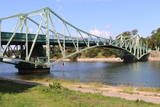 |
The bridge was built in 1906. Part of it was blown up during World War I and later restored. During the Soviet occupation, one needed special permits to cross the bridge. Military ships and other vessels used the canal, because one of the largest military bases in the USSR was sited here. In the summer of 2006, one month before the bridge’s centenary, a Georgian-flagged tanker, the Anna, rammed into the northern support structure of the bridge, and that destroyed the bridge’s turning part beyond recognition. The bridge was renovated and reopened in 2009. You can look at the bridge and cross it at any time.This is a unique engineering monument, and it is the only drawbridge of its kind in the Baltic States. It takes just five minutes to turn the two parts of the bridge.
|
|
 |
Парк находится в главной части усадьбы Биржувенай, на подступах к господскому дому. Для создания парка был использован рельеф долины реки Вирвите, а под парковые пруды была отведена старица реки. Для центральной части парка характерны черты регулярной планировки, тогда как остальная часть отличается пейзажным стилем. В партере напротив дворца стоит скульптура в античном стиле, а на западной окраине — деревянная беседка. В парке преобладают местные породы деревьев. Из интродуцированных растений здесь произрастают лиственница европейская, клен полевой, туя западная. На берегу реки выделяется группа дубов, а в центральной части — аллея из сердцевидных лип, ведущая до пруда по направлению к дворцу. |
|
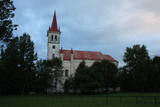 |
Meklējama Nīcgalē, starp Rīgas – Daugavpils šoseju (A 6) un Daugavas krastu. Baznīcu cēla (neogotikas stils) pēc muižnieka Henriha Plātera - Zīberga iniciatīvas 1862. - 1863. g., veltot to Jaunavas Marijas dzimšanai. Kā jau daudzas citas baznīcas, arī šī ēka un tās interjera priekšmeti cieta 1. pasaules kara laika notikumos. To atjaunoja 1922. gadā. Baznīcas iekārta ir saglabājusies no 19. gs. 60. gadiem, bet, centrālā altāra augšdaļu pārbūvēja 1957. gadā. Dažus gadus vēlāk - 1961. g. uzstādīja ērģeles. |
|
 |
От родного дома Атиса Кронвалда (1837 – 1875) – выдающегося латышского публициста, педагога и языковеда – «Леяс Мики» в Кроте Приекульского края ничего до сегодняшнего дня не сохранилось. На месте дома установлена мемориальная плита с надписью «Для каждого священно то место, где родился и вырос» (А. Кронвалдс). |
|
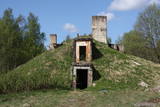 |
В настоящее время Планциемская часть связи бывшего СССР в Бартских лесах находится в частной собственности, на территории которой проводятся работы по сносу объекта.
|
|
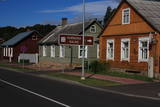 |
Центральной части Краславы, для которой характерна красивая невысокая деревянная застройка, присвоен статус памятника культуры. Лучшие виды на исторический центр города открываются с автостоянки у тропы Адамова, горы Карницкого, прилегающей территории к мосту через Даугаву (улица Проспекта) и смотровой вышки Приедайне на левом берегу Даугавы. |
|
 1 день
|
Dodieties ekskursijā, lai gūtu ieskatu lauku profesijā un dzīvesveidā, kā arī iegūtu jaunus iespaidus un labu atpūtu visai klasei. Ekskursijas laikā apskatiet līdz 16 m augsto stāvkrastu ar gana iespaidīgiem skatiem. Pēc tam apmeklējiet lauku maizes ceptuvi, kur iespējams izveidot un izcept pašiem savu kukulīti. Ekskursijas noslēgumā dodieties uz pili, kas pazīstama ar stāstiem par spokiem, par rūķīšu kāzām un citiem nostāstiem. Pils parkā apskatāma Mīlestības aleja un Rūķīšu ozola vieta. |
|
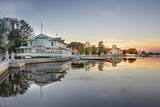 |
Haapsalu was once loved by aristocrats who stayed here during summers, nowadays this town is very appealing to its visitors because of its essence - tiny streets, old wooden buildings and promenade. Worth mentioning are also town's SPAs which were one of the reasons why Haapsalu was so popular its earlier years. Interesting enough, the famous composer Tchaikovsky considered this place one of his favorite's for spending the holidays. |
|
 |
С созданием курорта Нейбаде в 1823 году, началась забота об отдыхе гостей. Парк, разбитый в английском стиле, создал садовник Акерберг, которого барон Август фон Пистолкорсс привез из Эстонии. В 20-30-х годах 20 века Общество помощи и благоустройства Нейбаде заботилось о восстановлении разрушенного во время войны курортного памятника и парка, об уходе за ними, об украшении Саулкрасты, организовывало мероприятия, создало театр и хор, которым руководила Ольга Цируле. На эстраде в Саулкрасты всегда проводились праздники. Особо стоит упомянуть 16 июля 1933 года, когда на эстраде отмечали переименование Нейбаде и Петерупе в Саулкрасты. Эстрада была многократно перестроена и улучшена. Как в советское время, так и позже эстрада является местом встречи местных жителей, как в радостные минуты, так и во времена перемен, и в памятные даты. Здесь было положено начало созданию Саулкрастского отделения Народного фронта. Сейчас эстрада стала местом проведения досуга на летние выходные, посещая различные мероприятия. Ежегодно здесь происходит Саулкрастский городской праздничный концерт.
|
|
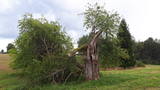 |
This is the thickest European wild apple tree in Latvia. It is just lovely when it is blossoming.
|
|
|
|
Калькис – населенный пункт, в
окрестностях которого попрежнему в
открытых карьерах добывают доломит
(карьер "Калнциемс2"). Часть карьеров
затоплена.
|
|
 | ||
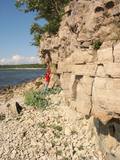 |
Nacionālā parka dienvidrietumdaļā jūrā iestiepjas Eldas pussala – skaists un ļoti omaļš ar kadiķu mežu (alvāriem) noaudzis zemes pleķītis ar interesantu jūras krastu, kur atsedzas silūra perioda nogulumieži. No pussalas gala, kurā slejas vecs Padomju armijas robežsargu tornis (apmeklējumam bīstams!), paveras visaptverošs skats uz Vilsandi salu (atpazīstama pēc bākas), Lonalaidas salu (Loonalaid) – otru lielāko Vilsandi arhipelāgā, Salavu (Salava) un citām mazākām saliņām. Dabas mīļotāji var uzmeklēt Eldas klinti (Elda pank) – ~ 2 m augstu un 0,4 km garu atsegumu, kura piekājē var atrast interesantas ūdens izskalotas fosilijas. |
|
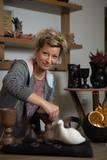 |
Одна из редких ремесленников, которые в процессе работы не используют гончарный круг, а работают в технике «улитки» или «колбаски» (подобно тому, как это делали в бронзовом веке), создавая работы, которые отличаются не только разнообразием форм, но и своей функциональностью. Дети могут заниматься в мастер-классах. Экскурсия, открытие печи и приобретение работ окуренной керамики. |
|
 14 дней
|
A panoramic tour of Lithuania and Latvia with highlights of nature experiences in the National parks and nature reserves. A variety of landscapes, nature attraction sites, birds and wild animals, forests and seashore. The tour also offers some cultural and historical insights. Baltic States are lucky to have plenty of untouched natural territories. During the Cambrian, Silurian and Devonian eras, the territory of the current Baltic States was often covered by seawater, which is why there are places where lots of geological evidence can be found about these periods in history. These are manifested not just in fossils and various geological objects, but also in the unique landscape. For example, The Gauja River basin is an outstanding locations for Devonian cliffs and caves. Other interesting elements of the terrain relate to the development of the Baltic Sea in the past – the Baltic Ice Sea and the Littorine Sea. That is well presented at he landscape of hillocks and valleys in the Slītere National Park. Many forests and bogs have remained virtually untouched as biotopes here. The Ķemeri, Slītere national parks were all established to protect wetlands. Rivers in the Baltic States have not been straightened and dense areas of buildings are not common. There are two “lands of lakes” in the Baltic States – Latgale and Augštaitija. The Baltic States are at the crossroads of the living areas of many different plants and animals, and that is why “northern,” “southern,” “western” and “eastern” species can all be found here. Some national parks have been established to protect distinctive local cultural heritage. |
|
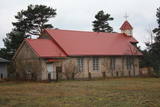 |
Atrodas ciema ziemeļdaļā. Neliela vienstāvu ēka ar svaigi nomainītu jumtu. Pēc vieniem avotiem celta 1883. gadā, citiem – pamatakmens ielikts 1933. g. 1. maijā. Tā tapusi pēc vietējo iedzīvotāju ziedojumiem uz Pirču māju zemes (saimnieks zemi atdevis dievnama celtniecībai). Baznīcas iekārta 2. pasaules kara laikā gāja bojā, tādēļ mūsdienās redzamā ir tapusi 20. gs. otrajā pusē. |
|
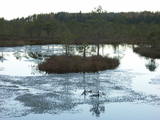 |
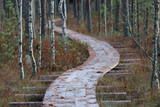
Познать уникальную природу заповедникaТейчи можно, отправившись на экскурсию под руководством гида по тропе Силду, которая была реновирована в 2013 году. Маршрут протяженностью примерно в 3 км пролегает по удобным деревянным мосткам. Вам откроется удивительный вид на нетронутый болотный ландшафт. Вы ознакомитесь с разными типами болота (верховые моховые, переходные и травяные), сможете увидеть окнища и мочажины с прочного основания мостков, а также посмотреться в зеркала двух болотных озер (Силду и Дзервитес) и посетить болотный остров Сиксала (Siksala). Тропу можно посетить только с сопровождением сотрудника Агентства по охранe природы с 1 июня по 31 октября. |
|


