
| No | Name | Description |
|---|---|---|
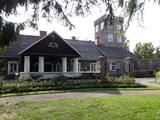 |
The Burbišķe Estate houses the Daugivene Culture and History Museum. The 28 ha territory is environmentally protected. The central part of the park has a pond that covers 3 ha and has 15 islands and 11 bridges, both large and small. Since 2000, the estate has hosted a tulip festival with some 300 types of tulips. |
|
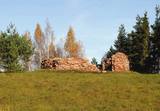 |
Swedish scanst (Kuce Hill, Jumprava Hill). Medieval fortification. The monument of national meaning
is located in the village Stari 450 m from Atspuki mill, 70 mto the Southeast from the ruins of Jumpravmuiža.
The territory is 0,7 – 1 m deep outside and 1 – 1,5 m high inside. The new road to the ruins of Jumpravmuiža
leads through the West side of the fortification.
|
|
 |
The restaurant is in the Park Hotel Latgola with a broad view of the city from the 10th floor. It offers Lettigalian and global cuisine. |
|
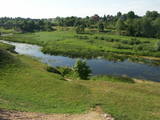 |
The Bauska Nature Park runs for several dozen kilometres along the Lielupe River and its tributaries – the Mūsa and the Mēmele. This is a protected territory. The shores of these rivers contain some of the largest dolomite cliffs in Zemgale. These are protected both as biotopes and as geological monuments. The rivers are important places for river lampreys and vimbas to spawn. Tourists will be attracted by the cultural landscape of the area, as well as the cultural monuments such as the Bauska castle, the Jumpravmuiža park, the Mežotne castle hill, Vīna Hill, the Mežotne castle, etc. The rivers are used for water tourism. |
|
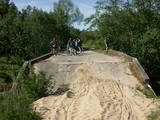 |
The Kauguri canal dug in 19321933
to divert the waters of the Džukste and
Slampe rivers to the Lielupe River to avoid
broader emergence of swamps.
|
|
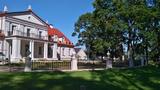 |
This mixed-type park dates back to the latter half of the 19th century and has remained all but unchanged. It is in a lovely place between two lakes, and its spatial structure was preserved when it was restored. The park covers 10 ha and has two parts. One is a fairly precisely rectangular territory alongside the state, surrounded by a stand of linden trees and introduced trees. The other part has a natural forest. The largest oak tree in the park has been declared to be a protected element of natural heritage. The mighty trunk of the tree is 6.3 m around, has a 2m diameter and stands 30.5 m high. |
|
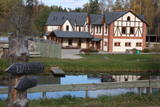 |
Established: 1890. The Wagner Garden is located near Lake Jumprava. Its originator was Friedrich Wagner, who grew fruit trees, decorative shrubs and flowers. This garden contains one of Latvia’s oldest and best collections of foreign trees and shrubs. There are trails for perambulations in the park.
Unique species: Todo Fir (Abies mayriana), among others. Guides for groups and individuals; please contact the garden in advance. Sale of plants
|
|
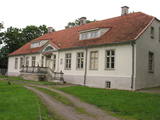 |
Muiža vēsturiskajos dokumentos pirmoreiz ir pieminēta 16. gs. Tagad redzamā vienstāva kungu māja ir vairākreiz pārbūvēta laikā no 17. – 19. gs. 1997. g. ēku vēlreiz atjaunoja un tagad tajā atrodas viesu nams un Vilsandi nacionālā parka apmeklētāju centrs, kur var iegūt ne tikai vērtīgu informāciju, bet arī apskatīt Vilsandi apkārtnē atrastās fosilijas. No Lonas muižas var uzsākt pārgājienu uz Vilsandi salu. Vienā no muižas ēkām ir izveidota Vilsandi nacionālajam parkam veltīta ekspozīcija. |
|
 |
Gallery Voronja is an art gallery where a high-quality international art programme is offered and every summer Onion Road is organised. The small garden café operates in the gallery every day with a menu inspired by local ingredients and additional flavours from the city environment. Customers can buy Voronja onion jam, chocolate sauce and other seasonal products.
|
|
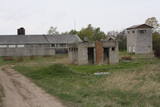 |
The former communications facilities at Pļavmalas are used as a farm warehouse at this time. They belong to a local farm.
|
|
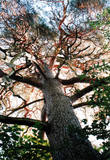 |
This is Latvia’s thickest common pine (Pinus slyvestris)
|
|
 |
Located in the centre of Madona, the café offers foods based on fruit and vegetables from its own garden. |
|
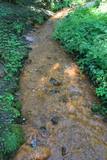 |
Расположен в 1,3 км к северо-западу от центра Акнисте, в небольшом отвершке Диенвидсусеи. Этот родник как источник здоровья известен с древнейших времен. Рассказывают, что в роднике, вытекающем на восток, вода обладает целительными свойствами. Особенно утром на Пасху, если помыть глаза. Родниковая вода содержит соединения железа, о чем свидетельствуют коричневые наросты (результат воздействия железобактерий). Рядом с родником есть камень с небольшим углублением, предположительно - старинный культовый камень. На краю оврага растет святая липа. Святой источник Салтупе можно обоснованно считать одним из самых значимых родников Латвии. |
|
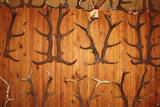 |
Преемник ливов, лесник Эдгар Хаусманис обустроил музей найденных в лесу рогов (более 600 экспонатов). |
|
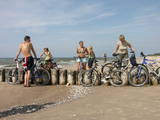 |
The most important aspects of this park are a shallow lagoon-type lake – Lake Pape, with its flood land meadows, the shore of the Baltic Sea, the Nida swamp, and the more than 270 different types of birds that have been spotted here. The oldest bird ringing station in Latvia (est. 1966) is found between Lake Pape and the Baltic Sea. Birds and bats are caught and ringed there. Lake Pape is the first place in Latvia where so-called “wild” horses (the “Konik” breed) were released with the aim of managing the flood land meadows.
|
|
 |
Как жили наши предки 1000 лет назад?Какую носили одежду? Какими орудиями труда и предметами быта пользовались? Ответы на эти вопросы Вы получите на ежегодном Фестивале викингов в Кирувере в июле, где встречаются любители исторической рекострукции из Эстонии, Латвии, Литвы и Финляндии. С мая по октябрь на озере стоит корабль викингов „Äge”. Круглогодично открыта для посещения природная тропа. |
|
 |
Трапезная «Даугава» расположена в центре города Краслава у шоссе А6. По предварительной записи предлагаются латгальские блюда в глиняной посуде. Работает пекарня и кондитерский цех. Особое блюдо: Мясо в горшочке чёрной керамики, бульбешники. |
|
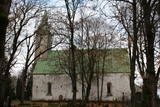 |
Vienīgā baznīca nacionālā parka teritorijā. Tā atrodas Kirblas (Kirbla) ciemā – uz neliela pacēluma, kas Baltijas ledus ezera laikā bijusi sala, kuru no visām pusēm ietvēris ūdens. Kirblas baznīcas pirmsākumi ir meklējami 16. gs. un par tās celtniecību saglabājušies dažādi interesanti nostāsti. Tas ir viens no mazākajiem Igaunijas dievnamiem (29 x 11 m). |
|
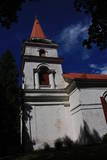 |
Проезжая по северному берегу Саукского озера (где перекресток на Клауци), сквозь деревья просматривается Саукская лютеранская церковь. Это третий храм на этом месте. Открытие состоялось в 1827 году, осмотру подлежит г.о. извне. Церковный алтарь украшен скульптурами апостола Петра и Павла и алтарной иконой Й.Деринга «Иисус у креста с Марией и Иосифом». Орган - работа елгавских ремесленников, но трубы органа - из Саукас.
|
|
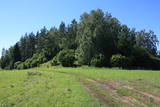 |
Находится в 3 км к югу от дороги Вецумниеки – Илуксте. Для несведущего поиск месторасположения городища может вызвать трудности, так как указатели не установлены. И упомянутый далее Ступельский Большой валун не так-то просто найти во время вегетации. Гора Ступелю, высотой около 30 м, является одним из крупнейших городищ исторического края Селии. Результаты исследования сообщают, что впервые поселение было покинуто в начале нашей эры, а затем было заселено в эпоху позднегожелезноговека. Интересен тот факт, что в окрестностях городища добывалось и обрабатывалось железо. Находки заставляют предположить, что на этом месте находился один из ранних «городов» края. У подножья западного склона горы Ступелю находится Ступельский Большой валун, длиной 6,7 м, шириной 5,6 м, высотой до 2,7 м,выступающий надповерхностью земли объем которого составляет 35 м3. Возможно, что камень служил культовым местом. Во время археологических раскопок (конец 70-х годов 20 века) вблизи камня были найдены старинные предметы 10 - 13 века.
|
|


