
| No | Name | Description |
|---|---|---|
 |
A café in Baloži, located 11 km from Riga, that offers a wide range of dishes for every taste, from breakfast and snacks to a variety of main dishes, both from local and European cuisines. An especially friendly place for families with babies. |
|
 |
The owner of the Russian farm (Vene talu) prepares delicious Russian national dishes according to her grandmother's recipes. Guests learn traditions and enjoy plenty of food. There is also a tea salon, and masterclasses for Russian cuisine. |
|
 |
Rečina Old-Believers Prayer House was built in 1912. It has a rectangular shape with a single-hall,
rubble-wall foundation and a small tower on the top of the altar.
|
|
 |
The saloon is opposite the Machinery Museum on the edge of Bauska. The nationally historical interior allows visitors to comfortably feel different than others. Latvian cuisine: Oatmeal, milk soup, pumpkin soup, cold beet soup, homemade steak haché, potato pancakes, crepes, bread soup. |
|
 |
GiLine ir ģimenes uzņēmums, kurš ražo konfektes Konfelāde un sīrupus. Konfelāde ir sulas konfektes, kas ražotas no Latvijā iegūtām augļu un ogu 100 % sulām, neizmantojot konservantus un garšas pastiprinātājus. Ražošanas procesā tiek izmantots roku darbs. Arī sīrupā izmantotas tikai dabīgas izejvielas. Piedāvā radošās ekskursijas ražotnē. |
|
 11 days
|
On this tour there are the finest cultural and historical heritage left behind over the course of several centuries – medieval castles, different manors and splendid palaces. Part of the route goes through Gauja National Park with some excellent views of meadows and ancient forest, where farmsteads carry on with their unchanging lives. A picturesque road connects three castles - Sigulda, Turaida and Krimulda - situated on the high valley sides of the Gauja river. Further on, the road passes one of the oldest churches in Latvia and heads to two attractive 19th century manors at Birini and Igate. Next day, relax in luxury at Dikļi manor hotel. The tour then goes through charming medieval town Cesis with mighty castle ruins and a newer castle alomgside. The other part of the tour makes a loop formed by Zemgale's distinctive castles and palaces. It includes Jaunpils Castle, barely changed since medieval times, Dobele Castle ruins and Tervete ancient hillock. Located a short ride from each other are 15th century Bauska Castle, strategically situated between two rivers, the classically styled Mežotne Palace hotel and the most famous pearl in the Baltics - splendid baroque and rococo style Rundāle Palace surrounded by a French park. |
|
|
|
Hauptstadt von Hiiumaa. |
|
 |
Regīna Kalniņa is one of the best known craftswomen in Kurzeme. She weaves blankets and shawls and knits colourful mittens. She also sews Rucava and Nīca folk costumes. The process of weaving and knitting can be viewed. Regīna’s products are widely demanded in Latvia and in other European countries. |
|
 |
Viengadīgo krāšņumaugu, ēdamaugu dēstu audzēšana. Dažādu krāsu un formu tomātu audzēšana segtajās platībās. Ar 2021. gadu tomātu pārstrāde - sulas un pulvera ražošana. |
|
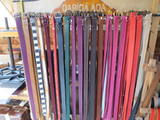 |
This workshop manufactures belts, bags, jewellery (pendants, brooches, bracelets), as well as covers. It offers book binding services and prepares souvenirs. Tours are available for groups of up to 50 people. You can try your own hand at the crafts, taste teas, and cook soups on an open fire. |
|
|
|
Evidence found at Dievukalns tells that Baltic tribes lived at this place 3,000 years ago the, but in 7th and 9th here at the Daugava Livs tribes settled. Bishop of Riga built stone castle at the bank of the river Daugava (first mentioned in the 1229), whose ruins you can see today as well. Lielvarde is an inspiration for such people of cultural awakening time as Andrejs Pumpurs (1841-1902) and Auseklis (1850-1879). During World War I (almost three years Daugava served as front line) Lielvarde was completely destroyed. After the World War II, here, as well as elsewhere in the Latvian territory, begins the establishment of collective farms. During this time Lielvarde became known for another symbol - "Lacplesa" beer. Today Lielvarde is a favourite of travellers, who have chosen to make their route along the right bank of the Daugava. |
|
|
|
The Apakšceļs road – a lonely, forested and ancient road between
Košrags and Dūmele, with lots of interesting stories about the old Pitragupe
windmill, which never did grind any grain (the foundations are still there), and
about the boiler of a wrecked ship which a local baron used to produce tar.
This used to be a horse path which crossed the Bažas swamp. The great rock
of Dūmele is impressive, indeed.
|
|
 |
This farm has been offering cheese for 20 years, with milk coming from its own dairy cows. The farm sells cheese at major markets and fairs in Latvia. |
|
|
|
Pamatīgs trīsstāvu koka tornis, no kura atklājas viens no labākajiem Matsalu līča un tā apkaimes palieņu pļavu skatiem, kuras apsaimnieko mājlopi, veidodami piemērotu vidi dažādām putnu un augu sugām. Laba migrējošo zosveidīgo putnu vērošanas vieta. Tā kā tornis ietilpst Tūlingu (Tuulingu) saimniecības teritorijā – spēkrats ir jāatstāj netālu esošajā autostāvlaukumā, bet suņi jāved piesieti kakla siksnā. |
|
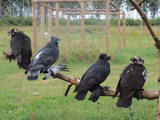 |
You can take an individual trip through the mini-zoo or have a guide to accompany you. You will see 16 types of doves, a Vietnamese pigmy pigs, river rats, rabbits, chinchillas, goats, parrots, turtle doves, ducks, geese, chickens, pheasants, and other birds. Children will love feeding the animals and establishing contacts with them. |
|
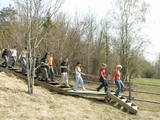 |
This path is found on the right bank of the ancient Abava river valley. The visitor will be able to view places where underground streams create wetlands, various kinds of meadows, a stand of juniper bushes, etc. The area is “managed” all year long by “wild” cows. The shore of the ancient valley can be climbed (some 200 steps), and the view is magnificent. It is recommended that the trail be visited in the company of a knowledgeable guide. There is a shorter path that is 600m long, along with a longer one that is more than a kilometre in length. It will take an hour or so to traverse it. Objects are found in the ancient Abava valley nature park.
|
|
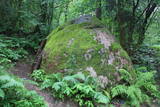 |
200 m attālumā no Gulbenes – Madonas ceļa mežainā nogāzē iegūlis 2,4 m augstais akmens. Tā lēzenajā virsmā iekalta ap metru gara, 0,3 m plata un ap 4 cm dziļa iedobe, bet akmens šķautnē - pakāpieni. Uzskata, ka šis ir sens kultakmens, pie kura ziedots. Lai nokļūtu līdz akmenim, vasaras otrajā pusē var nākties brist pa garu zāli. |
|
|
|
The restaurant "Barons Bumbier’s" is situated in the shopping centre "Kurzeme", at the very heart of the city next to the place which is knows as the heart of Liepaja – the Rose Square. The restaurant offers substantial traditional Latvian cuisine. The menu is designed in a way for every gourmande to get to know and evaluate traditional dishes of Latvian cuisine, which, cooked by experienced chefs, will surprise anyone with its variety. Latvian cuisine: Vegetable soup, cold beet soup, sliced pork, strawberry soup. |
|
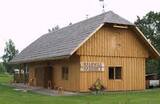 |
The carpenter’s workshop offers special excursions and events for grown-ups and children; there are some thematical programmes available. Under the guidance of a craftsman it is possible to work with traditional wood-working tools and get to know ancient games. In the end you will have a chance to try special „strengthening” tea and have a picnic in a romantic Bonfire house. It is possible to buy wooden souvenirs as well as order them. |
|
 2 days
|
Here you will learn about home-based manufacturers, farms, companies and others in Latgale that produce various dairy products such as milk, yogurt, cottage cheese, cheese, ice cream, etc. Start in Preiļi, which is known as Latvia’s cheese capital. The route passes along the Teiči nature reserve, with a viewing tower at the side of the road, also crossing Lubāna wetlands, which are of European importance for environmental protection. Drive on to Rēzekne (churches, a monument to Māra of Latgale, “Gors,” “Zeimuļš”, etc.). Nature lovers will love the Rāzna National Park with Lake Rāzna, Mākoņkalns hill and the master ceramicist Evalds Vasiļevskis. From Dagda, head to Aglona, which is a centre for Roman Catholic worshippers, and Lake Rušons before returning to your starting point. |
|


