Природные объекты в Литве
Что особенного в природе в Литве?
Куршская коса - песчаный, пустынный участок земли между Балтийским морем и Куршским заливом, холмистые ландшафты Жемайтийского региона, голубые зеркальные лабиринты озер в Аукштайтийском регионе, сосновые леса в Дзукийском регионе, Изгибы долины реки Немана и многочисленные региональные природные парки, созданные не только для защиты природы, но и для отдыха и интереса людей - это природные ценности, привлекающие гостей Литвы.
Действуй ответственно - следуй Зеленому совету!
| Обзор | Подробности |
|---|---|
 |
Литва
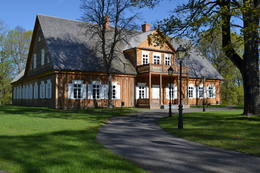
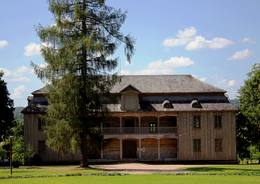
ПАРК УСАДЬБЫ БИРЖУВЕНАЙПарк находится в главной части усадьбы Биржувенай, на подступах к господскому дому. Для создания парка был использован рельеф долины реки Вирвите, а под парковые пруды была отведена старица реки. Для центральной части парка характерны черты регулярной планировки, тогда как остальная часть отличается пейзажным стилем. В партере напротив дворца стоит скульптура в античном стиле, а на западной окраине — деревянная беседка. В парке преобладают местные породы деревьев. Из интродуцированных растений здесь произрастают лиственница европейская, клен полевой, туя западная. На берегу реки выделяется группа дубов, а в центральной части — аллея из сердцевидных лип, ведущая до пруда по направлению к дворцу.  1-12 1-12


Услуги
1-12 Месяцы активного сезонаСервисы - другие
Принимаются индивидуальные посетители
Принимаются туристические группы
Место с конкретным временем работы, которое следует уточнить заранее |
 |
Литва
Burgberg SeredziausEine der malerischischen Burgberge am Fluss Nemunas mit schöner Sicht aufs Flusstal. In 13 – 14 Jh. befand sich hier eine militäre Festung, die nicht erhalten ist.  145 145
Услуги
145km - Расстояние от столицы |
 |
Литва
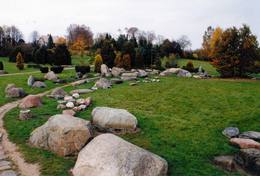
The Salantai Regional ParkThe terrain in this territory was created during the Ice Age. There are the ancient river valleys of the Minija, Salantas and Erla rivers, along with groups of rocks.
УслугиСервисы - отдых
Природная тропаFor hikers, the largest collection of open-air rocks can be found in the village of Mosėdis (the collection was put together by Vaclavas Intas). There is also a museum of unique rocks there. At Salantai-Orvydų sodyba is a unique farm with installations featuring rocks and other objects. You can also hike the Šaukliai nature trail (2 km). For more information: www.salanturp.lv (only in Lithuanian). |
 |
Литва
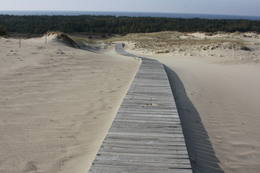
The Dunes of Courland National ParkThis is the only place in the Baltic States where there is such a vast territory of open-air sand dunes which still change the local terrain very actively because of the wind. The only Sea Museum and Dolphinarium in the Baltic States can be found here.
Услуги
325km - Расстояние от столицыСервисы - отдых
ВеломаршрутYou can bike from Nida to Smiltynė (>50 km along a bike route).
Природная тропаHike the Raganu Hill trail (1.6 km), the Naglių pathway in the sandy area of the nature reserve (~1.5 km), or the Parnidžio dune information trail (~2 km). 
Наблюдение за природойWatch for birds on Garnių Hill and throughout the area during migration season. Views from the Naglių and Parnidžio dunes, as well as from the Hageno and Miškos galva dunes. For more information: www.nerija.lt (available in English). |
 |
Литва
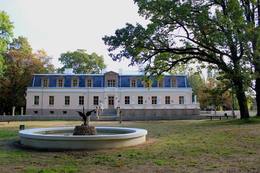
РЕГИОНАЛЬНЫЙ ПАРК ЖАГАРЕЖагаре с давних пор славится особым сортом вишен «Žagarvyšnė» («Жагарская вишня»). Существует несколько разновидностей этого сорта, которые различаются по времени созревания, урожайности, форме деревьев и другим признакам. Эти вишни и сейчас растут почти в каждом местном саду, став уникальным символом поселка Жагаре. |
 |
Литва
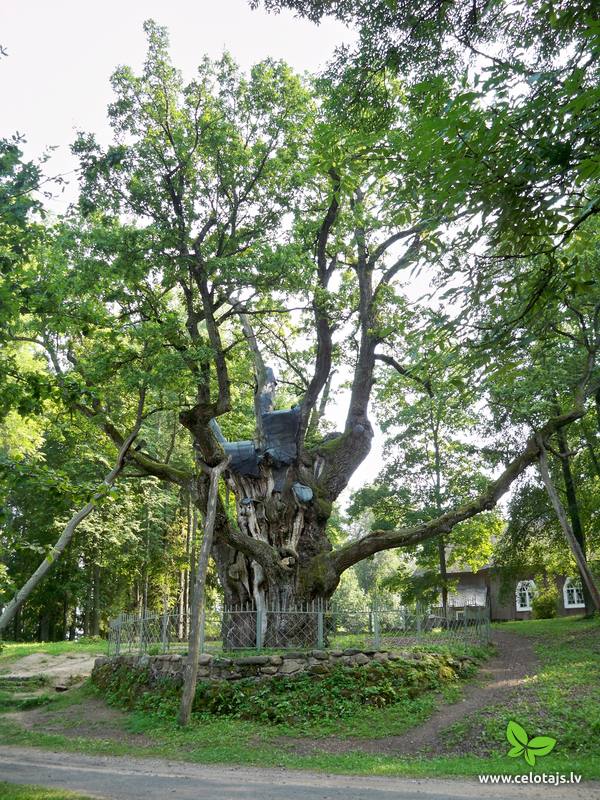
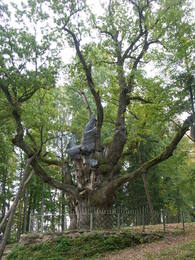
The Stelmuzės oak treeThis is the thickest English oak (Quercus robur) in Lithuania, with a circumference of 9.4 m (as opposed to the Kaive oak in Latvia, which has a circumference of 10.18 m).
|
 |
Литва
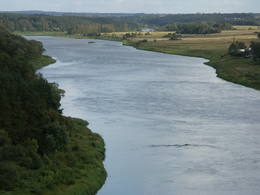
The Curves of Nemuna Regional ParkThis lovely part of the Nemuna River between Alytus and Pakuonis meanders through cliffs that are up to 40 m high.
Услуги
91km - Расстояние от столицыСервисы - отдых
Прогулка на кораблике/лодкеSpend two days boating from Alytus to Birštonas.
ВеломаршрутBike the Žvėrinčius forest trails (15 km).
Природная тропаHike the Velniabliūdis information trail (1.5 km) or the Škėvoniai information trial (1.6 km).
Наблюдение за природойViews from the Balbieriškis and Škėvonis cliffs, as well as the Punia and Rumbanių castle hills. For more information: www.nemunokilpos.lt (available in English). |
 |
Литва
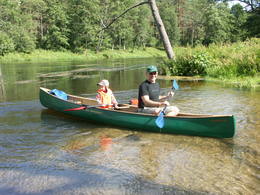
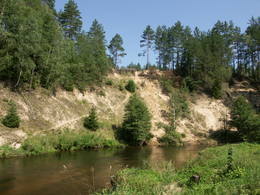
Ula (Ula) un Merke (Merkys)Ūla ir viena no skaistākajām un likumsakarīgi – arī populārākajām Lietuvas ūdenstūristu upēm. Tās galvenā pievilcība ir skaistā ainava ar augstajiem upes krastiem, kuros slejas iespaidīgas smilšu kraujas līdzīgi kā Irbes krastos Latvijā. Laivošanu var sākt no Mančagires (Mančiagirė) vai Zervinos ciemiem un turpināt līdz Ūlas ietekai Merķē un tālāk pa Merķi līdz pat Merķinei un Nemunai. Ūla nav plata, taču posmā no Zervinos ciema tajā nav neviena koku aizgāzuma vai cita šķēršļa, kuram laiva būtu jānes apkārt. Ašā straume, asie līkumi, dzidrais ūdens un tajā redzamā zemūdens pasaule rada patiesi patīkamu sajūtu! Upes krastos atrodas gan publiskas (apsaimnieko Lietuvas valsts meži), gan privātas ūdenstūristu apmetnes un atpūtas vietas. Šī ir vienīgā Baltijas upe, kur ūdenstūristiem ir jāpērk licence. Ūlas krastos atrodas divi interesanti apskates objekti – Ūlas atsegums (Ūlos atodanga) un spēcīgs avots – Ūlas acs (Ūlos akis). Savukārt, Merķe jau ir jau krietni platāka upe, taču ar acīm redzamu straumi un dažviet pat jaukām straujtecēm. Kaut arī Merķes krasti ir mazapdzīvoti, tajos atradīsim piemērotas nakšņošanas vietas. Pa Ūlu un Merķi no Zervinos līdz Merķinei sanāk „mierīgs” pusotras - divas dienas ilgs brauciens. |
 |
Литва
Rusnė IslandA island in the delta of Nemuna. Etnographical museum, Uostadvaris lighthouse, bird watching tower. 304
Услуги
304km - Расстояние от столицы |
 |
Литва
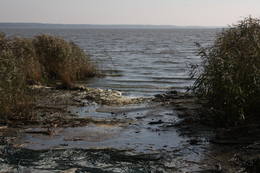
Kurisches HaffDas beinah 100 km langes und bis zu 36 km breites aus dem Süßwasser bestehende Haff, das im Norden mit der Ostsee verbunden ist. Das Haff trennt vom Merr die eindrucksvolle Kurische Nehrung. Ins Kurische Haff mündet der größte Fluss Litauens Nemunas ein. 310
Услуги
310km - Расстояние от столицы |
|
|
Литва
Veisieji regionalais parksVeisieji reģionālais parks (Veisiejų regioninis parkas) veidots (1992.g.) Sudavas augstienes (Sūduvos aukštuma) ainavu, bioloģiskās daudzveidības un kultūras pieminekļu aizsardzībai. Viena no parka bagātībām ir ezeri, kuru iegarenās formas liecina par ledāja darbības rezultātu. Pēdējā apledojuma laikā šeit atradusies ledāja mala. Ezerus (kopā – 37) ieskauj lielāki meža masīvi uz kontinentālām (iekšzemes) kāpām, kas piemēroti atpūtai dabā, dabas vērošanai, ogošanai un sēņošanai. Parkā ir iekārtotas peldvietas, kur patīkami gremdēties vasaras tveicē, izveidotas dabas takas, bet mazās upītes, kas savieno ezerus, ir piemērotas braucieniem ar kanoe laivām. Veisieji reģionālā parka teritorijā ir liela augu un dzīvnieku daudzveidība. Šeit tiek aizsargātas arī tādas retas sugas kā Eiropas kokuvarde Hyla arborea (parka simbols), purva bruņurupucis Emys orbicularis, dažādas orhideju sugas u.c.  138
138
Услуги
138km - Расстояние от столицы |
 |
Литва
The Dzukija National ParkThis territory is Lithuania’s most forested area, and people here have always lived in accordance with nature. Local treasures include berries, mushrooms, honey, clean water from streams and rivers, etc. People here have engaged in various crafts, as well as in beekeeping.
Услуги
110km - Расстояние от столицыСервисы - отдых
Прогулка на кораблике/лодкеTake a one or two-day boat ride down the Ūla River (you will need a permit, which can be obtained at the visitor centre in Marcinkonys). Boat to the Merkys River and then down the Merkys River to Merkinė.
ВеломаршрутBike the route Marcinkonys-Puvočiai-Mardasavas-Mančiagirė (or Zerviynos)-Marcinkonys (up to 40 km).
Наблюдение за природойViews in the Džukija forests. Views from the Ūla cliff and the Liškiava and Merkinė castle hills. There are visitor centres in Marcinkonys and Merkinė. For more information: www.dzukijosparkas.lt (available in English). |
 |
Литва
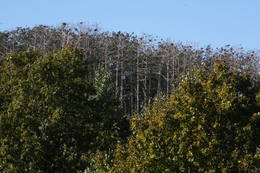
Garnu kalns (Garnių kalnas)Aiz Jodkrantes (Nidas virziens) ceļa labajā pusē ir izveidots autostāvlaukums un labiekārtota vieta, no kuras apskatāma Lietuvas (atrodamas ziņas, ka arī Eiropas) lielākā zivju gārņu Ardea cinerea un jūras kraukļu Phalacrocorax carbo kolonija, kur kopā varētu būt ~ 3000 putnu. Neaizmirstiet līdzi paņemt tālskati! 355
Услуги
355km - Расстояние от столицы |
 |
Литва
ПАРК УСАДЬБЫ КУРТУВЕНАЙМесто, где стояла усадьба Куртувенай, окружено старым парком геометрически-пейзажной планировки. Во второй половине XIX в. парк отличался ландшафтным стилем (т. е. повторял естественный природный ландшафт) с некоторыми элементами геометрической структуры. Территория парка составляет 4,2 га. Здесь до сих пор произрастают старые липы, клены, ясени, дубы, другие декоративные деревья и кустарники — в целом более 20 пород древесных растений 1-12
Услуги
1-12 Месяцы активного сезонаСервисы - другие
Принимаются туристические группы
Принимаются индивидуальные посетители
Место с конкретным временем работы, которое следует уточнить заранее |
 |
Литва
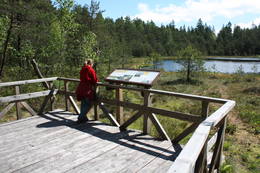
Seires dabas taka (Seirės gamtos takas)Četrus kilometrus garā lokveida un marķētā dabas taka meklējama Plateļu pilsētiņas ziemeļaustrumu daļā. Tā ved pa dažādiem biotopiem – mežu, purvu, ezera malu, atklājot dažādas ainavas un tajās mītošās augu, putnu un dzīvnieku sugas. Šī ir interesantākā un ainaviskākā no Žemaitijas nacionālā parka takām. 307
Услуги
307km - Расстояние от столицы |
 |
Литва
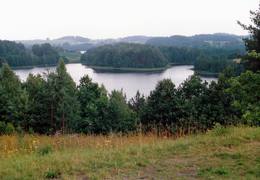
Hügel LadakalnisVermutlich ein heidnischer Hügel. Schöner Blick auf die 6 Seenlandschaften. Ein Symbol vom Nationalpark. 122
Услуги
122km - Расстояние от столицы |
 |
Литва
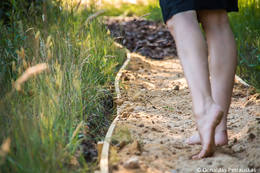
УСАДЬБА СУРВИЛАСОВ ДЛЯ СЕЛЬСКОГО ТУРИЗМАНа хуторе Сурвиласов, что расположен неподалеку от деревни Швейцария Йонавского района, можно почувствовать природу всеми пятью органами чувств, ведь здесь есть необыкновенная тропа для прогулок босиком, на которой гостя ждут и шишки, и топь, и торф, и глина, и гравий, и шлифованное стекло, и хвоя, и солома, и полоса препятствий, и много чего еще. Протяженность тропы составляет более километра, благодаря чему босоногий путник получает всю гамму неизведанных доселе ощущений, положительных эмоций и наплыв энергии. 1-12


Услуги
1-12 Месяцы активного сезонаСервисы - удобства
Предлогают ночлегСервисы - другие
Принимаются туристические группы
Принимаются индивидуальные посетители
Место с конкретным временем работы, которое следует уточнить заранее
Посещение по предварительной заявке |
 |
Литва
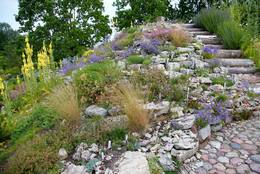
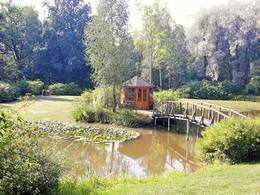
Vilnius University Siauliai Academy Botanical GardenБотанический сад является подразделением Шяуляйского университета. Это самый молодой и самый небольшой по площади ботанический сад в Литве. Сад был заложен в 1958 г. Его общая площадь составляет 6,54 га.  3-10
3-10
Услуги
3-10 Месяцы активного сезонаСервисы - другие
Принимаются туристические группы
Принимаются индивидуальные посетители
Место с конкретным временем работы, которое следует уточнить заранее
Посещение по предварительной заявке |
 |
Литва
ЖЕМАЙТИЙСКИЙ БОТАНИЧЕСКИЙ ПАРК ИМ. ИЗИДОРЮСА НАВИДАНСКАСАЭто один из первых ботанических парков в Литве. Парк заложил в 1928 г. Изидорас Навиданскас, которому тогда было всего 16 лет. В 1965 г. парк получил название Жемайтийского ботанического парка, а Изидорас вместе со своим сыном Раполасом, который в настоящее время является владельцем парка, продолжали расширять его.
1-12
Услуги
1-12 Месяцы активного сезонаСервисы - другие
Принимаются индивидуальные посетители
Принимаются туристические группы
Место с конкретным временем работы, которое следует уточнить заранее |
 |
Литва
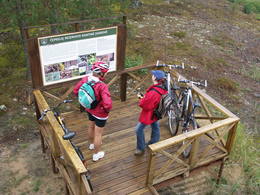
The Cepkelių Nature ParkThis is Lithuania’s largest mossy swamp, and the Čepkeliu Nature Reserve was established to protect it. Before visiting the swamp, you must register at the Dzūkijos National Park’s visitor centre (Marcinkonys, Šilagėlių gatve 11). УслугиСервисы - отдых
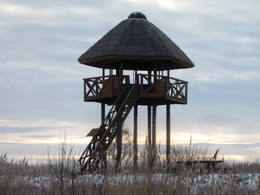
Природная тропаYou can hike or bike a sandy forest road from Marcinkonys (where the reserve has a museum) (~5 km), which will bring you to the western edge of the swamp. There’s a viewing tower atop a high dune, and from there you will be able to scan a broad territory. There’s a 1.5 km trail right there with a viewing platform atop the swamp. For more information: www.cepkeliai.lt (only in Lithuanian).
|
 |
Литва
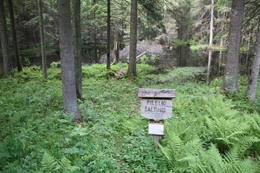
Plokstines izzinas taka (Plokstinės pazintinis takas)Ja apskatīta kodolraķešu bāze, tad var iziet 3,2 km garo Ploštines izziņas taku, kas sākas turpat netālu. Taka ved cauri dažādiem mežu tipiem, iepazīstinot ar sikspārņu būrīšiem (cilvēka radītas sikspārņu dzīves vietas), apkaimes augiem un putniem, kā arī aizsargājamu dabas pieminekli – Pileļu avotu (Pilelio šaltinis). 302
Услуги
302km - Расстояние от столицы |
 |
Литва
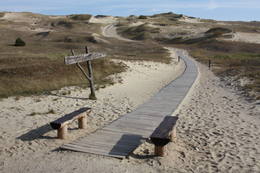
Negelsches Naturreservat (Naglių rezervatas)Die Dünen nördlich Pervalka über dem ehemaligen Dorf Negeln. Eine 9 km lange Strecke mit den wüstenartigen Landschaften. Stegpfade. 356
Услуги
356km - Расстояние от столицы |
 |
Литва
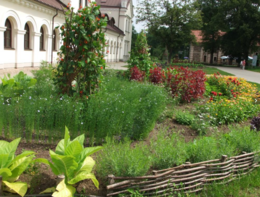
БОТАНИЧЕСКИЙ ОГОРОД ИМ. ТРАУПИСАЕдинственный в Литве школьный ботанический огород был заложен в 1989 г. в Школе им. Трауписа. Все коллекции растений (в целом здесь произрастает уже более 8000 видов, форм и сортов) были собраны одним человеком – С. Обелявичюсом.
4-9
Услуги
4-9 Месяцы активного сезонаСервисы - другие
Принимаются туристические группы
Принимаются индивидуальные посетители
Место с конкретным временем работы, которое следует уточнить заранее
Посещение по предварительной заявке |
 |
Литва
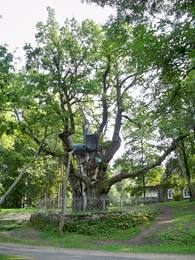
ПАРК УСАДЬБЫ СТЕЛМУЖЕПарк усадьбы Стелмуже, что находится к югу от озера Стелмуже, был заложен в середине XVIII в. На холме здесь стоит костёл Креста Господня, к которому со всех сторон стекаются извилистые дорожки. Среди растительности преобладают липы, клены, дубы, вязы, березы, ели, ясени, сосны. У подножия холма можно найти Колодец счастья, прогуляться по дубовой аллее. Деревня Стелмуже также славится своим огромным дубом. Это самый старый и самый толстый дуб в Литве и одно из самых древних деревьев во всей Европе. Его возраст предположительно составляет 1500–2000 лет, в диаметре он достигает рекордных 3,5 м (чтобы обхватить его ствол, потребуется 8–9 человек), а его высота составляет 23 м. 1-12
Услуги
1-12 Месяцы активного сезонаСервисы - другие
Принимаются индивидуальные посетители
Принимаются туристические группы |
 |
Литва
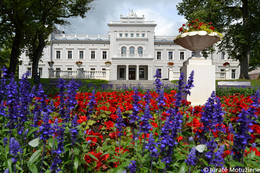
ПАРК УСАДЬБЫ ПЛУНГЕПлунге славится парком князей Огинских. Парк смешанного типа был разбит на месте жемайтийской священной рощи в XVIII–XIX вв. Гордостью парка являются один из древнейших и крупнейших в Литве дубов, получивший имя языческого бога Перкунаса (Перуна), легендарная Плачущая липа и Пятиствольный ясень. По указанию князя Огинского здесь было вырыто семь каскадных прудов, соединенных каменными мостами-шлюзами. Уникальную живописность парку придает протекающая по нему река Бабрунгас. 1-12
Услуги
1-12 Месяцы активного сезонаСервисы - другие
Принимаются индивидуальные посетители
Принимаются туристические группы
Место с конкретным временем работы, которое следует уточнить заранее |
 |
Литва
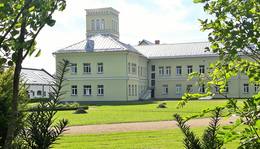
ПАРК УСАДЬБЫ РЕТАВАСПарк усадьбы Ретавас некогда был самым большим пейзажным парком в Литве. Он был сформирован в 1848–1855 гг. в естественном прореженном лесу, а в 1904–1905 гг. реконструирован. Парк отличается смешанной планировкой. Основную часть растений парка составили местные деревья и кустарники, однако здесь произрастало и немало «чужестранцев». До наших дней дошли несколько парковых аллей, фрагменты ограды, Белые и Красные ворота, сторожка. В парке была оборудована сложная система водоемов: несколько прудов, излучина реки Юра, остров посреди старицы. 1-12
Услуги
1-12 Месяцы активного сезонаСервисы - другие
Принимаются индивидуальные посетители
Принимаются туристические группы
Место с конкретным временем работы, которое следует уточнить заранее |
 |
Литва
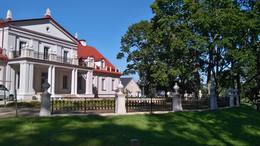
ПАРК УСАДЬБЫ ИЛЬЗЕНБЕРГПарк усадьбы Ильзенберг отличается смешанной планировкой и сохранился в почти первозданном виде — таким, каким он был создан во второй половине XIX в. на живописном месте с выразительным рельефом, между озерами Апваласас и Ильгис. При восстановлении парка была сохранена его пространственная структура. Парк занимает 10 га и состоит из двух частей. Первая — это сравнительно правильная прямоугольная территория у дворца, ограниченная рядами сердцевидных лип и пейзажными группами местных и интродуцированных деревьев. Вторая часть представляет собой зеленые насаждения по типу естественного леса. Старый дуб из парка усадьбы Ильзенберг объявлен объектом природного наследия и находится под охраной государства. Охват ствола этого гиганта составляет 6,3 м, диаметр — 2 м, а высота — 30,5 м. 1-12

Услуги
1-12 Месяцы активного сезонаСервисы - удобства
Предлогают ночлегСервисы - другие
Принимаются туристические группы
Принимаются индивидуальные посетители
Место с конкретным временем работы, которое следует уточнить заранее
Есть возможность заказать еду |
 |
Литва
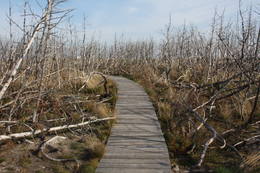
BrändeNahe der Beerkopfdüne ist im Frühling 2006 „ein Brand der Jahrhunderte” gewessen. Es wurde der hundert Jahre alte Wald in der Fläsche von 235h ausgebrannt. Ein Pfad mit Holzbelag. 314
Услуги
314km - Расстояние от столицы |
 |
Литва
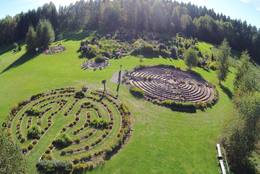
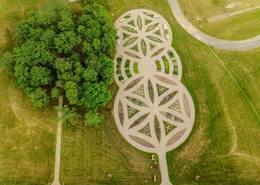
ПАРК ЭНЕРГЕТИЧЕСКИХ ЛАБИРИНТОВ И ГЕОМЕТРИЧЕСКИХ ФИГУРВ парке находятся пять лабиринтов с декоративными растениями, цветами и лекарственными травами: чабрецом, флоксами, старинными сортами пионов, окопником, зверобоем, жасмином, хеномелесом (японской айвой), зорькой халцедонской, борцом клобучковым, душицей, эстрагоном, примулой, пижмой, чистотелом, девясилом, мятой, золотарником, таволгой и мн. др. Самый длинный маршрут составляет 1,7 км, а общая протяженность дорожек всех пяти лабиринтов: около 4,5 км. Также в парке выставлены три геометрические фигуры: купол, мандала, меркаба. 1-12

Услуги
1-12 Месяцы активного сезонаСервисы - другие
Принимаются индивидуальные посетители
Принимаются туристические группы
Место с конкретным временем работы, которое следует уточнить заранее
Pre-order required
Есть возможность заказать еду |
 |
Литва
МУЗЕЙ БАЛТИЙСКИХ ТРАВВ 2014 г. при посредничестве Ботанического сада Шяуляйского университета был основан Музей генофонда балтийских растений. Посетителей ждет объект площадью 0,34 га, длиной 85 м и шириной 40 м.
5-9
Услуги
5-9 Месяцы активного сезонаСервисы - другие
Принимаются индивидуальные посетители
Принимаются туристические группы
Место с конкретным временем работы, которое следует уточнить заранее
Посещение по предварительной заявке |