
| No | Name | Description |
|---|---|---|
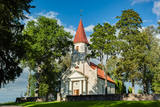 |
Pastāv uzskats, ka tieši Rubenē izveidojusies pirmā latviešu draudze. Baznīcas altārdaļa būvēta jau 14.gs., bet pati baznīca savu pašreizējo izskatu ieguvusi 1739. gadā.Būtiska baznīcas interjera sastāvdaļa ir Ķieģeļu muižas mantinieces Barbaras Helēnas fon Budbergas 1762. gadā dāvinātais kroņlukturis ar Krievijas impērijas divgalvaino ērgli un zaru ornamentiem uz bumbas. Baznīcā redzama arī zīme (1869. g.), kas ir veltīta pusgadsimtam kopš dzimtbūšanas atcelšanas. Pastāv vairākas teikas par Rubenes baznīcas nosaukuma rašanos. Viena no tām vēsta, ka, sargājot baznīcu no velna, tās sienā iemūrēta sieviete un vīrietis, kura vārds bijis Rubens. Baznīca esot nosaukta viņam par godu.Vēl viena versija vēsta, ka baznīcas nosaukums cēlies no rubeņa, kas sēdējis kādā no kokiem, kas vēlāk izmantots baznīcas celtniecībā. |
|
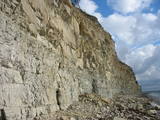 |
The highest and most beautiful wall of cliffs on Saaremaa Island (up to 21 m high), stretching along some 3 km. During strong winds from the W or NW, a part of the cliff is washed by the waves of the sea. The open face of the cliff has limestone, marls and dolomite, and there is a wealth of fossils at the base of the cliff – corals, stromatoporids, etc.
|
|
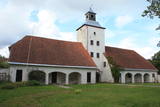 |
The complex dates back to the 17th and 18th century, when a fortress was replaced by a mansion and other buildings. The rectangular yard that is in the centre of the state is surrounded by the mansion, two granaries with columns that were built opposite one another, a stable and a wheelhouse. The stable and wheelhouse, the bell tower and the gate create the most impressive part of the buildings. Bells were rung because of religious rituals, but also to inform people at the estate about everyday issues. The silhouette of the building is reminiscent of cloisters, city halls and churches that were common in Europe in the 18th century. In 1780, the estate was taken over by the family of Karl Otto von Löwenstern, and the mansion can only be viewed from the outside. There is a hiking trail near the estate. |
|
 |
Tillu is a home café located in Põlva farm store. The place has a slightly eclectic, bohemian vibe, but is warm and cosy at the same time. Pastries and pies are made here every day, therefore the place is filled with pleasant aromas. |
|
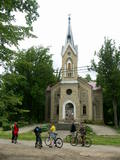 |
18 A. Upīša Street. The church was built in 1897 in the Neo-Gothic style (Architect H. Shel) and it is one of the few19th century city brick buildings. In the church there is the altarpiece "Christ healing the sick" - I. Zeberliņš (1943). You can see the church from the inside during the worship or by a prior arrangement. Near the church, you can see a monument designed by E. Laube (1926) to 80 Latvian riflemen who died in World War I and who were buried in the Warrior's Cemetery near the river Vēršupīte. Near the cemetery, there are also buried J. Kārkliņš and F. Siliņš, fighters of the Kauguri Battle of May 18, 1919. By a prior arrangement, tourist groups can see the church from the inside. |
|
 12 days
|
The tour introduces visitors to varied landscapes, local traditions and historic sites. Travellers are usually surprised that such a small territory holds so many contrasts. Riga offers a medieval Old Town and elegant Art Nouveau district, then comes Sigulda with three castles on the high banks of the Gauja river valley. Saaremaa island is a pleasure to drive around with good quality, quiet roads, windmills, medieval churhes and ethnographic villages. Tallinn has its walled Old Town while Lahemaa national park has an almost mystical landscape There is also elegant Palmse Manor. The tour goes through sleepy villages in eastern Latvia with distinctive pottery, ancient culinary traditions, and the Catholic pilgrimage site of Aglona. Vilnius' historic centre has distinctive baroque churches. The massive sand dunes of the Curonian Spit and Nida with its characteristic blue framed windows are among Lithuania's most attractive sights. Trakai has its picturesque medieval castle on the lake as well as the small Karaitis ethnic comunity with their unique traditions and food. Port towns Klaipeda and Liepaja have both developed into bustling modern cities with lively cafe culture. |
|
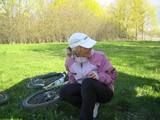 |
The 60 km cross-border cycling trail along the Koiva/Gauja River in Estonia and Latvia was completed in 2010. The trail begins at Tellingumäe car park, start and finish points of the trail and the border crossing site are supplied with resting areas and information boards with maps. Signposts are located at crossroads where there may be confusion for cyclists; attractions near the main route are also signposted. Information boards are provided in Estonian, Latvian and English. Tellingumäe car park is also a starting point for an 18-km cycling route. |
|
 |
Jaanioja Farm is located in the heart of Lahemaa National Park. The farmstead features camping grounds, an outdoor kitchen, sauna and smithy. The farm organises creative camps, fairy tale games, celebrations of folk calendar holidays and handicraft workshops for all ages. Rag dolls, quilted and patchwork items and other crafts are on sale. |
|
 |
Until 1724, the Cecina semi-estate belonged to the Hilsen dynasty. When daughter Jadviga married Jans Šadurskis, the estate was recorded as the Malnava Estate in 1774. Ownership of the estate changed hands several times. The mansion is built in the style of Classicism with Baroque elements. The granary is on one side of the yard, while the mansion is on the other side. During agrarian reforms in the 1920s, the estate was one of the largest ones in Latvia, covering 12,400 ha. The mansion was damaged during World War Ii, and the original interior design was lost during reconstruction. Among other buildings, the granary, built in the style of Classicism during the first half of the 19th century, has been preserved, as have several other buildings. The park of the estate has exotic bushes and trees, as well as two cement bunkers, one of which was briefly visited by Adolf Hitler. The estate also has a vodka distillation facility where you will learn all about the process from antiquity to the present day. |
|
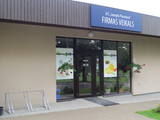 |
The Jaunpils Dairy was opened more than 100 years ago, in 1912, and it produces semi-hard and soft cheeses, cottage cheese, cream, desserts and other dairy products. Only milk from Latvian farmers is used, and the products are exported to more than 17 countries in the world. Products are also sold at the store that is adjacent to the company. |
|
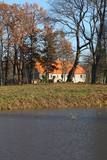 |
The residential building was erected in the early 18th and renovated in the middle of the 19th century. Restoration of the manse and its ancillary buildings is continuing even today. Since September 2009, the Latvian Evangelical Lutheran Church has housed its Recollection Centre at the manse. The ruins of an old stable can be seen. |
|
 |
You can watch blacksmiths at work at this smithy, and you can order metal decorations, fences and other products on the basis of individual agreement with the blacksmith. |
|
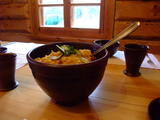 |
In Seto Tsäimaja, belonging to Setos Museum, you can enjoy dishes from earthenware made according to Setos traditions, listen to Setos songs and music instruments. |
|
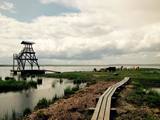 |
Engures apkaimē aug 22 no Latvijā sastopamajām 32 orhideju dzimtas sugām .Lai dabas parka apmeklētājiem dotu iespēju aplūkot šīs interesantās augu sugas, ierīkota Orhideju taka. Kopējais takas garums ir 3.5 km, tā sākas netālu no Engures Ornitoloģisko pētījumu centra, līkumo caur kalcifilajiem purviem un mežam putnu novērošanas torņa virzienā, un aizvijas tālāk gar atjaunoto ezera piekrastes pļavu, kurā mīt govis un zirgi. Takas sākumā novietotajā informācijas zīmē attēlotas ne tikai apkārtnē sastopamās orhidejas. Tur iespējams gūt daudzpusīgu informāciju arī par citām interesantām Engures ezera dabas parka augu sugām.
|
|
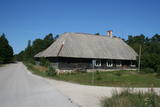 |
A school that was moved from Žocene was here during the 1850s, and it is alongside the Ģipka church. In 1938, a company from Dundaga opened a shop here to sell goods of basic necessity. (Source: Roja TIC) |
|
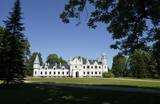 |
The Castle was restored recently and now exhibits life and history of a noble family on three floors. Tour guides have numerous stories and legends to tell, visitors can make their personal castle souvenirs. |
|
 |
Aktīvās atpūtas parka “Godiņu Piedzīvojumu Platforma” piedāvā organizētus pārgājienus, ejot ar kājām, braucot ar velo, nūjojot, skrienot, vienam, ar draugiem, ar ģimeni, ar kolēģiem, ar četrkājaino draugu. Venlaikus ir iespēja baudīt koka flautas brīnumainās skaņas meža ielokā un pašam izgatavot savu pūšaminstrumentu. |
|
 |
The Cīruļi farm is in the Rings of Daugava Nature Park and in the village that is called "Lielie Muļķi" (Big Fools). The owners have more than 100 hives of bees, share experience, talk about the lives of bees and offer tastings and purchase of products. There is a chance to look and buy paintings by the owner who will talk about the "Lielie Muļķi" (Big Fools) village. |
|
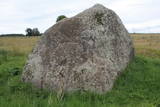 |
Atrodas 4,5 km ziemeļos no Rīgas – Daugavpils šosejas (A 6), klajā laukā (ap 3 m augsts, ainavisks). Viens no izcilākajiem Latvijas muldakmeņiem, tādēļ ir vērts izmest kādu loku. Akmens augšdaļā ir iekalts gandrīz 2 m garš un ~ 20 cm dziļš muldveida iedobums. Atrodamas ziņas, ka vēl 19. gs. vidū pie akmens ir ziedots ēdiens, monētas u.c. priekšmeti. Pie tā dedzināti ugunskuri un svinēti svētki. Teikas vēsta, ka velns muldā lējis ūdeni un gribējis mīcīt mīklu, kā arī parāvis zem akmens tuvējo māju saimnieku. |
|
 |
Café Roomassaare is located near Kuressaare, providing a picturesque view of the Roomassaare yacht pier. In the summer season, the café mostly prepares dishes from local products, offering both locals and tourists a simple and clean combination of local flavours. A lot of fish as well! |
|


