
| No | Name | Description |
|---|---|---|
 12 days
|
The route includes some of the most authentic local expediencies travelling through blue lake districts along the Eastern part of Latvia and Lithuania. This is a region where mass tourism has not yet arrived, and you find very sincere and hospitable people, traditional villages, many churches and cult locations which bring together paganism, Roman Catholicism, Lutheranism, Russian Orthodoxy and Old believers, |
|
 3 days
|
This route invites you to visit the Kurzeme region and try the traditional dishes there. The tour starts from Riga and takes you to some beautiful nature areas for a walk that will serve as physical exercise to build up an appetite. You will feast on traditional smoked fish at Dieniņas Fishermen's Yard, take a masterclass in baking “sklandrausis”, a traditional carrot pie, visit fishing villages in Slītere National Park, and savour refined meals in Ventspils city pubs. Nice attractions en route are the steep coast of the Baltic Sea in Jūrkalne and the medieval town of Kuldīga. In a 19th century watermill, which nowadays is an organic farm, the hostess will give you a masterclass in cooking regional dishes from fallow deer, trout, vegetables and fruit. The last stop on the return back to Riga is the Chocolate Museum at Pūre. |
|
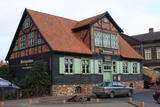 |
From the historical and architectural perspective, this is an interesting monument to urban construction between the 17th and 19th centuries. Old Liepāja is in the area of the old market and Kuršu Square, where merchants sold their wares beginning in the 1560s. Until 1792, Kuršu Square was also where punishments were implemented. The current Pētertirgus pavilion was installed alongside the square in 1910. A map shows that the network of streets has partly preserved the chaos of street planning that was typical in Medieval towns. |
|
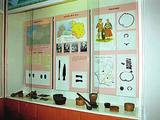 |
Viļāni Museum of Local History. Permanent exposition of the
town history from the ancient times to nowadays. Tours in Viļāni.
Working hours: Mon– Fri : 8.00 – 12.00,13.00 – 17.00, Sat., Sunday : closed |
|
 |
Pokaiņu mežs atrodas 13 kilometru attālumā no Dobeles, braucot Īles virzienā. Tas, izvietojies uz stāviem pauguriem un dziļām ielejām, veido neparasti gleznainu ainavu. Mežā grupās, kaudzēs, akmens upēs un valnīšos, atrodas slavenie Pokaiņu akmeņu krāvumi. Krāvumi daudziem cilvēkiem liek sajust savdabīgus enerģijas strāvojumus - vieni redz vīzijas, bet citi – uztver informācijas plūsmu. Takas ved pa pagurainu apvidu.
|
|
 |
This popular eatery is in the centre of Ogre and in a pre-World War I building that housed Soviet military headquarters during the Soviet era. Musical evenings are organised. Latvian cuisine: Cheese plate, mutton soup, mushroom soup, grits with mushrooms, filet of catfish, wild berry sorbet, pancakes. Special foods: Baked cheesecake with berries. |
|
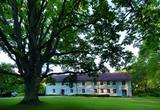 |
The first mention of Pēterupe Rectory goes back to the late 17th century. The Manor Park and the buildings have partially survived to the present day, including a linden alley at the end of Smilšu Street, planted by the pastor Jānis Neilands in 1879 and the grand oak planted by Johann Wilhelm Knierim in 1869. After the fire of 1908, the Rectory was restored and partially rebuilt. In Soviet times, the property was removed from the parish and the house was named “Līgotnes”. During German times the Rectory was occupied by legionnaires. After the war, the building of the Rectory was turned into a hospital, then into a secondary school and later it was transformed into a block of flats for teachers. Now the building again belongs to the parish and it is inhabited by a priest of the parish and his family. |
|
 3 days
|
Saaremaa, kas no igauņu valodas tulkojumā nozīmē "salu zeme" ir kā neizskaidrojams magnēts, kas ik vasaru pievelk ne tikai daudzus Latvijas, bet arī ārvalstu ceļotājus. Neparastais ar salām izraibinātais un zilais jūras klajs, savdabīgās kadiķu pļavas - alvāri, seni, neredzētas formas Dievnami, Baltijas tautām nozīmīgi vēstures pieminekļi - pilskalni, pils, nepieredzēta sugu, īpaši - putnu bagātība, vējdzirnavas, Eiropas iespaidīgākais meteorīta krāteris, senie zvejnieku ciemi ar salenieku parašām un īpatnībām - tās ir tikai dažas salas iezīmes. Salas galvaspilsēta - Kuressaare ir viena no skaistākajām Igaunijas mazpilsētām ar senu rātsnamu un rātslaukumu un vienu no iespaidīgākajām viduslaiku pilīm Baltijā, kurai pēc izskata nav līdzīgu. Kuressaare vērts pasēdēt kādā no pilsētas krodziņiem. Saaremaa salā ceļotāji tiek gaidīti vienmēr, par ko liecina labi pārdomātā un kvalitatīvā tūrisma infrastruktūra. Sala ir īsta paradīze ne tikai mierīgas atpūtas meklētājiem, bet arī visa veida aktīvās atpūtas piekritējiem - kājāmgājējiem, velobraucējiem, jūras viļņu vagotājiem un dabas vērotājiem! |
|
 |
The granary of the Dviete Estate magazine is on the side of the Dviete-Bebrene road. The restored building dates back to 1874 and was used as a prayer house from World War I until 1929, when the Dviete Catholic Church was rebuilt. |
|
 |
The largest Japanese garden in Europe (16 ha) was established in 2007 by Japanese designer Hajime Watanabe and Dr Šarunas Kasmauskas, merging religion, art and respect for nature. |
|
 |
The saloon is in the restored complex of the Smuku Estate (16th century). During the summer, meals are served on the terrace of the “Zirgu stallis” guesthouse, while during the winter, they are served alongside the fireplace in the bar. Latvian cuisine: Milk dumpling soup with dried bacon (Kurzeme lunch), herring baked on coals, stacked rye bread with whipped cream, “countryside milk bun” (fresh milk, sugar, cinnamon, berry sauce), a cheesy potato with honey-roasted pork. |
|
 |
Guests to the Dīķīši homestead in the Amata Parish will be greeted by several Samoyed dogs and intelligent little donkeys that will bring the guests to a place for glamping next to the pond. You can hike down two trails of different lengths of enjoy the opportunities that exist when Latvians share places where they find mushrooms and berries. A special adventure is creating artworks from natural materials that have been collected in the forest. The accommodations are appropriate for people who use a wheelchair. The lavatory has been adapted to the needs of such people, as well. People who are interested in cultural history can tour a collection of Latvian folk costumes, trying them on and organising their own photo session. People who enjoy extreme feelings will enjoy a ride on a quadricycle. If you love to go fishing, bring your own inventory. We organise fire rituals for birthdays and family celebrations, and we’ll also offer soup that has been cooked on a campfire, as well as a master class in cheesemaking. |
|
 |
The saloon is alongside the Liepāja-Ventspils road (P111), alongside the restored wooden bridge across the Rīva River. The interior design is based on the sea. During the autumn, the large windows open up a view of salmon leaping across the dam of the windmill. Latvian cuisine: Chilled soup, baked potatoes in their jacket, baked filet of flounder and cod, baked herring in a sea buckthorn marinade, pork chop with mushrooms, sausages with marinated onions, grey peas with bacon, mashed potatoes, stacked rye bread, oatmeal with whipped cream. |
|
 |
A cosy café in the centre of Liepāja. Offers coffee, delicious cakes and great food. Every morning at around 5 a.m., the croissant master starts to work in order to have fresh croissants ready to serve for 9 a.m. |
|
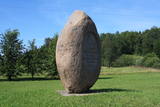 |
The G.F. Stender Museum is at the former Laši pastoral estate, 500 m to the Northeast from the Nereta-Ilūkste road. Gotthard Friedrich Stender (1714-1796), also known as Old Stenders, was the author of the first broader Latvian language grammar book (1761), the first Latvian-German and German-Latvian dictionary (1789), the first Latvian primer (1782), and the first illustrated primer, “ABC of Pictures” (1787). He worked as a pastor in Sēlpils and Sunākste and was born at the Laši pastoral estate, at which one of the buildings now contains a small museum. A memorial stone (sculptor I. Folkmanis, architect N. Tamane) is alongside the Nereta-Ilūkste road. |
|
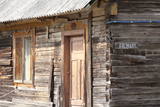 |
Vāldamõ – a residential building that is yellow and has natural roofing materials. It was built as a new farm at the beginning of the last century. Virgo is the next homestead to the North from Vāldamõ, and it was established as a new farm in the 1920s. The house (1930) features interesting wood carvings. Next to the North is Fīlmaņi, which has a building that appears antique, but was built in the early 20th century as a single roof. Silkalni is the homestead that we find if we turn to the right toward Pitrags at the crossroads. The yellow building was built around 1906 as a single room. Norpiedagi is to the South from Silkalni – a brown and larger house than the previous one. The home was built around 1906 as a one-room granary by the active Liv public activist and boat builder Diriķis Volganskis (1884-1968). His son, Edgars Valgamā, who was also a Liv cultural activist and worked as a pastor in Finland, was born here. Anduļi can be found at the aforementioned crossroads. This is one of the largest old farms in the village, and it is owned by the village elder. The history of the homestead was first recorded in 1680, when it was called Kūkiņi. The homestead includes a residential building (c. 1909), a threshing barn (1905), a granary (mid-19th century), and a smokehouse made of a boat that was cut in two. Under the part of the threshing barn which is on the back of the dune, there is the medieval, so-called Plague cemetery. Žoki is a homestead that is on the other side of the road from Anduļi. The building that is there now was built on the foundation of an older one. In the mid-19th century, Žoki was home to the first reading school for Liv children from the seashore villages of the Dundaga region. Liv Nika Polmanis (1823-1903) worked there as a teacher. Next to the North of Žoki is the Tilmači homestead, with several buildings that were built in the late 19th and early 20th century – a brown residential building, a stable and part of a granary. When the residential building was restored, the owner found a board reading "1825. Kurlyandskaya gubernya." The seven historical homesteads and buildings were at one time considered for listing on the UNESCO list of world heritage. |
|
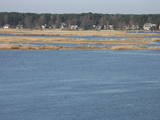 |
The restricted area protects the seashore meadows of the Lielupe River estuary, which are a very uncommon habitat in Latvia. The restricted area is on the left bank of the river, where one of the largest areas of wild swamp angelica is found. This is an important nesting area for birds. The territory is not improved for tourism, and it should be viewed from the Baltā (White) dune that is on the opposite bank of the Lielupe River. From there, the visitor will see a lovely landscape featuring the river estuary and the meadows which are around it.
|
|
 |
Ičas apmetnes ciems ir sena dzīvesvieta Ičas upes krastos. Apmetne atklāta 1937. gadā. Tā bijusi apdzīvota neolītā (4500 - 1500 pr.Kr.) un bronzas laikmetā (1500 - 500 pr.Kr.). Apmetnē dzīvojuši amatnieki, zvejnieki, mednieki.
|
|
 |
The cafe is situated in Sabile, where you can eat fast and tasty food. Banquets up to30 people. |
|
 |
Ideja par "DA'ZIEPE" radās iedvesmojoties no Amatas novada dabas un idejas par pilnvērtīgu pieejamo resursu izmantošanu. Ziepes tiek gatavotas no liellopu vai briežu taukiem, augu eļļām un ziepju zālēm, kā arī papildinātas ar dažādām ēteriskajām eļļām un dabīgajiem aromātiem. |
|


