
| Nr | Nosaukums | Apraksts |
|---|---|---|
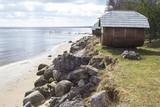 |
Sens lībiešu ciems, ar lībisko nosaukumu Mustanumm. Vēl 20. gs. vidū šeit dzīvoja lībieši. Melnsilā pie Baķupītes ietekas Rīgas jūras līcī, Landmaņu, Moricu un Otomeru dzimtas pārstāvji uzbūvēja trīs buriniekus. Melnsilā atrodas divas kultūrvēsturiskas vietas: senā kulta vieta - Baķu baznīckalns un jūras laupītāja Tromeļa pilskalns. (Avots: Rojas TIC) |
|
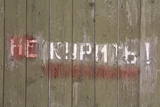 |
Plaša teritorija dienvidos no Pāvilostas, kur izvietotas kādreizējās padomju armijas apvienotās noliktavas un naftas bāze. Pašlaik teritorija tiek izmantota celtniecības materiālu ieguvei un kā kokapstrādes darbnīcas. Pie teritorijas izvietotas brīdinājuma zīmes "Bīstami, apdraud dzīvību", kas jārespektē!
|
|
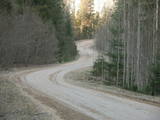 |
Pēc izmēriem, salīdzinoši ar Lielajiem Kangariem, - mazāks oss. Ap 10 km garie un līdz 16 m augstie Mazie Kangari izlokas gar Buļļu purvu. Dabas liegums veidots osa, Buļļu purva, dažādu mežu tipu un reto augu sugu aizsardzībai. Uz osa izveidota auto apstāšanās vieta.
|
|
 |
Sakopta zemnieku saimniecība un dārzs, apskatāmi truši un dažādi mājputni - vistas, cālīši. |
|
 |
Mājražošanas uzņēmums no Jaunjelgavas novada Seces pagasta. Savu hobiju (kūpināšanu) uzņēmuma saimnieks ar pieredzi papildinājis vairāku gadu garumā, taču plašākam pircēju pulkam produkcijas klāsts piedāvāts no 2013. gada. Uzņēmumā tiek kūpinātas lielākoties tikai Latvijā audzētas zivis, ar tradicionālām metodēm, izmantojot alkšņu malku, nepievienojot e-vielas. Piedāvājumā ietilpst arī kūpināta vistas gaļa, jūras asari, kā arī citi kūpinājumi. |
|
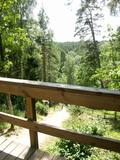 |
Jaunais un modernais koka skatu tornis atrodas Tērvetes dabas parka rietumdaļā. No tā paveras skats uz plašajiem Tērvetes siliem, Tērvetes upes ieleju un Zemgales līdzenuma lauksaimniecisko ainavu. Tornis atvērts laikā no marta vidus līdz novembra vidum. Maksas ieeja. |
|
 8 dienas
|
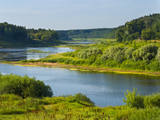
Daugavu ne velti sauc par mūsu Likteņupi, Sirdsdaugavu, Māmuliņu. Tā kā liela un pilnasinīga ūdens artērija plūst cauri mūsu zemei un vēsturei. Vikingi to esot pazinuši un izmantojuši jau no 5. gadsimta. Krāslava kā sena Daugavas pilskalna vieta bezbailīgajiem kuģotājiem bijusi labi pazīstama, jo lejpus tās varējis kuģot ar uzvilktām burām, tā dēvēta sāgās par Dynasaiforgarðr. |
|
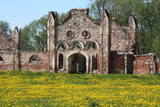 |
Atrodas Preiļu dienviddaļā. Padomju laikā pilī izvietoja dažāda tipa iestādes, līdz 1978. g. izcēlās ugunsgrēks, kā rezultātā cieta ēkas augšējā daļa. Līdz pat šodienai pils nav atjaunota un apskatāma no ārpuses. To ieskauj viens no izcilākajiem Latvijas ainavu parkiem (19. gs. vidus). Muižas kompleksu ir vērts izstaigāt Irēnas Kjarkužas pavadībā, kas ekskursijas laikā stāsta interesantas teikas un dzied latgaļu valodā! |
|
 |
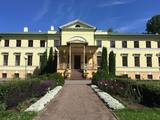
Celta 18. gs. beigās agrīnā klasicisma stilā kā grāfu Mellīnu dzimtas īpašums. Mākslinieciski vērtīgi K. V. Kalopkas zāles dekorējumi (1792. g.) un krāsnis (19. gs. beigas). Parks. |
|
 |
Vieta, kur stāsta stāstus par NAUKŠĒNU DISKO zemē dzimušajiem, ienākušajiem un palikušajiem. Te iespējams atklāt sevī igauni, sevi iekļaut muzeja pamatkrājumā un uzzināt savu augumu NAUKŠĒNU PIRKSTOS, bet svaru - NAUKŠĒNU KILOGRAMOS. Vieta domājošiem cilvēkiem, kuri nebaidās pasmieties par sevi un nav aizspriedumu pilni. Muzeja, muižas un parka apmeklējums notiek gida pavadībā. Ekskursijas ilgums - apmēram 1 stunda 30 minūtes. Muižās kungu namā (Lauvu namā) ir apskatāma lielā balles zāle, upes puses terase un muižas vēstures ekspozīcija. Pārējā kungu nama daļa un citas ēkas apmeklētājiem nav pieejamas, jo muižas kompleksā izvietota Sociālās korekcijas iestāde «Naukšēni». Parkā apskatāma centrālā daļa ap strūklaku, mušeli (parka estrādi) un Siera tornis. Piedāvā eļļu degustāciju, kā arī iegādāties. |
|
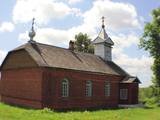 |
Borisovas vecticībnieku kopienas lūgšanu nams uzcelts laika
posmā no 1911. līdz 1921. gadam. Atšķirībā no citiem lūgšanu
namiem apkaimē Borisovas dievnams ir veidots no ķieģeļiem un atrodas kalna pakājē. Zvans šim dievnamam speciāli tika pasūtīts Pēterburgā, un tas izceļas ar savu īpaši maigo skanējumu.
|
|
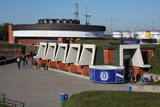 |
Atrodas Kopgaļa cietoksnī. Tā akvārijā apskatāmas Baltijas jūras u.c. pasaules jūru un okeānu zivis un dzīvnieki, tiem veltīta ekspozīcija, pingvīni un roņi. Cietokšņa pulvera pagrabos ir izvietota Lietuvas kuģniecības ekspozīcija, bet uz bastioniem – seno ieroču kolekcija. Baltijas valstīs vienīgais delfinārijs. |
|
 |
Atrodas Rojas dienviddaļā, Tukuma – Kolkas (P 131) ceļa malā, viesu nama „Zītari” pirmajā stāvā, ap 0,3 km attālumā no jūras. Piedāvā ēdināšanu, organizē dažādus pasākumus, pludmales ballītes. |
|
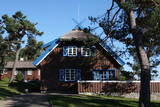 |
No Nidas centra gar Kuršu jomas promenādi ir jādodas Preilas (ziemeļu) virzienā. Pēc ~ 15 min gājiena kreisajā pusē paceļas augsta kāpa – Ošves kalns (Uošvės kalnas), kuras galā slejas simpātisks divstāvīgs koka namiņš ar lielisku skatu uz Kuršu jomu. Te vasaras pavadījis Nobela prēmijas laureāts – izcilais vācu rakstnieks Tomass Manns (1875. – 1955.). T. Manns Nidā nodzīvoja trīs vasaras (1930. – 1932.), kur strādāja pie dažādiem darbiem, t.sk. romāna – „Jāzeps un viņa brāļi". |
|
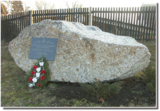 |
Lāčplēša Kara ordeņa kavaliera Augusta Muižuļa piemiņas akmens novietots Lapmežciemā, autoceļa (P 128, Jūrmala - Talsi) malā pie 9. kilometru stabiņa. A. Muižulis (1893. – 1941.) bija 4. Valmieras kājnieku pulka pulkvežleitnants. Blakus esošie Tuteņi ir viņa dzimtās mājas. |
|
 |
Kafejnīca "Gaļas nams" atrodas Jēkabpils centrālajā daļā. Cep picas, smalkmaizītes, kūkas, tortes un kliņģerus. Piedāvā kūpinājumus, brieža un mežacūkas delikateses, vietējo mājražotāju un zemnieku produktus. |
|
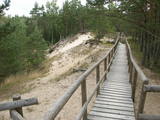 |
Taka izvijas augšup un lejup gar Pilsupes lejteces stāvajiem krastiem un atklāj skaistus skatus uz trīs balto smilšu atsegumiem (lielākais no tiem – t.s. Baltā kāpa, kas ir apmēram 20 metrus augsta un ir veidojusies pirms 6000 gadiem ). Apkaimes kāpu masīvs ir veidojies Litorīnas jūras periodā pirms vairākiem tūkstošiem gadu. Takas garums ir 900 m, un apskatei nepieciešamais laiks ir ~ 0,3 h. Tās apkārtnē ir atrastas akmens laikmeta apmetnes liecības. |
|
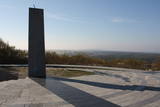 |
Otra vieta Kuršu kāpu Lietuvai piederošajā teritorijā, kur var iepazīt „tuksneša ainavu". 52 m augstās Pārnidas kāpas apskati var sākt ar Saules laikrādi (celts 1995. g., godinot Lietuvas neatkarības atgūšanas dienas piecgadi), no kura paveras Baltijas valstīm neparasta ainava līdz pat Lietuvas – Krievijas robežai. Te joprojām ir redzamas ceļojošās kāpas, kas radās 18. gs., cilvēkiem izcērtot mežus! Interesanti (īpaši vakaros!) ir arī skati uz Nidas pilsētiņu un Nidas ostu. Kuršu jomas pusē ir izveidota marķēta dabas izziņas taka, kas ved (sekojiet līdzi marķējumam!) arī pa kāpas smiltājiem. Šīs vietas apskatei ir jārēķinās ar ~ 1h. Uzmanību! Novirzīties no takas un pārvietoties pa kāpu smiltājiem nav atļauts! |
|
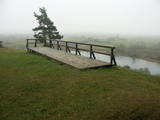 |
Atrodas Dagdas dienvidrietumu daļā, 100 m no Daugavpils ielas. Viens no retajiem Latvijas pilskalniem, uz kura plakuma uzbūvēta skatu platforma. No tās paveras plašāka ainava uz Luboneņa ezeru un tuvāko apkaimi. |
|
 |
Pirmā stacijas ēka
bija uzcelta jau 1877. g. līdz ar dzelzceļa atklāšanu.
Kādu brīdi stacijā pienāca vilciens Maskava – Ķemeri,
bet līdz 1920. g. no stacijas līdz Jaunķemeru pludmalei
kursēja tramvajs. 1. Pasaules kara laikā nopostīto
dzelzceļa stacijas ēku no jauna uzcēla 1922. gadā
(arhitekts A. Medlingers). Savulaik tā bijusi pirmā
Latvijas brīvvalsts laikā uzceltā būve Ķemeros. Stacijas
ēku vēlreiz pārbūvēja jau pēc 2. Pasaules kara. Stacijas
ēkā atrodas Ķemeru velonomas punkts.
|
|


