
| Nr | Nosaukums | Apraksts |
|---|---|---|
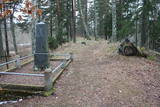 |
Viduslaiku un pagājušā gadsimta sākuma kapsēta pie Mazirbes baznīcas. To iejož apsūnojis akmeņu žogs. Te meklējami vairāki interesanti objekti – Vilkača kaps, Vecā Taizeļa kaps, dižpriede u.c. |
|
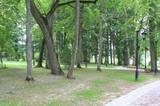 |
Dabas piemineklis - aizsargājamie dendroloģiskie stādījumi „Vārkavas parks” atrodas Upmalas pagastā, tā platība ir 2,7 ha, aizsardzībā kopš 2001. gada, teritoriju apsaimnieko Vārkavas novada dome. Parks ierīkots 19. gs. Sākumā, spriežot pēc lielākiem ozoliem ( ap 200 g. veci), pārējie stādījumi ierīkoti 19.gs beigās. Parkā aug vietējās koku un krūmu sugas - kļavas, oši, egles, apses, ozoli, trauslais vītols, liepas, gobas, lazdas, Eiropas segliņi, ievas u.c., kā arī parkā aug vairāk nekā 10 eksotu koku un krūmu sugas, nozīmīgākās no tām – aslapu kļava, cukura kļava, pūkainais filadelfs, smaržīgā apse, sudrabvītols, Ungārijas ceriņš, Krimas liepa, platlapu liepa. |
|
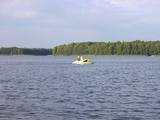 |
Līčainā un pussalām bagātā Ciriša ezera (atrodas Ciriša dabas parkā) klājs rotājas ar vairākām salām, no kuras lielākā – Upursala savā koku lapotnē ir paslēpusi Upurkalnu - senu latgaļu pilskalnu. Tā pakājē konstatētas senas apmetnes liecības un atrastas trauku lauskas, akmens kalts un citi priekšmeti. Salas austrumdaļas piekrastē izveidota laivu piestātne, bet apkārt salai - labiekārtota dabas taka. Pilskalnā uzvedīs koka kāpnes. Laivu var sarunāt viesu namā „Aglonas Cekuli”. |
|
 5 dienas
|
Vēsturnieki teic, ka līvi jeb lībieši senajā Latvijas teritorijā atpazīstami laikā jau no 10. gadsimta. Viņi apdzīvoja Ziemeļkurzemi, Daugavas un Gaujas lejteces, no Ģipkas līdz Ovišiem, kur joprojām atrodami piejūras zvejniekciemi ar lībisku izcelsmi. Piejūras iedzīvotāji vienmēr ēduši dažādi gatavotas jūras, upju un ezeru zivis: kūpinātas butes, reņģes, mencas, brekšus un lučus, ceptus nēģus, sālītas brētliņas, reņģes un siļķes. Svaigs mazsālīts Baltijas lasis ir delikatese. Uz oglēm cep veselas zivis: zandartu, foreli, karpu, samu vai asari. Viesi var piedalīties zivju ķeršanā un kūpināšanā. No visa pa druskai var pamēģināt, pasūtot degustāciju galdu. Rudzi nogaršojami rupjā un saldskābā maizē, sklandraušos, pat pankūkās un piparkūkās. Vidzemes pusē cep miežu plāceņus. Gardi gatavo mājlopu un mājputnu gaļas ēdienus, gadu mijā – cūkas šņukuru ar zirņiem vai krāsnī ceptu piena sivēnu. Krogu piedāvājumā ir medījumi ar brūklenēm, sēnēm un citām savvaļas garšām. Piedevās pasniedz rudens saknes, ķirbi, pupas vai grūbas. Ēdienus papildina grēcīgi gardas mērces. Tradicionālos pīrāgus, plātsmaizes, kliņģerus, ābolkūkas un medus kūkas baudiet svētkos un ikdienā. Gardi ir saldēdieni no rudzu rīvmaizes, dzērvenēm, brūklenēm un saldā krējuma. Kurzemē iecienītas ir melleņu klimpas, vasarā gatavo daudz desertu ar svaigām ogām. Dabas spēku veselībai var uzņemt ar smaržīgām zāļu tējām un medu. Reibinoši mirkļi piedzīvojami mājas vīnu degustācijās un alus baudīšanā. |
|
 |
Kauņas jūras reģionālais parks (Kauno marių regioninis parkas) dibināts 1992. gadā. Tas ietver Nemunas HES uzpludināto posmu – lielāko Lietuvas ūdenskrātuvi no Kauņas līdz Piļonas (Piliuona) ciemam. Viena no nozīmīgākajām parka vērtībām ir ainava, kas veidojusies ilgā cilvēka un dabas mijiedarbībā. Parkā konstatētas 950 augu sugas, 600 dzīvnieku, t.sk. - 34 zivju sugas. Parka nozīmīgas dabas vērtības ir meži, augstie purvi, kadiķu audze. Parkā ir apskatāmi dažādu vēsturisko periodu liecinieki – senču pilskalni, Pažaislis klosteris, Kauņas cietokšņa Piektais forts, kā arī Rumšišķes (Rumšiškės) brīvdabas muzejs – viens no lielākajiem (195 ha) šāda veida muzejiem Eiropā. Vaišvīdavā (Vaišvydava) ir izveidots parka apmeklētāju centrs, parkā ir dabas takas, piemēram, Žiegždriai ģeoloģiskā taka un Dubravos izziņas taka. |
|
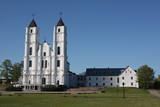 |
Latvijas katolicisma centrs un pasaules nozīmes svētvieta. Tās pirmsākumi meklējami 1699. g., kad dominikāņu ordenis nodibina klosteri, bet gadu vēlāk uzceļ pirmo koka baznīcu. 1768. - 1800. g. top mūsdienās redzamā Sv. Dominika mūra baznīca un klostera ēkas. Baroka stilā celtais dievnams izceļas ar diviem 60 m augstiem torņiem. Kancele, ērģeļu prospekts, ērģeles, biktssols un soli ir darināti 18. gs., sānu altāri - 19. gs. sākumā. Centrālajā altārī atrodas glezna “Aglonas Brīnumdarītāja Dievmāte” (17. gs.), kam piedēvētas dziednieciskas īpašības, tādēļ to atklāj tikai nozīmīgāko pasākumu laikā. Pirms Romas pāvesta Jāņa Pāvila II vizītes Latvijā (1993. g.) tika veikti lieli kompleksa pārbūves un restaurācijas darbi. 15. augustā Aglonā ierodas svētceļnieki, lai atzīmētu Jaunavas Marijas debesīs uzņemšanas dienu. 0,1 km no bazilikas atrodas Aglonas Svētavots. |
|
 |
"Ziedlejas" piedāvā pirts kūres un pasākumus laikmetīgā dizainā veidotajā Stikla pirtī, Sirmās egles dūmu pirtī un melnajā pirtī, kas atrodas neskartā meža nostūrī. Rituālajā pirts kūrē ietilpst sildīšana, augu kompreses, augu skrubis, lielā pēršana, peldināšana dīķī, masāža ar ārstniecisko eļļu un medu, ievibrēšana ar skaņu, tējas, pašu cepta maize. Pirts kūre ilgst četras līdz piecas stundas, un to vada pirts meistars. Iespējamas dažādas meistarklases saistībā ar pirts rituāliem un augu izmantošanu dziedniecībā un skaistumkopšanā un atbilstošu preperātu izgatavošanu. Tiek piedāvāta velo noma, kurā ietilpst pieeja Ziedleju xc/enduro takām, velo treniņi un velo gida pakalpojumi. Tāpat iespējama komandu saliedēšanās pasākumu organizēšana un vadīšana, kā arī kolektīvu komunikācijas treniņi. |
|
 |
Atrodas Talsu dienviddaļā, netālu no pilsētas apvedceļa – aptuveni kilometra attālumā no Talsu centra. Uzņēmums ar ilgām ēdināšanas tradīcijām. Klāj galdus svinīgiem pasākumiem un piedāvā plašu ēdienu klāstu no sātīgām maltītē līdz dažādiem konditorejas našķiem. |
|
 |
Atrodas nelielā apdzīvotā vietā – Vasiļovā - Daugavpils–Rēzeknes (A13) ceļa malā. Šajā vietā kādreiz atradās Vasiļovas pusmuiža, kuras nomnieks bija Raiņa tēvs – Krišjānis Pliekšāns. |
|
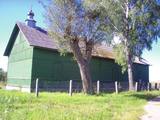 |
Kampišku vecticībnieku kopienas lūgšanu nams rekonstruēts
1931. gadā pēc arhitekta V. Šervinska plāna. Dievnams ir augsts un
plašs, ar divām cellēm. Rietumu pusē ir augsts taisnstūrveida zvanu
tornis, kuru rotā krusts.
|
|
 |
Atrodas Cēsu rietumdaļā – pie ceļa, kas ved uz Cīrulīšiem. Piedāvājumā – plašs ēdienu klāsts no brokastīm līdz vakariņām. |
|
 |
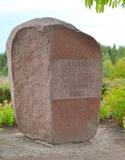
Atrodas Rīgas – Ventspils autoceļa (A 10) 88. kilometrā, pašā Abavas krastā. Pie stāvlaukuma interesants objekts – senais Zemgales un Kurzemes robežstabs un vēsturisko novadu robeža. Piedāvā kempinga pakalpojumus. |
|
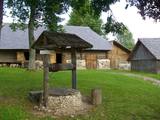 |
Dienvidigaunijas brīvdabas muzejs, kur varat iepazīties ar 19. gadsimta beigu un 20. gadsimta sākuma skolām un lauku laužu dzīvi. Te apskatāma skolas ēka, tiesas nams, nabagmāja, palīgēkas, klēts, dzīvojamā rija, būdnieka māja un holandiešu tipa vējdzirnavas. Apskatāmas arī lauksaimniecības mašīnas un transportlīdzekļi. |
|
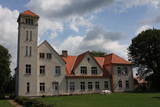 |
Atrodas Jelgavas–Emburgas–Bauskas ceļa malā, tāda paša nosaukuma apdzīvotā vietā, Lielupes labajā krastā. 1924. g. šeit mājas celtniecību uzsāka Jānis Čakste (1859 – 1927) – pirmais Latvijas Valsts prezidents (1922. – 1927.). 1999. g., kad J. Čakstem apritēja 140. dzimšanas diena, Aučos atklāja ekspozīciju par prezidenta dzīvi, darbību un Čakstes dzimtu. Te apskatāms J. Čakstes kabinets, bet izstāžu zālē – Jelgavas mākslinieku darbi. |
|
 |
Celts
1957. g. Mūsdienās atrodas pagasta
pārvalde un bibliotēka. Tautas namā tiek
rīkoti arī dažādi kultūras pasākumi.
|
|
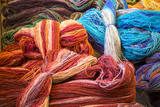 |
Vienīgā vieta Kurzemē, kur vēl pārstrādā vilnu un, cik zināms, tad arī vienīgā vieta Latvijā, kur veic pilnu vilnas pārstrādes procesu. Vilnas pārstrādes tradīcijas Pācē ir kopš 19.gs. beigām. Pirmās Latvijas Republikas gados te velta vadmala, bet padomju gados Pācē bija otrs lielākais sadzīves pakalpojumu sistēmas cehs Latvijā, kas pārstrādāja aitu vilnu. |
|
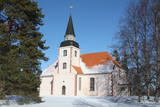 |
Dievnamam ir netradicionāls plānojums un izkārtojums: altāris atrodas vidū, bet kancele virs altāra. Baznīcai ir arī savdabīgs zvanu tornis ar 1634. g. lietu zvanu. Tagadējo koka interjeru veidojuši Rīgas amatniecības vidusskolas audzēkņi. Blakus baznīcai atrodas vecās baznīcas drupas un mācītājmuiža, kur 18. gs. nogalē par mājskolotāju strādājis Garlībs Merķelis, kurš Liepupē novēroto izmantojis savā nozīmīgajā darbā “Latvieši”.
|
|
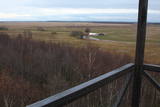 |
Suitsu tornis celts 1979. g. kā pirmais Matsalu rezervāta metāla tornis. To atjaunoja 1998. g. Torņa augstums ir 21 m, tādēļ no tā paveras izcila dabas un kultūrainava uz Kazari deltas niedrājiem un blakus esošo Suitsu upi (Suitsu jõgi), kuras krastā ir uzceltas vairākas zvejnieku laivu būdas. |
|
 |
Saaremaa kopš seniem laikiem ir spēcīgas alus darīšanas tradīcijas. Kuressaare, ēkā ar Art Deco elementiem, kur kādreiz ražoja elektrību, šodien darītavā Pöide rāda alus brūvēšanas mākslu – uzzināsiet vairākus noslēpumus, bet atsevišķā telpā varēsiet nogaršot gatavo produktu. |
|
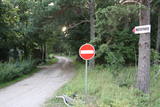 |
Bijušā Jūrkalnes Padomju pretgaisa aizsardzības diviziona daļa šobrīd atrodas privātīpašumā un tur izveidota mototrase.
|
|


