
| Nr | Nosaukums | Apraksts |
|---|---|---|
 |
Amatnieku biedrībā apvienojušies 65 Rūjienas un tās apkārtnes amatnieki. Piedāvā maizes cepšanu, ievārījuma vārīšanu, siera siešanas, rotu taisīšanu, ādas izstrādājumu, tamborēšanas un kulinārijas meistarklases. Piedāvā arī ,,Ražots Rūjienā" degustācijas (maize, kūpinājumi, kulinārijas izstrādājumi, ievārījumi, svaigas sulas, ķirbju produkcija, sezonas ogas un augļi, katrā sezonā citi ēdieni) un iepirkšanos. |
|
|
|
Taka, kas izveidota Lemmjegi (Lemmjõgi) un Raudnas (Raudna jõgi) satekas vietā, iepazīstina ar palieņu pļavām un veciem pārmitriem mežiem, kas ir vieni no lielākajiem Igaunijā. Takas sākumā dominē atklātas lauku ainavas. Viens no 4,9 km garās lokveida takas apskates objektiem ir Lemjē dižozols. Mitrā laikā noderēs ūdensizturīgi apavi. |
|
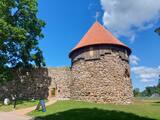 |
1342.gadā lielākajā no Alūksnes ezera salām – Pilssalā – Livonijas ordenis pabeidza mūra pils celtniecību. Pili iesvētīja Marijas pasludināšanas dienā, tāpēc šī vieta ieguva sev jaunu nosaukumu Marienburga. Alūksnieši joprojām piemin Alūksnes meiteni Mariju, kura it kā iemūrēta vienā no pils sienām, tāpēc salu dēvē gan par Pilssalu, gan Marijas salu. Gadsimtu laikā mainījās pils valdnieki, tā piederēja gan krieviem, gan zviedriem, gan poļiem. Ir atjaunots Livonijas ordeņa pils priekšpils Dienvidu tornis– vienīgais no senās viduslaiku pils astoņiem torņiem, kas būtiskā vēsturiskā apjomā ir saglabājies līdz mūsdienām. Šobrīd Dienvidu tornī apskatāma mūzikas un gaismas ekspozīcija "MARIENBURGAS astotais brālis”, kas ir iztēli rosinošs un emocijām piesātināts piedzīvojums. Ekspozīcijas tapšanas procesā apvienojušies vairāki izcili mākslinieki: dramaturgs Lauris Gundars, komponisti Mārtiņš Brauns un Artūrs Maskats, skaņas dizaineris Sigvards Kļava un dizaina birojs H2E. Teiksmu ar Ojāra Vācieša vārdiem iedzied Latvijas Radio koris. Pieejamība: Dabas objekts ir pieejams cilvēkiem ar pārvietošanās grūtībām. |
|
 2 dienas
|
Maršruts piemērots aktīviem braucējiem, kam interesē Ķemeru nacionālā parka dabas un kultūrvides daudzveidība. Ķemeru nacionālais parks (dibināts 1997. g.) veidots g.k. mitrāju – seklās Rīgas jūras līča piekrastes, aizaugošo piejūras ezeru, purvu, mitro mežu (dumbrāju u.c.) un palieņu pļavu - kā nozīmīgu daudzu augu (~ 25 % no Latvijas Sarkanā grāmatā ierakstītajām sugām) un dzīvnieku, īpaši - ligzdojošo un migrējošo putnu dzīves vietu aizsardzībai. Parka teritorijā atrodas viens no lielākajiem Latvijas purviem – Lielais Ķemeru tīrelis. Purvu masīvi ir nozīmīga sērūdeņu veidošanās un izplūdes vieta, kā arī ārstniecībā izmantojamo dūņu atrašanās vieta, kas bija kādreiz tik populārā Ķemeru kūrorta izveides pamats. Maršruta informācija no Latvijas Lauku foruma |
|
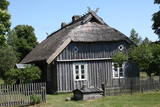 |
Pape veidojoties no trim maziem zvejniekciemiem - Papes Priediengala, Papes un Papes Ķoņu ciema. Visi ciemi izstiepušies turpat piecu kilometru garumā līdztekus Baltijas jūras krasta līnijai. Papes Ķoņu ciems ir viens no diviem Latvijas zvejniekciemiem (otrs – Košrags), kas līdz mūsdienām (cik tas iespējams) saglabājis autentisku elpu. Te atrodas Latvijas Etnogrāfiskā brīvdabas muzeja filiāle Vītolnieki ar senu zvejnieku sētu, laivām un sadzīves priekšmetiem, ko vērts iepazīt gida pavadībā. Šobrīd ciemā notiek mūslaiku ēku būvniecība, tādēļ tas ar katru dienu zaudē savu mazskartību. Atrodas Papes dabas parkā. |
|
 10 dienas
|
From Riga the tour goes along the right bank of the river Daugava and crosses it over at Plavinas HES to Salaspils. Visit National Botanic Garden then continue along the left bank of Daugava. On the route there is a model of ancient wooden castle where you can walk about. . Then visit the Kingdom of Rabbits where their homes are made like a little castles too. Time to taste some wonderful home-made ice-cream at Skriveri and visit legendary Koknese castle ruins park. Next day visit ethnographic working farmstead where you can see wild horses and cows as well as various waterbirds in the pond. Then the route goes to private mini zoo "Ezerlejas" with some exotic animals, visit ceramics factory where you can see how the hand-made clay products are made from the beginning to the end, walk around Rauna medieval castles ruins. Cesis town with mighty medieval castle and pretty old town is the next on the route. At Ligatne walk nature trails where you can see local wild animals. At Sigulda kids would love to visit "Tarzans" adventure centre. There is also Olympic bobsled centre and two medieval castles located. From Sigulda the route goes towards the coast with a stop at elegant Birini Manor with large park where you can try horse ridding. Then you are at the sandy beach of Saulkrasti. Before returning to Riga you can visit a farm with goats and ponies to taste goats products and cuddle animals. |
|
 |
Centra ideja ir stiprināt veselību, lietojot tīru pārtiku, tāpēc šeit piedāvā garšas baudījumus no viegli apstrādātiem, vitamīniem bagātiem produktiem. Galvenokārt tiek izmantoti centra dārzā un apkārtējās saimniecībās izaudzētie svaigie produkti. Speciāli izstrādātās kūres sastāv no gardām dārzeņu zupām un sautējumiem, kā arī dažādām putrām. Dziednieciskās kūres paredz ne tikai noteiktu ēdienu, bet arī procedūras un treniņus, un tās ir jāpasūta iepriekš. |
|
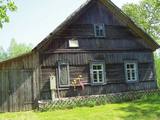 |
Rakstnieka Mihaila Naricas māja – muzejs. Četrreiz represēta
rakstnieka, mākslinieka mājā – muzejā var iepazīties ar politisko represiju
vēsturi PSRS un Padomju Latvijā, kā arī ar M. Naricas izglītojošā
centra organizēto daiļrades konkursu laureātu darbiem.
Darba laiks: pēc pieteikuma |
|
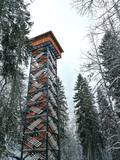 |
Dabas liegumā "Lielie Kangari" atrodas 33 metrus augsts skatu tornis, kura virsotnē atrodas platforma, no kuras paveras skats uz Kangaru ezeru un Lielkangaru purvu. Dabas liegumā izbūvēta arī nepilnu divu kilometru gara pastaigu taka ar tiltiņiem un skatu platformu pie ezera. Takas sākumā izvietotais veselības maršruts ikvienu apmeklētāju aicina kārtīgi izvingroties un izkustēties. Apmeklētāju informēšanai un izglītošanai visas takas garumā izvietoti arī informatīvie stendi ar fotogrāfijām, kas apvieno varenu stāstu un teiku kopumu par notikumiem, vietām, tēliem un parādībām dažādās apkārtnes vietās. |
|
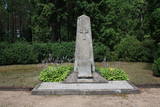 |
Lielākie 1. pasaules kara laika brāļu kapi Latvijā. Tajos atdusas 1800 latviešu strēlnieki un ap 2000 pagājušā gadsimta 30. gados pārapbedītie karavīri, kas dienējuši dažādās Krievijas armijas daļās. Kapu centrā uzstādīts piemineklis. |
|
 |
Saimniecība piedāvā apskatei zirgus, ponijus, trušus, Bramas šķirnes vistas un cāļus. Bērniem tiek piedāvātas izjādes ar mazo poniju Xavier gan mugurā (bērna svars līdz 35 kg), gan mazos ratos. |
|
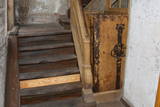 |
Atrodas Baznīcas ielā 17. Mūsdienās redzamo ēku cēla 17. gs. kā Kuldīgas birģermeistara dzīvojamo māju. 1701. gadā tajā uzturējies Zviedrijas karalis Kārlis XII, kurš tās priekštelpā atstāja lielu lādi (2 x 2,5 m), kas pēc restaurācijas joprojām ir brīvi apskatāma. Kā to izdarīt? Jāatver durvis un jāieiet priekšnamā, kur lāde redzama no abām pusēm. Tā kalpojusi kā karaļa apģērba glabāšanas vieta. |
|
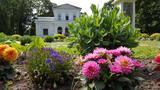 |
Švekšnos muižas parka komplekss ir viens no skaistākajiem visā Žemaitijā. Pie muižas izveidots iespaidīgs parks. Abas parka daļas savieno platas, vāzēm dekorētas parādes kāpnes, no kurām paveras skaista lejas terases ūdeņu panorāma. Uz Švekšnos muižas parka centrālā dīķa salas atrodama dievietes Diānas skulptūra. Galvenajā parka alejā atjaunots krāšņš Saules pulkstenis, vāze uz pjedestāla, Sv. Marijas skulpūta, “Brīvības enģelis”. Restaurēti arī citi parka elementi – skatu laukumi, takas, vārti. |
|
 |
Darbnīcā var iepazīties ar dažādu vēstures posmu keramikas trauku, sadzīves priekšmetu izgatavošanu un pielietojumu. Iepazīstama arheoloģiskā keramika, Viduslaiku pārvietojamā māla maizes krāsns, cepamā panna, dzeramie kausi, svētceļnieku ūdens trauki. Visi darbi tiek veidoti bezripas tehnikā un dedzināti malkas ceplī. |
|
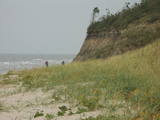 |
Ziemupes dabas liegums atrodas Baltijas jūras piekrastē un tā izveides mērķis – aizsargāt daudzveidīgos piekrastes biotopus. Šeit atrodas „izcilas” pelēkās kāpas, dažādi meža biotopi, piemēram, Latvijā retais grīnis un daudzveidīgs aizsargājamo augu un dzīvnieku sugu klāts. Teritorijā atrodas arī Akmensraga bāka un vairākas tūristu mītnes, piemēram, kempings "Laikas", kas ir konkursa "Sējējs" laureāts. Netālu no Ziemupes centra, jūras krastā ir izveidota labiekārtota autostāvieta ar izglītojošiem informācijas stendiem. |
|
|
|
Ēku, kas uzbūvēta (1808. – 1810. g.) Doma kalna DA daļā, dēvē par Igaunijas zinātnes pērli. Observatorijā iekārtots atraktīvs muzejs. |
|
 |
Siguldā, Gaujas senlejas kreisā pamatkrasta augšdaļas izvirzījumā starp Paparžu gravu un gravu, pa kuru Gaujas senlejā nolaižas Siguldas – Turaidas ceļš, atrodas Zobenbrāļu ordeņa pils drupas. Pils celtniecību uzsāka 1207. g. Trīs desmitgades vēlāk – 1236. g. pili pārbūvēja Livonijas ordeņa vajadzībām. Siguldas pils stipri cieta karos, kas norisinājās 16. gs. otrajā pusē un 17. gs. sākumā. Ziemeļu kara laikā to nodedzina un vairāk neatjauno. Tagad pilsdrupas ir restaurētas. Aiz pils konventa ēkas dienvidrietumu korpusa un galveno vārtu torņa skatam paveras iekšējā priekšpils, kur izveidota brīvdabas estrāde (notiek ikgadējie Siguldas Opermūzikas svētki un citi publiski pasākumi) un iespaidīgs skats uz Gaujas senleju, Krimuldu un Turaidu. |
|
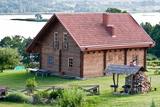 |
Atrodas ezera Vilkokšnio ezera krastā - attālā dabas nostūrī, kur smelties spēku un enerģiju. Pirts, guļamistabas ar koka smaržu, vasaras lapene, kamīns, rotaļlaukums, peldēšanās ezerā, makšķerēšana, sporta laukumi, laiva, ūdens velosipēdi, kalnu velosipēdi un kempings. Lauku sētas entnogrāfiskajā istabā tiek cepta mājas maize. Iepazīsieties ar senajiem piederumiem, maizes cepšanas tradīcijām un paražām.
|
|
 6 dienas
|
The tour presents UNESCO World Heritage Sites and the Intangible Cultural Heritage of Latvia and Estonia. Experience the famous traditions of song, national crafts, architecture and food of the unique Suiti and Seto ethnic groups. |
|
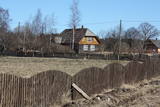 |
Atrodas ziemeļrietumos (jūras virzienā) no Pitraga baptistu baznīcas. Kurgati ir zvejnieka un zemkopja saimniecība, kas celta pagājušā gadsimta trīsdesmitajos gados, ienesot lībiešu apdzīvotajā piekrastē jaunus būvelementus – nošķeltu jumta galu, kas nebija raksturīgs lībiešu ciemu ēkām. |
|


