
| Nr | Nosaukums | Apraksts |
|---|---|---|
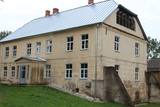 |
Muižas dzīvojamā ēka līdz mūsdienām nav saglabājusies. Šodien Dvietes muižas parkā ir apskatāmas muižas pārvaldnieka māja un trīs mūra saimniecības ēkas. 19. gs. veidots ainavu parks ar laukakmeņu mūrējuma tiltu. Parkā atrodas Dvietes muižas ēkas. |
|
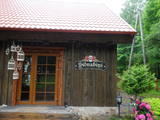 |
Krogs „Sidrabiņi” atrodas Rīgas – Tallinas ceļa malā, netālu no Jelgavkrastiem. Tas iekārtots, atjaunojot vēsturisku koka ēku. Blakus krodziņam izveidots gaļas pārstrādes cehs, kurā top pašu kūpināti gaļas izstrādājumi. Viesiem galdā tiek celti tādi gardi ēdieni kā bukstiņu putra ar čurkstinātu pašu kūpinātu cūkas krūtiņu, pašmāju pelēkie zirņi, putraimdesa ar ceptu speķi un āboliem, pašu kūpināts, sutināts cūkas stilbs ar sinepēm, mārrutkiem un tepat uz vietas skābētiem, štovētiem kāpostiem. |
|
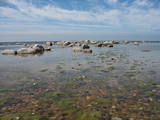 |
„Vitrupe - Tūja” - nozīmīga teritorija rifu aizsardzībai. Teritorija atrodas iepretim Salacgrīvas novadam, tās platība ir 3577 ha. Teritorija ietver dabas lieguma „Vidzemes akmeņainā jūrmala” jūras daļu.
|
|
 |
Saimniecībā žāvē cūkgaļu, taisa asinsdesas un ražo citus gaļas izstrādājumus. Saimnieks piedāvā ekskursiju un žāvējumu iegādi. |
|
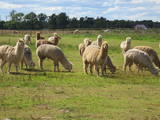 |
Baltijas valstīs lielākais alpaku (Dienvidamerikas kalnu reģionu dzīvnieks) ganāmpulks. Interesenti var apskatīt dzīvniekus, noklausīties stāstījumu un iegādāties alpaku vilnu. 2014. gadā ganāmpulku plāno pārvietot no Vīcežu muižas Lībagu pagastā.
|
|
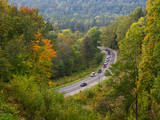 5 dienas
|
Baltijas ceļš bija unikāla akcija ne vien Baltijas, bet visas Eiropas un pat pasaules mērogā. Nekad vēl nebija bijis tā, ka triju valstu iedzīvotāji vienotos dzīvā dalībnieku ķēdē, kura savienoja valstu galvaspilsētas – Viļņu, Rīgu un Tallinu. Vēsturiskais notikums noritēja 1989. gada 23. augusta vakarā, tas vienoja apmēram 2 miljonus cilvēku. Tā mērķis bija pievērst uzmanību un atgādināt 50 gadus vecus notikumus – Ribentropa – Molotova pakta noslēgšanu. Tā rezultātā divas tā laika lielvaras - Vācija un PSRS pārdalīja ietekmes sfēras Eiropā pirms kārtējā pasaules kara, bet Baltijas valstis zaudēja savu neatkarību. |
|
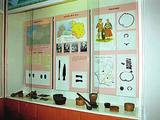 |
Atrodas Viļānu centrā, Kultūras laukumā 2. Muzeja ekspozīcijas mērķis – iepazīstināt interesentus ar pilsētas vēsturi no senatnes līdz mūsdienām. |
|
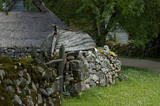 |
Muhu salas Koguvas ciems ir viens no Igaunijas lauku arhitektūras izcilākajiem paraugiem. Ciems ir diezgan labi saglabājies, un tā lauku ēkas kopā ar akmens žogiem ir iekļautas aizsargājamo arhitektūras pieminekļu sarakstā. Muhu muzejā var iepazīties ar bagātas piekrastes viensētas dzīvi, apciemot Igaunijas rakstnieka Juhana Smūla dzimtās mājas – Tooma sētu, kā arī ieskatīties vecajā ciema skolā un aplūkot tekstila izstrādājumu izstādes eksponātus. |
|
 |
Kafejnīca "Senda" atrodas Balvu centrā, Brīvības ielas (Viļakas virziens) malā. Piedāvā „mājas tipa” ēdienkarti, tādēļ iecienīta pusdienu ieturēšanas vieta. |
|
 |
Kafejnīca "Ozoli" atrodas Gulbenes novadā, Lizuma centrā. Baudāmi garšīgi dienas piedāvājumi, kā arī Gulbenes novada īpašie ēdieni. Interjerā izmantotas latviskās zīmes. Latviešu virtuve: Aukstā zupa, frikadeļu zupa, mednieku desiņas. |
|
 |
Uzņēmums piedāvā uz vietas, veikalā gatavotus zaļos kokteiļus, ogu smūtijus, sulas un to kombinācijas. Tiem izejvielas tiek vāktas dabā un dārzā - egļu dzinumi, nātres, gārsa, pieneņu lapas, kalē kāposts, dārza un meža ogas, izmantota vietējā ābolu sula un zemnieku dārzeņi. Piedāvā iepriekš pieteiktas degustācijas, kurā ietilpst vismaz 10 dažādu veidu kokteiļi pēc izvēles. |
|
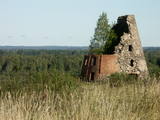 |
Lielpaugurā ir vairākas augstākās vietas – Laktas kalns (250 m v.j.l.), Egļu kalns (268 m v.j.l.) un Bākūžu kalns (272 m v.j.l.). Tos savieno zemes ceļš, kuru vērts izstaigāt un pameklēt interesantus skatu punktus. Ļoti labs skats uz Vidzeme augstienes pauguru mugurām paveras no Laktas kalna ziemeļu nogāzes.
|
|
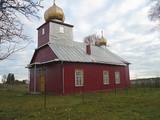 |
Notras vecticībnieku draudzes dievnams uzcelts 1928. – 1931. gadā
vecā dievnama vietā, kurš sākotnēji celts 1853. gadā.
|
|
 |
Zemnieku tirdziņā Lõunakeskus pārdod Igaunijā audzētus un no vietējām izejvielām gatavotus produktus gan ikdienai, gan svētku galdam. Daudzveidīgie produkti galvenokārt nāk no Dienvidigaunijas saimniecībām, taču var atrast arī citu Igaunijas reģionu preces. Darbojas arī omulīga kafejnīca, kur var nobaudīt no tirgū pārdodamajiem svaigajiem produktiem gatavotas maltītes. |
|
 |
Sēlijā, pie Slates sila, atrodas "Kalnaleiskini". Saimnieks Mārtiņš Uzkurs ir galdnieks, bet sieva Lelde - dizainere abu kopējā galdniecības uzņēmumā un Latvijas Ornitoloģijas biedrības biedre ar pieredzi ekskursiju vadīšanā. |
|
 1 diena
|
Dodieties ekskursijā, lai gūtu ieskatu lauku profesijā un dzīvesveidā, kā arī iegūtu jaunus iespaidus un labu atpūtu visai klasei. Ekskursijas laikā apmeklējiet cigoriņu kafijas ražotni, kur kafija tiek ražota pēc senām receptēm. Pēc tam dodieties uz piemājas saimniecību, kur saimnieks parādīs govis un piedāvās saldos ķiršus un ābolus no sava dārza. Saukas dabas parka teritorijā, pie Saukas ezera, apmeklējiet lauku māju - kultūrvēsturisko pieminekli, kur, iepriekš piesakot, ir iespējams nobaudīt uz ugunskura vārītu zupu. Visbeidzot - saimniecība, kur plašās teritorijās audzē ābolus, bumbierus, plūmes, ķiršus, zemenes un upenes. Iespēja iegādāties produkciju un piedalīties ražas novākšanā. |
|
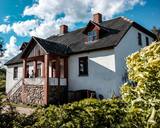 |
Viesu nams "Ausmas" atrodas Valkas novadā, un tajā iespējams nakšņot līdz 30 cilvēkiem. Tiek piedāvāti arī ēdināšanas pakalpojumi gan uz vietas, gan izbraukumos. Viesiem pieejama slapjā pirts, kā arī pirts rituāls pie prasmīga pirtnieka. Viesu namā tiek organizēti dažādi pasākumi, tāpat tiek uzņemtas ekskursiju un bērnu grupas. Saimniecībā atrodas arī dzīvnieku sēta, kur bērni var pabarot un samīļot dažādus dzīvnieciņus. Saimnieki aktīvi sadarbojas ar blakus esošajām saimniecībām. Viesu nama saimnieki ir mājražotāji, kuri piedāvā viesiem nobaudīt dažādus kūpinājumus, sierus un pašceptu maizi. Tiek piedāvātas meistarklases gan siera siešanā, gan maizes cepšanā. Ir iespēja apmeklēt un sarīkot degustācijas gan ar pašu ražotiem produktiem, gan ar apkārtējo saimniecību piedāvājumu. |
|
 |
SIA "Lubeco" audzē zemenes un cidonijas 7 ha platībā Talsu novadā, pie ciematiņa Lubezere, kas atrodas netālu no Valdemārpils. Uzņēmums jau gadu ir mājražotājs. Sezonas laikā zemenes pārdod svaigas, bet rudenī un ziemā pārstrādātas dažādos produktos. Cidonijas tiek pārstrādātas sukādēs, sīrupos un sulā. |
|
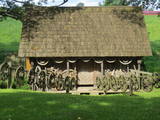 |
Saimnieks Valentīns Kuklis savā viensētā izveidojis no koka un citiem materiāliem un vēsturiskiem priekšmetiem veidotu brīvdabas kolekciju, kas savākta g.k. no Latgales lauku sētām. Daļa no vēsturiskajiem priekšmetiem ir izvietota saimnieka veidotā muzejā. Piedāvā ekskursiju un stāstījumu par savāktajiem darbarīkiem un sadzīves priekšmetiem. |
|
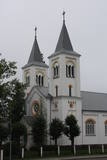 |
Atrodas pilsētas centrā, Atbrīvošanas alejā 89. Dievnama celtniecība (neoromantisma stils) noritēja laikā no 1936. – 1939. g. (arhitekta Pavlova mets), bet to iesvētīja pirms celtniecības beigām 1937. g. Tā godina Sāpju Dievmāti, kurai veltīts centrālais altāris. Ēkā izvietotas 20. gs. sākumā veidotas svētbildes, bet dārzā pie ieejas - Fatimas Dievmātes statuja. Dievnams apskatāms arī no iekšpuses. |
|


