
| Nr | Nosaukums | Apraksts |
|---|---|---|
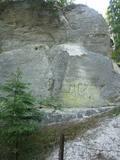 |
Sietiņiezis atrodas Gaujas labajā krastā starp Valmieru un Jāņmuižu (uz ceļiem izvietotas norādes). Te ir izveidota labiekārtota lokveida dabas taka. Sietiņiezis ir viens no lielākajiem Latvijas baltā smilšakmens atsegumiem. Tā kraujas lielākais augstums ir 15 m, bet klinšu garums – ap puskilometru. Klintis ir interesantas ar formu daudzveidību. Te ir apskatāmas gan nelielas alas un nišas, gan erozijas gravas, kā arī smilšakmens veidojumi, kas atgādina stabus. Vienu no tiem sauc par Velna papēdi, bet nelielo 10,5 m garo alu – par Velnalu. Lai saudzētu atsegumu, tas no takas norobežots! Sietiņieža nosaukums ir it kā cēlies no daudzajām vientuļo bišu veidotajām aliņām, kas „izcaurumojušas" smilšakmens virsmu kā sietu. No Sietiņieža dienviddaļas paveras skats uz Gaujas senleju, bet tā apkārtnē plešas ainaviski priežu meži. Pie Gaujas izveidota atpūtas vieta, kur var kurināt ugunskuru un ieturēt maltīti. |
|
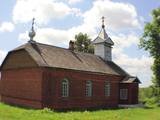 |
Borisovas vecticībnieku kopienas lūgšanu nams uzcelts laika
posmā no 1911. līdz 1921. gadam. Atšķirībā no citiem lūgšanu
namiem apkaimē Borisovas dievnams ir veidots no ķieģeļiem un atrodas kalna pakājē. Zvans šim dievnamam speciāli tika pasūtīts Pēterburgā, un tas izceļas ar savu īpaši maigo skanējumu.
|
|
 |
Uz ÕUNA saimniecību (ÕUNA puhketalu) var nokļūt pa Piibe ceļu, aiz vecā zirgu pasta un kroga. Šeit pieejamas naktsmājas, ēdināšana, kā arī dažādi izklaides pasākumi. Ēdienkartē ir tikai Igaunijai raksturīgie ēdieni. |
|
 |
Konditoreja „Allas un Vinetas kārumlāde” atrodas uz galvenās pilsētas gājēju ielas. Cep kāzu kūkas pēc vecmāmiņu receptēm, kā arī gatavo dažādus konditorejas izstrādājumus. Sadarbojas ar vietējiem ražotājiem. Latviešu virtuve: Aukstā zupa, frikadeļu zupa, lazdu riekstu – brūkleņu, zemeņu – rabarberu kāzu kūkas, pīrādziņi, plātsmaizes u.c. kārumi. |
|
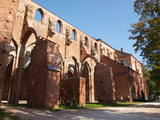 |
Viena no lielākajām Austrumeiropas baznīcām (līdz 16. gs.) un vienīgā Igaunijas viduslaiku baznīca ar diviem torņiem. Celta laikā no 13. – 16. gs., sagrauta Livonijas karā. Kora daļā atrodas Tartu universitātes muzejs (agrāk – bibliotēka). Torņi ir restaurēti un tajos izveidoti skatu laukumi. |
|
 |
Kafejnīca - konditoreja "Ieviņa" atrodas Kandavas centrā netālu no Tirgus laukuma. Piedāvājumā cepumi, kūciņas, tortes, sklandrauši, pīrādziņi u.c. |
|
 |
Ogu un augļu dārzs, dažādu ievārījumu, sulu, sīrupu ražošana un tirdzniecība.
|
|
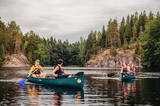 |
Within easy reach of the Finnish capital of Helsinki, visitors can escape into wild natural settings and enjoy typically Finnish scenery, with lovely lakes, green forests and rugged crags. The nearby Finnish Nature Centre Haltia spotlights the best of Finland's natural treasures from across the country. |
|
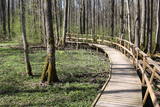 |
Pārmitrie platlapju meži, t.sk. Vēršupītes dumbrāji ir viens no sugu skaita ziņā daudzveidīgākajiem Latvijas biotopiem. Par to sezonālu applūšanu liecina daudzo melnalkšņu resnie sakņu kakli, kas nevilšus atgādina mangrovju audzes. Pie Ķemeru Meža mājas to apskates nolūkos ir izveidota uz pāļiem celtā Dumbrāju taka ( WC). Visiespaidīgākie skati Vēršupītes dumbrājos ir vērojami pavasara palos vai citos gadalaikos pēc lielām lietavām, kad mazā upīte iziet no krastiem un appludina teritoriju lielākā platībā. Otra vieta, kur var iepazīt Vēršupītes dumbrājus, ir Slokas ezera pastaigu taka. Lokveida takas garums ir 3 km, un tās sākums atrodas pie Slokas ezera putnu vērošanas torņa. |
|
 1 diena
|
Dodieties ekskursijā, lai gūtu ieskatu lauku profesijā un dzīvesveidā, kā arī iegūtu jaunus iespaidus un labu atpūtu visai klasei. Ekskursijas laikā apmeklējiet ekopoligonu, kas ir unikāls piemērs ekoloģiski saderīgu darbības virzienu ieviešanai. Pēc tam apmeklējiet saimniecību, kurā iespējams aplūkot Latvijas tumšgalves aitas, uzzināt par to audzēšanas specifiku, dzīves paradumiem un aitkopības nozari Latvijā, kā arī iespējams aplūkot dažādus putnus - tītarus, zosis, pīles, vistas un pērļu vistas. Saimniecībā atrodas arī observatorija, kur var noklausīties lekciju par zvaigznēm, planētām un citām tēmām. Ekskursijas noslēgumā dodieties uz kokapstrādes darbnīcu, lai meistaru vadībā darbotos ar tradicionālajiem kokapstrādes instrumentiem un apgūtu senās spēles. |
|
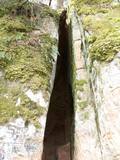 |
Vējupītes grava ir domāta tiem, kurus nebaida vairāki gari un stāvi kāpieni pa koka kāpnēm, kas ved pa augstajām Vējupītes gravas nogāzēm. Ja aiz viesu nama „Līvkalns" kāpsim lejup, nonāksim pie seklās (3,6 m), bet augstās (6,1 m) Pētera alas , kas atgādina plaisveidīgu nišu. Pēc ~ 10 min ilga gājiena pa upīti uz leju (Gaujas virziens), tās kreiso krastu pāršķeļ dziļā Pūču grava, pa kuru tek Kraukļupīte. Abu upes gravu saskares vietā paceļas Satezeles pilskalns (plakums 90 x 75 m), kur 13. gs. sākumā atradās feodāļa Dabreļa ozolkoka pils ar galveno ieeju pilskalna rietumu pusē. Līdz pilskalnam no Pūču gravas dziļumiem uzved koka kāpnes. Lai apskatītu Kraukļu aizu , ir atkal jākāpj lejup pa tām pašām trepēm un jāturpina ceļš Gaujas virzienā. Kraukļu aiza ir Vējupītes kreisā krasta sānu grava ar līdz 11 m augstām un iespaidīgām smilšakmens sienām, kurās izveidojusies 5,2 m dziļā Kraukļu ala. Vēl pēc aptuveni 10 – 15 min ilga gājuma (ir jāšķērso Vējupīte pa koka tiltiņiem) nonāksim pie kāpnēm, kas uzved Paradīzes kalnā (aprakstu sk. iepriekš pie Nr. 7.). |
|
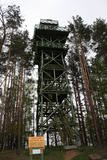 |
Viens no diviem nacionālā parka skatu torņiem, kas atrodas ~ 1,5 km ziemeļos no Ehijerva ezera (Ähijärv). Tornis ir veiksmīgi „nomaskēts” nelielā priežu pudurī, tādēļ tas „nebojā” izcilo dabas un kultūrainavu, kas paveras no tā skatu platformas. Pie autostāvlaukuma ir izveidota labiekārtota atpūtas vieta. |
|
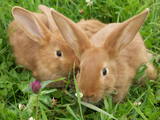 |
Piedāvā aplūkot dažādu šķirņu trušus un mājputnu sētu (zosis un dažādu šķirņu vistas, kuras dēj olas zili zaļā un zaļā krāsā, tumši sarkanā, baltā un smilšu krāsā). Iespēja iepazīties ar vienu no vecākajām aitu šķirnēm, kas vilnu maina pašas. Atrakcija - trusis - īpašā piedāvājumā (fotogrāfēties, mīļoties u.c.). Saimniecībā iespējams nopirkt mājražoto produkciju. Iepriekš piesakot, piedāvā arī degustācijas. |
|
 |
Viens no raksturīgiem karsta parādību piemēriem, kur nelielas upītes - strauta ūdeņi pazūd vairākos ūdensrijējos un pēc kāda brīža - iespaidīgās Lauces ielejas krastos iznāk spēcīgu avotu veidā, tālāk ieplūzdami Lauces upē. Šī parādība dinamikā vislabāk ir novērojama pēc lietavām vai pavasaros sniega kušanas laikā un kādu brīdi pēc tam. |
|
 |
Skaisto un mūsdienās atjaunoto zilā krāsojuma ēku Karaīmu ielas 5 malā sākotnēji (1810. g.) cēla Dominikāņu mūki. Kopš 1864. g. tajā 23 gadus saimniekoja policija, līdz 1887. g. te izvietoja pastu un telegrāfu. Šobrīd ēkā atrodas nacionālā parka administrācija. |
|
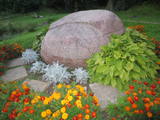 |
Meklējams Piedrujas dienvidaustrumu daļā, Daugavas krastā. Līdz tam var nokļūt, ejot pa Piedrujas taku vai vietējo zemes ceļu. Piemiņas akmeni ir darinājis tēlnieks Vilnis Titāns, iekaļot Daugavas vārdu septiņās – latviešu, līvu, igauņu, poļu, krievu, vācu un somu valodās. No akmens labi redzama pretējā – Baltkrievijas krastā esošā Druja un liela sala, kas sadala upi divās daļās. Apmeklējot Piedruju, nepieciešama terminētā uzturēšanās atļauja pierobežas režīma zonā. |
|
 2 dienas
|
Gauja ir Latvijas populārākā ūdenstūristu upe. Laivotājus šeit vilina skaistie smilšakmens atsegumi, upes mierīgais tecējums, dabas un lielā kultūras pieminekļu daudzveidība. Minētajā posmā upe plūst cauri Gaujas senlejai, kas ir viena no iespaidīgākajām Baltijas reljefa formām. Maršruta tehniski sarežģītākā vieta ir Ķūķu krāces, kur nereti gadās pa kādai apgāztai laivai. Lielākais upes kritums ir posmā no Amatas ietekas līdz Līgatnei, tādēļ daudzi braucēji izvēlas Cēsu – Līgatnes posmu. Maršruta informācija no Latvijas Lauku foruma |
|
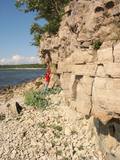 |
Nacionālā parka dienvidrietumdaļā jūrā iestiepjas Eldas pussala – skaists un ļoti omaļš ar kadiķu mežu (alvāriem) noaudzis zemes pleķītis ar interesantu jūras krastu, kur atsedzas silūra perioda nogulumieži. No pussalas gala, kurā slejas vecs Padomju armijas robežsargu tornis (apmeklējumam bīstams!), paveras visaptverošs skats uz Vilsandi salu (atpazīstama pēc bākas), Lonalaidas salu (Loonalaid) – otru lielāko Vilsandi arhipelāgā, Salavu (Salava) un citām mazākām saliņām. Dabas mīļotāji var uzmeklēt Eldas klinti (Elda pank) – ~ 2 m augstu un 0,4 km garu atsegumu, kura piekājē var atrast interesantas ūdens izskalotas fosilijas. |
|
 |
Pāvilosta ir salīdzinoši jauna pilsēta, kas izvietojusies pie Sakas ietekas Baltijas jūrā. Tiesa, viduslaikos jūras kuģu osta bija 6 km attālumā no jūras - Tebras un Durbes upju satekas vietā. Nozīmīgs periods ostas dzīvē bija hercoga Jēkaba valdīšanas laikā, kad te piestāja jūras kuģi. Poļu-zviedru kara rezultātā Sakas ostu nācās slēgt. Mūsdienās redzamā osta Sakas grīvā veidojās 19. gs. vidū pie t.s. Āķagala zvejniekciema. Āķagala ielu plānojums ir regulārs un katra no tām izved vai nu jūras krastā, vai atduras pret Dzintaru ielu Sakas upes labajā krastā. 1878. g. padziļināja upes grīvu un uzbūvēja molus. Te būvēja divmastu burukuģus. Pasaules kari iznīcināja kuģu floti, taču zvejniecības tradīcijas allaž tika turpinātas. 1991. g. apdzīvotā vieta ieguva pilsētas statusu. Mūsdienās Pāvilosta ir pazīstama kā populāra burātāju un vējdēļsērfotāju, kā arī vasaras atpūtnieku vieta. Burātājus gaida jahtu osta. |
|
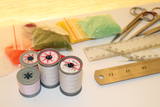 |
Radošajā mājā Latvietes pūrs var apgūt praktiskās iemaņas rokdarbu veidos, kas nepieciesami latviešu tautas tērpu darināšanai – baltie un krāsainie darbi, zīļu vainagu darināšana, adīšana, tamborēšana, tilla izšuvumi, pīto un austo jostu darināšana u.c. Saimniece pati pārzina dažādus rokdarbu veidus un to tehnikas, nepieciešamības gadījumā tiek pieaicināti sava aroda meistari. Ir zināšanas par latviešu tautas tērpa novadu īpatnībām, saimniece labi zina tautas tērpu attīstības vēsturi un pielietojumu
|
|


