
| Nr | Name | Beschreibung |
|---|---|---|
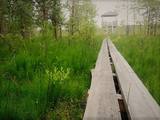 |
Taka ved cauri mežam uz skatu torni purva malā. Takā apskatāma Nāzara priede –priede, pie kuras 1905. gadā nošauts dumpinieks, pati priede – ekoloģiskais koks ar dzilnu kaltiem dobumiem, nokaltusi. Melnalkšņu dumbrājs - slīkšņa ar cūkaušiem un puplakšiem. Oleru purvs no skatu torņa – pārejas un sūnu purvs, kas izveidojies nolaista ezera vietā. Papildus objekti blakus takai, pieejami pa ceļu – Oleru muižas komplekss, Krustakmens, Oleru muižas kapi. Kopējais takas garums: 1,1 km. |
|
 |
Aus dem Wacholder, der als Symbol der Insel Saaremaa gilt, wird auch ein wertvoller Sirup hergestellt. Die Gäste werden vieles über Wacholder erfahren. Von Frühling bis Herbst kann man die Pracht des Gartens genießen und das alte Bauernhaus besichtigen. |
|
 6 Tagen
|
Diese Tour bietet Ihnen die Möglichkeit, das Beste vom Winter in Lettland zu erleben. Sie beginnt in der regen Hauptstadt Riga mit ihrem Weihnachtsmarkt, Verzierungen, Einkaufsmöglichkeiten, vielen Kulturveranstaltungen und Museen, sowie mit der zauberhaften Altstadt. Danach führt die Tour auf dem Land, wo man auf Skipisten und an Schlittenhängen die Winterfreuden genießen kann. Nach einem aktiven Tag ist die Zeit gekommen, sich in einem Spa Hotel verwöhnen zu lassen, wo man auch die gesunden und einzigartigen Rituale der lettischen Sauna ausprobieren kann. Besuchen Sie die Ruinen der mittelalterlichen Burg von Sigulda, die Burg Turaida und probieren Sie den hausgemachten Wein im Landgut von Krimulda. Auf den Naturpfaden des Naturparks Ligatne können Sie sehr leicht die einheimischen wilden Tiere, z.B. Wölfe, Bären, Elche und andere beobachten. Danach können Sie auf einem unweit gelegenen Hof eine Fahrt mit einem Pferdeschlitten genießen. |
|
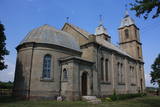 |
Atrodas nomaļā vietā, 0,7 km no Daugavpils – Krāslavas (A 6) ceļa, Daugavas virzienā. Dievnams celts 1933. – 1938. gadā koka kapelas vietā pēc Prāvesta Vaclava Kozlovska projekta, kurš pats arī vadījis celtniecības darbus. Dievnams celts no lieliem cementa ķieģeļiem. Tā lielajā altārī novietota Svētā Antona glezna, bet sānu altārī – Jaunavas Marijas statuja. Gan glezna, gan statuja ir pārvesta no Izvaltas baznīcas. Ikdienā baznīca apskatāma no ārpuses. |
|
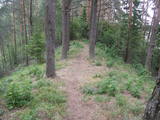 |
Das ist ein anderer sogenannter Berg aus der Eiszeit - fünf Kilometer lang und 15 bis 50 m hoch mit Hügelketten und Abhängen. Der ausgeprägteste Teil des Berges kann man zwischen den Seen Pinti und Šeški sehen. Die Kiefernwälder auf den Hügeln sind Habitat mit vielen seltenen und geschützten Arten. Ein Pfad ist eingerichtet worden, um den Grebļa – Berg und die Berge Āža und Kausu zu überqueren, aber es wird den besuchern enpfohlen, das in Begleitung eines kundigen Führers zu tun. Die biologische Vielfalt des Gebiete wird einem klarer, wenn man zum Beispiel erfährt, daß es mehr als 500 Arten an Schmetterlingen in diesem Schutzgebiet gibt.
|
|
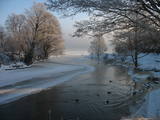 |
The Slocene River flows through Lake Valgums and Lake Mazezers before flowing into the western part of Lake Kaņieris. It is part of a branched and swampy delta in which there are seasonal restrictions aimed at protecting birds. The wetlands which are alongside the river are difficult to access in many places. Before the Starpiņupīte was dug between Lake Kaņieris and the Bay of Rīga (the water level is regulated with sluices), the water from the river flowed along what is now the Vecslocene River all the way to Sloka, where it ended at the Lielupe River. The Vecslocene can be used by canoe boats only when the water level is high and then from the Old Ķemeri road to the place where the river enters the Lielupe. Between Milzkalne and Lake Valgums, the river is not navigable because of many fallen trees. During the springtime, the estuary of the Starpiņupīte is a good place for bird watching. |
|
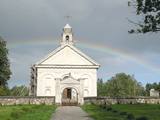 |
Divine Providence Catholic Church of Rikava (Baltini) was built in Doric style in 1929 by the donations
of landlord Alexander Riks. The church has icons „St. Antony” and „Jesus Christ appears to Mary
Magdalene”. Beside the church there is a cemetery and family vault of Riks.
|
|
 |
Die Schänke befindet sich im Zentrum von Jelgava: An der Brücke über den Fluss Driksa, die von der neu eingerichteten Uferpromenade eingeschlossen ist. Für die Innenausstattung sind Elemente aus Holz verwendet worden. Hier werden regelmäßig Musikabende veranstaltet. Lettische Küche: Kalte Suppe, gebratenes Flunder- oder Kabeljaufilet, Bauernfrühstück, Kartoffelpfannkuchen, dünne Pfannkuchen. |
|
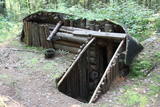 |
National partisans commanded by Rihards Pārups were very active during World War II between Vietalva and Jaunkalsnava. The team was disbanded in 1946. The dugout is at a location that is hard to find and access. It is in the nature reserve of the Veseta Wetlands Swamp. The wood pathway that leads from the East is often hidden by reeds during the summer. During the fierce winter of 2010, the roof of the dugout collapsed, but local enthusiasts plan to reconstruct it. Alongside the dugout is a white cross inscribed with the names of the partisans who lost their lives here.
|
|
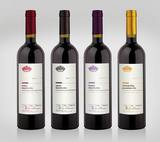 |
This farm grows black currants, blackberries, raspberries, rowans, sea-buckthorn and other berries from which the owner produces homemade wine. The cellar of the castle of the former Order of Kuldīga (with room for up to 25 people) offers tastings of three different wines. Larger groups are welcome to the granary of the Padure Estate. |
|
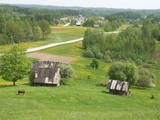 |
Das ist eine der am meisten von der subglazialen Depression ausgeprägtesten Landschaften in Lettland mit 11 Seen verschiedener Größe und Tiefe. Das ist eine faszinierend schöne Landschaft mit besonders eindrucksvollen Aussichten von Drusku – Burgberg. An einem klaren Tag kann man das Hanja – Hochland von Estland sehen. Das geschütze Territorium wurde eingerichtet, um das Gebiet des Nördlichen Nadelwaldgürtel zu schützen.
|
|
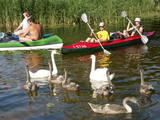 |
Der erste Nationalpark Litauens. Gegründet für den Schutz der Landschaften und der Seen der Aukštaitija-Anhöhe, der etnographischen Dörfer und der Naturvielwalt. |
|
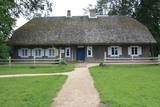 |
Das Gehöft befindet sich auf dem Kaibēni Berg (226m ü.M.) 7km entfernt von Ineši. Es ist nominiert als das älteste memoriale Museum Lettlands (seit 1929). Die Gebäude des Hofes sind im 18. und 19. Jh. Erbaut und man kann die eigenhändig gebaute Veranda, Treppen, Wandschränke, das imitierte Parkett der Volkslehrer und Schriftsteller Reinis (1839-1920) und Matīss (1848-1926) Kaudzīte besichtigen, auch die von R. Kaudzīte gebaute Drechselbank. In der Remise gibt es eine Ausstellung alter Arbeitsgeräte. Den authentischen Einzelhof umfasst ein von den Schriftstellern angelegter Garten mit Holzfiguren des Bildhauers Krišjāņis Kugra, die Personen aus dem Roman „Mērnieku laiki“ (Landvermesser Zeiten) darstellen. Auf diesem Gehöft ist auch dieser berühmte Roman entstanden. Von 1868-1882 befand sich in dem Wohngebäude eine Volksschule, in der Matīss als Lehrer und Reinis als Hilfslehrer arbeiteten. Es empfiehlt sich, das Museum mit einem kundigen Führer zu besichtigen. |
|
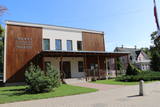 |
Located in a cultural centre at Brīvības Street 15 in Ogre, the museum was established in 1980 and has a permanent exhibition, “Ogre – a Swimming and Air Spa, Relaxation and Everyday Life, 1920-1940,” which offers a good look at the “golden age” of Ogre, when it was a popular spa. Another exhibition, “Legendary Ogre” offers a different view. Visit the museum to find out what it is!
|
|
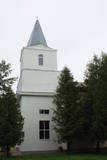 |
Pirmā baznīca šeit bijusi jau 18. gs. sākumā. Tad tapusi otrā un trešā (1847. – 1848.) – tagad redzamā. Dievnams cieta gan 1. pasaules kara, gan padomju laikā, kad no 1969. – 1993. gadam te bija izvietots vatelīna cehs. Šobrīd ēka pamazām atgūst savu veidolu. Jāpiebilst, ka laikā no 1826. – 1856. g. dievnamā par ķesteri un ērģelnieku strādājis latviešu dzejnieks un tulkotājs Ansis Līventāls (1803. – 1878.). Viņa kaps ar pieminekli atrodas blakus baznīcai. Turpat arī 1. pasaules karā kritušo vācu un krievu karavīru kapi un mācītāja un rakstnieka Jakoba Florentīna Lundberga (1782. – 1857.) kapa piemineklis.
|
|
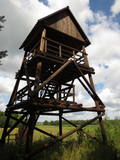 |
Atrodas Skuķu ezera dienvidrietumu krastā. Sasniedzams no Putnu salas, ejot cauri dzīvei savvaļā pielāgoto mājlopu aplokiem un taku. No torņa labi pārskatāma Dvietes paliene (ūdeņainos pavasaros pārplūst) un aizaugušais Skuķu ezers. Laba putnu vērošanas vieta. Putnu salas Atālu mājās – vietējais gids. |
|
 |
Krogs "Aveņi" atrodas Aveņmuižā blakus Bauskas pilsētai, iepretim Mašīnu muzejam. Telpas ir izveidotas senatnīgā un tautiskā interjerā, kas ļauj apmeklētājiem ērti nošķirties no pārējiem. Latviešu virtuve: Auzu putra, piena zupa, ķirbju zupa, aukstā biešu zupa, mājas kotletes, kartupeļu un plānās pankūkas, maizes zupa. |
|
|
|
Māras birzs atrodas apmēram 4 km no Īles, Zebrenes virzienā. 2012.gada pavasarī iestādītā piemiņas birzs ir biedrības „Zebrus draugi” veltījums šīs apkaimes ļaudīm un viņu dzimtajām mājām, kas pēdējā gadsimtā ir zudušas no Latvijas kartes. Valsts meža izcirtumā iestādīto jauno kļavu, liepu un ozolu birzs centrā izveidots Māras altāris – simbolisks akmeņu krāvums, kurā katrs, kas jūt piederību šim apvidum, var pievienot savu akmeni. Birzs projekta un altāra autors - V.Lukjanovs. |
|
 2 dienas
|
This tour will give you an impression of the eastern part of Latvia, which is less populated and also less popular among tourists. You will first arrive in Aluksne and explore the town, which is located at Alūksne highland, on the shore of Lake Alūksne. It is worth visiting Temple Hill – an old Latgalian castle mound and the place of the old town, Sun bridge, and the Castle manor park, Alūksne Lutheran Church and the Bible Museum. After staying there overnight you will go by bus to the start point of the hike in Ape. This Forest Trail section winds through a hilly farmland landscape, then enters a large dark forest, occasionally interrupted by the blue surfaces of lakes. After Peļļi, it crosses the Latvian/Estonian border and winds along the shores of the lakes Smilšājs, Sūneklis and Ilgājs for 2 km on the Estonian side, known as Paganamaa (translation: Devil's Land). There it descends and enters the Korneti-Peļļi subglacial depression, one of the most impressive ravines in Latvia. The Forest Trail returns to Latvia at Lake Ilgājs and, after a steep climb, takes you through a hilly area to the Drusku castle mound. Here you can enjoy a beautiful view. At the end of this tour, you will reach Korneti. The section is located in the protected landscape area “Veclaicene”. |
|
|
|
Viena no augstākajām Latvijas piekrastes kāpām. Padomju laikos to daļēji noraka, jo baltās smiltis izmantoja silikātķieģeļu ražošanai. 20. gs. 80. gados rakšanas darbus pārtrauca. Kāpas augstākā daļa (labs skats no tās) ir saglabājusies (apaugusi ar priežu mežu). Izveidota Pūsēnu kalna dabas taka. Atrodas Bernātu dabas parkā. |
|


