
| No | Name | Description |
|---|---|---|
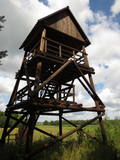 |
Atrodas Skuķu ezera dienvidrietumu krastā. Sasniedzams no Putnu salas, ejot cauri dzīvei savvaļā pielāgoto mājlopu aplokiem un taku. No torņa labi pārskatāma Dvietes paliene (ūdeņainos pavasaros pārplūst) un aizaugušais Skuķu ezers. Laba putnu vērošanas vieta. Putnu salas Atālu mājās – vietējais gids. |
|
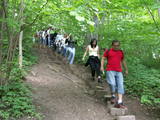 |
The Little Sigulda of Pilskalne is a place for longer or shorter hikes. Here you will find a number of trails – the Sprīdītis trail (1.6 km, featuring wooden sculptures of characters from fairy tales by Anna Brigadere), the Forest landscape educational trail (3.8 km), and the Highland landscape trail (8 km in each direction). The trails are in a sub-glacial depression with a number of little lakes and swamps that are connected by streams. This is a restricted environmental area aimed at protecting the landscape and its treasures. At the beginning of the trails (near Pilskalne) there is the Melnaiskalns (Rāmavas) castle hill, which is around 30 m high. |
|
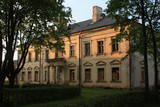 |
Atrodas Viļānu dienviddaļā, Maltas upītes krastos, kuras tecējumu pārtrauc Viļānu HES. Par muižu atrodamas ziņas jau no 15. gs. beigām, kad tā piederēja bruņiniekam J. Loem. Līdzīgi kā Vidsmuiža, arī šī bija viena no Latgales lielākajām muižām, kurai piederēja zemes > 49 000 ha platībā. 18. - 19. gs. mijā ap muižu sāka veidoties Viļānu miests. Muižas dzīvojamo ēku, kas apskatāma tikai no ārpuses, ieskauj parks. |
|
 |
The statue of Virgin Mary, also called „the statue of Madonna” was
repeatedly erected in Lūznava Manor park in 1991.
|
|
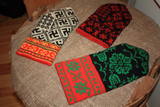 |
The basic exhibition at the museum, “Traditions Related to the Sewing and Wearing of Bārta Folk Costumes From the 19th to the 21st Century”, features folk costumes for unmarried and married women, as well as for men, emphasising the diversity of elements therein. Visitors can help to embroider or weave blouses. The Bārta Ethnographic Ensemble offers two educational programmes – “The Bārta Folk Costume” and “Singing Women From Bārta”. |
|
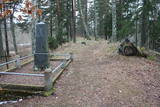 |
The Middle Ages and the beginning of the last century cemetery at the church of Mazirbe. It is surrounded by a moss-covered stone fence. There you can find a number of interesting sights-Werewolf's Tomb, Old Taizelis Tomb, Grand Pine, etc.. |
|
 2 days
|
This tour combines culinary experiences with visiting popular tourist attractions in southern Estonia. You will visit Võru and Rõuge, enjoy the southern Estonian landscape in Haanja Nature Park from the top of Suur Munamägi, the highest hill in the Baltics, and will be sincerely welcomed in Setomaa, the land of Setos - an ethnic and linguistic minority carrying on their unique heritage traditions. Setomaa has been inhabited for about 8,400 years, which makes it one of the oldest human settlements in Estonia. On this tour, you will taste Estonian wines made from locally grown berries and fruit, visit a goat farm offering superb goat’s cheese, and will be served a hearty country meal in a rural homestead. The itinerary starts and ends in Tartu, but it can be extended to/from Tallinn and Riga. |
|
 5 days
|
The historical route from Rīga to Liepāja passes through Dobele, Saldus, Skrunda, Durbe and Grobiņa, and it dates back to the 13th century. Remnants of Scandinavian settlements near Grobiņa also testify to the antiquity of the region. Many things happened on the road and around it that were directly linked to the establishment of the Republic of Latvia and to its subsequent freedom battles. At the Tīreļpurvs swamp, Latvian riflemen demonstrated their battel capabilities and heroism during the so-called Christmas battles, thus proving that a new country had been born. The trails of the swamp are open to visitors, and there is an historical exhibition at the Mangaļi homestead. Rīga is clearly marked along this route by the Latvian National Theatre, where independence was proclaimed in 1918. Later the hostile attack of Bermont’s forces was stopped at the banks of the Daugava, and the superior force was ejected from Rīga and Latvia. Approximately 70 km from Rīga is the Pikšas museum, which is the birthplace of Latvian President Kārlis Ulmanis and a good example of farming between the two world wars. The museum of Colonel Oskars Kalpaks at Airītes offers a look at battles that occurred in the region and at things that Kalpaks did during World War I and the subsequent liberation battles. There were battles near Skrunda and Saldus, and it was in Liepāja that German General von der Goltz conducted a coup that led Latvia’s temporary government to seek refuge on the ship the Saratov, upon which it sailed to Rīga after the city’s liberation. Liepāja has always been an important port, and once it offered passenger services all the way to New York. |
|
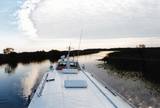 |
This is a quick boat ride from Tartu down the Emajõgi River to Piirissaare Island in Lake Peipsi (Peipsi järv). Along the lower reaches of the river are major wetlands which are of enormous importance for birds.
|
|
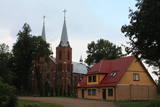 |
0,2 km austrumos no Vidsmuižas atrodas no šķeltajiem laukakmeņiem un sarkanajiem ķieģeļiem celtā (1910. - 1912. g.) Vidsmuižas katoļu baznīca. Tāpat kā Riebiņos esošā, arī šī ir uzskatāma par tipisku 19. – 20. gs. mijas Latgales lauku baznīcas paraugu. |
|
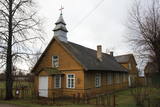 |
Atrodas Rucavas galvenās ielas malā, netālu no centra.Rucavas draudzi dibināja 1871. gadā, bet izmēros nelielo dievnamu uzcēla 1888. gadā. |
|
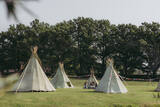 |
Glamping "Kadiķi" is located in Auce region - it will open in July 2021. It is a unique recreation area with a private area where you can find new feelings, spend the night in wigwam, merge with nature, enjoy the peace and quiet far from the city, see flocks of deer and deer, surround the surrounding waters, go hiking on forest trails, archery, enjoy the beauty of the natural landscape and gain an unforgettable rural adventure. The company's values are nature, private space and atmosphere, ecologically responsible attitude towards the environment. The wigwam has amenities worthy of a glamping tent - bed, interior items, outdoor terrace. Guests will also have breakfast. Nomadic Homes also offers to buy or rent wigwams for private events, recreation or starting your own business. |
|
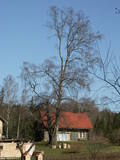 |
This is the thickest birch (Betula pendula) tree in Latvia and can be seen from the Klapkalnciems-Milzkalne road.
|
|
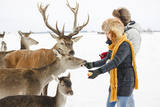 |
"Barono Vila" is a corner of paradise with a large and deep fishing pond, deer in enclosed meadows, sheep, forests rich with mushrooms and berries, clear lakes and the curves of the Sventāja River, which are popular among tourists. The restaurant offers fresh, tasty and high-qualified food made of venison and mutton, as well as oven-baked Lithuanian rye bread and the house speciality -- "Barona plov" cooked on a campfire. |
|
 |
This is a farm which produces beef. You can take a tour, during which you can learn about, taste and purchase untraditional herbs and exotic tea plants. |
|
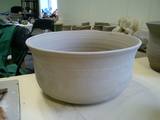 |
This crafts centre is located at the former Svēte Estate, and it organises creative workshops. You can purchase ready-made or commission original ceramic ware. |
|
 |
Atrodas Vecpiebalgas dienviddaļā pie Inešu ceļa. No sarkanajiem ķieģeļiem būvētā ēka uzcelta 1887. g. par vietējo iedzīvotāju saziedotajiem līdzekļiem. Vairāk nekā simts gadus šī ir vieta, kur vecpiebaldzēni pulcējas uz nozīmīgiem notikumiem, svētkiem, uzturot novada kultūras mantojumu. Celtni uzskata par vienu no spilgtākajiem Latvijas lauku arhitektūras pieminekļiem. Tai blakus uzstādīts piemineklis brāļiem Kaudzītēm. |
|
 2 days
|
Lahemaa – the oldest and biggest national park in Estonia – is waiting to be explored. Experiences include a guided nature walk in the bog, a peaceful afternoon in a traditional fishing village, cooking with the local family, a traditional sauna, some farm work and taking part in the local social life. |
|
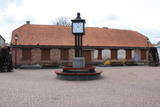 |
Ventspils Vecpilsētas vēsturiskais centrs. Nelielā Rātslaukuma (40 x 60 m) rietumu malā atrodas Starptautiskā rakstnieku un tulkotāju māja, kas ierīkota 18. gs. dzīvojamā ēkā ar baroka un klasicisma iezīmēm (19. gs. vidū te atradās pilsētas Rātsnams), bet austrumu malā – vēlīnā klasicisma stilā celtā evaņģēliski luteriskā Nikolaja baznīca. Iepretim baznīcai atrodas modernā stilā pārbūvētā Ventspils Galvenā bibliotēka un Digitālais centrs, kas ierīkots greznā 19. gs. savrupmājā. |
|
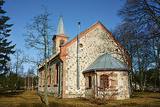 |
Kolka Evangelical Lutheran Church. A story has survived of one Danish trader saved in a shipwreck at Kolkasrags who in gratitude built a church in Kolka. The church had changed its location for three times in Kolka. The foundation of the church visible nowadays and built of boulders was laid by Karl Ludwig Ferdinand von der Osten-Zaken, the former owner of the Dundaga estate. It was built instead of the wooden church (or close to it) which was heavily damaged during the Crimean War. The first construction works were started in 1885 by the construction foreman Otto Sievert (Architect: T. Zeiler). In the Soviet time, the church was vandalized and it was used as a warehouse. It is worth to see the modern- style altarpiece |
|


