
| Nr | Nosaukums | Apraksts |
|---|---|---|
 |
Z/S “Paldaži” ir 19. gadsimta Vidzemes lauku sēta un bioloģiskā saimniecība Limbažu novadā, kas apzināti kopj un saglabā Latvijas vēsturisko un kultūras mantojumu, tai skaitā lībisko. Saimniecību vada Andrejs Kovaļovs, kurš attīsta aitkopību, biškopību, kokamatniecību un pieredzes tūrismu, radot iespēju viesiem iepazīt gan tradicionālo lauku dzīvi, gan mūsdienīgu bioloģisko saimniekošanu. Apmeklētājiem tiek piedāvāta īsa ekskursija, kuras laikā iespējams iepazīt Paldažu apkārtnes vēsturi, saimniecības stāstu, Paldažu dižosi un bišu dzīvi. Savukārt izvērstā ekskursijā iekļauts arī dravas apmeklējums, neliela vaska sveču liešanas darbnīca un atpūta ar karstiem vai aukstiem dzērieniem. No maija līdz oktobrim saimniecībā noteiktos datumos tiek piedāvātas vakariņas un pusdienas ar jēra gaļas ēdieniem. Maltītes iespējams baudīt tikai pēc iepriekšēja pieraksta. “Paldaži” piedāvā autentisku lauku pieredzi, kas apvieno dabas tuvumu, senās sētas vidi un mierīgu gaisotni. Šī ir vieta, kur iespējams sajust Vidzemes lauku raksturu, iepazīt bioloģiskās saimniekošanas principus un uzzināt vairāk par Paldažu vēsturisko mantojumu. |
|
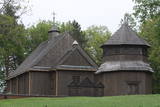 |
Dievnamam ir unikāls astoņstūru veidā darināts zvanu tornis (uzbūvēts ap 1800 gadu). Skats uz Lūšiai ezeru. |
|
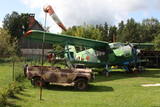 |
Vienīgā Latvijas kafejnīca, kurai ir ļoti neparasts - militārās tehnikas un citu atribūtu, t.sk. - Padomju armijas interjers. Arī tās dārzā ir apskatāmi interesanti eksponāti - artilērijas šāviņi, lidmašīna, kara automašīnas u.c. Tiešām vērts ieiet un izdzert kafiju.
|
|
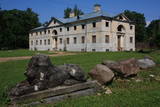 |
Muiža sāka veidoties 16. gs. beigās (īpašnieki - Tīzenhauzeni, vēlāk Bēri), bet no 1753. g. tā kļūst par Mēdemu dzimtas īpašumu. Tagad redzamo muižas pili (mūsdienās tikai atliekas) cēla 1806. - 1810. g. klasicisma stilā (Johana Georga Ādama Berlica projekts) pēc itāļu izcelsmes Pēterburgas galma arhitekta Džakomo Kvarengi meta. Muižas īpašnieks tajā laikā bija Johana Frīdriha Mēdema dēls - Kristofs Johans Frīdrihs (saukts par Žanno). Elejas pilī bija savākti daudzi nozīmīgi Eiropas mākslinieku darbi, kā arī iekārtots izcils interjers. 18 muižas kompleksa ēkas nodedzināja Pirmā pasaules kara laikā (1915. g.) un līdz mūsdienām ir saglabājušies tikai nelieli pils pirmā stāva drupu fragmenti ar kaltiem portika kolonu kapiteļiem, pārvaldnieka māja (apskatāma no ārpuses), atsevišķas saimniecības ēkas un parks. No pils drupām pa aleju var aiziet līdz Tējas namiņam (bēdīgā stāvoklī). 0,5 km ziemeļos no pils drupām atrodas 1912. g. izveidotā Mēdemu dzimtas kapsēta. Elejas pils mūra žoga arkādē iemūrēts dobumakmens. |
|
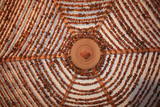 |
Vienreizēja iespēja vērot vienkopus dažādus amatniekus (dzintara apstrādātāji, rotkaļi, audējas, šuvējas u.c.) darbībā un iegādāties meistaru darbus. Apskatāmas pasaules garākās dzintara krelles (123 m, 19 kg!), kas taisītas no pilsētas iedzīvotāju dāvinātajiem dzintara gabaliņiem. Bērniem organizē radošās darbnīcas. |
|
 |
Lauku sēta ar pirti atrodas Merkys upes krastā, ciema nomalē meža tuvumā. Piedāvā programmu "Griķu ceļš no sēklas līdz galdam", iespējams nobaudīt tradicionālos ēdienus. Piedāvā arī nakšņošanu. |
|
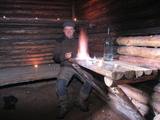 |
Mežabrāļu lauku māja atrodas pie Igaunijas un Latvijas robežas. Staigājot pa mežabrāļu takām var apmeklēt viņu raktos bunkurus, klausīties patiesus stāstus par pēckara notikumiem, nogaršot kandžu “meža šalkas” un kopā ar saimnieku uzdziedāt mežabrāļu dziesmas. Piedzīvojumu mīļotājiem piedāvājam arī naktsmītnes mežabrāļu bunkurā. Ziemā Mežabrāļu saimes ļaudis aicina braukt ar ragaviņām no Punkrimeģa un pavizināties kamanās. |
|
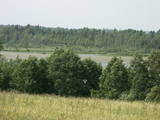 |
Dabas liegumā ietilpst divi aizauguši ezeri ar grūti pieejamiem krastiem - Lielais un Mazais Asūnes ezers, kas atrodas dienvidos no Asūnes ciema. Abus ezerus var vērot, atrodoties ārpus lieguma teritorijas - no blakus esošo pauguru augstākajām daļām, kas atrodas austrumos no abiem ezeriem. Ja līdzi būs paņemts tālskatis, iespējams, izdosies iztālēm novērot šeit esošās aizsargājamās putnu sugas, piemēram, melno zīriņu. |
|
 2 dienas
|
Maršruts ar ļoti neparastiem skatiem! Seda ir vienīgā Latvijas pilsēta, kurai saglabājies pagājušā gadsimta vidus padomju laika plānojums ar centrālo laukumu un tam starveidā pieguļošām ielām. Sava veida eksotika ir dzīvojamo un sabiedrisko māju arhitektūras stils. Sedas purvs, kurā kūdra jau ir iegūta no Latvijas pirmās brīvvalsts laika, ir viena no lielākajām šāda veida industriālām - dabas teritorijām Latvijā un Baltijas valstīs. Agrāk izstrādātie kūdras lauki ir daļēji applūduši un aizauguši ar niedrēm, veidojot izcilu vidi ligzdojošajiem ūdensputniem un migrējošiem putniem, kas Sedas purvu izmanto kā atpūtas vietu. Kūdras ieguve turpinās arī mūsdienās un varbūt paveiksies ieraudzīt „mazo kūdras vilcieniņu”. Maršruta informācija no Latvijas Lauku foruma |
|
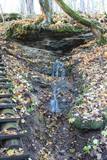 |
Litorīnas jūras laikā (pirms ~ 6000 gadiem) Saleveres Salumegi kalns bija sala, bet mūsdienās tas kā izteikta kāple (īpaši - ziemeļu pusē) paceļas virs Piejūras līdzenuma. Salumegi ziemeļu pusē slejas 4 - 5 metrus augsts kaļķakmens atsegums – silūra perioda (> 400 mlj. gadu) koraļļu rifa paliekas, kuru noskalojuši Litorīnas jūras viļņi. Atseguma piekājē izplūst Acu avots, kam piedēvē dziednieciskas īpašības. Salumegi apskates nolūkos izveidota lokveida taka (1,5 km). No kalna augšas paveras labs skats uz Matsalu līci. Šeit atradies arī sens pilskalns. |
|
 |
Puises „centrā” uz vienstāvu koka mājiņas jumta izveidota skatu platforma. No tās paveras laba ainava uz ciemu, ostu un piekrastes kadiķu laukiem. |
|
 |
Apskatāma ~ 2000 karošu kolekcija no 70 koku un krūmu sugām, kas tapusi > 30 gadu laikā. Mazākā karote ir taisīta no krūkļa, lielākās - „Eiropas karotes” izmēri pārsniedz cilvēka augumu. Meistars no koka gatavo gleznas. Karošu grebšanas procesa vērošana, karošu iegāde un muzeja apskate. |
|
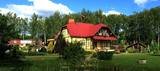 |
Jauka atpūta lauku mājā, kura atrodas 2 km no Aizkraukles pilsētas un 1,5 km no Aizkraukles dzelzceļa stacijas. Atpūtas komplekss ir piemērots atpūtai divatā vai draugu pulkā, līdz 25 cilvēku kompānijai. Brīvdienu mājā nakšņošanai ir paredzētas trīs atsevišķas istabiņas, kurās ir divvietīgās gultas. Var izmitināt līdz 16 cilvēkiem, uzklājot papildvietas. Atsevišķā ēkā ir viesību zāle ar pirti un kublu. Ir arī melnā pirts. Teritorijā ir telšu un treileru vietas. Aktīvai atpūtai ir velosipēdu noma, nūjošana, zirgu izjādes, zirglietu muzejs un mini zoodārzs. |
|
 |
Viena no 19. gs. sešdesmito gadu sākumā būvētās St. Pēterburgas – Varšavas dzelzceļa līnijas stacijām. Kaut arī sliežu ceļš joprojām turpinās Baltkrievijas virzienā (tālāk – pamests), Marcinkones dzelzceļa stacija ir pēdējā, līdz kurai pasažieri var nokļūt ar vilcienu no Viļņas (3 reizes dienā). Arī kravas vilcieni tālāk nekursē. Stacijas ēka ir izcils koka arhitektūras un stacijas kompleksa apsaimniekošanas piemērs. No Marcinkones dzelzceļa stacijas virzienā uz Čepkeļu purvu savulaik ir bijis izveidots šaursliežu dzelzceļš, kuru izmantoja kokmateriālu izvešanai. Tā vietā šobrīd ir saglabājies vecs meža ceļš, kur plānots izvietot šaursliežu dzelzceļu tematikai veltītu informācijas stendu. |
|
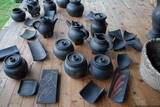 |
Atraktīvais amatnieks ir viens no "Pūdnīku skūlas" podniekiem, kas izmanto senču uzkrātās zināšanas. Darbnīcā "Malny Wylky" var redzēt tradicionālo darbu tapšanas procesu no virpošanas ar kājminamo virpu līdz to apdedzināšanas bedres tipa malkas ceplī svēpējuma tehnikā. Darbu apskate un iegāde. Vēsma Ušpele savukārt glezno eļļas tehnikā un parādīs savus darbus. |
|
 |
Svētās Marijas statuja, tautā saukta „Madonnas statuja”, pēc atjaunošanas
atkārtoti uzstādīta Lūznavas muižas parkā 1991. gadā.
|
|
 |
Saimniecība nodarbojas ar tīršķirnes un krustojumu liellopu audzēšanu vaislai, nobarošanai un gaļas ražošanai, ar piena sivēnu pārdošanu un cūkgaļas ražošanu, graudaugu un pārtikas kartupeļu audzēšanu, kā arī biškopību. Saimnieki jau vairākus gadus sešos saimniecības dīķos audzē karpas, līņus un orfas. Ziemas sezonā zivis var ķert speciālos zivju mājas baseinos, kas izveidoti, uzpludinot Bērzenes upes līkumu. Z/S „Valti” saviem apmeklētājiem piedāvā ieskatu un mācības bioloģiskajā saimniekošanā, gaļas liellopu audzēšanā, t.sk. ģenētiskajā darbā ar tīršķirnes uzturēšanu, un makšķerēšanu svaigā gaisā. Semināru un mācību vajadzībām Zivju mājā ir izbūvēta speciāla semināru zāle un virtuve. Saimniecībā atrodas un tiek uzturēta Oskara Kalpaka taka, kas šķērso ģeoloģiski un ainaviski interesantu teritoriju. |
|
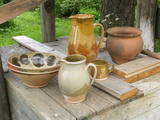 |
Podnieki nodarbojas gan ar dažādu laikmetu tradicionālo podniecību, gan mēģina izzināt senās formas, materiālus un metodes, ar kurām darbojušies senči iepriekšējos gadsimtos. Ekskursija, cepļa apskate, darbošanās ar mālu, keramikas darbu iegāde, seno darbarīku un keramikas kolekcijas apskate. Aicina uz cepļa atvēršanu. |
|
 |
"Sabiles laivas" Talsu novadā piedāvā laivu nomu, laivu un laivotāju transportu. |
|
 6 dienas
|
On this trip you will encounter a rich blend of wetland, woodland and coastal habitats, when almost all the species have arrived and some passage migrants still remain, with the possibility to see around 200 different species. Birdwatching starts in the Gauja National Park with beautiful rolling relief, then goes to the eastern edge of the Gulf of Riga and Lake Burtnieks where there is also the chance of night trekking on the flood plains. Seda bog with its reed beds and flood plains is rich in wildlife. Next day canoeing along the Gauja river will offer a different viewpoint to see the birds, plus with luck some beaver and other wild fauna. Then you pass through oak forest to Lake Lubans. Its wetlands and fish ponds form one of the prime birdwatching sites in the country. A local speciality - fish-soup - will keep you warm. The site is also one of the first known stone-age settlements in Latvian territory. On the way back to Riga there is a stop at Garkalne pine forest. |
|


