
| Nr | Nosaukums | Apraksts |
|---|---|---|
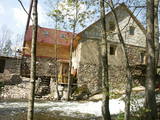 |
No Ežezera iztekošā Narūtas upīte ~ 1 km ieplūst nelielajā Obiteļu dzirnavezerā. Narūtas labajā krastā atrodas ap 1900. gadu celtās dzirnavas, kurās izveidota atpūtas bāze „Obiteļa" ar pirti un banketa zāli. |
|
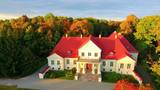 |
Ainaviskā plāna Joniškeļo muižas parks izveidots 18.gs. otrajā pusē. 19.gs. sākumā pārveidots un paplašināts. Cauri parkam tek Mažupe. No muižas ciematiņa puses abās pusēs gājēju taciņai stiepjas liepu aleja. Muižas priekšā – liels laukums. Parkā aug pāri pat 20 šķirņu vietējo koku un krūmu, un vairāk kā 30 šķirņu un formu introducentu. Ievērojamas un vērtīgas ir divas parastās jeb “čūskas zaru” formas egles, savdabīga parastā ligzdas formas egle. Tāpat šalc Lietuvā diezgan reti sastopamās rietumu zelta tūjas, parastais dažādlapu ozols, divstumbru sudrabkļava, pelēkais riekstkoks. Parkā viz trīs dīķi. |
|
 |
Konditoreja - kafejnīca "Bemberi" atrodas Saulkastos netālu no Saulkrastu dzelzsceļa stacijas. Piedāvā ražotnē tapušos konditorejas izstrādājumus – pīrādziņus, smalkmaizītes, kūkas, kēksus un maltīti visām ēdienreizēm. Saulkrastos, Raiņa ielā 7 meklējama otra kafejnīca. Latviešu virtuve: Aukstā zupa, rasols, šķovēti kāposti, mājas kotletes, pelēkie zirņi ar speķi. Īpašais ēdiens: Malkas krāsnī ceptas picas. |
|
 2 dienas
|
A scenic and tradition-rich stretch of the Forest Trail symbolised by the onion. Onions were brought to the region by Old Believers in the 17th century. Ladies and gentlemen selling home-made onion strings on the roadside have become somewhat of a business card of the villages. The villages on the twenty-four kilometre stretch of road between Varnja and Kallaste are connected by the tourist route called Onion Road. The landscape is decorated by colourful wooden houses, small fish shops and a restaurant where you can enjoy tea made in the samovar, true to the traditions of Old Believers. You can visit the Kostja’s onion farm, where the host welcomes the guests and shows them onion cultivation. It is also worth visiting the Chicory Museum in Kolkja to get acquainted with the history of chicory cultivation in row villages near Lake Peipus. At the end of the trail you will reach Alatskivi, where the famous Alatskivi Castle is located. |
|
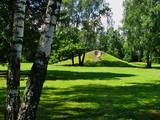 |
2003. gadā uzstādītā, tēlnieces Solveigas Vasiļevas darinātā piemiņas zīme Staburagam atrodas Vīgantes parkā. “Dieva auss” ir vietā, kur pēc Pļaviņu HES ūdenskrātuves izveides tika appludināts viens no interesantākajiem Latvijas ģeoloģiskajiem dabas pieminekļiem. Teikām, leģendām un plostnieku stāstiem apvītais Staburags bija 18,5 m augsta šūnakmens klints Daugavas kanjona kreisajā krastā, kas veidojusies pēc pēdējā leduslaikmeta. No Staburaga klints |
|
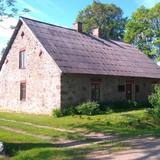 |
Operdziedātāja Jāņa Zābera muzejs "Vecais ceplis" atklāts 1973. gada 11. augustā - dziedātāja dzimšanas dienā - viņa dzimtajās mājās. Muzejā apskatāmas fotogrāfijas no viņa dzīves gājuma, afišas un operu tērpi. Tāpat pieejami dziesmu un operu āriju ieraksti mākslinieka izpildījumā. Muzeju pārzina Jāņa Zābera brāļa meita ar ģimeni. To ir iespējams apmeklēt, iepriekš saskaņojot laikus.
|
|
 |
Saimniecībā, kas atrodas Raunas upes krastā, audzē dažādas zivju sugas. Ziemas piedāvājumā ir dažādu lašveidīgo zivju makšķerēšana, bet vasarā var makšķerēt stores, sīgas, tilapijas un foreles. Sillakās var arī iegādāties zivis, bet apmeklētāju grupām sagatavo zivju degustāciju. Sillakas atrodas ~ 3 km no Liepasmuižas. |
|
 |
Kalējs labprāt pastāstīs par amata prasmi, parādīs dažādus darba paņēmienus un izkals kādu dzelzs priekšmetu. Te var uzzināt par ogļu dedzināšanu, apskatīt 1887. gadā celto dzīvojamo riju, rijas apkurināšanas sistēmu, un noklausīties stāstus par labības žāvēšanu, kulšanu un vētīšanu. |
|
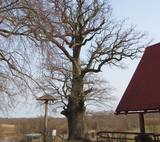 |
Turbu dižozols aug Mazās Juglas stāvkrastā, atpūtas kompleksa Turbas teritorijā. Dižozols ir aptuveni 800 gadu vecs, tā apkārtmērs ir 7,1 m, augstums - 27 m, vainags 18x16 m. Dižozols ir ļoti labā stāvoklī. Zaļo viss vainags. Ozolā ligzdo pūce, kā arī iecienījuši daudzi citi putni. Zinātāji runā, ka Ozols ir ar spēcīgu dziedniecisku enerģiju. |
|
 |
Produktu izgatavošana no ārstniecības augiem - tējas, sīrupi, augu pulveri, ziedes. Pakalpojumu piedāvājums - ekskursijas, radošās darbnīcas, meistarklases, pirts. |
|
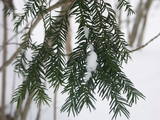 |
Ar mežu klāta teritorija, kas veidota reliktas aizsargājamas augu sugas - parastās īves u.c. augu aizsardzībai. Teritorija nav piemērota apmeklējumiem, jo apmeklētājs bez vides zināšanām šeit ieraudzīs „parastu” mežu.
|
|
 |
Saimniece audzē dažādus ekoloģiskos dārzeņus, viņai ir augļu koki un ogu krūmi, tāpat rūpējas par divu aizsargājamo šķirņu govīm, ir darba zirgu mīļotāju kluba vadītāja un audzē lielos žemaitukus. Viesu nama saimniece ir izveidojusi zirgkopības muzeju no vairāk kā tūkstoš dažādiem eksponātiem. Saimniece tāpat organizē dažādus svētkus – Marijas debesbraukšanas dienu, pieguļu. |
|
 |
Restorāns "Kungu rija" atrodas Turaidas – Raganas ceļa malā. Rijas celtniecība (2004. g.) notikusi pēc vēsturiskajām tradīcijām kā liecība par barona Holšteina būvēto Turaidas muižas riju. Latviešu virtuve: Kūpināts sams, jēra ciska, teļa, brieža vai cūkas cepetis, pildīta pīle vai zoss. |
|
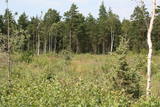 |
Līdzīgi kā ar Alsungas mežiem – apmeklējumiem nepiemērota un nespeciālistam „neinteresanta” teritorija. Taču nelielu tās daļu var apskatīt no Sakas – Apriķu ceļa (neliels klajums – izcirtums), neieejot lieguma teritorijā. Dabas liegums veidots g.k. grīņu sārtenes aizsardzībai, kurai šeit ir viena no nozīmīgākajām Latvijas dzīves vietām.
|
|
 |
Alatskivi muižas vēsturiskajā ledus pagrabā gatavo vīnus, zāļu tējas, pārtikas suvenīrus, garšvielu etiķus un ievārījumus no apkārtējos mežos un laukos iegūtās ražas. Mājīgajā veikaliņā var degustēt un iegādāties gan vīnus, gan tējas, gan citus vietējos pārtikas suvenīrus. Ja grupa ir lielāka vai vēlaties mūs apciemot ārpus darba laika, par savu ierašanos vēlams brīdināt iepriekš. |
|
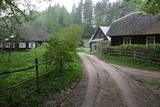 |
Liela meža masīva vidū gleznainās Būkas (Būka) upes krastos starp kokiem ieslēpies teiksmainais Vaišnoriškes ciems. Šis ir viens no skaistākajiem nacionālā parka etnogrāfiskajiem ciemiem. Vaišnoriške kā apdzīvota vieta sākusi veidoties 1756. g., kad šeit sena vēsturiska ceļa malā darbojies krogs. Pirmā viensēta ciematā ir zināma no 1830. g. Šodien redzamā apbūve ir tapusi g.k. 20. gs. sākumā. Ciems ir palicis cilvēku atmiņās ar liepu medu, jo meža velšu vākšana un biškopība bija viena no galvenajām šejieniešu nodarbēm. Tagad ciemā ir piecas sētas. No Vaišnoriškes var uzsākt laivu braucienu pa seklo un dzidro Būku. |
|
 |
Sakoptajos un ainaviskajos saimniecības laukos zied lilijas, peonijas un dienziedes. Izveidots skaists akmeņdārzs un top dendroloģiskais parks. > 100 bišu saimes ievāc medu. Saimniece vada ekskursijas, piedāvā stādu un medus produkcijas iegādi. |
|
 |
„Ilzenberga muiža” – pirmā un Baltijā lielākā saimniecība muižā. Saimniecībā, kurā darbs noris harmonijā ar dabu, var redzēt un iegādāties dažādu veidu maizi no dabīgā ierauga, mājputnus un to olas, ekoloģiskās ganībās izaudzēto liellopu gaļu, pienu un to produktus, dīķos audzētās zivis, tradicionāli audzētās dārza veltes, dažādus dārzeņus, ekoloģiskajā muižas apkārtnē iegūto bišu medu, kā arī dažādus žāvētus, skābētus un kūpinātus produktus. |
|
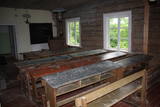 |
Atrodas Druvienas – Liezēres ceļa malā. Vēsturiskajā skolas ēkā 1964. g. iekārtots muzejs. Skolas vārds ir saistīts ar latviešu rakstnieku Jāni Poruku (1871. – 1911.), kuram izveidota piemiņas istaba. Otrajā stāvā var apskatīt klasi un pasēdēt senajos skolas solos. Te ir sena tāfele, globuss un skolas zvans. Guļamtelpā redzamas skolēnu gultas un ēdiena lādes, kā Poruka stāstu varoņu - Cibiņa un Buņģa laikos. Muzejā ik gadu atzīmē J. Poruka dzejas dienas un Lieldienas. |
|
 |
Burtnieku muižas parks, kas atradās kungu ēkas priekšā, ir valsts nozīmes dabas aizsardzības objekts, tika izveidots ap 19.gs. 60. gadiem 10 ha platībā. Iespēja doties ekskursijā pa Burtnieku muižas parku mazākā vai lielākā grupā. Ekskursijas laikā gida pavadībā iespējams iepazīt teikām un nostāstiem bagāto parku, apskatīt teiksmaino Burtnieku ezeru, kā arī baudīt nesteidzīgu pastaigu svaigā gaisā. Papildus tiek piedāvāta iespēja iegādāties oriģinālus Burtnieku suvenīrus, kuros dažādi meistari ielikuši ne vien savu talantīgo roku darbu, bet arī Burtnieku stāstu. Lai diena būtu piepildīta, gids ieteiks, ja nepieciešams, koordinēs un dosies līdzi apskatīt arī citus dabas un vēstures objektus tuvākajā apkārtnē. |
|


