
| Нo | Название | Описание |
|---|---|---|
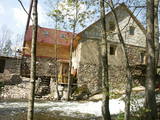 |
The Narūta River which flows out of Lake Ežezers is approximately 1 km long and ends at the small Obiteļi windmill lake. On the right bank of the river is a windmill that was built around 1900. Today the site has the Obiteļa leisure centre with a sauna and banquet facilities. |
|
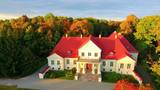 |
Парк усадьбы Йонишкелис, заложенный во второй половине XVIII в., отличается ландшафтной планировкой. В начале XIX в. парк был переоборудован и расширен. Через парк протекает река Мажупе. От усадьбы в сторону поселка ведет пешеходная липовая аллея. Напротив дворца разбита большая площадь. В парке растет более 20 пород местных деревьев и кустарников и более 30 пород интродуцированных растений. Внимания заслуживают две впечатляющие и ценные ели, своеобразная ель гнездовой формы, группа довольно редких для Литвы западных золотистых туй, дуб обыкновенный разнолистный, двуствольный серебристый клен, серый орех. Также в парке находятся три пруда. |
|
 |
Кондитерская - кафе в Саулкрасты, недалеко от железнодорожной станции Саулкрасты. Предлагают выпускаемые изделия кондитерского магазина - пирожки, сдобные булочки, пирожные, кексы и блюда на все случаи жизни. В Саулкрасты на ул. Райня, д. 7, находится второе кафе. Латышская кухня: Холодный суп, рассол, квашеная капуста, домашние котлеты, серый горох с салом. Особое блюдо: Пиццы, приготовленные в дровяной печи. |
|
 2 дня
|
A scenic and tradition-rich stretch of the Forest Trail symbolised by the onion. Onions were brought to the region by Old Believers in the 17th century. Ladies and gentlemen selling home-made onion strings on the roadside have become somewhat of a business card of the villages. The villages on the twenty-four kilometre stretch of road between Varnja and Kallaste are connected by the tourist route called Onion Road. The landscape is decorated by colourful wooden houses, small fish shops and a restaurant where you can enjoy tea made in the samovar, true to the traditions of Old Believers. You can visit the Kostja’s onion farm, where the host welcomes the guests and shows them onion cultivation. It is also worth visiting the Chicory Museum in Kolkja to get acquainted with the history of chicory cultivation in row villages near Lake Peipus. At the end of the trail you will reach Alatskivi, where the famous Alatskivi Castle is located. |
|
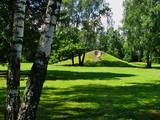 |
Памятный знак Стабурагсу «Ухо бога» скульптора Солвейги Васильевой был установлен в 2003-м году в парке Виганте на месте, где после образования водохранилища Плявиньской ГЭС был затоплен один из интереснейших геологических памятников природы Латвии. Овитый сказаниями, легендами и рассказами плотовщиков, Стабурагс представлял собой известняковый утес высотой 18,5 метров на левом берегу Даугавского каньона, образовавшегося после последнего ледникового периода. Из скалы Стабурагс вытекал источник Лиепавотс, который тоже был затоплен. Стабурагс и затопленный каньон Даугавы были одними из популярнейших туристических объектов Латвии. |
|
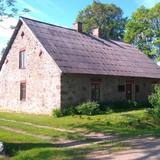 |
Operdziedātāja Jāņa Zābera muzejs "Vecais ceplis" atklāts 1973. gada 11. augustā - dziedātāja dzimšanas dienā - viņa dzimtajās mājās. Muzejā apskatāmas fotogrāfijas no viņa dzīves gājuma, afišas un operu tērpi. Tāpat pieejami dziesmu un operu āriju ieraksti mākslinieka izpildījumā. Muzeju pārzina Jāņa Zābera brāļa meita ar ģimeni. To ir iespējams apmeklēt, iepriekš saskaņojot laikus.
|
|
 |
В хозяйстве, что расположилось на берегу реки Рауна, разводят разные породы рыб. Зимнее предложение включает ловлю лососёвых, а летом предлагается рыбалка на осетра, сига, тилапию и форель. В «Силлакас» можно и купить рыбу. Для туристических групп проводится дегустация рыбы. «Силлакас» находится примерно в 3 км от «Лиепасмуйжас». |
|
 |
Кузнец готов познакомить с кузнечным делом всех интересующихся, продемонстрировать различные приемы работы и изготовить различные кованные изделия. Кроме ковки кузнец покажет как заготовляли древесный уголь, жилую ригу, построенную в 1887-ом году, как топили печь и сушили зерно, молотили его и просеивали. |
|
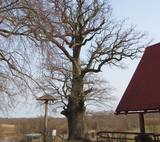 |
Turbu dižozols aug Mazās Juglas stāvkrastā, atpūtas kompleksa Turbas teritorijā. Dižozols ir aptuveni 800 gadu vecs, tā apkārtmērs ir 7,1 m, augstums - 27 m, vainags 18x16 m. Dižozols ir ļoti labā stāvoklī. Zaļo viss vainags. Ozolā ligzdo pūce, kā arī iecienījuši daudzi citi putni. Zinātāji runā, ka Ozols ir ar spēcīgu dziedniecisku enerģiju. |
|
 |
Produktu izgatavošana no ārstniecības augiem - tējas, sīrupi, augu pulveri, ziedes. Pakalpojumu piedāvājums - ekskursijas, radošās darbnīcas, meistarklases, pirts. |
|
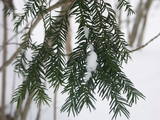 |
The forest covered area formed to protect tort protected plant species as yew-tree etc. Territory is not suitable for visitors as visitor without environmental knowledge will see “regular” forest.
|
|
 |
Хозяйка фермы выращивает различные экологически чистые овощи, имеет фруктовые деревья и ягодные кусты, ухаживает за коровами двух охраняемых пород и является руководителем клуба любителей рабочих лошадей, разводит укрупненных жямайтукасов. |
|
 |
Находится на обочине дороги Турайда – Рагана. Строительство амбара (2004 г.) осуществлялось согласно историческим традициям как свидетельство о Турайдском амбаре, построенном бароном Хольштейном. Латышская кухня: Копченый сом, бедро барашка, теленка, оленя или свиное жаркое, фаршированная утка или гусь. |
|
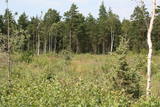 |
Similar as Alsungas mezi (Alsunga forests) – is not intended and appropriate for visits. A narrow path of the restricted area can be seen from the gravel road – Saka-Apriki. Nature restricted area established mainly for protection of Erica tetralix (often called "cross-leaved heath") and it is one of the most important growing places.
|
|
 |
В историческом ледовом погребе мызы Alatskivi делают вино, травяные чаи, съедобные сувениры, пряный уксус и варенье из урожая, собранного в окрестных лесах и полях. В уютном магазинчике можно продегустировать и купить вино, чаи и другие местные съедобные сувениры. Если Вы хотите навестить нас большой группой и в нерабочее время, то желательно сообщить о своем визите заранее. |
|
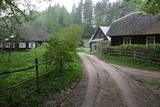 |
Liela meža masīva vidū gleznainās Būkas (Būka) upes krastos starp kokiem ieslēpies teiksmainais Vaišnoriškes ciems. Šis ir viens no skaistākajiem nacionālā parka etnogrāfiskajiem ciemiem. Vaišnoriške kā apdzīvota vieta sākusi veidoties 1756. g., kad šeit sena vēsturiska ceļa malā darbojies krogs. Pirmā viensēta ciematā ir zināma no 1830. g. Šodien redzamā apbūve ir tapusi g.k. 20. gs. sākumā. Ciems ir palicis cilvēku atmiņās ar liepu medu, jo meža velšu vākšana un biškopība bija viena no galvenajām šejieniešu nodarbēm. Tagad ciemā ir piecas sētas. No Vaišnoriškes var uzsākt laivu braucienu pa seklo un dzidro Būku. |
|
 |
На ухоженных и благоустроенных полях хозяйства цветут лилии, пионы и лилейник. Создан прекрасный сад камней и обустраивается дендрологический парк. Более 100 пчелиных семей собирают мед. Хозяйка проводит экскурсии, предлагает приобрести саженцы и продукцию из меда. |
|
 |
«Ильзенберг» - это первая самая крупная в странах Балтии ферма в поместье. На ферме, существующей в гармонии с природой, можно увидеть и приобрести разные сорта хлеба на натуральной закваске, домашних птиц и их яйца, мясо, молоко и молочные продукты скота, выращенного на экологически чистых пастбищах, выращенную в прудах рыбу, дары сада, охраняемого традициями, разные овощи, пчелиный мёд, собранный в максимально экологических окрестностях поместья, также разные сушеные, квашеные и копченые продукты. |
|
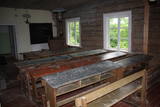 |
Находится на обочине дороги Друвиена – Лиэзерс. В историческом здании школы в 1964 г. создан музей. Имя школы связано с латышским писателем Янисом Поруком (1871 - 1911), в часть которого создана памятная комната. На втором этаже можно побывать в классе, посидеть на старинных школьных скамьях и ощутить себя учеником прошлого. Интересные экспонаты – сундуки для хлеба, - такие же, как во времена героев рассказов Порука – Цибиня и Буньга. |
|
 |
Burtnieku muižas parks, kas atradās kungu ēkas priekšā, ir valsts nozīmes dabas aizsardzības objekts, tika izveidots ap 19.gs. 60. gadiem 10 ha platībā. Iespēja doties ekskursijā pa Burtnieku muižas parku mazākā vai lielākā grupā. Ekskursijas laikā gida pavadībā iespējams iepazīt teikām un nostāstiem bagāto parku, apskatīt teiksmaino Burtnieku ezeru, kā arī baudīt nesteidzīgu pastaigu svaigā gaisā. Papildus tiek piedāvāta iespēja iegādāties oriģinālus Burtnieku suvenīrus, kuros dažādi meistari ielikuši ne vien savu talantīgo roku darbu, bet arī Burtnieku stāstu. Lai diena būtu piepildīta, gids ieteiks, ja nepieciešams, koordinēs un dosies līdzi apskatīt arī citus dabas un vēstures objektus tuvākajā apkārtnē. |
|


