
| Nr | Nosaukums | Apraksts |
|---|---|---|
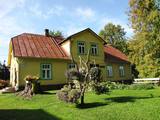 |
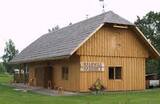
Izveidots latviešu komponista un diriģenta Pētera Barisona (1904. – 1947.) dzimtajās mājās – „Skudrās”. Ekspozīcijā apskatāmas komponista personīgās lietas, mūzikas instrumenti, dokumenti u.c. liecības. Ekskursijas iepriekš piesakāmas. |
|
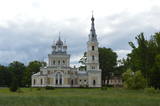 |
Tā kā Stāmerienas muižas īpašnieka, Johana Gotlība fon Volfa sieva, krieviete Sofija Potjomkina, bija pareizicīgā, dievnama celtniecību Stāmerienā uzsāka 1902. gadā, bet pabeidza un iesvētīja divus gadus vēlāk. Baznīcastorņa krusti pazīstami ar saviem kalnu kristāliem, kas bija baronu Borisa un Paula Volfu dāvana. Iepriekš piesakoties, baznīcu var apskatīt no iekšpuses. |
|
 |
Saimniecībā iespējams apskatīt smiltsērkšķu audzes, augustā un septembrī var piedalīties smiltsērkšķu novākšanā. Apmeklētājiem pastāstīs par smiltsērkšķi, tā audzēšanu un novākšanu, dziednieciskajām spējām un produktiem. Ir iespēja apskatīt smiltsērkšķu produktu ražotni un nodegustēt pašus produktus. |
|
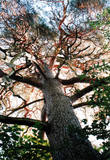 |
Latvijas resnākā parastā priede (Pinus sylvestris).
|
|
 |
Uz ÕUNA saimniecību (ÕUNA puhketalu) var nokļūt pa Piibe ceļu, aiz vecā zirgu pasta un kroga. Šeit pieejamas naktsmājas, ēdināšana, kā arī dažādi izklaides pasākumi. Ēdienkartē ir tikai Igaunijai raksturīgie ēdieni. |
|
 |
Uibo saimniecība klientiem piedāvā ēdienus no svaigas cūkgaļas, kuriem pievienots iespējami maz konservantu un piedevu un kas raksturo tradicionālās Igaunijas garšas. |
|
 1 diena
|
Dodieties ekskursijā, lai gūtu ieskatu lauku profesijā un dzīvesveidā, kā arī iegūtu jaunus iespaidus un labu atpūtu visai klasei. Ekskursijas laikā apmeklējiet etnogrāfisku ciematu un muzeju, kurā var iepazīt vecticībnieku kultūrvidi un tradīcijas. Pēc tam apmeklējiet saimniecību, lai uzzinātu par dažādiem ārstniecības augiem un degustētu tējas. Ekskursijas noslēgumā dodieties uz zirgu sētu, kur var iepazīt saimniecību, tās galvenos iemītniekus - zirgus, kā arī izstaigāt dabas taku. |
|
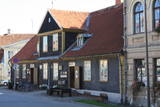 |
Meklējams Baznīcas ielā 5. Tumšajos toņos krāsotā ēka būvēta 17. gs. (tad rātslaukums pieminēts dokumentos), un tās pagrabos atradies pirmais pilsētas cietums. Tai blakus esošais vēsturiskais rātslaukums bija galvenā pilsētnieku pulcēšanās un soda izciešanas vieta, jo laukuma dienvidaustrumu stūrī bijis ierīkots kauna stabs. Mūsdienās te izvietojies Kuldīgas TIC un Audēju darbnīca. Kā vienā, tā otrā var iegādāties Kurzemē ražotas preces un suvenīrus, bet darbnīcā – vērot aušanas procesu. Rātslaukuma apkaimē uzņemti filmas „Emīla nedarbi” kadri. |
|
 |
Mākslinieka un koktēlnieka Antano Česnulio koka skulptūru parks atrodas Naujasodė ciematā, aptuveni 3 km attālumā no Druskininku pilsētas. Ekspozīcija tiek regulāri atjaunota ar jauniem darbiem. |
|
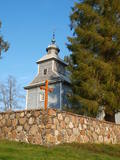 |
No koka vietējo amatnieku celtais dievnams par grāfu Plāteru līdzekļiem tapis laikā no 1655. - 1658. gadam kā miniatūra vienjoma bazilika. Vienreizējo kultūrvēstures pieminekli uzskata par vienu no Latgales vecākajām koka baznīcām. Tās centrālā altāra kokgriezumus barokālās formās veidojuši Stelmužes koktēlnieku skolas meistari. Sānu altārī atrodas 18. gs. vidū tapusī glezna “Sv. Marija Magdalēna”. Dievnams uz patreizējo vietu – Daugavas labajā krastā ir pārvietots 1698. gadā. Ēka vairakkārt - 1890. un 1918. g. atjaunota. Baznīcai apkārt stiepjas 17. gs. beigās būvēts mūra žogs ar 19. gs. vidū celtu brīvi stāvošu zvanu torni, kas restaurēts 2002. g. Pēc dažādiem informācijas avotiem var spriest, ka Indricas draudze ir Latgalē vecākā. |
|
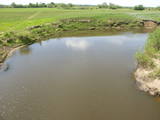 |
Unikāla dabas teritorija – Dvietes senleja ar Skuķu un Dvietes ezeriem un senlejai pieguļošajām palieņu pļavām, kas plūdu laikā darbojas kā sava veida Daugavas ūdeņu „uzkrājējs” jeb ventilis. Tā ātri uzņem lielas palu ūdeņu masas, bet vēlāk tās lēnām atdod. Senlejas ūdens līmeņa svārstību īpatnības ir iemesls savdabīgajai senlejas ekosistēmai, kas ir nozīmīga augu un putnu dzīves vieta gan migrāciju, gan ligzdošanas laikā. Skatīt arī Dvietes palu zinas |
|
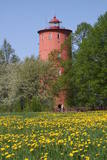 |
Otra Latvijas vecākā (1849. – 1850. g.), visaugstāk (82 m v.j.l., t.sk. 32 m augsts tornis) esošā un iekšzemē vistālāk (5 km no jūras) celtā bāka. Tās bākuguni izslēdza 1999. g. un mūsdienās bāka kalpo kā lielisks skatu tornis un izstāžu zāle. Skaidrā laikā no bākas labi redzams Irbes šaurums un Serves rags (Sāmsalā) ar Serves bāku. Pie bākas atrodas Šlīteres dabas taka, ko var iziet tikai nacionālā parka gida pavadībā. Taka atrodas dabas rezervātā, kur 1923. g. dibināja Šlīteres dabas pieminekli. Apmeklētāji varēs iepazīt Šlīteres Zilos kalnus - Baltijas ledus ezera senkrasta stāvo krauju, nogāžu un platlapju mežus, avoksnāju, kaļķainu zāļu purvu, kā arī senas meliorācijas grāvju atliekas un satrupējušos egļu stumbrus, kurus sagāza vējš 1969. gada orkāna laikā. Takas garums 1,2 km. Dabas izglītības centrs “Slītere” ietver dabas taku, bāku, ēku ar ekspozīciju “Dzīvība kokā”, kā arī pagalmu, kur notiek dabas izglītības nodarbības. |
|
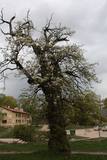 |
Resnākā Latvijas meža bumbiere (Pyrus pyraster). Koku vērts apmeklēt tā ziedēšanas laikā – tad vērojams īpašs skats!
|
|
 |
Namdara darbnīcā piedāvā īpašas ekskursijas un pasākumus pieaugušajiem un bērniem, ir izveidotas tematiskas programmas. Meistaru vadībā var darboties ar tradicionālajiem kokapstrādes instrumentiem un apgūt senās spēles, noslēgumā cienāties ar spēka tēju un piknikot romantiskajā Ugunskura namā. Var iegādāties koka suvenīrus un veikt pasūtījumus. |
|
 |
Dravās var iepazīt bišu dzīvi un iegādāties dažādziedu medu, propolisu, propolisa sedziņas, vaska sveces. Latvijā neparasts piedāvājums – apiterapija, kuras laikā dziedina ar senām metodēm – gultā, zem kuras ir novietoti bišu stropi (bišu radītais siltums, vibrācija, biolauks). |
|
 16 dienas
|
This tour is a road trip from Rīga to Vilnius, stopping along the road to hike on nature trails of the Baltic Coastal Hiking Route. In Latvia the route mainly follows the Baltic Coastal Hiking Route/ the Baltic coast, continuing along the coast and the Curonian Spit in Lithuania. Further, the route includes some smaller sections of the Forest Trail in Lithuania leading to Druskininkai and near the Lithuanian/Polish border. This tour will suit travellers who are ready to indulge in some nature trails and have a peek in urban landscapes, but who are not prepared for longer distances with backpacks, tenting and similar. A car will take you from one short hike to the next. Another transfer is planned from the island of Rusnė to the Dubysa valley, thus linking the Lithuanian sections of the Baltic Coastal Hiking Route and the Forest Trail. The tour includes Latvian and Lithuanian nature’s jewels – the national parks of Ķemeri and Slītere, Cape Kolka, Pape Nature Park, the Curonian Spit, the island of Rusnė, the river Nemunas, the Dubysa river valley regional park with its rolling terrain, the most forested and secluded area of Lithuania – the Dzūkija National Park. Besides the capital cities of both countries, the route will take you to other major cities – Ventspils, Liepāja, the popular resort town of the Curonian Spit – Nida, as well as historical bathing resorts: Ķemeri, Birštonas and Druskininkai. You will also see the city of Kaunas and the beautiful riverscapes of the river Nemunas. |
|
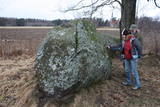 |
Ziemeļaustrumos no Mazirbes baznīcas, - starp dievnamu un Pakalnu mājām laukā redzami divi mēra akmeņi. Uz lielākā virsmas bijis (šobrīd izdzisis) teksts par lībiešiem, kurus pieveicis Zviedrijas karalis Kārlis IX un mēris. Pie lielākā akmens sāna atbalstīts otrs (vismazākais) mēra akmens, kas savulaik atradies pie Pakalnu mājām. Izdzisušais teksts stāstījis par armijām, kas staigājušas pa Kurzemi, badu un mēri. Trešais – Lielais mēra akmens atrodas aiz Mazirbes mācītājmuižas. Tajā iekaltais teksts (nedaudz saskatāms) ir vēstījums nākamajām paaudzēm par vietējo mācītāju (mira no mēra) un pastorāta izveidi Sīkragā. Vienlaikus tas ir arī piemineklis sešiem plašākas apkārtnes draudzes mācītājiem. Visi trīs mēra akmeņi „stāsta” par 1710. gada Lielo mēri un teksti tajos iegravēti laikā no 1711. - 1734. gadam. |
|
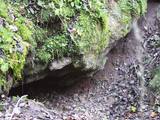 |
Rasnupļu (Opiņķu) pilskalns ir nozīmīga seno latgaļu apdzīvotā
vieta tā pakājē. Vīces strauta labajā krastā izveidojusies Velna ala,
saukta arī par Latgales mazo Staburagu. Nelielā ala (garums 3 m, platums
2 m, augstums 0,6 m) ir ģeoloģiski unikāla, jo izveidojusies,
dabiski sacementējoties kvartāra perioda grants iežiem. Šādas alas
Latvijā ir tikai divas. Alā ir 5 – 6 cm gari stalaktīti.
|
|
 |
Vīna ražošana Allikukivi notiek senajā vadmalas fabrikas direktora ērberģī. Viesi tiek gaidīti uz plašā muižas balkona degustēt daudzveidīgos dzērienus un iepazīties ar vīna darīšanas noslēpumiem, muižas vēsturi un ogu stādījumiem. Augļu un ogu vīnu ražošana pēc igauņu receptēm. |
|
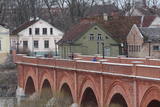 |
Kuldīgu pelnīti uzskata par skaistāko Latvijas viduslaiku mazpilsētu. Tās vietā jau pirms 13. gs. atradies senās kuršu zemes Bandavas centrs. 1242. g. Livonijas ordenis pie Ventas rumbas uzsāk mūra pils celtniecību. Pie pils izveidojas apdzīvota vieta, kas pirmā (1378. g.) Kurzemē iegūst pilsētas tiesības. Nozīmīga ir arī tās dalība Hanzas savienībā. Laikā no 1561. - 1795. g. Kuldīga ir Kurzemes hercogistes galvaspilsēta. Likumsakarīgi, 17. gs. pirmajā pusē tā piedzīvo strauju saimniecisko izaugsmi, kas beidzas līdz ar Ziemeļu kara un mēra epidēmijas sākumu. Kurzemnieku lepnums un lielāku industriālu objektu trūkums ir iemesls, kādēļ padomju laikā pilsētā neieplūda lielākas imigrantu masas, tādēļ Kuldīga šodien ir viena no latviskākajām Kurzemes pilsētām. Uz Kuldīgu ir vērts braukt un uzkavēties vairāk nekā vienu dienu, jo te darāmā netrūkst. Dabas mīļotāji var vērot lidojošās zivis, bet kultūrvēstures pētniekiem te paveras visnotaļ plašs darba lauks. |
|


