Dabas objekti Lietuvā
Ar ko ievērojama daba Lietuvā?
Kuršu kāpa – tuksnešaina zemes strēle starp Baltijas jūru un Kuršu jomu, Žemaitijas pauguraines ainavas, Aukštaitijas ezeru zilo spoguļu labirinti, Dzūkijas priežu sili, Nemunas ielejas loku ainavas un daudzie reģionālie dabas parki, kas veidoti ne tikai dabas aizsardzības, bet arī sabiedrības izglītošanas un atpūtas nolūkos, ir tie dabas vērtumi, kas dabas tūristus piesaista Lietuvā.
Lai uzzinātu vairāk par apmeklējamām teritorijām aicinām izmantot vides vai vietējo gidu pakalpojumus.
Esiet saudzīgi pret dabu ceļojuma laikā - ievērojiet Zaļos padomus!
| Pārskats | Detaļas |
|---|---|
 |
Lietuva
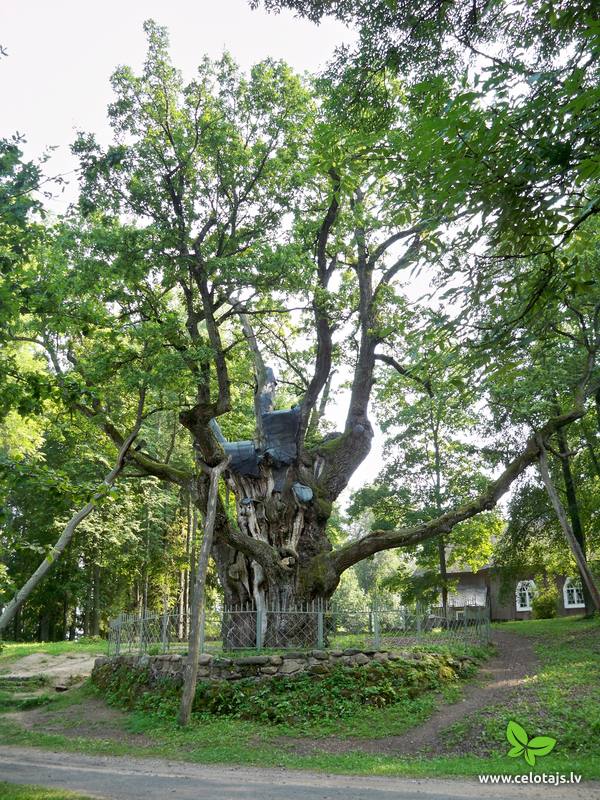
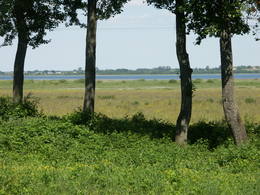
Stelmužes muižvietas parksStelmužes muižas parks izveidots 18.gs. vidū uz dienvidiem no Stelmužes ezera. No visām pusēm uz pakalna esošo Jēzus tā Kunga krusta baznīcu ved līkumotas takas, augu valstī dominē liepas, kļavas, ozoli, gobas, bērzi, egles, oši, priedes. Stelmužes muižas parka pakalna pakājē atrodams Laimes avots, var pastaigāt pa ozolu aleju. Stelmužes ozols – vecākais un resnākais Lietuvā augošais ozols ir viens no senākajiem ozoliem Eiropā. Lēš, ka tā vecums ir ap 1500 – 2000 gadiem, tā diametrs ir rekordliels – 3,5 m (lai stumbru apņemtu, vajag 8 – 9 vīrus), augstums 23 m.  1-12 1-12


Pakalpojumi
1-12 Aktīvie sezonas mēnešiPakalpojumi - citi
Pieņem individuālus apmeklētājus
Pieņem tūristu grupas |
 |
Lietuva
Meteļu reģionālais parksParka centrā atrodas trīs lieli ezeri – Dusia, Metelys un Obelija. Dusia ezera (ļoti dzidrs ūdens ar labu caurredzamību) pludmales tā D un DA krastā ir iecienītas atpūtas un peldvietas. Ezeri ar tiem pieguļošajiem mitrājiem ir nozīmīga putnu atpūtas vieta migrāciju laikā.
PakalpojumiPakalpojumi - atpūta
VelomaršrutsVelomaršruts apkārt Dusia ezeram (25 km), apkārt Metelys ezeram (27 km). 
Dabas takaIzziņas taka Bijotų un Širvinto mežā (4 km). 
Dabas vērošanaPutnu vērošana ezeru piekrastē migrācijas laikā. Skats no Prelomčiškė pilskalna un skati no Seirijai – Meteliai ceļa. Informācija: www.meteliuparkas.lt. |
 |
Lietuva
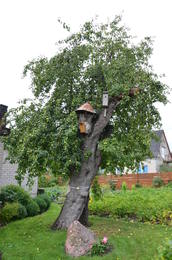
Vecākā ābele LietuvāSenākā Lietuvas ābele – augļkoks, kas ir botāniskais mantojuma objekts. Koka šķirne – mežābele. Tā ir vienīgā apsargājamā ābele Lietuvā. 
|
 |
Lietuva
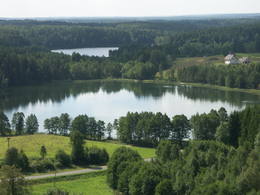
Asvejas reģionālais parksParks veidots Lietuvas garākā (> 20 km) – Asvejas ezera aizsardzībai. Ezers veidojies subglaciālā (ledāja izgrauztā) vagā un atgādina platu, līkumainu upi.
PakalpojumiPakalpojumi - atpūta
Izbraukumi ar kuģīti/laivu1 – 2 dienu brauciens pa ezeru un tā līčiem.
Dabas vērošanaSkats no Dubingiai pilskalna. Informācija: www.asvejosparkas.lt. |
 |
Lietuva
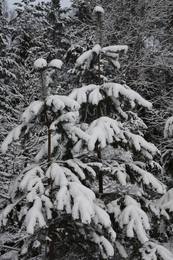
Labanoras reģionālais parksViens no Lietuvas mežainākajiem un ezeriem (~ 285) bagātākajiem apvidiem ar plašām aktīvās un pasīvās atpūtas iespējām.
Pakalpojumi
82km - Attālums no valsts galvaspilsētasPakalpojumi - atpūta
Izbraukumi ar kuģīti/laivu1 – 2 dienu brauciens pa parka ezeriem un to savienojošiem strautiem.
Dabas takaPeršokšnai izziņas taka (4 km).
Dabas vērošanaEtnokosmoloģijas muzeja skatu tornis. Apmeklētāju centrs atrodas Labanoras ciemā. Informācija: www.labanoroparkas.lt. |
 |
Lietuva
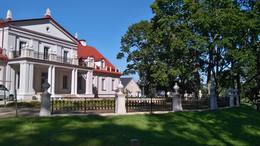
Kurtuvēnu reģionālais parksKurtuvēnu reģionālais parks (Kurtuvėnų regioninis parkas) ir mežu, ūdeņu un mitrāju valstība. Parka reljefs ir izteikti paugurains, tādēļ tas nav ticis izmantots lauksaimniecības vajadzībām. Dabas apvidus, kurā nelielā teritorijā novērojamas daudzveidīgas reljefa formas – augsti pauguri, izteiktas upju ielejas, gravas, termokarsta piltuves, kontinentālas kāpas u.c. Te ir sastopami boreālie (ziemeļu) meži, staignāju meži un purvaini meži, sugām bagāti egļu meži, neskarti purvi, pārejas purvi un slīkšņas, avoti un avoksnāji, dažāda tipa zālāji, sausas un mitras pļavas. Kopumā parkā ir konstatētas 978 augu un 1475 dzīvnieku sugas. Kurtuvēnu apkaime ir populāra dažādu tradīciju svinēšanas vieta. Šeit atzīmē masļeņicu (iekļauta Lietuvas nemateriālā mantojuma sarakstā), vasaras un ziemas saulgriežus u.c. Kurtuvēni ir pazīstama ar zivsaimnieciskajām tradīcijām. Parka apmeklētāju centrs atrodas Kurtuvēnu muižas ratnīcā.
PakalpojumiPakalpojumi - atpūta
VelomaršrutsVelomaršruts Kurtuvenu apkārtnē. Informācija: www.kurtuva.lt.
Dabas takaVainagių meža taka (4,3 km), Juodlė izziņas taka (4,5 km). |
 |
Lietuva
Ilzenbergas muižas parksJaukta plāna Ilzenberga muižas parks, izveidots 19.gs. otrajā pusē, ir palicis tāds pats līdz mūsdienām. Gleznaina, izteiksmīga reljefa vietā starp Ilgio un Apvalasa ezeriem. Atjaunojot parku, saglabāta bijušā parka telpiskā struktūra. Parks aizņem 10 ha teritoriju un ir veidots no divām daļām. Pirmā – tā ir salīdzinoši prezīca tainsstūra formas teritorija blakus muižai, apjozta ar mazlapu liepu rindām un ainaviski izvietotiem vietējo un introducēto koku sugu stādījumiem. Otrā daļā – dabiskā meža tipa stādījumi. Lielākais Ilzenberga muižas parkā augošais ozols ir pasludināts par valsts apskargājamo dabas mantojuma objektu. Šī varenā koka stumbra apkārtmērs – 6.3 m, diametrs – 2 m, augstums – 30,5 m. 1-12


Pakalpojumi
1-12 Aktīvie sezonas mēnešiPakalpojumi - ērtības
Piedāvā naktsmītniPakalpojumi - citi
Pieņem tūristu grupas
Pieņem individuālus apmeklētājus
Vieta ar konkrētu darba laiku, kas jānoskaidro iepriekš
Iespējams pasūtīt maltītes |
 |
Lietuva
Tītuvēnu reģionālais parksTītuvēnu reģionālais parks (Tytuvėnų regioninis parkas) dibināts 1992. gadā. Parkam raksturīga ainavu daudzveidība – te ir sastopami lieli mežu masīvi, purvi, ezeri, upītes. Šejienes reljefa veidotājs tāpat kā citur Baltijas valstīs ir bijis ledājs, kas atnesis un atstājis aiz sevis garas laukakmeņu grēdas. Kopumā parkā ir konstatētas 603 augu un 787 dzīvnieku sugas. Parkā aug veci un dabiski boreālie (ziemeļu) meži, veci un jaukti platlapju meži ar ozoliem, liepām, kļavām, ošiem un gobām, sugām bagāti egļu meži, staignāju meži, nogāžu un gravu meži, purvaini meži un aluviālie (pārplūstošie) meži. Parkā esošās pļavas un tīrumi ir nozīmīga dzērvju atpūtas vieta migrāciju laikā, kad te pulcējās tūkstošiem putnu. Šiluvas baznīca un Tītuvēnu klosteris ir svētceļnieku galamērķis vairāk nekā 500 gadu garumā.  200
200
Pakalpojumi
200km - Attālums no valsts galvaspilsētas |
 |
Lietuva
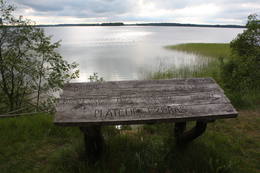
Plateļu ezers (Platelių ežeras)Nacionālā parka galvenā ainavas dominante. Ezers ir ~ 8,4 km garš un līdz 3,3 km plats. Tā austrumu krasti pārsvarā ir ar mežiem apauguši, ziemeļrietumu krasts – purvains, bet rietumu krastā parādās apdzīvotas sētas un simpātiskā Plateļu (Plateliai) pilsētiņa, kur meklējamas skaistākās skatu vietas. Ezera krastos ir labi attīstīta infrastruktūra - tūristu mītnes, ēdināšanas uzņēmumi (Plateļos), ūdenssporta un atpūtas inventāra noma. Ūdens dzidruma dēļ, Plateļu ezeru ir iecienījuši zemūdens niršanas entuziasti. Ezerā ir vairākas salas, no kurām interesanta ir Pils salas (Pilies sala), uz kuras no 15. – 16. gs. atradās muiža. Pastāv uzskats, ka senie Plateļu apkārtnes iedzīvotāji sākotnēji ir dzīvojuši uz salas, kuru ar krastu savienojis uz pāļiem celts tilts. Jāpiemin, ka 15 gs. pirmoreiz pieminētā Plateļu pilsētiņa atradusies uz Šventorkalņa (Šventorkalnis) kalna. Apkārt Plateļu ezeram ir izveidots ~ 24 km garš velomaršruts. Tā ir ļoti laba iespēja iepazīt parku videi un ceļotāja veselībai draudzīgā veidā. 307
Pakalpojumi
307km - Attālums no valsts galvaspilsētas |
 |
Lietuva
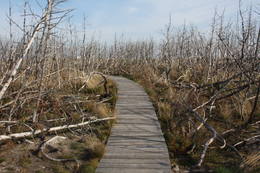
Degumi Kuršu kāpāBraucot no Kopgaļa uz Jodkranti (Juodkrantė), autoceļš „uzskrien" Lāča galvas kāpā (Meškos galvos kopa), kur kreisajā (austrumu) pusē paveras dīvains skats ar sausiem kalnu priežu Pinus montana stumbriem, kas atgādina spocīgu pasaku mežu. Šeit 2006. g. pavasarī notika t.s. gadsimta ugunsgrēks, kā rezultātā izdega simtgadīgs priežu mežs 235 ha platībā. Vietas apskatei ir izveidota koka laipa. 314
Pakalpojumi
314km - Attālums no valsts galvaspilsētas |
 |
Lietuva
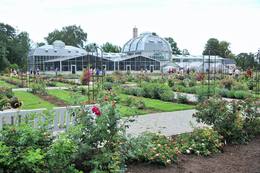
Vitauta Dižā universitātes Kauņas botāniskais dārzsBotāniskais dārzs dibināts 1923. gadā kā visas Lietuvas botānikas zinātņu centrs. Dārza platība pārsniedz 60 hektārus, publikai pieejamās ekspozīcijas – aptuveni 30 hektāru.
4-10


Pakalpojumi
4-10 Aktīvie sezonas mēnešiPakalpojumi - ērtības
Aizliegts ņemt līdzi mājdzīvniekusPakalpojumi - citi
Pieņem tūristu grupas
Pieņem individuālus apmeklētājus
Vieta ar konkrētu darba laiku, kas jānoskaidro iepriekš
Apmeklējums iepriekš jāpiesaka |
 |
Lietuva
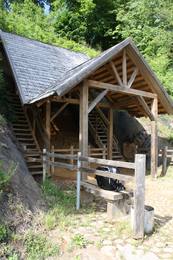
Ventas reģionālais parksVeidots Ventas upes ielejas un tās pieteku krastu ainavas aizsardzībai. Papilē (Papilė) Ventas labā krasta nogāzē atrodas Baltijas mērogā unikālais un apskatei labiekārtotais Juras perioda atsegums (pazīstams kopš 1925. g.), kura slāņos atrastas un aprakstītas > 300 dažādas dzīvības formas.
PakalpojumiPakalpojumi - atpūta
Izbraukumi ar kuģīti/laivu1 – 2 dienu brauciens pa Ventu: Papilė – Mažeikiai.
Dabas takaTaka līdz Juras perioda atsegumam.
Dabas vērošanaSkats no Papiles pilskalna un skatu torņa. Informācija: www.ventosparkas.lt. |
 |
Lietuva
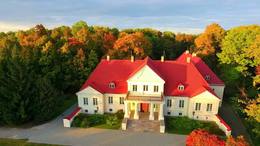
Joniškeļu muižas parksAinaviskā plāna Joniškeļo muižas parks izveidots 18.gs. otrajā pusē. 19.gs. sākumā pārveidots un paplašināts. Cauri parkam tek Mažupe. No muižas ciematiņa puses abās pusēs gājēju taciņai stiepjas liepu aleja. Muižas priekšā – liels laukums. Parkā aug pāri pat 20 šķirņu vietējo koku un krūmu, un vairāk kā 30 šķirņu un formu introducentu. Ievērojamas un vērtīgas ir divas parastās jeb “čūskas zaru” formas egles, savdabīga parastā ligzdas formas egle. Tāpat šalc Lietuvā diezgan reti sastopamās rietumu zelta tūjas, parastais dažādlapu ozols, divstumbru sudrabkļava, pelēkais riekstkoks. Parkā viz trīs dīķi. 1-12
Pakalpojumi
1-12 Aktīvie sezonas mēnešiPakalpojumi - citi
Pieņem tūristu grupas
Pieņem individuālus apmeklētājus
Vieta ar konkrētu darba laiku, kas jānoskaidro iepriekš |
 |
Lietuva
Čepkeļu purvs (Čepkelių raistas)Lietuvas lielākais sūnu purvs, kura aizsardzības nolūkā ir izveidots Čepkeļu dabas rezervāts (Čepeklių gmatinis rezervatas). Tas izvietojies starp Dzūkijas nacionālā parka dienvidaustrumu daļu un Baltkrieviju. No Marcinkones pa smilšainu meža ceļu (~ 9 km turp - atpakaļ) ar kājām vai divriteni (arī nelielu tūrisma autobusu līdz 20 vietām) var nokļūt līdz purva malai, kur mežainās kāpās un purvā izveidota 1,5 km gara dabas taka un skatu tornis, no kura labi pārredzama purva rietumdaļa. Pirms došanās uz Čepkeļu purvu, ir jāreģistrējas Dzūkijas nacionālā parka apmeklētāju centrā (Šilagėlių gatve 11), kas meklējams aiz dzelzceļa pārbrauktuves. Te apskatāma neliela nacionālajam parkam un rezervātam veltīta ekspozīcija. 112
Pakalpojumi
112km - Attālums no valsts galvaspilsētas |