
| No | Name | Description |
|---|---|---|
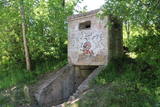 |
Viena no slepenākajām vietām kādreizējā Padomju Latvijā - bunkuri ir bijušais raķešu vadības punkts un patvertne. Bunkurus izveidoja 1950. un 1960. gadu mijā Padomju armijas vajadzībām. Par atrašanos šajā teritorijā draudēja bargs sods. Celtnes izveidošanai ar milzīgām 16- riteņu kravas automašīnām tika atvesti lieli dzelzbetona bloki. Pēc trīs bunkuru izveidošanas, papildus nostiprināšanai un nosiltināšanai tos apbēra ar granti. Celtne sastāv no 2 x 3 sekcijām, kas pievienotas vidējam gaitenim. Blakus ēkā atradās skola, kad 1946. gadā tā daļēji bija izdegusi, tika noslēgts līgums ar Padomju armijas garnizonu par telpu īri. Tā Valkas pilsētas centrā radās militārais centrs un Valka kļuva par Padomju Savienībai svarīgu kodolbruņojuma objektu. Objekts pieejams tikai no ārpuses! |
|
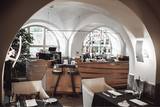 |
Situated in a building with a rich history. Historically a fish market was located here, which has influenced the activities of the restaurant. The restaurant offers a vast selection of fish dishes and seafood, as well as exquisite meat dishes. We also offer a children’s and vegetarian menu. |
|
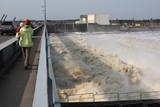 |
This is Latvia’s first major hydroelectric power plant, and construction along the right bank of the Daugava began in 1936. The plant was designed by the architect Eižens Laube. The first hydro-aggregate (17 MW of capacity as the largest plant in Latvia) was switched on in 1939. A second round of construction occurred between 1976 until 1979, the result being a new building on the left bank of the Daugava, increasing the capacity of the plant to 260 MW. Another round of reconstruction occurred between 1998 and 2001 on the left bank of the Daugava (the HES-2 plant). The Energy Museum is now there.
|
|
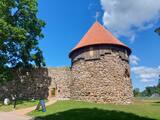 |
The Livonian Order built a fortified castle on the largest island in Lake Alūksne – Marijas Island (Pilssala Island) in 1342. It was linked to the land by a 120 m drawbridge. The castle had several forecastles, and it was regularly modernised and expanded until the end of the 17th century. It was one of the largest Livonian Order Castles, with similar ones found in Vastelina and Izborsk. Defensive barriers were put up around the castle, which survived until the Great Northern War. Its central part was blown up by the defeated Swedish military in 1702, after which Russians completely sacked it. All that is left are the castle ruins on the island, which is now linked to Alūksne and Temple Hill by two wooden bridges. An open-air stage alongside the castle ruins is used for various public events. |
|
 7 days
|
Our tour leader will meet you at the Riga airport. Depending of the flight time we' ll have an excursion of Riga Old Town and the Central Market listed in UNESCO World Heritage list. Next day we visit potatoes grower near Iecava and successful local multi-sectoral agricultural enterprise at Tervete which combines horse breeding, brewery, crop growing, dairy farm and bio energy production. Also we will visit one of the biggest medical herb growers and producers of the herbal teas. After full day of professional visits, we' ll taste Latvian traditional food and beer in a traditional tavern in Riga. Then we will visit two cattle growers at Sigulda and Cesis area, climb up the tower of Turaida Castle for a great panoramic view and walk charming streets of Cesis Old Town. Afterwards we will visit ecological sheep farm near Valka and stay overnight at the Koni Mill where wool is still processed traditional way, warm blankets and beautiful bed linen made. |
|
 |
Baznīca šajā vietā – blakus Livonijas ordeņa pilij (nav saglabājusies) atradās jau ~ 1380. gadu. Tagad redzamais dievnams (patiesībā – atliekas) tika nopostīts pēc 2. pasaules kara un uzspridzināta 20. gs. 70. gados. Tā drupas ir iekonservētas un virs altārdaļas uzstādīts balts koka krusts. Atrodas Salaspils dienviddaļā starp Rīgas HES dambi un ūdenskrātuvi. |
|
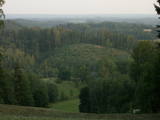 |
From the highest point in the Alūksne highlands, you will see an unusually beautiful view of the surrounding forested hillocks and the small areas of meadows and farmland. Sadly, there are no improvements to the location, which can be difficult to access. It is on private property.
|
|
 2 days
|
Gauja ir Latvijas populārākā ūdenstūristu upe. Laivotājus šeit vilina skaistie smilšakmens atsegumi, upes mierīgais tecējums, dabas un lielā kultūras pieminekļu daudzveidība. Minētajā posmā upe plūst cauri Gaujas senlejai, kas ir viena no iespaidīgākajām Baltijas reljefa formām. Maršruta tehniski sarežģītākā vieta ir Ķūķu krāces, kur nereti gadās pa kādai apgāztai laivai. Lielākais upes kritums ir posmā no Amatas ietekas līdz Līgatnei, tādēļ daudzi braucēji izvēlas Cēsu – Līgatnes posmu. |
|
 5 days
|
This route involves unique views that have never been seen before in Latvia! The impressively steep shoreline of the Baltic Sea begins a few kilometres to the North of Pāvilosta and ends shortly before Ošvalki, stretching for nearly 20 kilometres in all. Its most impressive and unusual forms are seen between Strante and Ulmale. The entire route leads down the western boundary of the former Iron Curtain, because the Baltic Sea coastline was militarised during the Soviet era and unavailable to most people. Remnants of former military objects and old tank routes in the dunes can still be seen. The largest biotopes of grey dunes stretch for several kilometres around Ventspils and Užava. These are unusual landscapes that can seldom be seen elsewhere in Europe. You can walk more than 10 kilometres here and not see another soul. Route information from Latvijas Lauku forums |
|
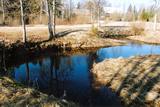 |
One of the largest karst areas in Estonia is found here. The unique Witch’s well is one of the most interesting parts of this area. During spring floods (not every year, and for only a short period of time), the well erupts with underground river waters to create an unusually powerful karst stream that can pump out as much as 100 litres per hour.
|
|
 3 days
|
This trip will allow you to visit a farm in Kurzeme and to experience the diversity of its output. Tasty and interesting! From Rīga, the road will lead you along the Gulf of Riga and through fishing villages which are full of the aroma of smoked fish. On the way to Talsi, you will visit an orchard and farm that produces apple chips. Talsi is known not just as the town on nine hills, but also as the home of the tasty "Talsi Wheel" brand of cheese. Also here is the Latvian Agriculture Museum with an exhibition about farming from the late 19th century to the present day. The symbol of Kuldīga is a red brick bridge across the Venta River, as well as the charming Old Town. Next you will visit the seashore to learn about fishing, fish smoking and bread baking traditions. Visit the unique steep shores of Jūrkalne. On the way back you will visit a winemaking facility and a farm where shiitake mushrooms are grown. You will also learn about the path of milk from a cow to finished dairy products and visit a farm at which people will tell you about the story of their family which dates back to the age of noblemen and baronial estate. |
|
 |
The saloon is on the edge of the Rīga-Liepāja highway (A9) at the 22 km road marker. Most of the dishes are based on ingredients from the forest. The interior design is based on hunting, and there is a paddock of wild deer alongside the restaurant. Latvian cuisine: Roast buck, roast wild boar, venison steak, roast lamb, stuffed river trout. |
|
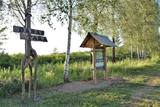 |
Kokneses dabas taka (5,65 km) ved gar Daugavas un Pērses krastiem un savieno Kokneses parku un Likteņdārzu. Pastaigā pa dabas taku var doties no jebkuras sevis izvēlētas vietas, kas vijas cauri Kokneses parkam. Takā izveidotas laipas, tiltiņi, informācijas stendi un norādes. |
|
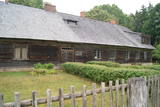 |
The Kubalu school was opened in 1843, and for 28 years it was the only school for the children of peasants at the Dundaga Estate. This is the oldest log schoolhouse in
|
|
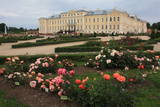 |
The palace was built as the summer residence of the duke of Courland, Ernst Johan Byron, and it was designed by the outstanding Italian architect Francesco Bartolomeo Rastrelli. The construction of the palace ensemble took place between 1736 and 1740. The decorative finishing of the interiors was carried out from 1765 to 1768 by the sculptor Johann Michael Graff and the painters Francesco Martini and Carlo Zucchi. The significance of the palace lies in its authenticity as it has not been modified through rebuilding since then. Intensive restoration works started in 1972 when the Rundāle Palace museum was established. The restoration was completed in 2018. |
|
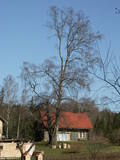 |
This is the thickest birch (Betula pendula) tree in Latvia and can be seen from the Klapkalnciems-Milzkalne road.
|
|
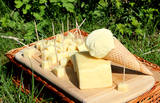 |
This summer terrace café is on the beach of the Preiļi park, and it offers 100% natural ice cream with berries, as well as fresh pancakes. The café is only open from Mother’s Day (May 8) until Father’s Day (September 11). Tourist groups are offered tours and tastings of cheese-based ice cream. |
|
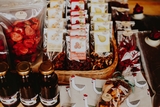 |
The farmwoman grows vegetables and fruits to produce tasty preserves, syrups, jams, chutneys and dried fruit. You can taste and purchase the products, go on a tour of an escargot farm, and taste escargots cooked in the Burgundy style. Children’s camps can be organised. |
|
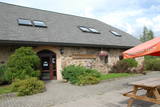 |
This saloon is located 5 km from Madona and at the edge of a highway in the forests of Smecere – the 37th kilometre of the Pļaviņas-Gulbene road. The building in which the saloon is housed was built in the 17th century, and today it is home to a modern leisure complex made up of a three-star hotel, a saloon and cafe, and a music club. |
|
 |
The bakery offers baked goods made of natural ingredients. It also offers salads, pizzas, cakes, ice cream and other treats. |
|


