
| No | Name | Description |
|---|---|---|
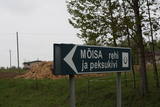 |
Neliela apdzīvota vieta nacionālā parka ziemeļrietumu daļā, kur kādreiz atradusies Rebases muiža. Mūsdienās no tās saglabājušās klēts atliekas, pie kurām apskatāms interesants vēstures liecinieks – sens akmens, ko izmantoja kulšanas procesā (Peksukivi). |
|
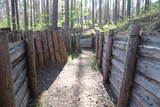 |
Ar Kara muzeja informatīvo atbalstu Garā kāpā pie Antiņiem ir rekonstruēta daļa latviešu strēlnieku nocietinājumu sistēmas. Aspkatāmas ierakumu pozīcijas un vairākas zemnīcas. Netālu atrodas bijusī un no dzelzsbetona veidotā medikamentu glabātuve. |
|
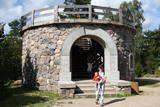 |
This arboretum park is in a lovely place – the Blue Hills of Ogre, where there is a tower with a good view of the Daugava River Valley. The landscape is enlivened by a pond and its streams. There are beautiful hiking trails throughout the park.
Unique species: The Amur Cork Tree (Phellodendron amurense) and the Field Elm (Ulmus minor), among others.
|
|
 |
The factory produces milk candy “Gotiņa”, toffee, sherbet, marmalade and candy cream from natural ingredients. We obtain fresh milk from local farms; other ingredients for the production process are obtained in the surrounding area. Each piece of candy “Gotiņa” is hand-wrapped. |
|
 |
Das größte Wissenschaftszentrum Baltikums mit Möglichkeiten, mitzuarbeiten und zu experimentieren. Ein Planetarium. |
|
 16 days
|
This long-distance tour follows the Baltic Coastal Hiking Route from the Lithuanian coast, starting on the island of Rusnė and continuing to the Curonian Spit, running along the Baltic Sea coast to Cape Kolka and finally reaching Rīga. On this route you will hike some sections of the Baltic Coastal Hiking Route and experience the diversity of coastal landscapes: rocky beaches, steep shores, overgrown beaches, bird migration sites, vast sandy beaches. You will walk on solitary beaches with no-one in sight for several kilometres just to suddenly find yourself in lively resort towns. There are both sections of hiking and bus transfers along the route. Initially you will visit the peculiar island of Rusnė with its bird migration sites, observation towers and the delta Crossing the Lithuanian/Latvian border on foot you will stop over at the Pape Nature Park and enjoy its lighthouse, wild horses, the authentic fishermen village and local museum. The walk on lone beaches takes you to the top of the highest dune in Latvia – the Pūsēnu dune – and afterwards continues to reach the village of Bernāti. Next on the route is the windy seaside city of Liepāja, also known as the Latvian capital of rock music. Karosta is another distinctive site in Liepāja – it is the former military town and nearly every street of this part of the city has some footprints of its military heritage. Heading further, your feet will take you through the solitary beaches of Ziemupe to the village of Pāvilosta. If you are lucky, you might find some ambers washed ashore. Pāvilosta is a small charming village with a marina and some notes of smoked fish lingering in the air. Moving on, from Ventspils through Slītere National Park, through the Livonian fishermen villages to finally reach the Kolka Cape – the meeting point of the Baltic Sea and the Gulf of Riga. Also, a top site for bird watching. At the end of the tour, the Baltic Coastal Hiking Route leads to Engure Nature Park, meandering through reed trails running between the villages of Mērsrags and Engure. The tour ends in Jūrmala with its wide sandy Beaches, the bustling urban life of a resort town, impressive villas and summer cottages, and the Ragakāpa Nature Park in the resort’s neighborhood Lielupe. |
|
 |
The owner has a collection of some 2,000 spoons which he has carved from 70 types of wood from trees and bushes during more than 30 years. The smallest spoon is made of osier, while the largest one, “A European Spoon,” is larger than the height of a human being. The artist also produces paintings made of wood. You can watch him at work, purchase the spoons, and tour his museum. |
|
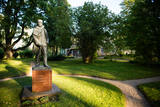 |
The memorial museum for Edvards Veidenbaums (1867-1892) was established at his homestead, “Kalači.” The great poet and translator lived there from the age of five and also died there. Alongside the museum is an exhibition hall that offers thematic exhibitions. A monument designed by the sculptor Laimonis Blumbergs is in the garden of the museum and was installed in 1961. There is also a granary in which Veidenbaums lived during the summer. The poet was buried in the local Liepa cemetery. |
|
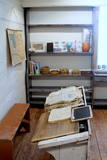 |
The space is on the second floor of the Jūrkalne library, featuring traditional objects from Jūrkalne and the Suiti people, as well as several looms where locals organise creative workshops. Contact the chamber in advance to arrange for a guide who will tell you all about the culture and traditions of the Suiti and present a film about them. |
|
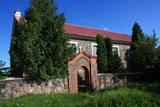 |
The Archangel Michael Catholic Church of Subate is in the historical centre of Subate. The building, which does not have a tower, was built of fieldstones in 1831, with financing from Count Mikhail Sieberg-Plater. An impressive bell tower was built in front of it. The church contains a sculptural group, “Golgotha,” from the late 18th century, along with a crucifix and a major altar relief that is made of carved wood. It is based on the globally famous Leonardo da Vinci fresco “The Holy Supper.” |
|
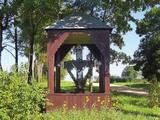 |
The Crucifix of Ružina is made of wood according to old Latgalian traditions.
|
|
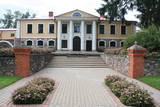 |
The estate is in the centre of Ineši, 5 km to the south of Vecpiebalga. The estate dates back to the latter half of the 17th century, when an ornate castle for the noble Sheremetyev family was built here in the style of Classicism and on the banks of the little Orisāre River. The castle was built down during the 1905 Revolution, but restored four years later. Around the castle is a lovely landscape park. The castle served as the prototype for the Slātava Estate in the famous novel “Age of the Surveyors” by the Kaudzīte brothers. In 1992, the Piebalga Administrative District Museum was opened in the wine cellar of the castle, which is home to the Ineši Parish Council and a porcelain painting studio. Organised tours of the estate and its surrounding area are available. |
|
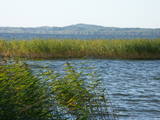 |
The eastern, southern and western shores of Lake Rāzna have roads which offer many lovely and unusual views of Latvia’s second largest lake and its surrounding landscape. Particularly lovely is the road between Foļvarkova and Vilkakrogs, which is part of the Rēzekne-Ezernieki road.
|
|
 |
Wooden slat weaving workshop is located in Jelgava county, Sesava parish. Craftswoman is making different type of wooden slat baskets and basketry from pine, linden, aspen and black alder. There are several different categories of baskets, available in different sizes - picknick baskets, baskets for berry and mushroom picking, trays, baskets for firewood, laundry baskets, onion / garlic baskets, baskets for kids, and diverse baskets for daily use. Various inscriptions and drawings are also made on the weavings. They also accept orders for individual orders. In the workshop it is possible to see the wooden slat basket weaving process as well as have the opportunity to learn to make your own basket. |
|
 |
The property is located in the traditional fisherman's village, and local dishes and crafts are respected here. Guests are offered home-made products, as well as master classes for cooking and crafts, and are introduced to rural life. |
|
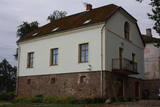 |
Krogus un Brengūža ezeru un Drustu parka ieskāvumā samērā plašā teritorijā „izmētātas” Drustu muižas ēkas. Muižas kungu māja celta 1787. g. Līdz mūsdienām dažādā stāvoklī ir saglabājusies pārvaldnieka māja (19. gs.), klēts (ar kolonnām), krejotava, brūzis, smēde, magazīna, sķūņi u.c. ēkas. Muižas Kavalieru namā ierīkots viesu nams. Interesanti, kāda izskatītos Latvijas lauku ainava, ja tajā šodien nebūtu saglabājušās muižu kompleksi, kas tiek izmantoti vēl joprojām? |
|
 |
Saimniecībā tiek audzēti Helix Aspersa Maxima sugas gliemeži. Ekoloģiska produkcija. Tie tiek baroti tikai ar vietējiem dārzeņiem un gliemežiem domāto īpašo barību. |
|
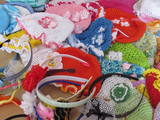 |
The Crafts Chest store offers crafts produced by women in Sabile – knit and crocheted mittens, stockings, hats, shawls, and other useful items that will be wonderful gifts and souvenirs. |
|
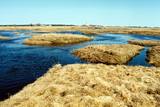 |
This is one of Estonia’s most beautiful karst fields, covering 125 hectares which feature different karst processes – subterranean streams, the dry Jõelähtme River bed, karst streams, funnels, ditches, caves, cliffs, a unique rock “mushroom,” etc. During the spring, the field is flooded, but at other times of the year, its contents are easily visible.
|
|
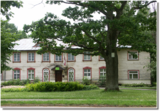 |
The Oak of Kemeri which grows in front of the Pienenīte
preschool on Tukums Street is of local importance and is
protected.
|
|


