
| No | Name | Description |
|---|---|---|
 |
Atrodas Inciema centrā. Piedāvā maltīti visām ēdienreizēm. Lielas porcijas, garšīgs ēdiens. Iecienīta tuvākas un plašākas apkaimes maltītes ieturēšanas vieta. Klāj galdus. |
|
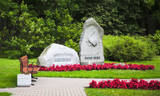 |
From the 6th century until the 8th century instead of the current Grobina the largest known Scandinavian trade and warrior colony in the Baltic States was located. Settlers from the inlands of Gotland and Sweden established their settlement at the hillock that was then located at the bank of the navigable Alande River. It is believed that the Cours Castle – Seeburg mentioned in the chronicles of the 9th century was located exactly here. After the loss of the order castle in the 13th century Grobina became the centre of the region. The most ancient construction of the city was formed around Lielā Street, as well as around Saules and Parka Streets. |
|
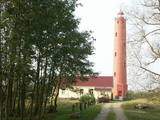 |
The lighthouse at Akmeņrags supported maritime navigation in Soviet times. Today it is controlled by the Latvian Maritime Administration. The lighthouse is open for visitors.
|
|
 |
The restaurant is in the Park Hotel Latgola with a broad view of the city from the 10th floor. It offers Lettigalian and global cuisine. |
|
 |
A straight street which runs through Ķemeri in the northwestern-southeastern direction. The street's name is a proof that it is the former historical boundary between the regions of Vidzeme and Kurzeme. Near the intersection of Robežu and Tukuma streets, you can notice the former pharmacy building-the memory of the former resort of the all-union significance. On the walls there has survived the pharmacy-related symbolism. |
|
 1 day
|
Dodieties ekskursijā, lai gūtu ieskatu lauku profesijā un dzīvesveidā, kā arī iegūtu jaunus iespaidus un labu atpūtu visai klasei. Ekskursijas laikā apmeklējiet podnieku, kurš skolēniem māca, kā praktiski darboties ar rokām, kā no māla izveidot skaistu darbus ar saviem parakstiem un zīmējumiem. Pēc tam apmeklējiet maiznīcu, kur saimniece piedāvā maizes degustāciju un picu cepšanu. Ekskursijas noslēgumā dodieties uz agro saimniecību, lai redzētu, kā siltumnīcās tiek audzēti tomāti, izmantojot mūsdienīgas fotosintēzes tehnoloģijas. |
|
 |
The saloon is in the 250-year-old servants’ home of the Rundāle Castle, with a brick floor, pot-bellied stoves, a smokestack and other historical objects. Meals are served on antique dishes, and hot beverages are served in cups from the Kuzņecovs Factory. Latvian cuisine: Roast ham with eggs, potatoes with mushroom sauce, roast goose, crabs boiled with dill, pancakes with honey, bread soup with whipped cream, stacked bread, country teas, apple pie. Special foods: Pork shish kebab with oven-roasted potatoes. |
|
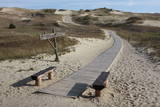 |
Die Dünen nördlich Pervalka über dem ehemaligen Dorf Negeln. Eine 9 km lange Strecke mit den wüstenartigen Landschaften. Stegpfade. |
|
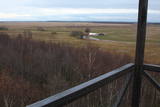 |
Suitsu tornis celts 1979. g. kā pirmais Matsalu rezervāta metāla tornis. To atjaunoja 1998. g. Torņa augstums ir 21 m, tādēļ no tā paveras izcila dabas un kultūrainava uz Kazari deltas niedrājiem un blakus esošo Suitsu upi (Suitsu jõgi), kuras krastā ir uzceltas vairākas zvejnieku laivu būdas. |
|
 3 days
|
Это один из 6 маршрутов путешествий в серии «Насладитесь деревней!», который приглашает Примерное время прохождения маршрута: четыре – пять дней, в зависимости от количества выбранных достопримечательностей и времени, отведенного для их осмотра. |
|
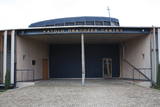 |
Atrodas Ganību ielā 120. Celta (iesvētīta 2001. g.) mūsdienu modernās arhitektūras formās un interesanta ar faktu, ka sākotnēji bijusi Vatikāna paviljons Pasaules izstādē “Expo 2000” Hannoverē. To pārbūvēja un uz Liepāju pārcēla par Vācijas katoļu saziedotajiem līdzekļiem. Ēkā darbojas katoļu draudzes centrs. |
|
|
|
Im Garten von Vilius Orvidas (1952 – 1992) ist eine Ausstellung der in der Sowjetzeit von der Melioration „geretteten” Steine, Grabkreuze, Holzgegenstände u.a. unter freiem Himmel eingerichtet. |
|
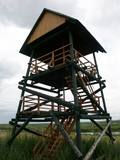 |
The tower is on the western shore of the lake, next to the dam and the Zvidze canal. From here you will see the overgrowth north-western part of the lake, Akmeņsala Island, and a wide area of open water. The third is on the southern shore of the lake, by the dam and the Īdeņa canal. Here you will find typical views of wetlands – areas of reeds, shrubbery, wet meadows and the overgrown lake. |
|
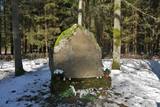 |
Near the A9 road and to the West of the Batari homestead, the monument commemorates a battle between the brigade of General Jānis Balodis and Bolshevik troops on March 22, 1919. The monument was consecrated in 1936.
|
|
 |
The farm offers visitors an excursion around the garden and wine cellars; it is possible to try wine, as well as buy wine, candy and marmalade. |
|
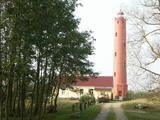 |
Akmensrags is important for birds while they are migrating, spending the winter, and molting in the summer. Most often we find the little gull and the red-throated and black-throated loon. The territory is opposite the Pāvilosta Administrative District and covers 25,878 hectares.
|
|
 |
Buntu ģimenes saimniecībā tiek audzētas kaņepes 3,4 hektāru platībā, kā arī ražoti dažādi kaņepju produkti. Tie ir veselīgi un piemēroti ikvienam. Apmeklējot saimniecību, ir iespēja iepazīt kaņepju audzēšanas procesu, piedalīties produktu degustācijā un iegādāties izvēlētos ražojumus. |
|
 |
The beautiful wooden building, located right at the entrance of Gulbene, provides a place for guests to have a meal, enjoying the perfect atmosphere for relaxation and well-being. Home cooking and Latvian dishes. |
|
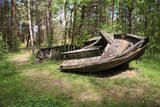 |
In the 1960s, the Soviet Union banned individual fishing in the sea, and the motor boats which had no other purpose were simply beached in the dunes. It is said that members of the Border Guard often set the boats on fire. Another story is that the Border Guard banned an ancient tradition of burning old boats on Summer solstice Eve. Along the road to the cemetery is the old net barn, which is a residential building today. |
|
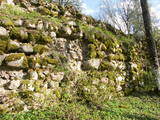 |
The Volkenberga Castle was built in the 13th century by the Livonian Order, and it was practically impregnable, as it was on top of Mākoņkalns hill. These were among the first fortifications in Latgale, and only fragments of the castle remain today. Architect Pēteris Blūms has said that this was a special type of fortification. Legends say that after the lord and lady of the castle died, the property was divided up among their three daughters – Roze, Lūcija and Marija. Each sister built a new castle on the land which she inherited – Roze built Rēzekne, Lūcija built Ludza, and Marija built Viļaka. A memorial plaque at the foot of Mākoņkalns hill recalls the visit which pre-war Latvian President Kārlis Ulmanis paid to Latgale in 1938. |
|


