
| No | Name | Description |
|---|---|---|
 |
The restaurant is on the eight floor of the steeple of the Church of the Holy Trinity in Jelgava, offering an outstanding view of the town’s most important cultural and historical monuments. The restaurant offers fine dining on the basis of French cuisine, as well as everyday and business meals. Latvian cuisine: Herring filet with cottage cheese, potatoes and onions. Special foods: Marija cake. |
|
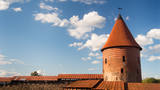 |
Kaunas Castle is the oldest stone castle in Lithuania and interestingly enough, the museum that is inside is also the oldest one in Lithuania. It's possible to take a tour to get know more about Kaunas Castle and also visit the museum where there's not only information about the castle but also about the city of Kaunas itself and much more. |
|
 |
The farm offers a look at angora rabbits, which are very uncommon in Latvia. The owner offers tours, stories, rabbit wool, wool products such as mittens and socks, breeding rabbits and consultations. Children will love the animals and can feed them in the presence of the owner. |
|
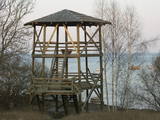 |
This tower is on the shores of the ancient Litorine Sea, with a lovely view of the unique seashore here – complete with small bays and capes. It is part of the Kaltene nature trail, which is around one kilometre long. The location is of particular interest during spring or autumn migration of birds. Two other bird-watching platforms are nearby.
|
|
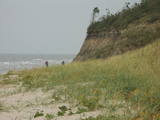 |
The Ziemupe nature restricted territory is on the shore of the Baltic Sea, and it protects a wide variety of coastline biotopes. The distinguished grey dunes are found here, as are various kinds of forest biotopes, some of them quite rare in Latvia. There are many protected plants and animals in the area, too. The Akmensrags lighthouse and several tourist accommodations, like camping Laikas who "Sējējs" award, are in the territory. On the sea shore not far from center of Ziemupe there is well-appointed parking area with information stands. |
|
 |
The cafe is situated in Sabile, where you can eat fast and tasty food. Banquets up to30 people. |
|
 |
Kalakuningad offers smoked fish directly from the oven, fresh fish during the season, as well as marinated fish in various sauces. Products can be purchased in Pärnu market in the store Kalakuningad, as well as directly in the place of preparation, the Lindi village Pärnumaa. |
|
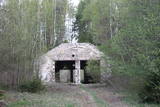 |
The Plāņciems missile base is in the forests of Bārta and is not easy to access. This special air defence facility is being dismantled for the purpose of obtaining building materials.
|
|
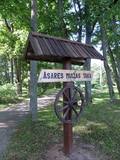 |
Asares muižas romantiskā stila dendroloģiskais ainavu parks veidots 18. gs. un papildināts 19. gs. 2. pusē. Muižas parka teritoriju ieskauj laukakmeņu mūris. Bet parkā sastopamas daudz interesantas krūmu un koku sugas: Sibīrijas baltegles, Eiropas lapegles, duglāzijas, šķeltlapainie baltalkšņi, Švedlera kļavas, košumkrūmi, dažādi lakstaugi. Liepu alejā - 2 dižkoki. Tempļa kalna atjaunotajā lapenē - muižnieku tējas dzeršanas vieta ar skatu uz pili. |
|
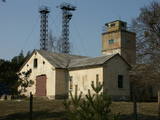 |
The Cape of Kolka is freely accessible to local residents and tourists today, but the border guard facility still serves its purposes and is not open to civilians.
|
|
 |
Pankūku kafejnīca. Dažādi oriģināli pildījumi. Kafejnīca piedāvā svaigi grauzdētu kafiju, kafijas un alkoholiskos dzērienus, kā arī uzkodas. Atvērta tipa virtuve. |
|
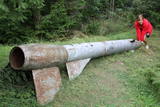 |
Der weiteste Nordpunkt der Juminda Halbinsel mit einer Raketen-Attrappe der Sowjetarmee, der alten Grabstätten, dem Juminda-Leuchtturm und einem Denkmal für die Opfern des Zweiten Weltkriegs. |
|
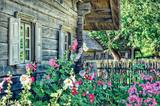 |
This museum focuses on life in the countryside and was opened in 1991. It sits on 18 ha of land, with authentic farms from the Augštaitija region. |
|
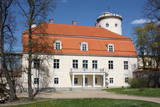 |
The New Cēsis Castle (Pils Square 9) was built in 1777 as a residence for Karl Eberhard von Zievers, and it is home to the Cēsis Museum of History and Art, which was opened in 1949. The building has a neo-Gothic tower decorated with curved arcades and window apertures. It is one of the first examples of eclecticism in Latvian architecture. Beginning in 2012, the museum will feature a modern exhibition under the title "Latvia: Symbol of Latvian History." This will be an interactive exhibition featuring the history of Cēsis and its environs since the era of the Vendians and up to the early 20th century. There will be sections on the history of the Latvian flag, the lives of the Zievers dynasty, and the family's great contributions toward the development of Cēsis. The third and fourth floors of the castle are dedicated to temporary exhibitions, and there is a special room there for families and children. The tower of the castle offers the best view of the Cēsis Castle ruins, the old town, and St John's Lutheran church. |
|
 12 days
|
This route includes some of the most authentic experiences that can be found in the regions of blue lakes in eastern Latvia and Lithuania. No masses of tourists are here, and local residents are sincere and hospitable. You will find traditional villages, many religious objects and farms that represent agricultural heritage. You will ride through the Rāzna National Park, which is alongside the lovely Lake Rāzna. You will visit traditional farms and ancient castles, as well as the Aglona Basilica, which has been a destination for pilgrims for many years. There is also a bread museum in Aglona. From there you will ride through Daugavpils, which has an impressive 19th century fortress that includes the Mark Rothko Art Centre. Along the way you will find potteries where traditional ceramics are offered. You will learn more about breeding horses and cows, as well as about how traditional cheeses are made and herbal teas are prepared. Next you will ride through the Aukštaitija National Park that is on the border between Latvia and Lithuania. You will see ethnographic villages with wooden castles, as well as many lakes. It is worth visiting the Stripikiai Beekeeping Museum, the local open-air art museum, as well as the European Centre. To be sure, you will enjoy local Lettigalian beer, as well as zeppelins, which are a traditional dish in Lithuania. |
|
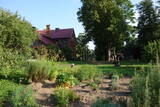 |
The village of Kaldabruņa in the Jēkabspils Adminitsration District has a former elementary school that is currently managed by the Ūdenszīmes organisation. The meadow museum exhibition is compared to a human life cycle, and visitors will see a Smilga exhibition, a childhood lighting objects, the Kadabruņa Māra belt in a hole in an oak tree, the Vārdnieki crown, the Pūra crown, and exhibitions of endangered and rare plants. The Kaldabruņa or Krievāni Māra belt is one of the greatest cultural and historical treasures in the administrative district because it is a unique ethnographic material. The belt is made of 52 ornaments, including 36 modified fire cross ornaments. Nothing of the sort can be seen in Latvian ethnography. The Stāmeriena wrap has 19 modifications of the fire cross, while the belt has blue and yellow ornaments, with red and green colours on its edges. At the end of the belt is a complicated weave of little pearls and fringes. Authentic copies of the belt have not been presented in public, and this unique material has also not been seen in the digital environment. The original belt was received by ethnographers in the late 19th century from Māra Krievāne from the Mačulāni homestead in Kaldabruņa. It is housed at the Latvian Museum of History, which also has the only known copy of the belt. Decoding of the ornaments can be found in a book about Latvian ornaments. The building that is managed by Ūdenszīmes also contains an unprecedented art venue -- the Šķūņa Art Gallery. Also of interest is a hay museum and the stories about the locations. |
|
 |
This trail's purpose lies on the fact that herbal therapy is the oldest known system of medicine. Being outside, in fresh air, in nature affects our health positively. While hiking with a phytotherapist you will get to know more about the nature's wild herbs that can help our livelihood and also do some light exercises. If you want, you not can only walk the trail but also relax in a sauna or/and visit a workshop. |
|
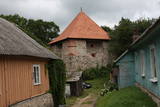 |
Pussalas pils pirmsākumi ir meklējami 14. gs. Tajā laikā minētā pils bija viena no lielākajām šāda tipa aizsardzības pilīm. Pēc Traķu un Viļņas ieņemšanas 1382. g. pils kļuva par Ķēstutu (Kęstutis) - Lietuvas dižkunigaišu dzimtas dzīves un valdīšanas vietu. 1655. g. Polijas – Lietuvas lielvalsts un Krievijas kara laikā pili nopostīja. Līdz mūsdienām no iespaidīgās celtnes (aizņēma 4 ha platību) saglabājušās tikai no laukakmeņiem celtā aizsargmūra un torņu paliekas. Tās iekšpagalmā ir apskatāma efektīvā viduslaiku ieroča – katapultas atdarinājums. |
|
 |
The farm is located near Sangaste rukikula, amidst wild nature. At the farm you can enjoy delicious food, catch fish, go to the sauna, and spend the night. Both lovers of active recreation and people simply looking for a pleasant way to spend time will find suitable activities. |
|
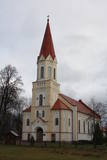 |
Храм неоднократно горел и строился снова. Теперешняя церковь построена в 1874 году, а после пожара 1927 года была восстановлена в 1932 году. Можно осмотреть алтарную икону«Иисус со святым причастием», две картины И. Зебериньша «Иисус у креста» и «Иисус благословляет детей» (1957 г.). Проспект органа является первым, построенным в «латышском» вкусе органом (резчик по дереву П. Планкус, 1936 г.), а сам инструмент номинирован как самая красивая и самая объемная работа лиепайского мастера Екаба Яугиеша. Трубы органа сделаны из дерева, что является редким случаем. Церковь можно осмотреть изнутри. |
|


