
| No | Name | Description |
|---|---|---|
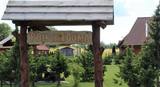 |
Peaceful place in nature for great relaxation. Food is prepared from the local ingredients of Hiiumaa according to the preferences of guests. In addition, you can enjoy a genuine wood-heated sauna and bathing barrel, children's playground. |
|
 |
Kihnu is the largest island in the Gulf of Riga with an area of 16.4 km2, it is only 7 km long and 3.3 km wide. There are four villages on the island and the unique atmosphere of the island can be experienced by visiting a local family at Kuraga Farm. Three generations live in this farm and are happy to welcome guests. |
|
 |
Kihnu farm offers traditional Kihnu island dishes from home-grown vegetables and local fish. |
|
 2 days
|
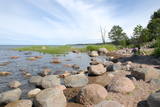
Lahemaa – the oldest and biggest national park in Estonia – is waiting to be explored. Experiences include a guided nature walk in the bog, a peaceful afternoon in a traditional fishing village, cooking with the local family, a traditional sauna, some farm work and taking part in the local social life. |
|
 17 days
|
The route leads through the Gauja National Park which is located on both sides of the ancient Gauja river valley. Sandstone cliffs and caves, hilly landscapes and deep forests and castles are characteristic of the park. Further on at Igate Manor stop for a lunch at their mill tavern to taste traditional Latvian food. The route turns towards the coastwhich belongs to the North Vidzeme Biosphere Reserveand continues through old Estonian fishing villages before arriving at the seaside resort of Parnu with its elegant villas. Next is a guided wilderness day in Soomaa National Park trying old-fashioned bog-shoeing and canoeing. Further on the route you will pass Pootsi with a 19th century manor and the ancient village of Varbla. Take a ferry to Muhu island and stay in the ethnographic fishermen's village of Koguva for a couple of days to explore the area. Cycle across the causeway to Saaremaa island from where you can take a ferry to laid-back Hiumaa island for a day trip to get a feeling for the true spirit of Estonia. Back on Saaremaa there is time for a free day in its capital, Kuressaare with plenty of spa and relaxation facilities. Then by bus head to Tallinn, charming with its medieval Old Town. From there enjoy a day trip to the former military base of Naissaar island where special cycling routes showcase its military history, mine and nature reserves. |
|
 4 days
|
Маршрут проходит по живописным природным местам Эстонии – биосферному заповеднику Моонзунда (Moonzund), национальному парку Матсалу (Matsalu) и заповеднику Вийдумяэ (Viidumäe). Маршрут включает два самых больших острова Эстонии, богатых природными и культурными памятниками – Сааремаа и Хийюмаа, - а также малые острова Муху и Касари. В маршрут включены самые интересные природные тропы (длина каждой 1-5 км), смотровые вышки и места наблюдения за птицами, биотопы, а также три поездки на пароме между островами Моонзундского архипелага. |
|
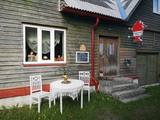 |
The Samovar House is a small samovar museum located in the Old Believers’ village near Lake Peipus, which has a private collection with more than 100 different and very special samovars and objects related to samovars.
|
|
 |
Directly by the sea, only 20 minutes’ drive from Pärnu, is the Captain's House (Kapteni talu), where the captain's freshly caught fish is turned into delicious fish dishes that can be bought or tasted in the Captain's Summer Café. |
|
 |
Mustjala Mustard Saaremaa offers self-made mustard and chutneys, anyone can taste and choose the one that suits you best. We also organise masterclasses where you can learn how to make your favourite chutney yourself. |
|
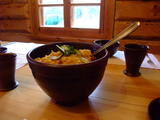 |
In Seto Tsäimaja, belonging to Setos Museum, you can enjoy dishes from earthenware made according to Setos traditions, listen to Setos songs and music instruments. |
|
 |
This is the 11th largest Estonian island, and its central section is covered by a broadleaf forest (linden, oak, elm and other trees) that is more than 100 years old. Along the shores, the Abruka Island has meadows and small areas of wetlands. Only the northern part of the island is populated. Few tourists come to call, which means that the island is relatively untouched by humankind.
|
|
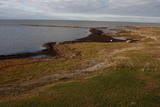 |
Puises ragā (Puise nina) ir uzcelts divstāvīgs atpūtas nams, kas apvienots ar putnu vērošanas torni. No tā paveras skats uz piekrasti, kas ir iecienīta migrējošo zosu atpūtas vieta. Šī ir privāta teritorija, kuras apskati vēlams saskaņot ar īpašnieku. |
|
 |
Innovative and delicious hemp and buckwheat products - tasty and good for the digestive system. |
|
 |
Divus kilometrus garās lokveida takas sākums ir meklējams pie Somā nacionālā parka apmeklētāju centra (atklāts 2000. gadā) – Tēramā ciemā. Tā ved gar Mardu strauta (Mardu oja) krastu, kur krustām šķērsām ir sakrituši bebru nogāztie koki, radot diezgan juceklīgu skatu. Apmeklētāju centrā var iegūt nepieciešamo informāciju, noskatīties videofilmu un nacionālajam parkam veltītu ekspozīciju. |
|
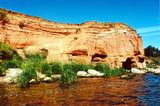 |
This is one of the few places in the Baltic States where one can find Devonian period sandstone cliffs featuring abrasion caves, arches, etc. The cliffs are on the shores of Lake Peipsi (Peipsi järv), near Kallaste, and they are between two and four (in some cases – nine) metres high, stretching for a distance of around one km.
|
|
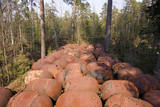 |
Naissaar is a small island near Tallinn which was exclusively used by the Soviet military from 1945 to 1993. Attractions on the island include walking trails, varied habitats, a narrow-gauge railway, fortifications from the early 20th C, and a Soviet naval mines factory. |
|
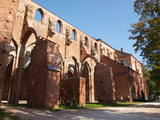 |
Eine der größten Kirchen Osteuropas (bis 16. Jh.) un die einzige mittelalterliche Kirche Estlands mit zwei Türmen. Wurde in 13. – 16. Jh. gebaut, zerstört im Laufe des Livländischen Kriegs. Im Chorteil der Kirche befindet sich das Museum der Universität Taru (früher – eine Bibliothek). Die Türme sind renoviert und in denen sind die Aussichtsplätze eingerichtet. |
|
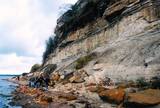 |
This cliff is made of sandstone (its lower part) and limestone (the upper part). It is up to 30 m high, and it is part of the Northern Estonian set of cliffs along the shore of the Bay of Finland. This is a popular tourism destination and viewing location. Recommended Hike along the bottom of the cliff (a rocky beach) in one direction, and then along the top of the cliff to get back (~2 km). From the top of the cliff, you can see a broad segment of the shoreline territory, all the way to Tallinn.
|
|
 2 days
|
This section of the Baltic Coastal Hiking Route is suitable to hardy hikers who like to travel across uninhabited places. In many places, reeds, floodplains with pastures and wetlands stretch across the Estonian seacoast, which is why the itinerary often leads you along forest and country roads. In the second half of summer you can pick the mushrooms and berries in the coastal forests. Pärnu is a popular resort city with many cafés, live music, SPAs, hotels and a beautiful Old Town. |
|
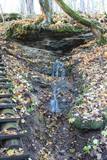 |
Litorīnas jūras laikā (pirms ~ 6000 gadiem) Saleveres Salumegi kalns bija sala, bet mūsdienās tas kā izteikta kāple (īpaši - ziemeļu pusē) paceļas virs Piejūras līdzenuma. Salumegi ziemeļu pusē slejas 4 - 5 metrus augsts kaļķakmens atsegums – silūra perioda (> 400 mlj. gadu) koraļļu rifa paliekas, kuru noskalojuši Litorīnas jūras viļņi. Atseguma piekājē izplūst Acu avots, kam piedēvē dziednieciskas īpašības. Salumegi apskates nolūkos izveidota lokveida taka (1,5 km). No kalna augšas paveras labs skats uz Matsalu līci. Šeit atradies arī sens pilskalns. |
|


