
| No | Name | Description |
|---|---|---|
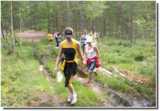 |
The Zaļais (Green) swamp is a medium swamp in
terms of the national park, and it used to be a place
where peat moss was extracted (those areas are flooded
now). In the North it links to the Čaukciems swamp. The
swamp is to the Southwest and West of the Green
Dune.
|
|
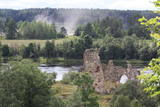 |
Found on the right bank of the Daugava where the little Karikste river flows into the Daugava, all that remains of the castle today is a set of ruined walls and foundations. The castle was built by the Livonian Order in 1224, and it was inhabited until the mid-17th century, when it was sacked during the Polish-Swedish war. The ruins offer a good view of the local gravel road that goes along the right bank of the river valley.
|
|
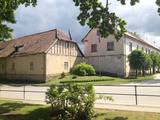 |
Known as Alšvanga in the past, this place was mentioned for the first time in 1231 in an agreement that was signed between the deputy legate of the pope in Rome and the Courlandian tribes of the region. The Livonian Order ruled the territory until 1561, and from 1573 until 1738 the order’s castle belonged to the von Schwerin dynasty from Pomerania. It during the rule of this aristocratic family that a stone church was built in honour of Archangel Michael, and local residents began to convert to Catholicism. Alsunga became the Catholic centre for all of Kurzeme, and local residents became known as the Suiti (from the Schwerin suite). For nearly 400 years, Alsunga has been the historical centre of the Suiti territory. This is Latvia’s most conservative region and is widely known with unusual songs, colourful folk costumes and various folk traditions and beliefs. The Suiti have their own dialect, foods and many other things that have been long since abandoned or forgotten elsewhere in Latvia. The religious has commingled with the folk here in one unique whole. The Alsunga District covers 191 km2 and has some 1,500 residents. |
|
 |
The family restaurant "Hercogs" is situated in the centre of the city of Jelgava, alongside Duke Jacob Square. The chefs use local ingredients and have a partnership with the “Rudiņi” deer garden. Latvian cuisine: Cold soup, venison goulash soup, venison chop, roast pike-perch or catfish, roast pork, sautéed lamb, potato pancakes, sea buckthorn dessert. Special foods: Filet of beef baked on rocks. |
|
 |
The restaurant is in the centre of Jelgava among residential buildings. It is known for its interesting interior and for the musical and other events that it organises. Latvian cuisine: Farmer’s omelette, roast pork with chanterelles and wild mushrooms, grit risotto, strawberry soup with ice cream, crepes. Special foods: “Kiss from Šarlote” – layered egg-cottage cheese crème and jellied juices. |
|
 |
Atrodas Kūrmājas prospekta turpinājumā pie gājēju ietves, kas ved uz jūru. Piemineklis (uzstādīts 1977. g.) simbolizē sievieti, kas gaida mājās pārnākam savu vīrieti. |
|
 |
The guesthouse is on the shore of Lake Ciritis with a view of lake islands. Guests are offered Lettigalian dishes, including ones made from lake fish. |
|
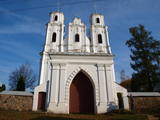 |
Located on the right bank of the Daugava, the church can be seen from various parts of Piedruja. The first wooden church was built at the instruction of Prince Jan Stapekha in 1632, and it burned down in 1759. The Baroque stone church that is there now was built in 1759 with its two towers, and it may have been designed by an Italian architect. The towers stand 27 m high, and under the church is a cellar. The towers have three bells – the largest one dates back to 1711, the middle-sized one was manufactured in 1896, and the smallest dates back to 1619. The largest bell weighs nearly 0.4 tonnes. Inside the church are many important cultural and historical monuments, including a central wooden altar with a painting of the assumption of Mary, three 18th century altars, a pulpit from the early 19th century, St Anton’s altar, a fresco of the Holy Trinity, church dishes from the 17th century, etc. The building is surrounded by a large garden with a stone fence and stone repositories at the corners of the garden. Two priests, Kazimirs Konvalevskis and Broņeslavs Stefanovičs are buried here. Stefanovičs played a major role in the restoration of the church after World War I. The Piedruja congregation first emerged during the first half of the 17th century. |
|
 |
This leisure base on the north-western shore of Lake Rušona offers accommodations, dining and active leisure services. |
|
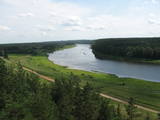 |
This nature park is one of the richest and most unusual nature parks in Latvia in terms of its natural resources, the surrounding environment, the landscapes, the biological diversity of the area, and the cultural monuments which are found there. The main treasure there is the little-changed Daugava River valley, where there are eight major curves in the river at a length of four to eight kilometres. There are also the gullies of river tributaries. Outstanding views can be found on the steep shores of the Daugava River valley, particularly the Slutiški and Ververi cliffs and the Elerne gravel hill. There are some 20 archaeological monuments on the shores of the valley -- ancient castle hills at Najene, Markova, Vecračina, etc., countless churches -- the Juzefova, Sprukti, Borovka, Elerne, Sīķele, Kaplava and other churches, the Rozališki, Lielborne and other baronia estates, and the unique village of Slutiški, which is home to the Old Believers. There are interesting nature trails and bicycling trails in the area. Horseback riding is available, and there is a viewing tower along with other elements for tourists. Boating down the Daugava River is an interesting way to spend time. |
|
 2 days
|
Это один из 6 маршрутов путешествий в серии «Насладитесь деревней!», который приглашает посетить «Дары села» – хозяйства и предприятия всевозможных видов и отраслей, которые открыты для посетителей и предлагают экскурсии, попробовать, осмотреть и приобрести свои изделия. Там можно увидеть домашних животных, современные сельские хозяйства, мастерские ремесленников, приобрести сельскохозяйственные продукты – хлеб, мед, домашнее вино и пиво, сыр, ягоды, фрукты, рыбу, мясо, овощи, чаи и другие, выращенные в деревне дары. По дороге можно отобедать в сельских корчмах. Примерное время прохождения маршрута: два - три дней, в зависимости от количества выбранных достопримечательностей и времени, отведенного для их осмотра. |
|
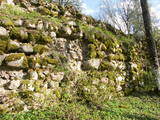 |
The Volkenberga Castle was built in the 13th century by the Livonian Order, and it was practically impregnable, as it was on top of Mākoņkalns hill. These were among the first fortifications in Latgale, and only fragments of the castle remain today. Architect Pēteris Blūms has said that this was a special type of fortification. Legends say that after the lord and lady of the castle died, the property was divided up among their three daughters – Roze, Lūcija and Marija. Each sister built a new castle on the land which she inherited – Roze built Rēzekne, Lūcija built Ludza, and Marija built Viļaka. A memorial plaque at the foot of Mākoņkalns hill recalls the visit which pre-war Latvian President Kārlis Ulmanis paid to Latgale in 1938. |
|
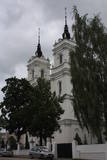 |
This is the highest point in the southern part of Daugavpils. A radius of approximately 300 m around 18. Novembra Street once housed the first Old Believer prayer house (1908-1928), the St Boris and Gleb Orthodox Cathedral (1905), the Daugavpils Mother of God Catholic Church (1905), and the Daugavpils Martin Luther Lutheran Church (1893). |
|
 |
The farm breeds fallow deer and trout, grows vegetables and fruit. Visitors can see the deer and wild boar, taste berries and fruits directly from the garden, participate in creative workshops and cooking master classes called "Izgaršo dzīvi". The hostess combines the regional culinary heritage traditions of Kurzeme region and contemporary cuisine. The food is prepared on live fire, using the deer, trout and vegetables from the farm. The host is a winemaker who makes every bottle with great care. Guests can enjoy tastings and stories in the romantic wine cellar. |
|
 |
The tavern and pastry shop is located near the Vidzeme highway, by the natural trails of Cecīļi and Ieriķi. Tourist Information Centre is also nearby. We offer traditional dishes and our specialities |
|
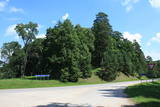 |
Atrodas Tērvetē, Dobeles – Elejas ceļa malā, 0,2 km dienvidrietumos no Tērvetes pilskalna. Ar mežu apaugušais paugurs ir sena apmetnes vieta, kas bijusi apdzīvota jau 1. g.t. pr. Kr. Teika stāsta, ka kalnā bijis klosteris, kura mūki pēc klusēšanas pārkāpuma saulgriežu laikā kopā ar visu celtni nogrimuši kalna dzīlēs. |
|
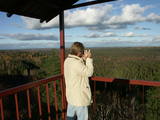 |
The viewing tower is in the southern part of the reserve, along the Ļaudona-Mārciena road and on the Madona-Trepe embankment. Here you can view a very wide territory all the way to the Vidzeme highlands, including Gaiziņkalns Hill if the weather is clear. At the foot of the tower you will see the lakes known as Small and Great Lake Plencis. |
|
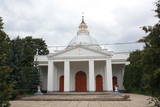 |
Atrodas Rīgas ielā 39. Dievnams celts 1848. – 1849. g. klasicisma stilā (arhitekts A. Štauberts), bet laikā no 1924. – 1934. g. pārbūvēts (A. Vizuļa projekts). Dievnama izskatu salīdzina ar Svētā Pētera katedrāles veidolu Vatikānā. Blakus baznīcai atrodas Rīgas ielas gājējiem domātā daļa. |
|
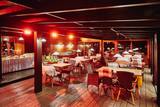 |
The restaurant is at the edge of the Vidzeme Highway (A2). It is a lovely log building with a straw roof and an antique interior. Dishes are based on ancient traditions merged with the requirements of modern clients. Latvian cuisine: Cold soup, dumpling soup, grey peas with bacon, wheat grain porridge, lampreys in mustard sauce, pike-perch grilled on coals, roast pig’s ear, roast pork leg, chicken livers in a creamy sauce, stacked rye bread, cottage cheese dessert with cranberry sauce. |
|
 |
This site features a folklore trail to explain the content of ancient writings, symbols and folk songs. Visitors can learn about the importance of plants in human health, sing songs and play games. On offer are various lifetime rituals, including baptism and so on). There are fire and sauna rituals and annual festivals. Register in advance for a traditional meal. |
|


