
| No | Name | Description |
|---|---|---|
 |
SIA Mikaitas is a family company that was established in 2005 and breeds purebred sheep. It provides seed for other herds to breed fast-growing lambs with excellent taste. The farm breeds the Oxforddown breed of sheep and sells lambs of various ages, breeding sheep and rams, yarn, wool products, processed sheepskin, sheep, mutton and various meat products. |
|
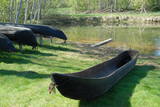 |
The Vienkoči Park features one-log objects manufactured by its originator. You can examine mock-ups of the Nurmiži Castle and other buildings including the Sand House, and you can also take part in thematic events. Men can produce equipment to drain birch juice from trees, wile women can try their hand at jewellery making from natural materials. People manufactured one-log objects during the Mesolithic Era, and one-log boats have been used since the 9th century (several of them can be seen at the park). |
|
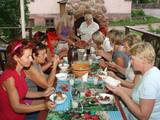 |
This tavern is in the centre of Alsunga, which is the capital of the Suiti people. The Suiti have always known how to work hard, sing well and eat tasty foods. The tavern offers for tour groups to taste a delicious Suiti meal made from ancient recipes, after which participants can learn how to cook those foods – carrot buns, soured porridge and other masterful dishes from this part of Latvia. A very effective performance by Women of Suiti will make the meal truly unforgettable. You’ll also be able to purchase carrot buns and sourdough bread that is baked only here. Latvian cuisine: Sourdough bread, dumplings, dried ribs. Special foods: Homemade carrot buns. |
|
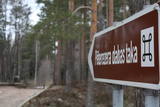 |
This circular trail features a unique landscape of parallel rampart-type sand dunes and grassy swamps among the dunes. The 3.5 km trail leads through a landscape that is unique in Europe and emerged some 6,000 years ago as the sea was receding. This landscape offers evidence of the geological history of the Baltic Sea. There is a high-type swamp (the Pēterzers swamp), along with remnants of an old narrow-gauge railway. Wooden pathways have been installed along the swamp and the surrounding wetlands. |
|
 |
This is a new café in Naujene, which is part of the “Curves of Daugava” nature park. |
|
 |
Cheese farm Andre manufactures and sells globally renowned cheeses. Cows from happy farms give premium quality, delicious milk. Farm visitors can visit and see the cows, as well as watch the milking process. You can buy organic cheese and other organic local produce from small producers at the small farm store. |
|
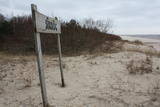 |
This is one of the oldest Livonian villages, recorded in documents for the first time in 1387. The old road from the Dundaga Estate to Sīkrags existed in the Middle Ages. During the 17th century, Sīkrags was one of the most important small ports in Northern Kurzeme, receiving ships from England, Holland and Lubeck that carried coal, grain and other products. Before World War I, there were five sprat smokehouses in the village, and some 55 fishermen lived there during the 1920s and 1930s. Among those to have been born in Sīkrags was the Livonian cultural activist Hilda Grīva (Cerbaha, 1910-1984), seafaring captain Kārlis Anbanks (1884-1937), Baptist preacher Kārlis Lāceklis (1904-1970), linguist and tradition specialist Pēteris Dambergs (1909-1987), and graphic artist Baiba Damberga (b 1957). Today the village is a cultural monument of national importance. It is crossed by a bike route, with a commemorative stone where the narrow-gauge railroad station once stood. Sīkrags, like neighbouring villages, is in the Slītere National Park. |
|
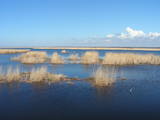 |
This is a shallow lagoon-type lake which, along with the area around it, is a wetland of international importance. The presence of 271 species of birds has been found in the area, including 43 birds which are listed in the Latvian Red Book and 15 that are listed in the European Red Book. The nature park includes the Nida swamp and the part of the sea which is alongside the park - newly estabilshed sea protected area "Nida - Pērkone". Between Lake Pape and the Baltic Sea we find Latvia’s oldest bird ringing station, where rings are attached not only to birds, but also to bats. Lake Pape is the first territory in Latvia where livestock adapted to life in the wild have been released for the proper management of the lake’s flood-land meadows. First there were wild horses (“Konik” horses), then aurochs and the European bison. Visitors can use bird and nature observation towers, nature trails, etc. The Ķoņi village is a unique example of a seaside fishing village. Pape is popular among bird-watchers, and the park’s visitors centre is found in the “Nature House” of the Worldwide Fund for Nature. |
|
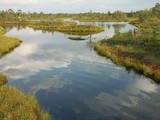 |
The Ķemeri National Park was established in 1997 and mostly involves wetlands – the shallow shores of the Bay of Rīga, an overgrown seaside lake, vast swamps, damp forests and fens, and flood-land meadows. The park is enormously important for protecting plants (25% of those recorded in Latvia’s Red Book are found in the park) and animals, particularly nesting and migrating birds. The Great Ķemeri Bog is one of the largest swamps in Latvia, and there are other swamps, as well – the Zaļais swamp and the Raganu swamp. The massive swamps are important, too, in the flow of sulphuric waters and medicinal mud. The once-famous Ķemeri Spa was based on the availability of these resources. Most of the cultural and historical objects in the Ķemeri National Park relate to the seashore as a place for leisure and recuperation. Educational nature trails, bicycle trails, hiking trails, bird-watching towers and other facilities are available. The visitors centre is at the recently renovated “Forest House” in Ķemeri. |
|
 11 days
|
This tour of the Forest Trail covers the national parks of Dzūkija and Žemaitija and the Nemunas Loops Regional Park in Lithuania. The starting point of the route is Druskininkai, a popular SPA and mineral water resort on the banks of the river Nemunas. Here, we recommend dipping yourself in mineral water baths, enjoying the trip with the cable car over the river Nemunas, visiting the musical fountain, and walking along the river promenade. For the next two days from Druskininkai, the Forest Trail passes through the Dzūkija National Park to the town of Merkinė. In this most forested and unpopulated region in Lithuania you can enjoy hiking along solitary forest roads, visit ancient mounds and ethnographic villages, where the traditions of bee-keeping, crafts, mushrooms and berry harvesting are still kept alive. You will then head to Birštonas, one of the key resorts in Lithuania with its valuable mineral waters. The town finds itself in the Nemunas Loops Regional Park, which includes four large and one smaller loops of the river. The Forest Trail stretches from Birštonas through the entire Nemunas Loops Regional Park up till the town of Prienai. Next, hikers will get to Kaunas, the second largest city in Lithuania and its former capital city. Kaunas is notable for its modernist architecture. The catchment area of the river Nemunas and the river Neris is situated here. Heading on, from Lampėdžiai to Vilkija, the Forest Trail runs for two days along trails and small countryside gravel roads next to the right bank of the river Nemunas, also crossing resort territory of Kulautuva. This section is characteristic of beautiful riverscapes, waterfront meadows and small villages. For the final section, first you must get to the Žemaitija National Park, where the Forest Trail runs around the Lake Plateliai, which is the largest lake in the historic Samogitian region. Old pine and fir forests and mixed forests are among the most precious natural values of |
|
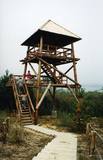 |
Salīdzinoši liela un cilvēka mazskarta teritorija ziemeļos no Lubāna ezera, kas izceļas ar lielu purvu un mitro mežu, kā arī tajā dzīvojošo organismu daudzveidību. Cauri teritorijas austrumu daļai tek Aiviekste. Dabas liegums ir grūti pieejams, tajā nav izveidota ar tūrismu saistīta infrastruktūra, tādēl vislabākais veids ir to aplūkot no Lubānas - Gaigalavas ceļa, kā arī putnu vērošanas torņa pie Gomeļa ezera (Gūmelis), kurš gan 2007. g. rudenī bija cietis no apmeklētāju vandālisma. Teritorija ietilpst Lubāna mitrāja kompleksā.
|
|
 |
The "Serpentīns" café is on the side of the Ventspils road (A10) and near the Strazde Lutheran Church. The lovely building has large windows. The café works with local farms and organises evenings of live music. Latvian cuisine: Oatmeal, potato pancakes, farmers’ omelettes, farmers’ breakfasts, baked cod, sautéed salmon, roast leg of pork, grilled pork with rhubarb sauce, hot rhubarb cobbler, Latvian beers. |
|
 1 day
|
Ekskursijas laikā apmeklējiet dabas taku, kura izvijas augšup un lejup gar Pilsupes lejteces stāvajiem krastiem un atklāj skaistus skatus uz trīs balto smilšu atsegumiem, no kuriem vecākais ir 6000 gadu vecs. Pēc tam apmeklējiet Kubalu skolu - muzeju, kur redzēsiet, kādas izskatījās skolas 19 gs. Klasē Jūs sagaida senie skolas soli, tāfelītes, tinte un rakstāmspalva. Tālāk dodieties uz dabas parku, kurā izveidota Bišu taka. Iespēja kāpt kokā ar dzeiņa palīdzību, liet vaska sveces un iepazīt dažādos biškopības produktus. Ekskursijas noslēgumā dodieties uz mini zoo, kur ir iespēja apskatīt dažādus dzīvnieciņus - pundurkaziņas, punduraitiņas, mandarīnpīles. |
|
 |
The Ķemeri water tower was built in 1929
and used to be a reservoir for drinking and
mineral water. Until World War II, there was a
viewing platform at a height of 42 metres from
which one could see the surroundings of
Ķemeri.
|
|
 |
Mustjala Mustard Saaremaa offers self-made mustard and chutneys, anyone can taste and choose the one that suits you best. We also organise masterclasses where you can learn how to make your favourite chutney yourself. |
|
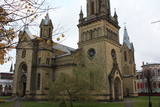 |
Atrodas starp Kr. Valdemāra un Kuršu ielām. Viena no iespaidīgākajām un greznākajām pilsētas celtnēm, kas būvēta neoromantikas formās. 19. gs. beigās katoļu draudze nevarēja saņemt atļauju jauna dievnama celtniecībai, tādēļ uz vecās ēkas uzbūvēja jaunu, kur vecā baznīca tapa par lielākās ēkas sānu kapelu. Baznīcas sienas un koka griestus rotā attēli ar Bībeles sižetiem. Dievmātes kapelā saglabājies mazās baznīcas (no 18. gs.) centrālais altāris. Baznīcas griestos ir iekārts burinieka modelis, ko dāvinājuši vētras laikā izglābušies jūrnieki. |
|
 |
Atrodas vēsturiskā rātslaukuma dienvidu malā. Jaunā rātsnama celtniecība (itāļu renesanses stilā, arhitekts O. Dīce) tika pabeigta 1860. gadā. Iespaidīgo celtni, kas nulle kā atjaunota, ir vērts apskatīt gan no āra, gan iekšpuses. Ir restaurēts rātsnama pulkstenis, ārējā fasāde, iekšējie interjeri un Lielā zāle. |
|
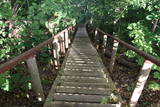 |
Because this circular trail is in a nature zone, it may only be traversed in the company of a guide from the Slītere Nature Park. A steep stairway that has been installed along the ancient shores of what was once a Baltic lake of ice will lead the visitor to a completely different world, one with fallen trees, broadleaf forests, an area in which underground streams create aboveground wetlands, a limy and grassy swamp (all of these are protected areas), remains of old-time reclamation ditches, and rotting fir stumps which are important in terms of the diversity of species and which have been in the region since a major windstorm in 1969. The trail is 1.2 km long and will take an hour to an hour-and-a-half to traverse. The trail begins at the Slītere lighthouse, where the SNP visitors’ centre is located (in tourist season).
|
|
 3 days
|
The tour starts and ends in Klaipeda, the most popular seaside resort town in Lithuania. Klaipėda University Botanical Garden has a coastal ethnographic garden with flower arrangements characteristic of this area. Kretinga Manor Park is one of the oldest surviving 16th–18th century manor parks in Lithuania. Palanga Manor housing the Amber Museum and Birutė Park is one of the best-preserved manor complexes in Lithuania. The largest Japanese garden in Europe (16 ha) is a home to collection of traditional aromatic plants and vegetables. Rucava arboretum displays a collection of magnolias. In Nīca village, 7 decorative gardens maintaining the local gardening tradition are open for visitors. Historical cultivars are carefully selected to renew the orchard and romantic landscape park at the 18th century Tāšu (Telsen) estate in Grobiņa region, Latvia.The Izidorius Navidanskas Park has over 120 species of trees and shrubs. Visit an outdoor plant exhibition at Jadvyga Balvočiūtė Farm - growing medicinal herbs and spices, selling organic sprouts, single herb teas and herbal mixtures. Also Beržoras Homestead in Žemaitija National Park grows a variety of medicinal and culinary herbs, garden plants and aromatic herbs. Plungė Manor, called the “Versailles of Samogitia”, is one of the most famous surviving ensembles of its kind in Lithuania. Steponas Darius Birthplace Museum features a unique orchard of impressive size and scope. The Švėkšna Manor Complex features a sculpture park, scenic views, trails, gates, and a Chinese-Japanese maidenhair tree (ginkgo biloba) which stands 18 metres high and 70 centimetres in diameter. Šilutė Manor has two parks – an English landscape park with walking paths and the forest park known as Varnamiškis, or “Crows’ Forest”. |
|
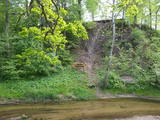 |
No Vilces muižas pa pastaigu taku var aiziet līdz pilskalnam (12 m virs apkārtnes, labiekārtots), kas atrodas Vilces un Rukūzes upīšu satekā. Atradumi liecina, ka cilvēku apmetne šeit ir pastāvējusi jau vidējā dzelzs laikmetā. Pilskalna piekājē atrodas atpūtai labiekārtotā Zaķu pļava. Nostāsti vēsta, ka Vilces grava bijusi laupītāja Kaupēna slēpšanās vieta. |
|


