
| No | Name | Description |
|---|---|---|
 |
Vom 18. Jh wurde die Stadt ein russischer Marinestützpunkt. Von 1962 bis 1994 war Paldiski ein Übungszentrum für atomare U-Boote der Sowjetischen Marine mit zwei auf dem Festland befindlichen Kernreaktoren (ung. 16.000 Beschäftigte) und eine "geschlossene Stadt". |
|
 |
Saimnieki piedāvā vietu, kur aizbraukt brīvā laika pavadīšanai, atpūtā ģimenei Kurzemē. Šeit viesiem ir iespēja aplūkot sākot no dažādu laiku lauksaimniecības tehnikas un darbarīkiem, līdz pat kara laika paliekām, kā arī dažādu laiku sadzīviskos priekšmetus. Katram priekšmetam seko arī stāsti, kas ir piedzīvoti vai tikai dzirdēti. Tāpat apmeklētājiem ir iespēja apskatīt mājas iemītniekus,kas ir veidoti ar pašu rokām. Asākām un patīkamākām sajūtām pieejama 350 metrus gara Baskāju taka. |
|
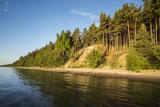 |
Viewing area is at the end of the Ēvaži shore trail (300 metres). The shore here has been washed by the waves and is up to 15 metres high. This is the only place along the Kurzeme shore of the Bay of Rīga where a high dune opens up such a lovely view of the bay water.
|
|
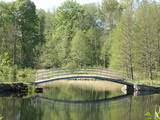 |
The Zasa park is an estate park that is on the shores of the little Zasa River near the Zasa millpond (toward the North of Zasa). The landscape park dates back to the 18th century and is in the style of Romanticism. The park was installed when the mansion of the Zasa Estate was built. It was owned by Heinrich von Zass, after whom the Zasulauks neighbourhood of Rīga is named. When ownership of the estate changed in the 19th century, the Zasa Estate was seen as one of the wealthiest and most beautiful estates in the region. It is worth hiking through the vast park with its many bridges, the Werewolf tree, the Devil’s rock and a sacred stream. There are guides who will accompany you on a tour of the park. +371-2633-7227. |
|
 5 days
|
This route involves unique views that have never been seen before in Latvia! The impressively steep shoreline of the Baltic Sea begins a few kilometres to the North of Pāvilosta and ends shortly before Ošvalki, stretching for nearly 20 kilometres in all. Its most impressive and unusual forms are seen between Strante and Ulmale. The entire route leads down the western boundary of the former Iron Curtain, because the Baltic Sea coastline was militarised during the Soviet era and unavailable to most people. Remnants of former military objects and old tank routes in the dunes can still be seen. The largest biotopes of grey dunes stretch for several kilometres around Ventspils and Užava. These are unusual landscapes that can seldom be seen elsewhere in Europe. You can walk more than 10 kilometres here and not see another soul. Route information from Latvijas Lauku forums |
|
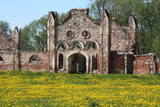 |
The Preiļi Estate is in the southern part of Preiļi. During the Soviet era, the mansion was home to a variety of institutions. A fire burned much of the upper part of the building in 1978. The mansion was never restored, and it can only be viewed from the outside. Around it, however, is one of Latvia’s most outstanding landscape parks (mid-19th century). Irēna Kjarkuža offers interesting tours of the state, with interesting legends and songs in the Lettigalian language. |
|
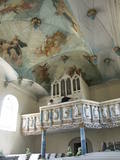 |
The Apriķi Lutheran Church is, for good reason, known as one of the most beautiful churches in Kurzeme. It was owned by the Osten-Zacken dynasty in the past, built in the 17th century, and rebuilt in 1710. The wooden interior is in the Rococo style with elements of the Baroque, and it dates to the mid-18th century. It is amazingly ornate. The beautiful ceiling paintings, which were produced by a Prussian painter called Rode, were painted between 1744 and 1746. |
|
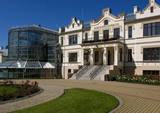 |
The Kretinga Estate park is one of the oldest ones in Lithuania to have survived to the present days. Established in the 16th and 17th century, it is a mixed-style park that covers 23 ha of land. The southern part of the park has an astronomical calendar with a sundial, a hedge, allies, and flowerbeds and rock gardens with dahlias, peonies, tulips and roses. There are trails for strollers and areas for relaxation. Particularly popular among local residents is the restored fountain in the park. |
|
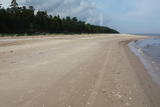 |
Ģipka is a village that once was the site of the first maritime school in Kurzeme. It was opened in 1869, just a few years after a similar school in Ainaži. This was a Category 2 maritime school, which trained helmsmen for long-distance trips and captains for short-distance trips. The school was moved to Mazirbe in 1894. Before the maritime school, the building housed a different kind of school, and a second floor was added in 1867 specifically for the maritime school. Today this is a residential building. During 28 years, the school trained more than 200 professional sailors, and it was of great importance in facilitating ship building in shoreline Liv villages. (Source: Roja TIC) |
|
 7 days
|
If you enjoy an active lifestyle, this tour is the perfect way to enjoy the culinary heritage hidden in Gauja National Park. The cycling route starts from Strenči and first passes two local breweries at Brenguļi and Valmiermuiža with nice cafés and good beer. On the way to Valmiera you will also stop at Trikāta Village to taste locally made chocolate. From Valmiera, the route goes through a beautiful forest to Cēsis with its charming medieval Old Town. In Cēsis you will visit the local bakery and distillery to taste their production. Also, you will see what a herb and species garden looked like in medieval times. You’ll experience a canoeing trip from Cēsis to Līgatne, one of the nicest parts on the River Gauja with its sandstone banks, remote farmsteads and old-fashioned water-powered ferry. The historic centre of Līgatne Town is linked with the development of its paper mill. Here you can also visit local wine and handicraft producers in one of the artificial caves typical of the area. Cycling the hilly, winding roads of Sigulda, you’ll see Turaida and Sigulda medieval castles, Gūtmaņala Cave and other picturesque views. In Sigulda you will enjoy Latvian traditional meals in the restaurants ”Bucefāls”, ”Aparjods”, and will taste 80 kinds of jam in the Mauriņi guest house. |
|
|
|
Rendā uz nelielās Abavas kreisā krasta pietekas Īvandes 200 m attālumā viens no otra izveidojušies divi ūdenskritumi jeb rumbas. Lielākais ir apmēram 2m, mazākais aptuveni 1,4 m augsts. Upītes krastos redzami nelieli dolomītu atsegumi.
|
|
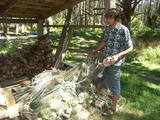 |
Fishermen along the seashore of the Baltic Sea love Laikas. They can hope to catch plaice, cod and eels, after which the owners of the farm will cook tasty fish soup or smoke the fish. You can help out in the process. |
|
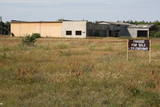 |
The job for the No. 15 Radio Technology Brigade at Saraiķi was to defend Soviet Latvia’s shoreline back in Soviet times. Today the facility is owned by the Defence Ministry, and the No. 17 Home Guard Battalion uses it for training purposes.
|
|
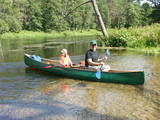 |
Ūla ir viena no skaistākajām un likumsakarīgi – arī populārākajām Lietuvas ūdenstūristu upēm. Tās galvenā pievilcība ir skaistā ainava ar augstajiem upes krastiem, kuros slejas iespaidīgas smilšu kraujas līdzīgi kā Irbes krastos Latvijā. Laivošanu var sākt no Mančagires (Mančiagirė) vai Zervinos ciemiem un turpināt līdz Ūlas ietekai Merķē un tālāk pa Merķi līdz pat Merķinei un Nemunai. Ūla nav plata, taču posmā no Zervinos ciema tajā nav neviena koku aizgāzuma vai cita šķēršļa, kuram laiva būtu jānes apkārt. Ašā straume, asie līkumi, dzidrais ūdens un tajā redzamā zemūdens pasaule rada patiesi patīkamu sajūtu! Upes krastos atrodas gan publiskas (apsaimnieko Lietuvas valsts meži), gan privātas ūdenstūristu apmetnes un atpūtas vietas. Šī ir vienīgā Baltijas upe, kur ūdenstūristiem ir jāpērk licence. Ūlas krastos atrodas divi interesanti apskates objekti – Ūlas atsegums (Ūlos atodanga) un spēcīgs avots – Ūlas acs (Ūlos akis). Savukārt, Merķe jau ir jau krietni platāka upe, taču ar acīm redzamu straumi un dažviet pat jaukām straujtecēm. Kaut arī Merķes krasti ir mazapdzīvoti, tajos atradīsim piemērotas nakšņošanas vietas. Pa Ūlu un Merķi no Zervinos līdz Merķinei sanāk „mierīgs” pusotras - divas dienas ilgs brauciens. |
|
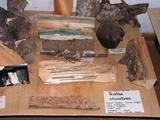 |
The Lejas Kleperi farm straddles the boundary between the Cēsis and Valka Districts. The farm is 119.4 hectares large, with 86.1 hectares of forestland. The farm’s work is centred on forestry. In 1992, a private museum of farming and forestry equipment was set up in one of the residential buildings. The museum’s collection is constantly being updated.
|
|
 |
“GREEN HIVE” ir pārtikas ražotāju uzņēmums, kas nodarbojas ar medus un ogu pārstrādi. Uzņēmums atpazīstams ar saukli “Medus citās garšās!”. “GREEN HIVE” piedāvā vairāk nekā 60 produktus – medu daudzās un dažādās garšās, kā arī sīrupus, sulas un nektārus. “GREEN HIVE” atbalsta zaļas Latvijas ideju, un ievēro šo pārliecību uzņēmuma ražošanas procesā, dzīvojot saskaņā ar dabu un lietojot dabas dotus produktus. Ražotnē uzņem tūristu grupas, produkciju iespējams degustēt un iegādāties. |
|
 10 days
|
Этот тур рассчитан на семейный отдых. В нем культурные и природные достопримечательности сбалансированы с множеством забав для детей. Маршрут включает в себя несколько ферм, где можно понаблюдать за домашними животными и Природные тропы Лигатне, где можно увидеть диких животных. На пути есть несколько средневековых замков и живописных городов. Побережье моря встретит Вас песчаными пляжами и рыбацкими деревушками, где Вы сможете отведать копченой рыбы. Национальные парки Гауя и Слитере предложат Вам несколько природных троп и живописные пейзажи. |
|
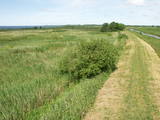 |
The Nemuna River divides up into two large streams at its estuary at Kuršių Marios, and this has established the Rusnė Island. This is a unique environmental territory with wetlands, streams, ancient rivers, lagoon lakes and flood plains which are important places for birds to nest and rest during migration season. Vast tracts of this territory are flooded each spring. The park includes the territory to the N and W of Rusne (lagoons, swamps, fishing ponds, Kuršių Marios).
|
|
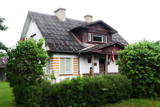 |
Ezeres kultūrvēstures un novadpētniecības materiālu krātuve “Muitas nams” ir izveidota vēsturiski nozīmīgā ēkā, kur, II pasaules kara noslēgumam tuvojoties, 1945. gada 8. maijā tika parakstīts Kurzemes katlā ielenkto vācu karaspēka daļu kapitulācijas akts. Ar to tiek uzskatīts, ka Ezerē faktiski beidzies II pasaules karš. Krātuves materiālu ekspozīcijas ir no Ezeres pagasta senvēstures līdz šodienai, tai skaitā ezernieku vaļasprieki. |
|
 8 days
|
If you enjoy an active lifestyle, then this tour is the perfect way to enjoy the heritage hidden in Gauja National Park, from several different perspectives. Cycling starts at Strenči and passes two local breweries at Brenguļi and Valmiermuiža with nice cafés and good beer. You will hike through beautiful forests and along the Sietiņiezis sandstone cliff towards Cēsis with its charming medieval Old Town. Canoeing takes place from Cēsis to Līgatne, which is one of the nicest parts of the River Gauja with its sandstone banks, remote farmsteads and old fashioned water-powered ferry. Līgatne historic centre is connected with the development of its paper mill. Here you can also visit local wine and handicraft producers located in one of the artificial caves typical of the area. Walk the Līgatne Nature Trails to see local wild animals in a forest setting. At the end you will cycle from Līgatne to Sigulda, which is one of the most popular tourist sights in Latvia. You'll see the Turaida and Sigulda medieval castles, Gutman’s Cave and other picturesque views. |
|


