
| No | Name | Description |
|---|---|---|
 |
Ap 9 km garā taka (vienā virzienā) sākas Skaņākalna dabas parkā (Mazsalacā) un beidzas pie Ramatas. Tā iepazīstina ar Salacas ielejas dabas parka nozīmīgākajām vērtībām – smilšakmens atsegumiem (Skaņaiskalns, Dauģēnu klintis u.c.), alām, nozīmīgu izmēru laukakmeņiem u.c. Taka marķēta. Tajā izvietoti informācijas stendi, norādes. Jāpadomā par loģistiku – kā nokļūt sākuma punktā. |
|
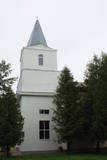 |
The first church was here in the early 18th century, followed by the second and third one (1847-1848), and then the one that is there now. The church was damaged during World War I and then during the Soviet era, when wool was stored there between 1969 and 1993. In the 1990s, the building was in terrible shape, but it is gradually recovering its appearance. Between 1826 and 1856, the sexton and organist at the church was the Latvian poet and translator Ansis Līventāls (1803-1878). His grave and monument are alongside the church. At the same place are the graves of German and Russian soldiers who died during World War I, as well as the grave monument of the pastor and writer Jacob Florentin Lundberg (1782-1858). |
|
|
|
Atrodas Kokneses tūrisma centra telpās (1905. gada ielā 7). 160 cm garais un 120 cm augstais makets ir Vittingenas (Vācija) dāvinājums Koknesei, atzīmējot 10 gadu sadraudzības jubileju. Šāda Kokneses pils izskatījās ap 1701. gadu. |
|
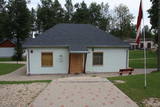 |
This is another place (at A. Brodeles Street 7) which must certainly be visited by those who are interested in the cultural environment of the historical region of Selonia. The museum was established in 2000, and much of its exhibition can be found at the depot of the former narrow-gauge railroad (the depot was built in 1948, and the railroad operated between 1916 and 1972). There you can see a restored locomotive, a passenger wagon, a trolley, etc. The exhibits reflect the lives of major personalities in and around Viesīte, also looking at events and the cultural heritage. There are wood processing and textile workshops at the museum. Outside the building is a fragment from the narrow gauge railroad, along with a water pump. |
|
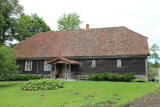 |
The manor is in Basi in the Gudenieki Parish of Kuldīga District, some 20 km from the district centre. The manor was built in the 19th century, burned down in 1905, and then restored. A former residence for servants and an old magazine barn have survived. The surrounding park covers 4.5 ha, and the estate is a cultural and historical monument of local importance. The barn was fully reconstructed in 2009 and 2010 with co-financing from the European Union, and today it is the Basi Culture Centre. In 2019, there is to be an interactive exhibition about Suiti events in Gudenieki -- baptisms, weddings, funerals, etc. |
|
 |
The farm keeps more than 250 chickens and produces home-made ice-cream. We offer tours of the farm, ice-cream tasting, a story about the history of ice-cream. |
|
 |
Saimniecība atrodas Ziemeļvidzemes biosfēras rezervātā, netālu no Burtnieku ezera. Tajā audzē kazas un gatavo kazas sieru. Saimnieki rūpīgi seko līdzi dabas procesu ciklam un ciena dabai draudzīgu dzīvesveidu. Papildus sieram sezonāli iespējams iegādāties arī upeņu ievārījumus, zāļu tējas un vilnas izstrādājumus. SieriTiek piedāvāts baltais, svaigais kazas siers bez piedevām. Tāpat pieejama kazu piena karamele - smēriņš. Kā top siersSiers top ilgi un pacietīgi visa gada garumā no pašu saimniecības kazu piena. Tā ir pilna cikla saimniekošana: saimnieki stāda, ravē un novāc ražu, ēd paši un dod ēst kazām. Kazu dziļās kūts uzkrājumi katru rudeni tiek vesti uz lauka, lai katru nākamo gadu “atdzimtu” ēdamajos dārzājos. ApmeklētājiemTā kā kazu pienam ir sezonāls raksturs, piedāvājumā divu veidu apmeklējumi:
Kur iegādāties sierusSaimniecībā uz vietas, Slow Food Straupe tirdziņos, Vidzemes lielākajos gadatirgos. Internetā: https://tirgus.novadagarsa.lv. |
|
 |
The Strauti farm is on the eastern edge of hillocks in Embūte. The southern edge of the farm neighbours large forests with many wild animals. Alongside is a former fowl farm. The farm breeds rabbits, sheep, fowl, two horses and a pony. It has a herd of cows, including Latvian Blue cows. The farm offers tours for schoolchildren and others. Contact the farm in advance to purchase rabbit meat, wool and vegetables. The farm is biological. |
|
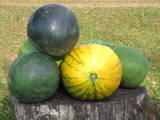 |
The owners began to grow watermelons in 1997, using types that are appropriate for the climate in Latvia. Of particular interest are watermelons which have a yellow interior. The largest watermelon that the farm produced weighed 11 kg. During the season, you can purchase watermelons and hear advice from the owners. |
|
 |
The cafe is situated in the shopping centre Talsu centrs on the 3rd floor. Free Wi-Fi available. Number of seating places: 50. Working hours: Mon-Sun: 9:00 - 21:00 |
|
 |
Centre stage on the a la carte menu of the restaurant is devoted to premium quality game meat dishes. Fish lovers will enjoy just caught Siberian sturgeon in the Sangaste Loss pond, ensuring that ingredients are always fresh. Ancient cooking techniques, such as baking on a bonfire in natural smoke, are honoured. |
|
 |
This trail's purpose lies on the fact that herbal therapy is the oldest known system of medicine. Being outside, in fresh air, in nature affects our health positively. While hiking with a phytotherapist you will get to know more about the nature's wild herbs that can help our livelihood and also do some light exercises. If you want, you not can only walk the trail but also relax in a sauna or/and visit a workshop. |
|
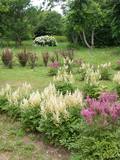 |
The park was founded by the gardener Arvīds Janitens. Professor Raimonds Cinovskis has said that Arvīds is just amazing, because he alone did work that would usually be done by a big group of people. This is one of the most popular tourism destinations of its kind in Latvia.
|
|
 |
The farm borders the city of Zilupe. Melons, watermelons, and pumpkins are grown here in an open field. The host is one of the few Latvian birch bark craft masters, the hostess comes from an old family of gardeners and is a certified floral designer, and their son is a potter. All of them offer demonstrations, creative workshops, and accept orders. |
|
 |
Z / S "Kaņepītes" is a family company founded in 1992. The farm takes its name from the name of the house given to it in 1924. Organic farm where cereals are grown and processed into food. The production of the products is small, but the technique has an ancient atmosphere, a stone, wooden mill that gives a special taste and aroma to flour and oatmeal. Now the assortment already has 30 different product types. |
|
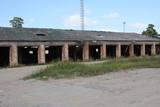 |
In Soviet years, Ventspils was the site of tank training. The facility has been degraded, and only the former tank repair facility and some outbuildings are still being used. The rest of the territory is not used or guarded any more.
|
|
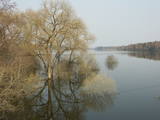 |
The Dviete ancient river valley is a unique territory of environmental, cultural and historical importance between Kaldabruņas, Bebrene and Dviete. The small Dviete River flows through the ancient river valley, through Lake Skuķi and Lake Dviete, and through the wetland meadows that are alongside the valley. During flooding season, these wetlands store up water from the Daugava River, rapidly absorbing masses of floodwater and then slowly returning the water to the river. The views during wet springs are incomparable to anything else that can be seen in Latvia. The specifics of the shifting water level in the ancient river valley are the reason why this is an important place for plants and birds during migration and nesting season. The Dviete Wetlands Nature Park has been set up to protect the territory. It is interesting that higher areas which do not disappear underwater during the floods are known as islands. Archaeologists who have studied the Dviete ancient river valley have found 15 possible settlements of the ancients (from the Stone Age, Bronze Age and Iron Age). They found a wealth of ancient objects of various kinds. There is reason to believe that this is one of the oldest and most important settlements in what is now southern Latvia. |
|
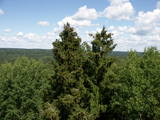 |
The recently renovated viewing tower offers a wonderful view of the impressive and forested ancient Gauja River valley. The Gūdu cliffs are visible. This is part of the Līgatne nature trails territory, where there are wide paddocks of wild animals.
|
|
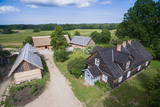 |
The museum is dedicated to the writer Ernests Birznieks-Upītis (1871–1960), whose nickname as a child used to be Pastariņš. The historic buildings have been restored according to the situation in the mid-20th century. Rye bread, Sun bread, and Shepherd's bread are baked in the museum’s farm. Each spring visitors can take part in building wattle and other types of fences, to bake bread and rolls and to taste the results. In December – baking sklandrauši (a carrot-based pastry). There are weaving demonstrations, butter churning demonstrations and opportunities to try one’s hand at other old-time farm work. |
|
 |
Getliņu ekoloģiskais poligons ir Latvijā unikāls piemērs ekoloģiski saderīgu darbības virzienu ieviešanai. Tā energobloka saražotais siltums tiek izmantots siltumnīcu apsildei, kas nodrošina ideālu vidi lauksaimnieciskai ražošanai (puķes un tomāti - lielaugļu tomāti, tumšsarkanie tomāti, aveņkrāsas ķekartomāti) gada aukstajos mēnešos. Poligona teritoriju (zālāju) nogana ar aitu ganāmpulka palīdzību. |
|


