
| Nr | Nosaukums | Apraksts |
|---|---|---|
 |
Meklējams 0,3 km no Līvānu dzelzceļa stacijas – Fabrikas un Stacijas ielu krustojuma tuvumā. Ideja par Līvānu atbrīvošanas pieminekli radās jau 1929. g., taču to īstenoja 1935. gadā (arhitekts Pāvils Dreimanis). Tā galvenais elements bija 15 tonnas smags Krievijas armijas pamests lielgabala stobrs. 1958. gadā pieminekli iznīcināja, jo tas nebija „tīkams” padomju varai. No jauna to atklāja 2004. gadā. Piemineklis veltīts brīvības cīņās kritušo latviešu kareivju piemiņai, kuri 1919. g. ieņēma un atbrīvoja pilsētu no lieliniekiem. |
|
 |
Saimniecībā audzē ~ 400 trušu, kā arī zemenes. Vaislas trušu, trušu gaļas, zemeņu stādu (3 – 4 šķirnes) un ogu iegāde. Pavasaros piedāvā salātus, bet rudeņos – dārzeņus. Izvadās pa saimniecību un dalīsies padomos ar truškopjiem. |
|
 |
Atrodas nepilnu kilometru ziemeļrietumos no Dvietes pie dabas parka “Dvietes palienes” robežas. “Apsītēs” dzīvojis un strādājis Latvijā pirmais vīnogu selekcionārs Pauls Sukatnieks (1914 - 1989). Šobrīd dzīvojamā ēka ir atjaunota, tajā apskatāmi sadzīves un citi lauku sētā lietojamie priekšmeti, kā arī P. Sukatnieka bibliotēka un darbistaba. Ap “Apsītēm” plešas labiekārtots dārzs, kurā apskatāmas gan vietējās, gan introducētās krāšņumaugu, krūmu un kokaugu sugas, t.sk. arī reti sastopamas. Apskatāmas un iepazīstamas P. Sukatnieka selekcionētās vīnogu šķirnes un vīnogu dārzs. Pie mājām izvietots informācijas stends par putnu vērošanu Dvietes palienēs. Interesenti var iepazīt gan dārzu, gan “Apsītes” vietējā gida pavadībā. Dārzā izveidota atpūtas un piknika vieta, tiek organizētas talkas un izglītojoši pasākumi. |
|
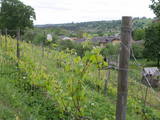 |
Sabiles pilskalnā jau 10. gs. atradās nocietināta senpilsēta. Pēc kuršu zemju dalīšanas, Sabili ieguva Livonijas ordenis, kas uzcēla mūra pili (nav saglabājusies). Rakstiskajos avotos Sabile pirmoreiz minēta 1253. g. Pie pils 15. gs. sāka veidoties apdzīvota vieta. Pilsētas tiesības Sabile ieguva 1917. g. Mūsdienās Sabile ir neliela mazpilsēta, kuras apkārtnē atrodas daudzi ievērojami kultūrvēstures pieminekļi. Sabiles pilsētas neatņemama kultūrvides sastāvdaļa ir čigāni, tādēļ to sarunu valodā dēvē arī par Latvijas čigānu galvaspilsētu. Sabile jau izsenis pazīstama ar savām vīnogu audzēšanas un vīna darināšanas tradīcijām, kas ir atdzimušas un baudāmas Sabiles vīna svētku laikā. |
|
 |
Kafejnīca Pärnamäed atrodas šosejas Via Baltica malā 10 km uz Rīgas pusi no Pärnu, tā specializējas konditorejas izstrādājumu, baltmaizes un rupjmaizes cepšanā bez konservantiem, piedāvājumā arī dažādu mazo ražotāju preces. Kafejnīcā iespējams ieturēties arī ar zupu, otrajiem ēdieniem un desertiem. |
|
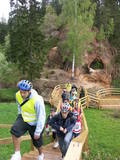 |
Līgatnes centrā, straujās Līgatnes upītes labajā krastā ir izveidots skatu laukums, no kuras „tuvplānā” redzams viens no iespaidīgākajiem upītes smilšakmens atsegumiem – Lustūzis. Tā sienā vīd mākslīgi raktās Līgatnes pagrabalas, kuras vietējie cilvēki izmanto kā pagrabus un mantu glabātuves.
|
|
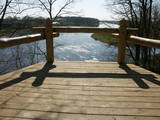 |
Viens no lielākajiem 9. - 13. gs. zemgaļu nocietinātajiem pilskalniem, pie kura 13 ha platībā bija izvietojusies senpilsēta. Labiekārtots. Uzskata, ka te atradusies hronikās minētā zemgaļu osta. Pāri Lielupei nesen ir izveidots pontonu tilts, pār kuru gājēji un velobraucēji no maija līdz oktobrim var nokļūt līdz Mežotnes pilij. Mežotnes pilskalnā maija trešajā sestdienā tiek rīkoti Mežotnes pilskalna svētki. Pa laipu taku var aizstaigāt līdz Vīna kalnam. Atrodas Bauskas dabas parkā. |
|
 |
Atrodas Rēzeknes centrā. Piedāvājumā zupas, salāti, zivju un gaļas ēdieni, deserti, dzērieni. Biznesa pusdienas par īpašu cenu. |
|
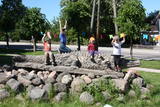 |
1995. g. darinātā (tēlnieks O. Skarainis) skulptūra novietota ceļa krustcelēs (E. Dinsberģa un Talsu ielas krustojums) pie Dundagas pienotavas. „Krokodils” ir veltīts Dundagas stiprajiem vīriem un bijušajam dundadzniekam Arvīdam Blūmentālam (1925. – 2006.), kas dzīvoja Austrālijā, bija liels dēkainis un medīja krokodilus (~ 10 000). A. Blumentāls bijis prototips slavenajā Pola Hogana filmā “Krokodilu Dandijs”. |
|
 |
BURSH (SIA „ECOS”) alus darītava – viena no mazākajām alus darītavām Latvijā, kas atrodas starp Zemgales, Vidzemes, Latgales un Sēlijas novadiem – Pļaviņu novada Aiviekstes pagastā. Alus cienītājiem piedāvājam tumšo un gaišo alu BURSH. Ciemos gaida gan individuālus apmeklētājus, gan tūristu grupas (iepriekš piesakoties). |
|
 |
Burtnieku muižas parks, kas atradās kungu ēkas priekšā, ir valsts nozīmes dabas aizsardzības objekts, tika izveidots ap 19.gs. 60. gadiem 10 ha platībā. Iespēja doties ekskursijā pa Burtnieku muižas parku mazākā vai lielākā grupā. Ekskursijas laikā gida pavadībā iespējams iepazīt teikām un nostāstiem bagāto parku, apskatīt teiksmaino Burtnieku ezeru, kā arī baudīt nesteidzīgu pastaigu svaigā gaisā. Papildus tiek piedāvāta iespēja iegādāties oriģinālus Burtnieku suvenīrus, kuros dažādi meistari ielikuši ne vien savu talantīgo roku darbu, bet arī Burtnieku stāstu. Lai diena būtu piepildīta, gids ieteiks, ja nepieciešams, koordinēs un dosies līdzi apskatīt arī citus dabas un vēstures objektus tuvākajā apkārtnē. |
|
 |
Viesiem ir iespēja pastaigāties un nofotografēties lavandu laukā, atpūsties mājīgajā un smaržīgajā Provansas stila apkārtnē. |
|
 |
Neliels pārtikas ražotājs Vidzemē, kas nodarbojas ar dārzeņu, auglu un ogu pārstrādi, ražojot veselīgas uzkodas bez cukura un miltiem. Piedāvā ekskursijas ar degustāciju, meistarklases dārzeņu trifeļu un veselīgu kūku gatavošanā, aktīvi iesaistot nodarbībās viesus. Drīzumā būs pusdienu piedāvājums - īpašā kalē kāpostu zupa. |
|
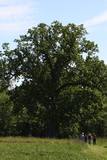 |
Koks aug nogāzē, kur atsedzas neparasti milzīgs sakņu kakls.
|
|
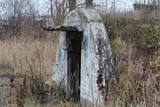 |
Bijušā Spilves lidlauka dienvidrietumu daļā vēl joprojām atrodas betonēti laukumi, kur padomju laikā bāzējās militārie helikopteri.
|
|
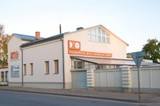 |
Centrā darbojas vienpadsmit, t.sk. „Pūdnīku skūlas” podnieki. Šeit tiek organizētas nodarbības, meistarklases, podnieka darba demonstrējumi, apskatāmi tapušie darbi. Var pasūtīt un iegādāties gatavo produkciju. |
|
 3 dienas
| ||
 1 diena
|
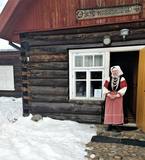
Setomaa has been inhabited for about 8,400 years, which makes it one of the oldest human settlements in Estonia. It is located on the border of Eastern and Western civilisations, bordering Russia, Latvia and Estonia. Setomaa is famous for its well-preserved traditions and culture. For centuries the local handicraft skills have been passed down within families. Seto polyphonic singing (Seto leelo) is inscribed on the UNESCO List of the Intangible Cultural Heritage of Humanity. Setos have distinctive national costumes, rich in detail and unique to each family. Perhaps most impressive is the distinctive array of Seto jewellery. These visually striking pieces not only reflect the social standing of the wearer but are also worn as a safeguard from misfortune. To this day, the Seto lifestyle remains closely tied to nature. It is common practice for the Seto not only to enjoy the natural beauty of the forest but to also use its gifts. Berries and mushrooms are picked freely in their seasons. It is best to start the tour from Võru and finish in Tartu. |
|
 |
Piedāvājumā relaksācija pirtī - sildīšanās, skrubēšanās, enerģiskais pēriens, kā arī dažādas masāžas. |
|
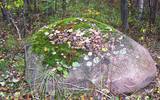 |
Āžmuguras akmens ir pelēkbrūngana trijstūra akmens prizma, kura
atgādina āža muguru.
|
|


