
| No | Name | Description |
|---|---|---|
 |
Atrodas Īvandes dienviddaļā, Vankas upītes krastos. Ūdensdzirnavas celtas 1842. gadā (par to liecina arī sienā iemūrēts dzirnakmens) un darbojas joprojām. To iekārtas ir saglabājušās no 1930. gada. Divstāvu ēka apskatāma no ārpuses, bet iepriekš piesakoties, - arī no iekšpuses. |
|
 |
One of Northern Europe's oldest universities (founded in 1632). Many famous people and scientists have studied here. Main building (1804. – 1809.) is one the country's most excellent monuments of Classical architecture. |
|
 |
This is Latvia’s largest lake island and is found in the middle of Lake Usma. The island is restricted to protect old stands of pine, as well as various plants and birds. |
|
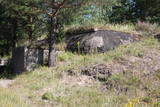 |
Another coastal defence battery was sited about 1,500 metres to the East of Lūžņa, where the Lūža River flows into the Baltic Sea. Remnants of Soviet-era buildings can still be seen there.
|
|
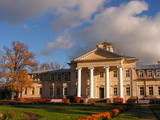 |
The Krimulda Estate was first recorded in documents in the 15th century. The Krimulda Castle that can be seen now is on the right bank of the ancient Gauja River valley opposite the aerial tram. There are outstanding views of the ancient river valley from the castle and the opposite shore. The Krimulda Castle is a Neo-Classical structure which was built by a local nobleman in the 19th century. In the 1920s, the castle was expropriated and turned over to the Latvian Red Cross, which installed a children's sanatorium there. Today the Krimulda rehabilitation hospital is in the building, and among other structures, the ones that have survived include the stables, threshing barn, servants' quarters, governor's quarters, and the so-called Swiss house. Educational tours are available, and overnight stays are possible at the estate. |
|
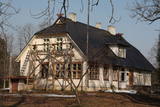 |
Several of the buildings of the Šlītere Semi-Estate have survived to the present day – the servants' house (late 19th century), the pump house (mid-19th century), the smokehouse (mid-19th century), the cattle barn, etc. A forestry building was built here in 1936 and renovated in 2010. Since the end of 2009, the administration of the Slītere National Park has been housed here. Today the building also houses the Kurzeme regional branch of the Environmental Protection Board. Opposite the building are two yews, and there is a productive ivy which has covered the northern side of the servants' house. The common yew and the Baltic ivy are symbols of Šlītere, and you can see and photograph them here without "bothering" them in their natural environment. The pump house contains a well that is unique in Latvia – it is 34 m deep, which is nearly the height of the Blue Hills of Šlītere. It reportedly was active until the 1970s and delivered water to the forestry system. A fragment of the stone well can be seen as a part of the wall of the pump house. The semi-estate is surrounded by small elements of a park, including an impressive alley of elm trees. Locals says that pre-war Latvian President Kārlis Ulmanis spent the night at the building once while on a hunt. |
|
 |
The café Bastions is located in the historic centre of Valmiera on former medieval fortifications. Their menu offers Latvian cuisine and an extensive variety of breakfast, lunch and dinner meals. The café collaborates with local farmers and producers. During summer, enjoy your meal on the beautiful outside terrace overlooking Lake Dzirnavu. |
|
 |
Guests to the Dīķīši homestead in the Amata Parish will be greeted by several Samoyed dogs and intelligent little donkeys that will bring the guests to a place for glamping next to the pond. You can hike down two trails of different lengths of enjoy the opportunities that exist when Latvians share places where they find mushrooms and berries. A special adventure is creating artworks from natural materials that have been collected in the forest. The accommodations are appropriate for people who use a wheelchair. The lavatory has been adapted to the needs of such people, as well. People who are interested in cultural history can tour a collection of Latvian folk costumes, trying them on and organising their own photo session. People who enjoy extreme feelings will enjoy a ride on a quadricycle. If you love to go fishing, bring your own inventory. We organise fire rituals for birthdays and family celebrations, and we’ll also offer soup that has been cooked on a campfire, as well as a master class in cheesemaking. |
|
 |
Rukši ir bioloģiskā saimniecība, kura audzē HEREFORD šķirnes liellopus, bariņu blējošas aitas ,vistas. Ar ambiciozu skatienu nakotnē par iespējām nodrošināt ar kvalitatīvu liellopu gaļu visus izsalkušos. |
|
 |
Garlic growing and processing, farmers’ market. A story about the value of garlic in health and cooking. Offers various garlic spices, teas, pickles, snacks, tasting of food with garlic. For children - garlic painting on canvas, garlic games. |
|
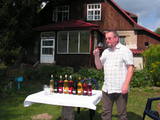 |
The owner of the guesthouse produces homemade wine from blackberries, black currants, lingonberries, oak leaves, birch sap, strawberries, gooseberries, apples, cranberries, cowslip, and 20 other raw materials. You can taste the wines, learn about how it is produced, and purchase some to take along with you. |
|
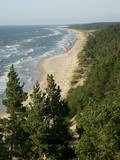 |
Construction on the lighthouse was initially completed in 1879. The structure suffered damage during both world wars and was restored several times. The structure is 19 metres high and stands 46.5 metres above the wavy sea. Here you will find one of the loveliest views of the shores of the Baltic Sea.
|
|
 |
Atrodas Amatas ielejas augstajā krastā, autoceļa (A 2) Rīga – Veclaicene malā. Plašs ēdienu klāsts, lielas porcijas, iecienīta tālbraucēju šoferu maltītes ieturēšanas vieta. |
|
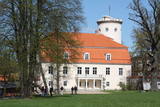 |
The history of Cēsis begins at the Riekstu hill, which is 18 m high and the surrounding area. There was a wooden castle built by the Vendian tribe that stood there from the 11th to the 13th century. The hill is in the central part of the castle’s park, and it offers a fine view of the park, a pond and the ruins of the Cēsis Castle. A long staircase leads to the hill. The Cēsis Castle was built in the early 13th century as the residence of masters of the Livonian Order, and it was one of the most fortified forts in the Baltic region. Alongside is the New Cēsis Castle, which was built in 1777 in a place where gate fortifications had been before. The building houses the Cēsis Museum of History and Art, and an annex contains the Castle Visitor Centre and the Cēsis Tourism Information Centre. From the tower of the castle, we get a good view of the castle ruins, St John’s Lutheran Church and the northern stretches of the city. Opposite the new castle is the stable of the Cēsis Castle Estate and a wheelhouse (both from the first half of the 19th century). Today these house the Cēsis Exhibition Hall. Other buildings include a granary, a hut for coachmen and an old brewery. On the other side of the street is the romantic May park, which was installed during the 1830s. Streets in Cēsis include Lielā Katrīna, Mazā Katrīna, Mazā Kalēju, Kalēju and Lielā Līvu streets and Līvu square with wooden buildings from the late 18th and early 19th century. Torņa Street stretches along the walls of the Medieval castle. Outside the church is a sculpture, “As the Centuries Pass By,” and legend has it that anyone who rubs the lantern of the Old Time Man can see the future. One of the most impressive buildings in Cēsis is St John’s Lutheran Church, which was built in the late 13th century by the Livonian Order. The Roman-style three-segment basilica has elements of Gothic design and a 65 m steeple that was installed in 1853. The building was reconstructed several times during the 20th century and contains grave plaques relates to masters of the Livonian Order and local bishops. The pulpit dates back to 1748, the oak altar was manufactured in 1858, and the altar painting “Crucified One” was painted in 1862. The windows of the altar part of the church contain artistically valuable stained glass. The organ was manufactured in 1907 by the E.F. Walker firm, and it is one of the best concert organs in Latvia. The solar clock with the number 1744 is in the south-wester corner of the church. It is worth scaling the viewing tower of the church. At its foot is Rose Square, which was a market square from the mid-13th century until 1927 and was restored in 2008. This is the central square in the city. During the Middle Ages, a punishment pole and the city well were here. Rīgas Street has been the main street in the old part of the city from the very start, and here we find most of the architecturally distinguished buildings from the 18th and 19th century – the former city hall, the Fābers house and the Princess house. At one end of the street is Liv Square, where there a church, cemetery and the Rīga gate in the city’s walls existed in the 13th century. Today the square is decorated by a lighted fountain at a place where a well was found in the 13th century. On the other end of the street we find a reconstruction of the foundations of the Rauna gate from the 14th and 15th century, offering a good look at Medieval walls and the size and strength of the gates. It is commonly claimed that the national flag of Latvia was born in Cēsis, but it must be emphasised that the flag that is mentioned in chronicles was designed in Cēsis in 1279 as the ideological prototype of the current Latvian flag, while the story of the first national flag actually comes from Valmiera, where it was sewn in 1916. |
|
 |
Ugandan Resto is a restaurant with a stylish interior, tasty food and friendly service, located in Otepää. Meals are prepared from fresh, premium local products. |
|
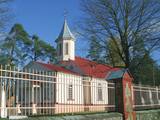 |
St. Cross Honouring Roman Catholic Church of Malta (Rozentova) is national architectural
monument. The church has a promiment „St. Mary Magdalene beside the Cross of Jesus” and three big
altars. The wooden log building was constructed in 1780. It was sanctified in 1782.
|
|
|
|
Atrodas Daugavas prospektā 10, starp Rīgas – Daugavpils šoseju (A 6) un Kalēju ielu. Dievnams celts laikā no 1931. - 1933. g. (arhitekts: Pēteris Kundziņš). Padomju gados tajā bija izvietota Latvijas Valsts bibliotēkas grāmatu glabātava. Pateicoties draudzes aktivitātēm 1989. g., ēku atjaunoja. Tagad tā kalpo savam pamatmērķim. |
|
 |
A farm and holiday house in the hilly landscape of Vidzeme, Cēsis 35 km. The hosts produce marmalade sweets from organically certified rye bread and other products, bake rye tin loaves, and make rye gingerbread dough, as well as the bread drink kvass. They also make jewellery and handicrafts. Produce can be purchased. |
|
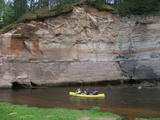 |
This ancient river valley stretches from Koorvere to the Otteni Windmill, and there are nearly 40 revealed sandstone cliffs from the Devonian age. Two of them, Väike and Suur Taevaskoja (the latter is 22 m high) are popular tourist destinations.
|
|
|
|
Zirgi un citi lauku iemītnieki. Dažāda veida izklaides ar zirgiem gan saimniecībā, gan ārpus tās, un saimniecībā mitošo iemītnieku apskate. |
|


