
| Nr | Nosaukums | Apraksts |
|---|---|---|
 5 dienas
|
Izbraucot no Rīgas, maršruts ved cauri vēsturiskajam Jūrmalas kūrortam līdz Pūres Šokolādes muzejam, kur ir iespējams ne vien redzēt Pūres šokolādes produkciju, bet arī to nogaršot. Tālāk dodieties uz Sabili un tur esošo Vīna kalnu. Apmeklējiet vietējo vīna darītavu, kurā izrādīs vīnogu dārzu un pastāstīs par vīnogu audzēšanu Latvijas klimatiskajos apstākļos mūsdienās, kā arī - dzērienu degustācija. Pēc tam dodieties uz apburošo Kuldīgu, kur arī ir iespējams degustēt vīnus. Nākamajā dienā dodieties uz eko vīnu degustāciju Aizputē un Durbē, un pēc tam dodieties uz Liepāju, kur iespējams izbaudīt smilšaino jūras pludmali, māksliniecisko atmosfēru un nozīmīgo militāro mantojumu Karostā. Tālāk maršruts ved gar jūras piekrasti līdz Pāvilostai, kur jūs variet doties izbraucienā ar tradicionālu zvejnieku laivu. Alsungā - Suitu sievas un tradicionālā latviešu virtuve. Pēc tam dodieties pastaigā gar Jūrkalnes stāvkrastiem, un tālāk - uz Ventspili. Nākamajā dienā apmeklējiet vietējo zvejnieku, lai redzētu zivju kūpināšanas procesu. Pastaiga gar Kolkas ragu, kur atklātā jūra satiekas ar Rīgas jūras līci. Dodoties atpakaļ uz Rīgu, apmeklējiet vīndari Talsos. |
|
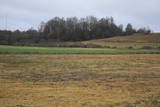 |
Atrodas Vārtājas ielejas labajā krastā un labi saskatāms no Priekules – Grobiņas (P106) ceļa. Senās kuršu zemes – Piemares pilskalns, kas vēstures avotos pirmo reizi minēts 1253. gadā – līgumā starp Kurzemes bīskapu un Livonijas ordeni. Viens no lielākajiem Dienvidkurzemes pilskalniem. Iespējams, ka iepriekš – arī sens kulta kalns. Pagājušā gadsimta sešdesmitajos gados veiktajos arheoloģiskajos izrakumos konstatēts, ka pilskalns bijis apdzīvots jau vidējā dzelzs laikmetā. Pie tā konstatēta liela senspilsētas vieta. |
|
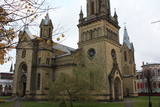 |
Atrodas starp Kr. Valdemāra un Kuršu ielām. Viena no iespaidīgākajām un greznākajām pilsētas celtnēm, kas būvēta neoromantikas formās. 19. gs. beigās katoļu draudze nevarēja saņemt atļauju jauna dievnama celtniecībai, tādēļ uz vecās ēkas uzbūvēja jaunu, kur vecā baznīca tapa par lielākās ēkas sānu kapelu. Baznīcas sienas un koka griestus rotā attēli ar Bībeles sižetiem. Dievmātes kapelā saglabājies mazās baznīcas (no 18. gs.) centrālais altāris. Baznīcas griestos ir iekārts burinieka modelis, ko dāvinājuši vētras laikā izglābušies jūrnieki. |
|
 4 dienas
|
Profesionāla lauksaimniecības tūre, kuras laikā tiek iepazītas lopkopības saimniecības, kas audzē govis, aitas, kazas un cūkas. Iepazīšanās diena, kuras laikā Latvijas galvaspilsētas – Rīgas (UNESCO mantojums) apskate. Nākamas dienas pirmajā pusē dodamies uz Kurzemi. Zemnieku saimniecības apmeklējums, kuras specializācija ir gaļas liellopu ganāmpulks. Otras saimniecības specializācija ir dažādas jomas - tīršķirnes un krustojumu liellopu audzēšana vaislai, nobarošana un gaļas ražošana, piena sivēnu pārdošana un cūkgaļas ražošana, graudaugu un pārtikas kartupeļu audzēšana, kā arī biškopība. Vakarpusē – Kuldīgas vecpilsētas un Eiropas platākā ūdenskrituma – Ventas rumbas apmeklējums. Nākamajā dienā dodamies uz Vidzemi. Pirmā saimniecība ir specializējusies liellopu audzēšanā un intensīvajā lauksaimniecībā, bet otrās specializācija ir piena lopkopība, graudaugu un zālāju audzēšana. Kokneses pilsdrupu, kas atrodas latviešu tautas likteņupes – Daugavas krastos, apskate. Vakarpusē - viena no lielākajām kazkopības saimniecībām Latvijā. Te audzē ap 160 tīršķirnes kazas (Alpu, Anglo, Vācu baltā dižciltīgā) un mājas cūkas kuiļus (vaislai). Ekskursija un vairāku sieru šķirņu degustācija. Nākamās dienas rītā apmeklējam vienu no lielākajām Latvijas aitkopības saimniecībām, kas vienlaikus ir arī bioloģiskā saimniecība. Te audzē ap 250 Latvijas tumšgalves šķirņu aitu. Otra saimniecība darbojas divos virzienos – audzē graudus un zālāju sēklas un nodarbojas ar piena lopkopību un jaunlopu audzēšanu. Cēsu viduslaiku pils apskate. Cēsu pils bija Livonijas ordeņa mestru rezidence un viens no stiprākajiem ordeņa cietokšņiem tagadējās Baltijas teritorijā. Dienu noslēdzam Ungurmuižā, kas ir viens no izcilākajiem Latvijas 18. gs. koka barokālās celtniecības paraugiem. |
|
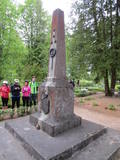 |
Atrodas vecā Alūksnes – Apes ceļa malā, netālu no Karvas. Pieminekli atklāja 1937. g. 12. novembrī. Tas veidots pēc arhitekta V. Vitanda meta. Pieminekļa cokolā ir iegravēts teksts: „Latvijas Atbrīvošanas cīņās 1919. g. kritušie Valmieras pulka karavīri. Uz ežiņas galvu liku, sargāj’ savu tēvu zemi”. Pieminekli nopostīja 1975. g., bet atjaunoja 1994. gadā. |
|
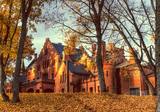 |
Par pils prototipu kalpojusi Anglijas Vindoras pils. Ēkas celtniecība pabeigta 1883. gadā. Muižas pēdējais īpašnieks bija Fridriks fon Bergs (1845. - 1938.) - pazīstams graudaugu selekcionārs. Parks. |
|
 |
Tahku piekrastes māju saimnieces vada gurķu marinēšanas un skābēšanas darbnīcas, kurās valda priecīgs gars. Gurķu festivāls Tahkuranna notiek katru gadu 20. augustā, tur var nopirkt arī konservētus gurķus, vietējo pārtiku un rokdarbus, piedalīties meistarklasēs, kā arī darināt rokdarbus. |
|
 |
No Kronvaldu Ata (1837. – 1875.) – izcilā latviešu publicista, pedagoga un valodnieka dzimtajām mājām – „Lejas Miķiem” Priekules novada Krotē nekas līdz mūsdienām vairs nav saglabājies. Māju vietā uzstādīta piemiņas plāksne ar uzrakstu: „Katram tā vieta svēta, kur piedzimis, audzis” (A. Kronvalds). |
|
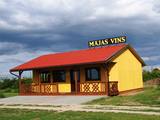 |
Saimnieks no Latvijā audzētām izejvielām ražo un piedāvā > 20 dažādus (t.sk. eksotisko ziedu) vīnus. Šeit var nobaudīt un iegādāties vīnus, kas darināti no ogām, augļiem, dārzeņiem un ziediem, t.sk. no baltajiem ceriņiem, melnā plūškoka, pienenēm, dižbrūklenēm u.c. Blakus esošajā dienliliju dārzā (lielākais Austrumeiropā) var iegādāties stādus. Dienliliju dārzā ir apskatāmas un nopērkamas gan pasaulē slavenu dienliliju selekcionāru šķirnes, gan dienliliju dārza aizsācēja V. Baņģiera, gan arī jaunās selekcionētās dienliliju šķirnes. Kopumā dārzā vara apskatīties un iegādāties vairāk kā 1000 dažādas dienliliju šķirnes! Dārzs apmeklētājiem ir brīvi pieejams, dienliliju ziedēšanas laikā, jūlijā un augustā, katru dienu no 9-19. Piedāvā majas vīna “Vējkalnietis” degustācijas. |
|
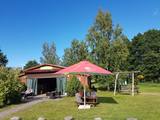 |
Kafejnīca "Stieres" atrodas Jūrmalas – Kolkas ceļa (P 131) malā – kempinga „Stieres” teritorijā. Piedāvā mājas virtuvi visām ēdienreizēm. Maltīti gatavo no Latvijas zemnieku audzētiem dārzeņiem, salātiem, zaļumiem. Zivju ēdieni ir no vietējo zvejniecības uzņēmumu ķertā vai pārstrādātā loma. Piedāvā dažādu svinību galdu klāšanu. Latviešu virtuve: Aukstā zupa, siļķe ar kartupeļiem un biezpienu, kartupeļu un plānās pankūkas, rosols, vietējo zemeņu zupa.
|
|
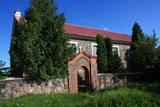 |
Atrodas Subates vēsturiskajā centrā. Ēka (nav torņa) celta no laukakmeņiem 1831. g. par grāfa Mihaila Zīberga – Plātera līdzekļiem. Tā priekšpusē slejas iespaidīgs zvanu tornis. Dievnamā atrodas 18. gs. beigu skulpturālā grupa “Golgāta”, krucifikss un nozīmīgs galvenā altāra cilnis – kokgriezums. Pēdējais tapis pēc slavenās Leonardo da Vinči freskas “Svētais vakarēdiens” motīviem. |
|
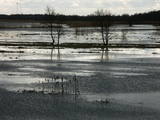 |
Atklāta teritorija 3,5 km garumā un 2 km platumā, kas atrodas Lielupes kreisajā krastā starp Pavasaru ciemu un Odiņu mājām. Polderis veidots padomju laikā ar mērķi iegūt lauksaimniecībā izmantojamās zemes un tolaik arī intensīvi izmantots. Mūsdienās tas pamazām aizaug. Neskatoties uz to, šeit ir Eiropā novērotais lielākais griežu blīvums. Ziemeļu – dienvidu virzienā polderi šķērso grantēts ceļš, kas ir piemērota vieta griežu klausīšanai. |
|
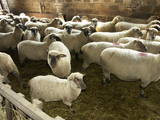 |
Saimniecības plašajās pļavās Aiviekstes upes krastos ganās Latvijā lielākais Latvijas tumšgalves aitu ganāmpulks (~ 400 dzīvnieki). Saimniecības apskate, šķirnes aitu, gaļas, vilnas, ādu un dārzeņu iegāde. |
|
 |
No torņa apskatāms Limbažu vēsturiskais centrs, pilsdrupas un ainava līdz pat Dūņezeram. Limbažu pils bija viena no pirmajām Latvijas fortifikāciju sistēmām, no kuras līdz mūsdienām saglabājušies unikālie vārti. Torņa atslēgas meklējamas muzejā. Atrodas Ziemeļvidzemes biosfēras rezervātā. |
|
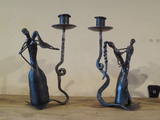 |
Smēdē taisa žogus, vārtus, vēja rādītājus, lustras, sadzīvē izmantojamus priekšmetus un suvenīrus. Interesentiem stāsta par kalēja darbu un demonstrē prasmes. |
|
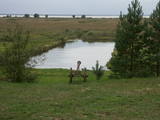 |
Kopā ar Nagļu dīķiem - Latvijas lielākais zivsaimniecības dīķu komplekss, ko uz Lubāna palieņu kūdrājiem izveidoja 20. gs. 70. gados līdz ar Lubāna hidrotehniskās sistēmas radīšanu. Kvāpānu-Īdeņas dīķiem pa vidu izbūvēts Lubānas - Gaigalavas ceļš. Uz Kvāpānu dīķu dambjiem izveidoti trīs putnu vērošanas torņi. Lubāna zivju dīķi ir viena no bagātākajām un daudzveidīgākajām ūdensputnu ligzdošanas un migrējošo putnu atpūtas vietām, kuru apkārtnē paveras plašas putnu vērošanas iespējas. Teritorija ietilpst Lubāna mitrāja kompleksā.
|
|
 |
Ap 1,6 km garā un labiekārtotā Adamovas dabas taka iepazīstina ar Adamovas krauju un tās apkaimē esošajām dabas vērtībām. Takas sākums meklējams pie autostāvlaukuma, no kura paveras plašs skats uz Krāslavu un Daugavas senieleju. Adamovas krauja (aizsargājams ģeoloģisks piemineklis) ir viena no garākajām (ap 1,7 km) un augstākajām (25 - 35 m) Daugavas kraujām. Tā veidojusies sānu erozijas rezultātā, Daugavas ūdeņiem noskalojot Daugavas pamatkrastu Adamovas loka ziemeļdaļā. |
|
 |
"Sutru ogu dārzs" atrodas Līvānu novada Sutru pagastā. Saimniecībā tiek audzētas krūmmellenes. Tās audzē tuneļos, tāpēc ir gatavas daudz ātrāk nekā citviet Latvijā. Ogas ir iespējams iegādāties uz vietas un izbraukumos. 3 ha platībā tiek audzētas mellenes. |
|
|
|
Dievukalnā atrastās liecības vēsta, ka šajā vietā pirms 3000 gadiem bija apmetušās baltu ciltis, bet 7.-9. gs. pie Daugavas jau apmetušās lībiešu ciltis. Daugavas klinšainajā krastā (pirmo reizi pieminēta 1229. g.) Rīgas bīskaps no laukakmeņiem uzbūvē pili, kuras drupas apskatāmas arī šodien. Lielvārde dod iedvesmu tādiem atmodas laika kultūras darbiniekiem kā Andrejam Pumpuram (1841-1902) un Auseklim (1850-1879). 1. pasaules kara laikā (Daugava gandrīz trīs gadus ir frontes līnija) Lielvārdi pilnībā noposta. Pēc 2. Pasaules kara kā jau arī citur Latvijas teritorijā, te sākas kolhozu izveide. Šajā laikā Lielvārde kļūst pazīstama ar vēl vienu simbolu – „Lāčplēša" alu. Šodien Lielvārde ir to ceļotāju iecienīta, kas savu maršrutu izvēlējušies veikt gar Daugavas labo krastu. |
|
 |
Restorāns atrodas viesu mājā "Liedags" Liepājas - Venstpils šosejas malā 4.5 km no Jūrkalnes Ēnavītes upītes krastā. |
|


