
| No | Name | Description |
|---|---|---|
 |
A place in the centre of Tartu where one can enjoy small and light fish & chips style meals made from the products of Lake Peipus. The small shop combines Peipus' area dining experiences with modern cuisine, using only the best local products. Very popular choices are fish & chips made from pike perch fillet, juicy burgers, as well as wraps. |
|
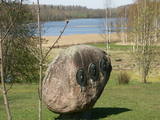 |
The main goal of the Vestiena protected landscape area is to protect the landscape values in the Vidzeme highlands. The protected area is in the middle of the Vidzeme highlands with the highest and most prominent relief, including Gaiziņkalns, the highest spot in the country. The many lakes found in the area - Viešūrs, Talejas, Kāls, Pulgosnis and others – not only add to the variety of the landscape, but also offer tourism and recreation options. The Vestiena protected landscape area encloses several other especially protected/Natura2000 sites – the Gaiziņkalna nature park, the island of the lake Kāla, the lake Ilziņa restricted natural area. Among the most interesting tourist attractions are the Vestiena estate, the Piekūnu wandering trails, the Gaiziņkalna nature trail. The area is rich in landscapes, however, there are no viewing spots or towers installed to observe the landscape. On the top of the Gaiziņkalns, the Latvia’s highest spot, there still stands the wreck of the former viewing tower.
|
|
 |
Innovative and delicious hemp and buckwheat products - tasty and good for the digestive system. |
|
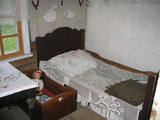 |
The main building of the museum features an early 19th C. threshing barn with a dirt floor, the living quarters were added in the late 19th C. The museum also exhibits a smoke sauna, summer kitchen, granary, cellar, coach house and a dining house (formerly a cattle shed). All buildings have a display of tools and everyday commodities, traditional farm food can be booked in advance and handicraft workshops are available. |
|
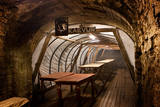 |
The most fascinating part of the Park is its underground museum. Guided underground tours take visitors to where miners used to work and rest and stored their explosives, and include a real train ride and learning about various pieces of equipment and technology. A delicious miner’s lunch can be booked in advance and enjoyed in a genuine miners´ underground canteen. |
|
 |
The saloon is on the edge of the Murjāņi-Valka road (A3) and is easily recognised because of the building and various fairy tale characters in the yard. Latvian cuisine: Cold soups (beet, bean, sauerkraut, sorrel), roast leg of pork, blood sausage, pork ribs, berry dessert with toasted oats, stacked rye bread. Special foods: “Fiery Soup of the Ragana Kitchen”. |
|
 |
After the death of the Kalnasikšņi oak tree, which was the mightiest tree in the Gauja National Park, the mighty Kvēpene oak tree has taken over that role. It has a circumference of 6.1 m, a height of 20 m, and a crown which measures 28 x 30 m. The beautiful tree is on the right bank of the Gauja River valley and is one of the most excellent trees in Latvia. Near it is the forested Kvēpene castle hill, as is the Svētavots stream, which is reputed to have medicinal waters. To the North of the castle hill is the Rūsiņš hillock, which offers a good view of the surrounding forests, the towers of the city of Cēsis, Ieriķi, and the Rakšupe estuary at the Gauja. There is a bench at the top of the hillock from which lovely sunsets can be seen. |
|
 |
The property is located in the traditional fisherman's village, and local dishes and crafts are respected here. Guests are offered home-made products, as well as master classes for cooking and crafts, and are introduced to rural life. |
|
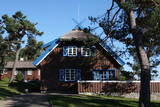 |
Ein zweistöckiges Holzhaus auf dem Uošvės-Hügel mit wunderschönem Blick aufs Haff. Hier hat drei Sommer der Träger des Nobelpreises, deutscher Schriftsteller Thomas Mann (1875 – 1955) verbracht. |
|
 |
The biography of Krišjānis Valdemārs tells us that during the summer of 1839, teachers and students from the Lubezere school spent a few days on the coastline in Roja, where Valdemārs would later help to build a maritime school. The area was breath-taking and unforgettable for the little boy. “The noble appearance of the sea grabbed the spirit of the young man so powerfully that during those three days, I thought about nothing other than the noble sea, with childish courage that allowed me to prepare a plan for a deeper port in the Roja River so that larger boats and small ships could enter it,” Valdemārs wrote. (Source: Roja TIC) |
|
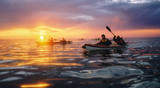 |
The company runs wildlife tours: rafting in early spring, kayaking in summer (with beaver watching upon request), bog and snowshoeing round the year, kick-sledging in winter. Our experienced guides tell exciting stories of wildlife and history. |
|
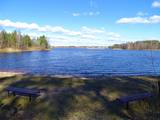 |
This was an island after the Rīga hydroelectric power plant created a reservoir, and before that it was a peninsula on the Left Bank of the Daugava. During World War I, there were massive battles between Latvian Riflemen and a much larger German army on Death Island. On December 25, 1916, the Germans used poisonous gas against the Latvian troops. In honour of this, the architect Eižens Laube designed a monument to fallen Latvian riflemen on the northern shore of Death Island. It was unveiled in 1924. Death Island can be reached by boat, and the trenches and graves there are of interest. There is a pier for boats on the north-western shore of the island, and nearby is a location for leisure. Some of the trenches and dugouts have recently been restored. The battles were described by Aleksandrs Grīns in his masterpiece, “Snowstorm of Souls.” |
|
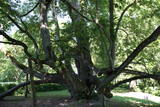 |
This is Latvia’s largest small-leaved lime tree (Tilia cordata). Some of its mighty branches are held up by supports. There are large holes in the trunk that have been covered up to prevent water entering the holes and causing even more rot. Just like many other trees of this size, this was a sacred tree in the past
|
|
 |
Drinks are made from fruits and berries grown in Kurzeme region and hand-picked. 100% handmade. Our Story Apples Ciders Visitors Where to Buy |
|
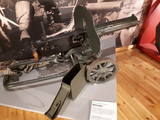 |
Ikšķiles vārds Pirmā pasaules kara laikā izskan saistībā ar diviem notikumiem – Ikšķiles priekštilta nocietinājumiem (Nāves sala) un kaujām pie Mazās Juglas upes. 1917. gadā 1. septembra rītausmā Vācijas impērijas armija uzsāka uzbrukumu iepretim Ikšķilei ar mērķi ieņemt Rīgu un saņemt gūstā Krievijas 12. armiju. Ar spēcīgu artilērijas atbalstu vācu vienības izsita Krievijas armijas karavīru daļas no Ikšķiles pozīcijām, kas savukārt ļāva Vācijas armijas karavīriem pa trim pontonu tiltiem šķērsot Daugavas upi. 1.septembra pēcpusdienā vācu izlases vienības sasniedza Mazās Juglas upes apkārtni pie Tīnūžiem, kur tām negaidīti ceļu aizšķērsoja no rezerves steigā atsauktā 8000 vīru lielā 2. latviešu strēlnieku brigāde, kura ieņēma pozīcijas gar Mazās Juglas upi. Latviešu strēlniekiem tika pavēlēts aizkavēt vācu karavīrus, līdz visa 200 00 vīru lielā Krievijas 12. armija izies no aplenkuma, nenokļūstot vācu gūstā. Latviešu strēlnieki savu uzdevumu izpildīja pilnībā, diennakti cīnoties pret gandrīz desmitkārtīgu vācu pārspēku. Kauja pie Mazās Juglas upes bija viena no traģiskākajām un reizē viena no leģendārākajām Latvijas vēstures lapaspusēm. "Tīnūžu muižā" ir izveidota 1. Pasaules kara tēmai un Juglas kaujām veltīta ekspozīcija. |
|
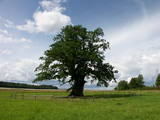 |
This is the second thickest tree in Latvia and the Baltic States. There is a large and open hole in the trunk of the tree. Like most trees of its size, it has suffered lightning damage. The tree is a wonderful part of the landscape, and a little wooden fence has been put up around it.
|
|
 |
Kuģīša piestātne atrodas Ostas ielas malā, kur tai piekļaujas Tirgus iela. „Hercogs Jēkabs” ekskursantus izvizina 45 minūšu garā braucienā (no maija – oktobrim) pa Ventas grīvu, piedāvājot aplūkot Ventspils ostas un vecpilsētas ainavas no citiem skatu punktiem. |
|
 |
You can produce your own beer stein, candelabra or teacup with your name on it, and it will be fired in the same kiln which the master craftsman uses. He will wait for you to return to the location to pick up what you have designed. You can purchase clay dishware, work with clay, help to open the kiln, take a tour, and listen to stories about pottery traditions in Latgale. |
|
 |
This farm has more than 20 years of experience with beekeeping products and their sale. Groups of tourists can tour the farm with the help of a knowledgeable guide. There are creative workshops for children, games for teams, tastings of products, a location for picnics, as well as luncheons of soup cooked on a campfire along with honey bread. |
|
 3 days
|
The Suiti are a community with among the most colourful and unique cultural traditions in Kurzeme and Latvia. This was confirmed on October 1, 2009, when the cultural territory of the Suiti was included in the UNESCO list of global intangible cultural heritage, thus indicating that the traditions must be preserved. The Suiti territory is also on the list of folk traditions that is part of the Latvian Cultural Canon. Manifestations of this intangible cultural heritage include traditional festivals, habits, oral traditions, traditional singing and musical skills, folk costumes and culinary traditions. Since 2009, the Suiti community has been undergoing a renaissance, with people actively working to restore traditions and ensure their sustainability and promotion at the local, national and international level. The survival of the cultural territory is in the hands of the Suiti themselves, and this is closely linked to the practices and the creativity of community representatives. The Suiti believe the development of tourism in their area to be of great importance in this. This means emphasising a niche in cultural tourism that is based on the broader promotion of the unique cultural heritage of the Suiti. |
|


