
| No | Name | Description |
|---|---|---|
 |
Ap 9 km garā taka (vienā virzienā) sākas Skaņākalna dabas parkā (Mazsalacā) un beidzas pie Ramatas. Tā iepazīstina ar Salacas ielejas dabas parka nozīmīgākajām vērtībām – smilšakmens atsegumiem (Skaņaiskalns, Dauģēnu klintis u.c.), alām, nozīmīgu izmēru laukakmeņiem u.c. Taka marķēta. Tajā izvietoti informācijas stendi, norādes. Jāpadomā par loģistiku – kā nokļūt sākuma punktā. |
|
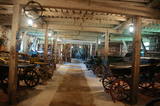 |
The museum is located in Pilkuse manor farm, exhibits on display are carts, carriages and sleighs along with accessories from horse collars to lap robes. Military, emergency and fire brigade carts are extraordinary and rare while a coach and a calash (barouche) are exhibits to be really proud of. Numerous agricultural tools and equipment also ensure hours of excitement and discovery in the museum. |
|
|
|
Pilsētas rajons dienvidos no Ventas grīvas, kura mūsdienās redzamā mazstāvu koka apbūve sāka veidoties 19. gs. vidū. Ostgala pirmsākumi meklējami 1836. g., kad Krievijas valdība, solot priekšrocības, aicināja apkārtnes zvejniekus apdzīvot smilšaino un kustīgo kāpu pārņemto piekrastes daļu. Ostgals ir atzīts par valsts nozīmes pilsētbūvniecības pieminekli. |
|
 |
Cīravas muižas ūdensdzirnavas būvētas 1881. g., bet 20. gs. – pārveidotas. Šīs ir vienas no salīdzinoši retajām Latvijas ūdensdzirnavām, kas tādā apjomā saglabājušas vēsturiskos mehānismus. Apskatāmas no ārpuses. |
|
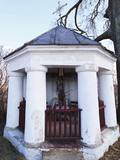 |
The Crucifix of Kurpinīki is known also as the place where Janis Streičs
shot some scenes of the movie „The Child of a Man”. Long time ago this crucifix
was situated in the courtyard of writer’s grandfather Donat Klidzejs in the USA.
|
|
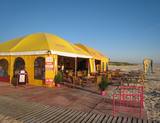 |
Beach cafe at the end of Jūrmalas Street, by the beach, in Liepāja. Live music in the Wind Garden on Wednesdays, Fridays and Saturdays. Offers breakfast, lunch, dinner, coffee and drinks. |
|
 |
The fisherman’s homestead that is alongside the Kolka Lutheran Church offers a look at how fish are smoked and prepared. You can taste the fish and purchase fish that were caught in the sea (mostly plaice). |
|
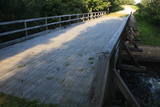 |
This fairly large wooden bridge across the Rīva River is a fairly unique phenomenon in Latvia, but it is one of few, if not the only bridge of its type. The bridge is in a convenient and easily accessed place, and of interest is the fact that it was once part of the Liepāja-Ventspils railroad that was installed during the first half of the 20th century. |
|
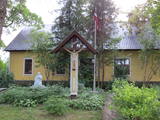 |
Antons Rancans produces wooden busts of well known people from politics, the arts and other fields of endeavour, and these can be purchased. Visitors can also commission decorative objects that are produced from wood. The artist also produces crucifixes. Gundega Rancāne is a landscape painter who is renowned for her masterful use of light and shadow. Her works are available for purchase.
|
|
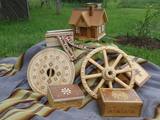 |
The workshop and “Dream Hut” exhibition hall at this venue offer a look at turned wood products such as candelabras, dishware, beer steins, vases, glasses, mortars and pestles, small boxes, wooden paintings, etc. You can commission and purchase products and watch the master at work. |
|
|
|
This is a site where you can try out ancient weapons – bows and crossbows (a reproduction of items from the 14th and 15th century), throwing an axe (replicas of German axes from the 13th century), and spears. Once you’ve learned how to handle those weapons, you can also forge a copy of a Medieval coin. You can try on copies of armoured caps and gloves and have your picture taken with a sword or battle axe. For larger groups, the enterprise will organise ancient sports and table games.
|
|
 12 days
|
The route leads mostly through the Gauja National Park where you will see the most beautiful river valley in the Baltic States. It is the ancient Gauja River valley with gorgeous flora and fauna and the mightiest Devonian-period sandstone cliffs, in the region. While riding the route, you can study Latvia's most brilliant medieval city, Cēsis. You can visit medieval castles and castle ruins there and in Sigulda. A guide will take through underground bunkers in Līgatne which were secret in soviet times and have no analogue in North-eastern Europe. You will then pass through the beautiful Otepaa highlands and the Lahemaa National Park in Estonia. The old town of Tallinn is on the UNESCO list of world cultural heritage. |
|
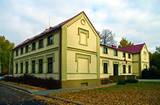 |
In 1888, the building, provided for a doctor’s needs, was donated by Baron Alexander Alexei von Pistohlkors to the parish of Pēterupe Lutheran Church. Along with the building, Baron Pistohlkors also donated 6 hectares of land and 10 000 roubles for the doctor’s use. Arvēds von Engelhards became the first medical doctor in Pēterupe. In 1890, the first pharmacy was opened in one room of the clinic, serving people from a wide area; it remained in the building until 1895. This outpatient clinic was the very first stone building in Saulkrasti, the first health authority in a wide area, as well as the first pharmacy. Through its entire lifetime, the house was maintained from voluntary donations – at first by Alexander Alexei von Pistohlkors, then by churchgoers of Pēterupe Parish – therefore by the money of the villagers. |
|
 |
The farm specialises in goat farming and goat cheese. Tours are available with tastings and purchase of products. The herd has some 150 goats, and visitors can taste and buy goat cheese. The farm is certified as a biological farm that focuses on environmental health. |
|
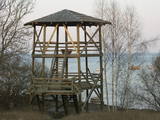 |
This tower is on the shores of the ancient Litorine Sea, with a lovely view of the unique seashore here – complete with small bays and capes. It is part of the Kaltene nature trail, which is around one kilometre long. The location is of particular interest during spring or autumn migration of birds. Two other bird-watching platforms are nearby.
|
|
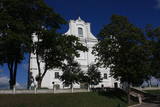 |
The first wooden Catholic church in Dagda was built in 1705, while the church that is seen today was built in the Baroque style during the latter half of the 18th century, the work financed by a local nobleman. Important interior elements include the altar, the pulpit, the organ, a monument to the Hilsen dynasty, etc. To the North of the church is historical Dagda itself, with typical red brick buildings from the early 20th century that are known as the former homes of Jewish merchants.
|
|
 6 days
|
Onions, fish, villages that stretch out for several kilometres where the buildings are lined along the main street, ornate Old Believers' churches, small harbours with fishing boats and wooden houses, each painted in a different colour! Cafés, shops and a view of Lake Peipus, which looks more like a sea than a lake. This could be the description of this tour. This tour is a very interesting part of the Forest Trail, which will give you an opportunity to see and enjoy the Lake Peipsi region, the culture and lifestyle of local people as well as the nature. The tour will start in Tartu – Estonia’s second biggest city. You will go by bus from Tartu to Varnja where you will start to hike. During the tour you can visit Kostja’s onion farm, where the host welcomes guests and presents onion cultivation. It is also worth visiting the Chicory Museum in Kolkja to get acquainted with the history of chicory cultivation in row villages near Lake Peipus. You will also see Alatskivi Castle. In Avinurme we suggest visiting the Avinurme wooden handicraft centre and get acquainted with the local woodcraft, spend quality time in woodworking workshops and taste or even prepare yourself a selection of Estonian traditional foods. At the end of the tour you will return to Tartu by bus. |
|
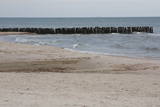 |
This is an enormously important territory for migrating birds. The most commonly spotted protected species of birds are the velvet scoter, the black scoter, the long-tailed duck, the little gull, the red-throated and black-throated loon, and the black guillemot. The territory is opposite the Dundaga and Ventspils administrative districts, and it covers 172,412 hectares.
|
|
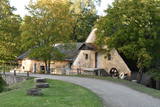 |
Jaunpils ūdensdzirnavas ir industriālā tūrisma apskates objekts, kurā ir saglabājusies dzirnavu iekārta, kas darbojusies 20. gs. 20.−30. gados, kā arī hidrotehniskās būves un ūdenskrātuve. Šobrīd dzirnavās ir izveidota ekspozīcija par pašām dzirnavām, malšanas procesu un graudkopību. |
|
 |
Divus kilometrus garās lokveida takas sākums ir meklējams pie Somā nacionālā parka apmeklētāju centra (atklāts 2000. gadā) – Tēramā ciemā. Tā ved gar Mardu strauta (Mardu oja) krastu, kur krustām šķērsām ir sakrituši bebru nogāztie koki, radot diezgan juceklīgu skatu. Apmeklētāju centrā var iegūt nepieciešamo informāciju, noskatīties videofilmu un nacionālajam parkam veltītu ekspozīciju. |
|


