
| No | Name | Description |
|---|---|---|
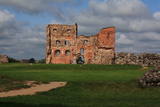 |
Dabiskā zemesragā starp Lielo un Mazo Ludzas ezeru 14. gs. beigās slejās seno latgaļu koka pils, kuras vietā Livonijas ordenis uzcēla Latgales varenāko mūra pili. Tā bija iespaidīga trīsstāvu celtne kvadrāta formā ar sešiem torņiem, trīs vārtiem un divām priekšpilīm. Pēc krievu iebrukuma Latgalē 1481. g., Ludzas pili atjaunoja 1525. g. 1654. g. to atkal izposta Krievijas cara Alekseja Mihailoviča karaspēks. Jau 18. gs. no pils bija palikušas tikai drupas, kas arī mūsdienās ir ļoti iespaidīgas un ainaviskas (ar skatu uz Lielo Ludzas ezeru un baznīcu torņiem). |
|
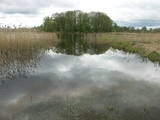 |
Dabas liegums veidots ezera, tā salu, ainavas, augu, putnu un sikspārņu aizsardzībai. Liegumu var apskatīt "no malas" - no ceļa, kas iet gar tā ziemeļu un ziemeļaustrumu robežu.
|
|
 |
This lovely farm features lilies, peonies and other flowers, as well as a beautiful rock garden and a dendrological park that is under development. Bees from more than 100 hives produce honey. The lady of the house will take you on a tour and offer plants and honey products for sale. |
|
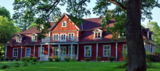 |
Muižas ēka tikusi restaurēta, taču tā celta 1732. gadā. Muižas kompleksu veido – kungu māja, bijušās skolas ēka, pārvaldnieka māja, klēts, saimniecības ēka, kā arī tējas namiņš, kas atrodas senajā ozolu parkā, no kura takas tālāk aizvijas uz Meža parku. Ungurmuižas iekštelpās ir grezni zīmējumi (grenadieri, ziedu motīvi, zīmētas tapetes, drapēri, ainas no barona karagājieniem un ceļojumiem) kuru autors ir Limbažu gleznotājs Georgs Dītrihs Hinšs. Ungurmuižā par seno auru rūpējas katrs gleznojums, zīmējums un katrs nostūris. |
|
 2 days
|
Маршрут подходит для активных туристов, интересующихся многообразием природной и культурной среды национального парка «Кемери». Национальный парк «Кемери» (основан в 1997 г.) создан, прежде всего, для защиты водноболотных угодий – мелководного побережья Рижского залива, заросших прибрежных озер, болот, влажных лесов (трясин и др.) и пойменных лугов, как значимых мест произростания многих растений (~ 25 % от видов растений, занесенных в Красную книгу Латвии) и обитания животных, особенно мест скопления гнездящихся и перелетных птиц. На территории парка находится один из крупнейших заболоченных массивов Латвии – Большое Кемерское болото. Заболоченные массивы являются значимым местом образования и выхода сероводородных вод, а также местонахождения лечебных грязей, используемых в медицине, которые в свое время послужили основанием для создания известного курорта «Кемери». Информация о маршруте от Latvijas Lauku forums |
|
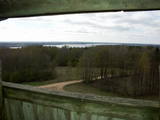 |
This is one of the highest points among the hillocks of the Selonian area of Zemgale – Borīškalns Hill. From the tower, you will see Lake Sauka, as well as the forests and farmland which surround it. The “Kalna Ļūdāni” farm is nearby, and its owner uses his livestock to help to maintain the surrounding landscape.
|
|
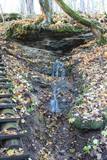 |
Litorīnas jūras laikā (pirms ~ 6000 gadiem) Saleveres Salumegi kalns bija sala, bet mūsdienās tas kā izteikta kāple (īpaši - ziemeļu pusē) paceļas virs Piejūras līdzenuma. Salumegi ziemeļu pusē slejas 4 - 5 metrus augsts kaļķakmens atsegums – silūra perioda (> 400 mlj. gadu) koraļļu rifa paliekas, kuru noskalojuši Litorīnas jūras viļņi. Atseguma piekājē izplūst Acu avots, kam piedēvē dziednieciskas īpašības. Salumegi apskates nolūkos izveidota lokveida taka (1,5 km). No kalna augšas paveras labs skats uz Matsalu līci. Šeit atradies arī sens pilskalns. |
|
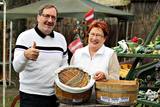 |
Lamprey catching and processing traditions started long ago in Carnikava, in the place where the River Gauja enters the sea. On the tour you can find out about lamprey and their preparation methods, as well as enjoy them grilled, jellied or in the form of lamprey sushi. Latvian cuisine: Grilled lamprey, jellied lamprey, lamprey sandwiches. |
|
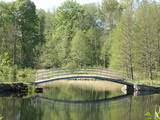 |
The Zasa park is an estate park that is on the shores of the little Zasa River near the Zasa millpond (toward the North of Zasa). The landscape park dates back to the 18th century and is in the style of Romanticism. The park was installed when the mansion of the Zasa Estate was built. It was owned by Heinrich von Zass, after whom the Zasulauks neighbourhood of Rīga is named. When ownership of the estate changed in the 19th century, the Zasa Estate was seen as one of the wealthiest and most beautiful estates in the region. It is worth hiking through the vast park with its many bridges, the Werewolf tree, the Devil’s rock and a sacred stream. There are guides who will accompany you on a tour of the park. +371-2633-7227. |
|
 1 day
|
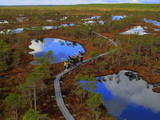
The Great Ķemeri Bog Boardwalk is located in Ķemeri National Park. The national park covers an area of 38,165 hectares. The Great Ķemeri Bog Boardwalk immerses visitors in the world of moss, small pine trees, deep pools, tiny dark lakes and the smell of wild rosemary. An astute visitor will notice the carnivorous sundew plant and a variety of birds – wood sandpipers, white wagtails and tree pipits – and will also be able to hear cranes further away. Those who prefer shorter strolls can take the small boardwalk loop (approx. 1.4 km), while those who choose the great loop (approx. 3.4 km) will be rewarded with the opportunity to climb to a viewing platform that offers a magnificent view of the bog from above. The Great Ķemeri Bog Boardwalk has become a popular place for landscape and wildlife photographers. The whole trail is laid to wooden boardwalk and therefore is fully accessible and can be walked without a professional guide. |
|
 1 day
|
Tūrisma gide Ineta Jansone piedāvā ekskursijas grupām uz Ķemeriem un iepazīstina ar Ķemeru kūrorta vēsturi. Kopš seniem laikiem Ķemeri slaveni ar to, ka šeit ir daudz sērūdeņu avotu un ārstnieciskās dūņas. Šurp brauca ārstēties kopš 19. gs. sākuma. 1838. gadā Ķemeros nodibināja kūrortu. Ķemeru kūrortā ārstēja ādas un kaulu slimības, kā arī gremošanas un nervu sistēmas slimības. 1877.g. izbūvēja dzelzceļa līniju Rīga - Tukums, bet 20.gs. sākumā tika ieviesta tiešā dzelzceļa satiksme ar Maskavu. Kūrorts bija ļoti populārs un katru gadu arvien vairāk viesu brauca šurp ārstēties. Īsi pirms I Pasaules kara atklāja elektriskā tramvaja satiksmi starp Ķemeriem un jūru - Jaunķemeriem. Ķemeri atrodas starp purviem un ezeriem, 6 km attālumā no Rīgas jūras līča. |
|
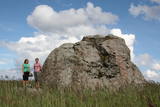 |
Auf der Küste der Halbinsel befinden sich sowohl ehemalige Fischerdörfer, als auch die Reste eines Militärstützpunkts der Sowjetarmee. Großartige von den Gletschern des Eiszeitalters eingebrachte Feldsteine. |
|
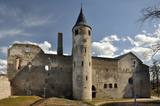 |
This is one of several remarkable medieval strongholds in Estonia; the convent house, mysterious cellars and displays with numerous finds and exhibits are open to visitors; the children’s playground in the courtyard contains attractions inspired by the Middle Ages. |
|
 |
The farm breeds purebred and crossbred cattle for seed, fattening and meat production. It sells piglets and pork, grows grains and potatoes, and engages in beekeeping. Six ponds are used to breed carp, tench and orfe. During the winter, fishing is possible in special basins that are based on the flooding of a curve in the Bērzene River. Valti offers a look at biological farming, beef cattle breeding, genetic work related to purebred animals, and fishing outdoors. The farm has a special seminar room and kitchen for seminars and training. The farm maintains the Oskars Kalpaks trail, which crosses a territory that is geological and landscape interest. |
|
 |
The Dole is the largest island in the Daugava River, surrounded to the Northeast by the rapid waters of the Daugava and to the Southwest by calm and gradually overgrown waters from Dry Daugava. The island is a specially protected nature park, established in 1986 to protect the landscape and cultural and historical values of the island in the wake of the construction of the Rīga hydroelectric power plant, as well as rare and protected species of plants and animals. The island is also meant to provide education and leisure for visitors. Best known on the island is the Daugava Museum, which is in the mansion of the old Dole Estate. The museum features some 13,000 exhibits that speak to the history of the island and the river – Baltic and Livonian apparel, tools and household objects. The exhibition also presents the Daugava as an important waterway and the related history of forms of transport and rafters. In the park is an open-air exhibition with reconstructed lamprey eel traps and a barrier to fish salmon, along with a set of fishing tools. A dolomite cliff is alongside the museum on the steep shore of the Dry Daugava. The ruins of the Vecdole castle can be found on the south-eastern end of the island, near Bēči. |
|
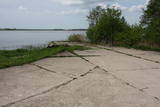 |
The hydroplane airfield is on the eastern shore of Lake Durbe, not far from Līguti. It was built between 1939 and 1941. During the Soviet era, the 43rd aviation escadrille was located here, and it had 13 MBR-2 hydroplanes. All that’s left today are the cement sheets on the shore of the lake. You can look at the site itself.
|
|
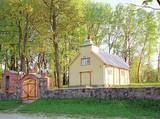 |
St. Michael the Archangel Parish Church of Zosna. The church
was built in 1800 by the donations of local people; it is devoted to Saint Michael. The church is built on the
stone foundation and panelled with boards. It has a small square tower that was restored in 1994.
|
|
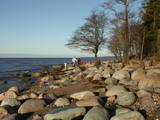 |
Neliels, bet ļoti ainavisks un ar lieliem laukakmeņiem klāts
zemesrags. No raga iztālēm redzamas Veczemju
klintis.
|
|
 |
Traditional Estonian food from products of organic farms Saare Ubin and Vatsliku. |
|
 |
Santa Lasmane owns a farm near Lake Jumurda and manufactured goat’s cheese from 40 dairy goats (60 goats in all). You can buy the cheese there and at local markets. Products are delivered on demand. You can tour the farm, meeting Bonija the goat and her friends, and taste the cheese. |
|


