
| No | Name | Description |
|---|---|---|
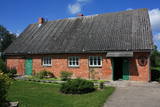 |
The Aknīste Regional Research Museum is at the corner of Skolas and Miera streets in Aknīste. It is another location which will very much help you to learn about the culture and history of the Selonian region. The museum was established in 1998 and featured antiquities from the Iron Age and Bronze Age, as well as objects which speak to distinguished people from the region and Selonian culture. It is worth looking at the collection of ancient Selonian dishware. |
|
 7 days
|
Our tour leader will meet you at the Riga airport. Depending of the flight time we' ll have an excursion of Riga Old Town and the Central Market listed in UNESCO World Heritage list. Next day we visit potatoes grower near Iecava and successful local multi-sectoral agricultural enterprise at Tervete which combines horse breeding, brewery, crop growing, dairy farm and bio energy production. Also we will visit one of the biggest medical herb growers and producers of the herbal teas. After full day of professional visits, we' ll taste Latvian traditional food and beer in a traditional tavern in Riga. Then we will visit two cattle growers at Sigulda and Cesis area, climb up the tower of Turaida Castle for a great panoramic view and walk charming streets of Cesis Old Town. Afterwards we will visit ecological sheep farm near Valka and stay overnight at the Koni Mill where wool is still processed traditional way, warm blankets and beautiful bed linen made. |
|
 |
The hard-working family of the owner makes smoked ham and bakes bread. The meat is smoked according to local recipes in a self-made smokery, which gives the meat a special smoky taste, while the bread is baked from high-quality whole-grain rye flour. You can purchase bread and ham on Fridays. |
|
 |
Oranžērija Bekuciems ir ģimeniska svinību vieta 40 min braucienu attālumā no Rīgas, Tomes pagasta Bekuciemā. Šeit ir iespējams svinēt savus dzīves skaistākos notikumus - kāzas, krustabas, dzimšanas dienas, bērniņa raudzības, fotosesijas, atpūsties pie dabas, gatavot ēst un pašiem saklāt skaistu svētku galdu, organizēt korporatīvos pasākumus, iepazīstināt ārzemju tūristu grupas ar latviešu tautas tradīcijām un dzīvesveidu. Oranžērija ir apsildāma un darbojas visu gadu. Tās platība ir 4x6m un tajā ērti var justies nelielas kompānijas līdz 15 personām. Tā ir pilnībā aprīkota ar visu nepieciešamo atpūtai - mēbelēm, traukiem, galda piederumiem, kafijas aparātu un tējkannu, bezvadu bluetooth skaļruni, ledusskapi, plediem, svečturiem, svecēm, vāzēm, bērnu barošanas krēsliņi utt. Ap oranžēriju ir plaša teritorija, kurā var atpūsties liels skaits cilvēku. Te irpļavas, dīķis, āras atpūtas vieta, pirts un pirts nojume, grils, kūpinātava, ugunskura vieta un ugunskura zupas vieta, pļavas altāris, bērnu spēļu laukums, pļavas futbols, āras labierīcības. Blakus ir sēņošanas un pastaigu vietas Bekuciema slavenajos mežos. No saimnieces vasaras sezonā var sarunāt zaļumus, garšaugus un zāļu tēju. |
|
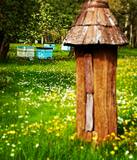 |
This is a beautiful farm that is friendly to the environment and has some 300 hives of bees. There is a shop along with a tasting hall where you can enjoy honey made of various flowers, pollen (including pollen in honey), propolis (also in honey) bee bread, wax and souvenirs. Taste beekeeping products (including honey wine) and take a tour of the farm, as well. This farm uses traditional hives to extract honey, and it offers a look at hives that were used in the past. The owners are happy to talk about the development of beekeeping in Latvia and their experience in this regard. New! BeeHive bee healing therapy! |
|
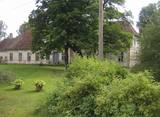 |
The historical centre of the Tāšu Estate is in the Ālande (Telse) River Valley near Lake Tāši. The current estate was built by the von Korff dynasty, and the mansion dates back to 1734. Inside there are valuable Baroque fireplaces, the main entrance portal made of sandstone from Gotland, the original stone floor in the hall, parquet and wall panels. The front door, windows, stairs and other details were installed in the early 19th century |
|
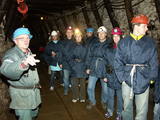 |
Gas mixture is the main raw material for Estonia’s energy and chemical industries, and it is extracted in our day from open quarries or underground shafts. This layer was established during the Ordovician Period between 450 and 480 million years ago, and it is made up of the remnants of plants and animals from that age. In the Kohtla-Nõmme suburb, there is a shaft which can be toured in the company of a guide who will tell you that this is the only layer of its kind in the Baltic States. He will tell you about how the gas mixture has been extracted over the course of history.
|
|
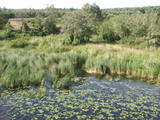 |
This is a territory which regularly floods when the Lielupe River crosses its banks. These are flood-land meadows of importance to birds. The area can be surveyed from the Rīga-Liepāja highway and the Kalnciems road which runs along it. |
|
 |
Winner of the first bakery contest in baking rye bread according to a traditional recipe using wholegrain rye-flour milled in Sangaste Mill. |
|
 16 days
|
This grand hiking tour is provided for experienced hikers wishing to walk along a large part of the coasts of Latvia and Estonia, gain a detailed impression about the diverse coastal landscape, nature, birds and animals of the Baltic Sea. The Baltic Coastal Hiking Route sometimes runs through sandy beaches, sometimes along sections of beach covered in stones and pebbles. Sometimes the trail goes through coastal forests or stops at a fishermen’s village. There are many floodplain meadows, lagoons and shallow bays on the Estonian side, so sometimes the path goes along coastal trails and roads. In the end section of the route you will feel Estonia’s Nordic nature more. Part of the route runs along a sparsely populated seashore where you can be alone with yourself, but you will also be able to visit the most prominent cities. You will visit both capitals: Rīga and Tallinn. Enjoy the hospitality of the resort towns of Jūrmala, Pärnu and Haapsalu. During the hike, you will also get acquainted with the regions of small ethnic cultures: the Livonians in Latvia and the inhabitants of Kihnu in Estonia. |
|
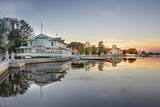 |
Haapsalu was once loved by aristocrats who stayed here during summers, nowadays this town is very appealing to its visitors because of its essence - tiny streets, old wooden buildings and promenade. Worth mentioning are also town's SPAs which were one of the reasons why Haapsalu was so popular its earlier years. Interesting enough, the famous composer Tchaikovsky considered this place one of his favorite's for spending the holidays. |
|
 |
Diplomēts mežsaimnieks Imants Urpens Alojas novada "Ošlejās" audzē šitaki sēnes. Šī ir arī mācību saimniecība, uz kuru brauc mācīties pārsvarā ārzemnieki. Saimniecība ir bioloģiski sertificēta. Pieņem ekskursijas un pasūtījumus sēņu audzēšanai un micēlija iegādei. |
|
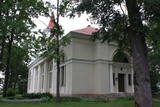 |
The Krustpils Lutheran Church is found at Rīgas Street 211A in Krustpils, on the right bank of the Little Daugava. The stone church which is there was built between 1818 and 1820 and consecrated in 1824. Two older churches stood on the site before then. The church was seriously damaged during World War I, and it was restored in 1924. There are several notable cultural monuments in the church – the altar painting, “Christ Prays in the Garden of Gethsemane”, the organ (with pipes that were manufactured in Germany), etc. The church is seen as one of the best examples of Empire-style architecture in Latvia, and in 1999 it was granted the European blue flag as an element of cultural heritage. There are legends about underground passages to Daugavsala, which is to the West of the church. The church is closed to visitors most days and can only be viewed from the outside. Nearby the church are two monuments – one commemorating the politically repressed, and the other memorialising national partisans.
|
|
 |
Einer der ausgeprägten Kaps der lettischen Küste mit Niederungsauen und einem in 1875 gebauten Leuchtturm. |
|
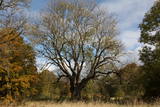 |
This is the thickest European Ash (Fraxius excelsior) in Latvia and the Baltic States. The homestead where the tree is found is the memorial museum of the painter Ģederts Eliass, and for that reason, the tree is sometimes also known as the Eliass ash tree.
|
|
 |
Alūksnes novada saimniecībā "Pauguri" kokamatnieks Jānis Vīksne izgatavo koka virpojumus - cibiņas, pulksteņus, pildspalvas, spēles, šūpoles un citas saimniecībā noderīgas lietas. Iespējams iegādāties kokamatniecības suvenīrus - dekoratīvus un praktiskus virpojumus no koka. Senlietu muzeja apskate - seni galdniecības darba galdi, ēveles, āmuri, sirpji, grābekļi, sējmašīna, pulksteņi, trauki u.c. Saimniecībā ir izveidota skatu platforma, no kuras paveras skats uz Hānjas augstienes ainavām Igaunijā, kā arī atpūtas vieta vasaras piknikam ar galdu, uguskura vietu un skulptūrām. |
|
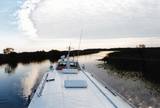 |
This is a quick boat ride from Tartu down the Emajõgi River to Piirissaare Island in Lake Peipsi (Peipsi järv). Along the lower reaches of the river are major wetlands which are of enormous importance for birds.
|
|
.JPG?size=160) |
This park was established mostly to protect a wide range of cultural and historical objects such as the Trakai lake castle, the ancient Trakai cloister, the Užutrakai castle, the Bražole castle hill, the heritage of ancient local tribes, etc.
|
|
 |
Located in the centre of Ventspils next to the Town Hall Square. Enjoy typical Latvian cuisine in a pleasant atmosphere. |
|
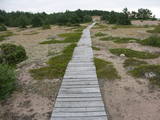 |
Igaunijas jūras ūdeņos ir saskaitīta 1521 sala! Salu sarakstā pēc platības (63 ha) ~ 2,5 km garā Mohni sala ieņem 38. vietu. Lai saudzētu salas trauslo veģetāciju (vietām nedaudz atgādina krūmainu tundru), tās vidusdaļā ir izveidotas koka laipas. Salas dienviddaļā atrodas sašaurinājums, kuru tāpat kā blakus esošo jūras krastu klāj viens no savdabīgākajiem Igaunijas akmeņu laukiem. Salas ziemeļos esošās Mohni bākas (Mohni tuletorn) celtniecība pabeigta 1871. g. un tās gaisma ir redzama 10 jūras jūdžu attālumā. Šī ir viena no skaistākajām Ziemeļigaunijas bākām! Līdz Mohni salai var nokļūt ar laivu (iepriekšēja pieteikšanās) no ~ 5 km attālās Vīnistu ostas (Viinistu sadam). Ar jūras laivu vai kajaku piemērotos apstākļos būs ~ 1h ilgs brauciens. Jārēķinās, ka uz salas nav pastāvīgo iedzīvotāju! Vīnistu ciemā apskatāms 2002. g. izveidotais Vīnistu mākslas muzejs (Viinistu kunstimuuseum). Apmeklētājus iespaidos ne tikai tā āriene, bet arī tapšanas vēsture. |
|


