
| No | Name | Description |
|---|---|---|
 |
The History Centre Wittenstein is located in the Livonian Order castle on the rampart hill in Paide, where a time machine lift transports visitors through historic events and periods. The trip covers the period from 10,000 BC to the present day. The Centre uses lots of sound and light effects, video programmes and illusions. |
|
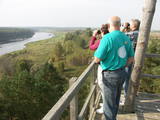 |
The old wooden tower at this site was torn down and replaced with the one that is there now. The restored tower offers one of the loveliest views in Eastern Latvia – one of the eight curves of the Daugava. This is the Rozališki curve. Here you will get a whole new sense of the Daugava River and its mighty valley in a place where the waters of a hydroelectric plant bubble away in our present day and age. It is claimed that the scene that is seen on the 10 lats note is based on the view which can be seen to the West from the tower. |
|
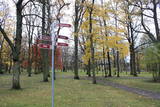 |
Viens no lielākajiem cilvēka veidotajiem Latvijasparkiem (70 ha), kas izstiepies no Liepājas ostas līdz Dienvidu fortam > 3 km garumā. Tā izveidi uzsāka jau 1870. g. pēc pilsētas mēra K. Ūliha iniciatīvas, uzbūvējot kūrmāju un strūklaku. 19. - 20. gs. mijā ap Dzintaru un Liepu ielām parādījās greznu villu un savrupmāju apbūve. Viena no skaistākajām ir jūgendstilā celtā savrupmāja Liepu ielā 27, kurā atrodas Krievijas ģenerālkonsultāts. Ēkai ir slēgta uzeja, balkoni, pildrežģa konstrukcijas un kārniņu jumts (arhitekti G. Jenike un P. M. Berči). Jūrmalas parks visās sezonās ir iecienīta pastaigu un dažādu aktivitāšu norises vieta. Te meklējams stadions „Daugava”, tenisa korti, koncertestrāde “Pūt, vējiņi!”, vasaras kafejnīcas, minigolfa laukums, bērnu rotaļu laukums, skeitparks. Šeit meklējamas lielākās Latvijas bungas – vides dizaina objekts. |
|
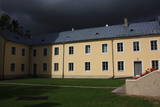 |
The origins of the castle date back to 1237. The closed yard that was typical of Medieval castles has been preserved. The interior took on its Historicism design in the mid-19th century, but there are also more ancient elements such as the gate tower, the basic walls, the firing apertures, the vaulted structures, the window apertures, etc. The Jēkabpils Museum of History was installed in the castle in 1994, and it can be toured in the company of a guide or an audio guide. |
|
 |
Saimnieki piedāvā vietu, kur aizbraukt brīvā laika pavadīšanai, atpūtā ģimenei Kurzemē. Šeit viesiem ir iespēja aplūkot sākot no dažādu laiku lauksaimniecības tehnikas un darbarīkiem, līdz pat kara laika paliekām, kā arī dažādu laiku sadzīviskos priekšmetus. Katram priekšmetam seko arī stāsti, kas ir piedzīvoti vai tikai dzirdēti. Tāpat apmeklētājiem ir iespēja apskatīt mājas iemītniekus,kas ir veidoti ar pašu rokām. Asākām un patīkamākām sajūtām pieejama 350 metrus gara Baskāju taka. |
|
 |
The Pīlādži farm is in the Durbe Parish of the Durbe Administrative District. It is primarily a grain farm, but also breeds livestock and grows flowers and vegetables. |
|
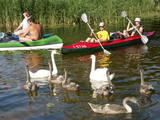 |
This was the first national park in Lithuania, and it is in the northern part of the Aukštaitija Higland, where hillocks interweave with lots of little lakes and ethnographic villages. Many of the lakes are connected with streams, forming long chains of lakes that are perfect for water tourists.
|
|
 |
The open kitchen of the restaurant allows the guests to experience an exciting performance by its chefs, who cook various fish and meat dishes on a fiery charcoal grill. Chef: Lauris Aleksejevs. Three-time consecutive winner of the Best Restaurant in Jūrmala title. |
|
 |
Ap 9,5 km garais un līdz kilometru platais ezers atrodas subglaciālā – t.i. ledāja veidotā vagā, tādēļ tas ir ne tikai Lietuvas, bet arī otrs Baltijas dziļākais ezers (pēc dažādiem avotiem 60,5 m vai 62,5 m). Tauragna dienvidu krastā paceļas Taurapils pilskalns (Taurapilio piliakalnis). Saglabājušies nostāsti gan par pagānu priesteri, kas te dzīvojis, gan nogrimušu baznīcu, gan laikiem, kad pilskalnu no visām pusēm apņēmis ūdens. No pilskalna plakuma paveras visaptverošs skats uz Tauragnu. |
|
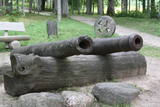 |
Established in 1900 at the place where the Pērse River flows into the Daugava (now the reservoir of the Pļaviņas hydroelectric power plant), the park offers a look at 17th century Swedish cannons and monuments from Medieval graves. Next to the high school in the park is a restored fountain, “Head of a Faun,” which was near the legendary Pērse waterfall during the 1930s. The waterfall is now underwater, but its location is indicated by a stone sculpture, “Girl of Pērse,” which was created by the sculptor Juris Zihmanis. A path leads to an 11 metre high wooden sculpture, “For Eternity,” by the sculptor Ģirts Burvis, and another sculpture, “Little Owl,” which is the work of the Rurāns brothers, both of whom are sculptors of wooden sculptures.
|
|
 |
Saimniecība nodarbojas ar sporta zirgu audzēšanu, sniedz zirgu viesnīcu pakalpojumus un var nodrošināt zirgu izmitināšanu brīvā dabā 24/7. Tiek audzēti kumeļi no augstvērtīgiem ērzeļiem: Aromāts (Acorado/Capiotol I), Fumo Twirre MP (Numero Uno/Voltaire), Cool Crack Z (Cornado I/Cassini II). Saimniecībā tiek izmitināti arī citi lauksaimniecības dzīvnieki, kurus viesiem ir iespēja apskatīt, samīļot un pacienāt ar gardumiem. Ir iespēja baudīt lauku gaisotni un apgūt iemaņas, kā izaudzēt veselīgu pārtiku - olas, gaļu, garšaugus. Piedāvājumā arī piknika vietas, noma korporatīviem pasākumiem un bērnu ballītēm, telšu vietas un aktīvās atpūtas iespējas. Ikdienā apkalpo tikai individuālus viesus vai korporatīvus pasākumus, saimniecība netiek piedāvāta plašākai apskatei. |
|
 |
The New Sigulda Castle was built between 1878 and 1881 for Prince Kropotkin. Its tower was extended in 1937. From 1923 until 1940, the building was known as the Writers Castle, and it was managed by the Latvian Press Association. During the Soviet era, a cardiology sanatorium was housed there. In 1993, the Sigulda City Council took over the castle, and since 2003 it has been home to the Sigulda Administrative District Council. The wooden residential building (mid-19th century) in which the Kropotkin family lived still survives, as do the granary (late 18th or early 19th century), the gardener's house (19th century), and the stone wall (19th century). The New Sigulda Castle is part of the historical centre of the Sigulda, Turaida and Krimulda complex, as are the ruins of the Sigulda Castle and the Krimulda Castle, the Krimulda Estate and the Turaida Castle. |
|
 |
The saloon is in the centre of Jēkabpils near the Daugava River dam. It offers exotic dishes. Latvian cuisine: Cheese salad, wild mushroom soup, ramekin of chicken or pork, strawberry soup with ice cream. |
|
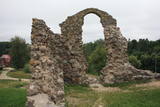 |
The Rēzekne castle hill is an impressive hillock (15 m) on the right bank of the Rēzekne River. From the 9th to the 12th century, there was a Lettigalian castle here. In 1285, the Livonian Order began to build a two-story stone castle on the site, and its ruins have survived to this very day. Alongside the castle hill is the Eastern Latvian Creative Service Centre - „Zeimuļs”, along with a tourism information centre. |
|
 |
Hauptstadt von Hiiumaa. |
|
|
|
Die älteste (16 Jh.) der drei Burge am Fluss Nemunas. Renoviert nach dem 2. Weltkrieg. Heutzutage – eine Schule. Ein Park. Blick vom Burgturm. |
|
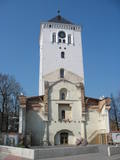 |
The most significant period for the town is the time from 1561 to 1795, when the Jelgava district is a part of the Duchy of Courland and Zemgale. When Jelgava obtains the status of residence of the Duke of (1567t) and becomes the capital of the Duchy (1616) a rapid urban development begins, which is highest of during the reign of Duke Jacob. During the reign of last two Dukes of Courland - Ernst Johann Biron and his son Peter (1775) St. Peter's Academy (Academia Petrina) - the first Latvian Institute is founded, in 1816 is founded Courland Society of Literature and Art, in 1822 the first newspaper in Latvian "The Latvian newspaper" is published, in 1802 the first Latvian theatre building is built, but in 1898- the first building intended for museum. In 1937 Latvian agriculture camera is located in the Jelgava palace, but after two years Jelgava Agriculture Academy is opened. Nearly all the town's historic buildings and art treasures perished in the summer of 1944. After the World War II, Jelgava was rebuilt. Recently the Trinity Church tower has been restored, in which now is located one of the best Latvian interactive museums (very friendly for families with children). |
|
 |
A farm and holiday house in the hilly landscape of Vidzeme, Cēsis 35 km. The hosts produce marmalade sweets from organically certified rye bread and other products, bake rye tin loaves, and make rye gingerbread dough, as well as the bread drink kvass. They also make jewellery and handicrafts. Produce can be purchased. |
|
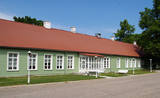 |
The museum’s main house in Kärdla (open all year round) and branches in Kassari and Käina (open in summer) give an insight into wool manufacturing, seafaring, agriculture and manor estates on the island, islanders´ life through tsarist and Soviet regimes and independence. Classes on heritage are run in the Long House. |
|
 |
Saimniecība atrodas Kokneses novada Bilstiņos. SIA "Rīta putni" nodarbojas ar paipalu olu un gaļas delikatešu ražošanu. Reģistrēti divi zīmoli "Olalā" - paipalu olas un to produkti un "Bučers"- paipalu gaļas produkti. Saimniecībā ir veikals "BĀRS un BODE", kurā iegādāties svaigākos produktus un pavadīt mirkli ar saimniekiem un laiku ar draugiem, kā arī nogaršot paipalu olu omleti vai grilētu paipalu gaļu. Saimnieki rīko dažādas interesantas degustācijas. Ir arī dārzs ar eksotiskiem augiem un stikla siltumnīcu. Siltumnīca ir pieejama rezervācija nelielām svinībām, fotosesijai vai meistarklasēm. |
|


